Angels
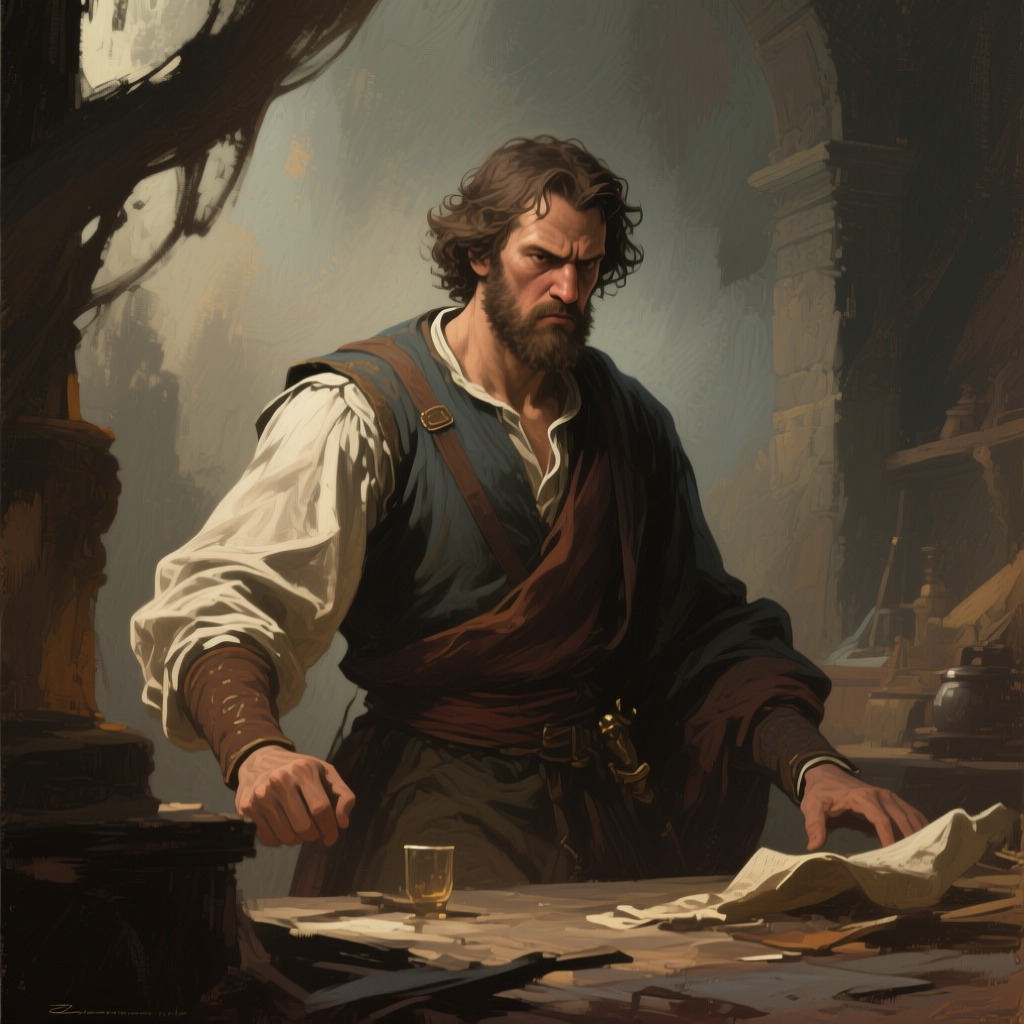
The Angels are the elite military force of the Republic of Gilead, distinct from the lower-ranking Guardians of the Faith who handle routine policing and menial tasks. They serve as the regime's frontline soldiers, enforcers of its ideology, and objects of both fear and fantasy for the Handmaids. Though they remain largely unseen and abstract figures, their presence shapes the daily reality of those they guard, embodying the state's violent power and its promise of masculine purpose.
Identity and Role
The Angels are the regime's primary fighting force, distinguished from the Guardians by their higher status and more dangerous duties. They are deployed to the front lines of Gilead's ongoing wars, where they engage in operations such as "smoking out" pockets of Baptist guerillas in the Appalachian Highlands, as shown on the news with helicopters from the Angels of the Apocalypse and Angels of Light. Their uniforms are neat and black, a stark contrast to the green of the Guardians. The Angels are also the only ones trusted with guns; even the Aunts, who patrol the Handmaids with electric cattle prods, are not permitted firearms. This trust underscores the Angels' ideological purity and their position as the regime's most reliable instruments of violence. They are objects of fear to the Handmaids, but also of something else: a desperate fantasy of exchange, of being seen and spoken to, of using their bodies as a bargaining chip.
The Promise of Promotion
For the young Guardians who man the checkpoints, the Angels represent a coveted promotion. These Guardians, often described as very young, fanatical, and jumpy with their guns, think constantly of "doing their duty and of promotion to the Angels, and of being allowed possibly to marry, and then, if they are able to gain enough power and live to be old enough, of being allotted a Handmaid of their own." The path to becoming an Angel is thus tied directly to the regime's core rewards: military honor, sanctioned marriage, and reproductive access to a woman. This aspirational structure reinforces the social hierarchy, with the Angels at its apex as the ultimate masculine ideal within Gilead's patriarchal order.
The Angels and the Handmaids
The Angels are a constant, if often invisible, presence in the lives of the Handmaids. At the Red Center, the Handmaids are told that the Angels are objects of fear, but they also fantasize about them. The Angels stand guard outside the football field where the Handmaids take their twice-daily walks, their backs turned, forbidden to look. This prohibition creates a charged, unfulfilled tension. The Handmaids imagine making deals, exchanging something, still believing they have their bodies to trade. This fantasy is a form of resistance and a symptom of their desperate situation, but it also acknowledges the Angels' power as the gatekeepers of a different, more dangerous kind of contact. The Angels are also the ones who carry out the punishments at the Red Center, such as when they dragged Moira back after her failed escape attempt, and they are the ones who would shoot a woman at a checkpoint if they suspected she was a man in disguise.
The Angels in the Regime's Ideology
The Angels are woven into the fabric of Gilead's public rituals and propaganda. The Commander's Wife, Serena Joy, knits scarves for the Angels at the front lines, though Offred suspects these elaborate scarves, decorated with fir trees and humanoid figures, are never actually sent but are instead unraveled and re-knitted to keep the Wives busy. The regime's news broadcasts feature Angels in action, showing only victories, with prisoners accepting cigarettes from their captors. The Angels are also central to the Prayvaganzas, where newly returned Angels are married to veiled daughters in group ceremonies. These weddings are presented as a reward for their service and a means of ensuring the next generation of loyal soldiers. The Angels are thus not merely a military force but a key symbol in Gilead's self-mythology, representing sacrifice, duty, and the promise of a restored, ordered world.