
The Nature of Evil: Is it Inherent or Learned?
WickedExplores the philosophical question of evil's origin through the characters' actions and debates, particularly Elphaba's journey.
increasing Bearing strength in each event
 decreasing
Bearing strength in each eventdecreasingEarly Theological Debates
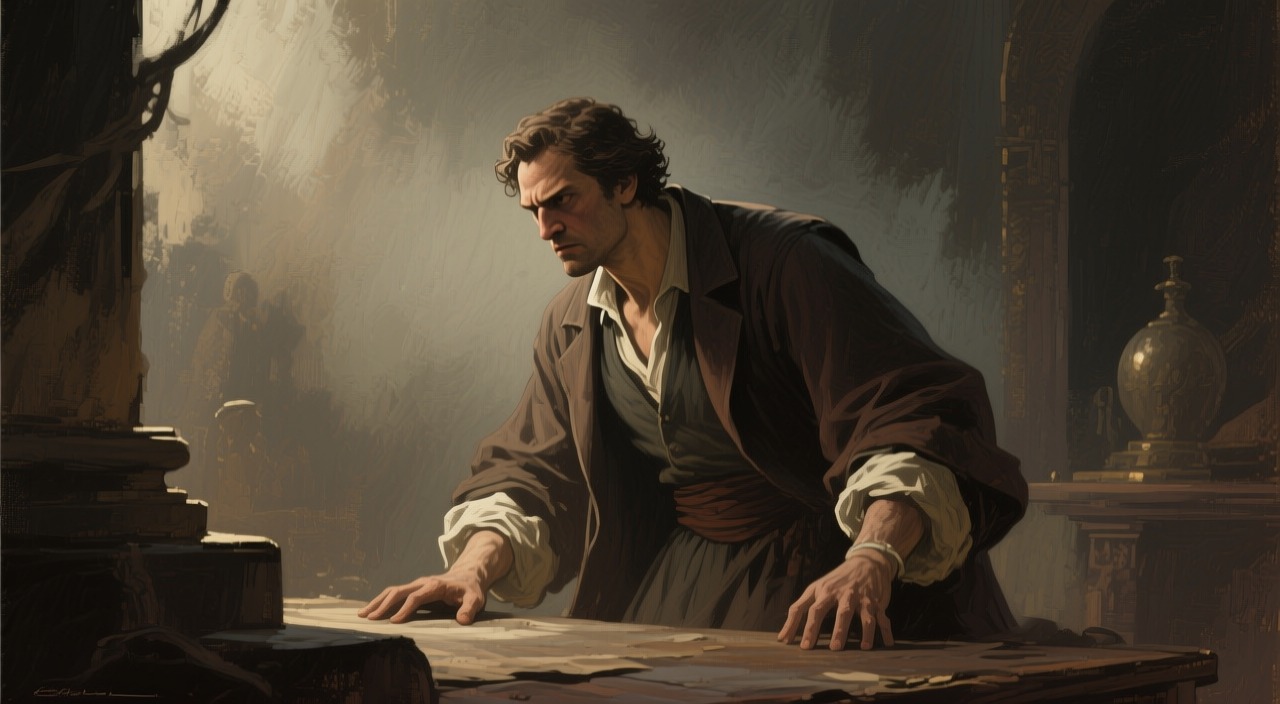
Early Theological Debates
Frex's Teachings
Frex preaches that evil is a punishment from the Unnamed God. Elphaba questions this.
Unionist Sermons
Elphaba reads early unionist sermons that debate the location of evil. She finds them inconclusive.
Elphaba's Skepticism
She begins to doubt that evil is a supernatural force. She sees it as a human construct.
The Clock of the Time Dragon
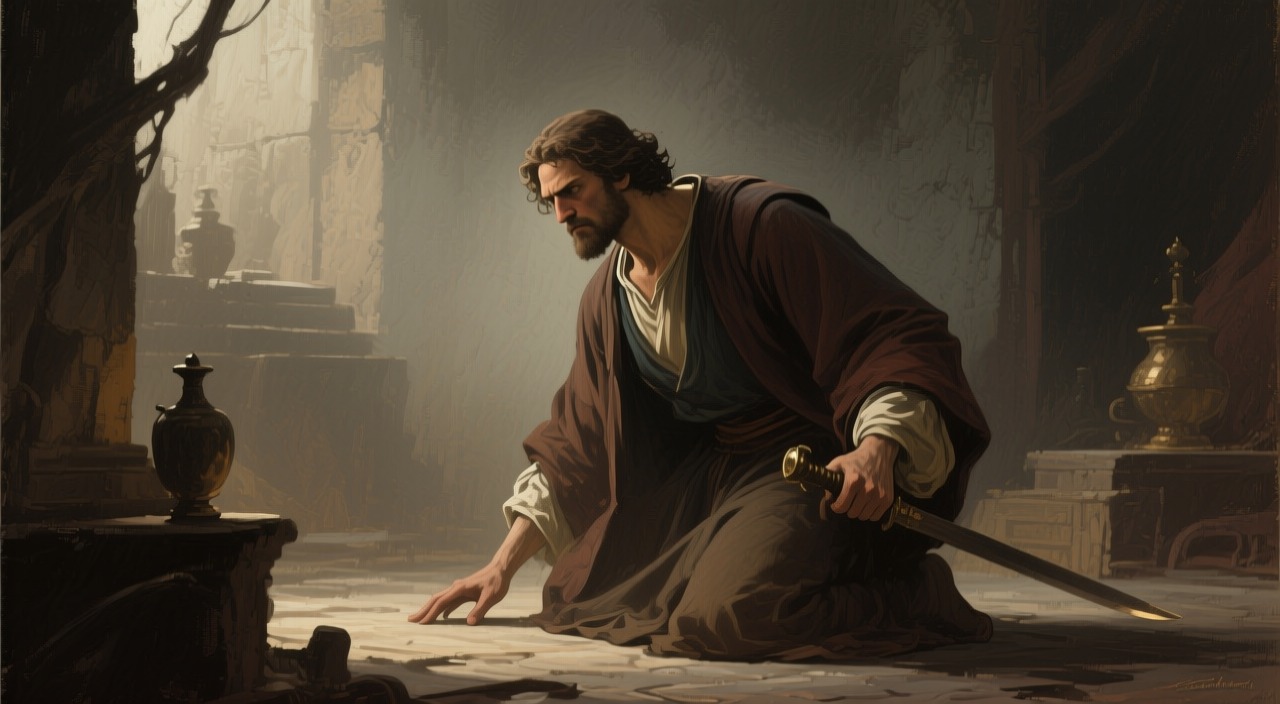
The Clock of the Time Dragon
A Moral Test
The Clock of the Time Dragon exposes the evil in people's hearts. It reveals their secrets and incites violence.
Frex's Failure
Frex tries to fight the Clock with religion, but he fails. The Clock's evil is more powerful.
Elphaba's Observation
Elphaba sees that the Clock is a tool that amplifies existing evil. It does not create it.
Elphaba's Acts of Violence
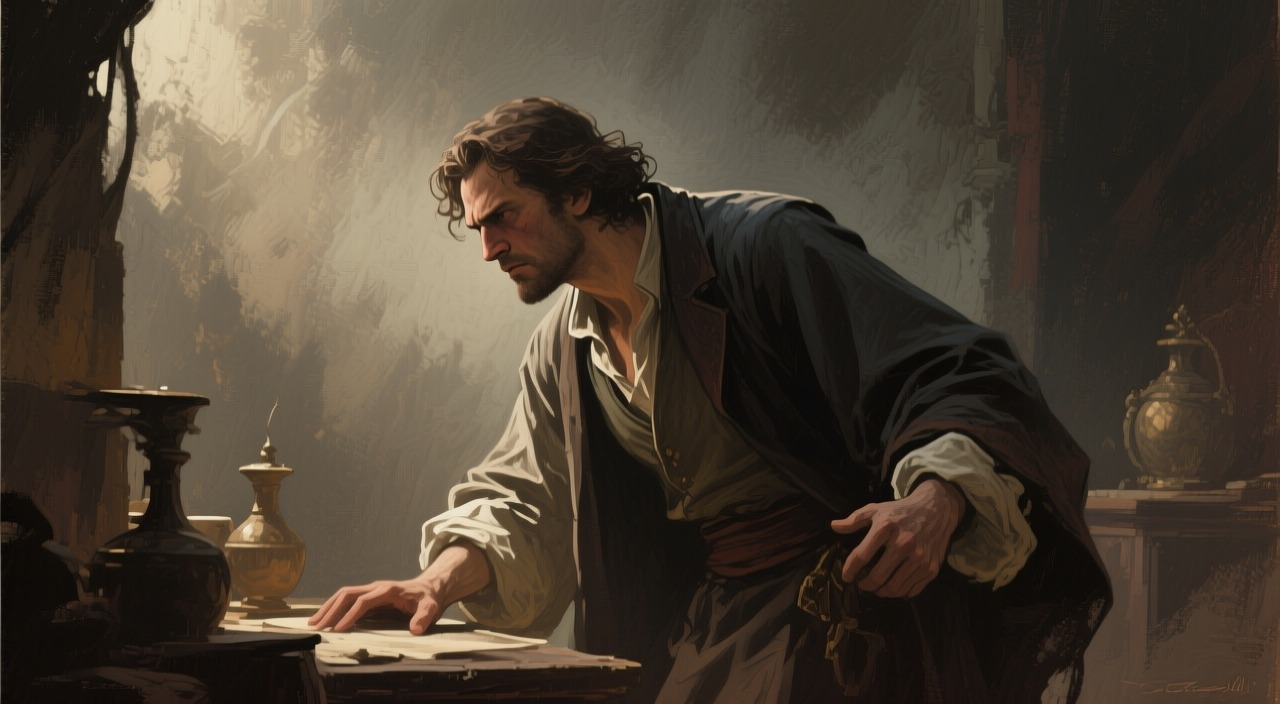
Elphaba's Acts of Violence
The Assassination Attempt
Elphaba tries to kill Madame Morrible. She justifies it as justice.
Killing the Cook
She may have unconsciously caused the bees to kill the cook. This suggests a dark power within her.
Self-Justification
Elphaba struggles to reconcile her actions with her belief that she is not evil. She sees herself as a victim of circumstance.
The Dinner Party Debate
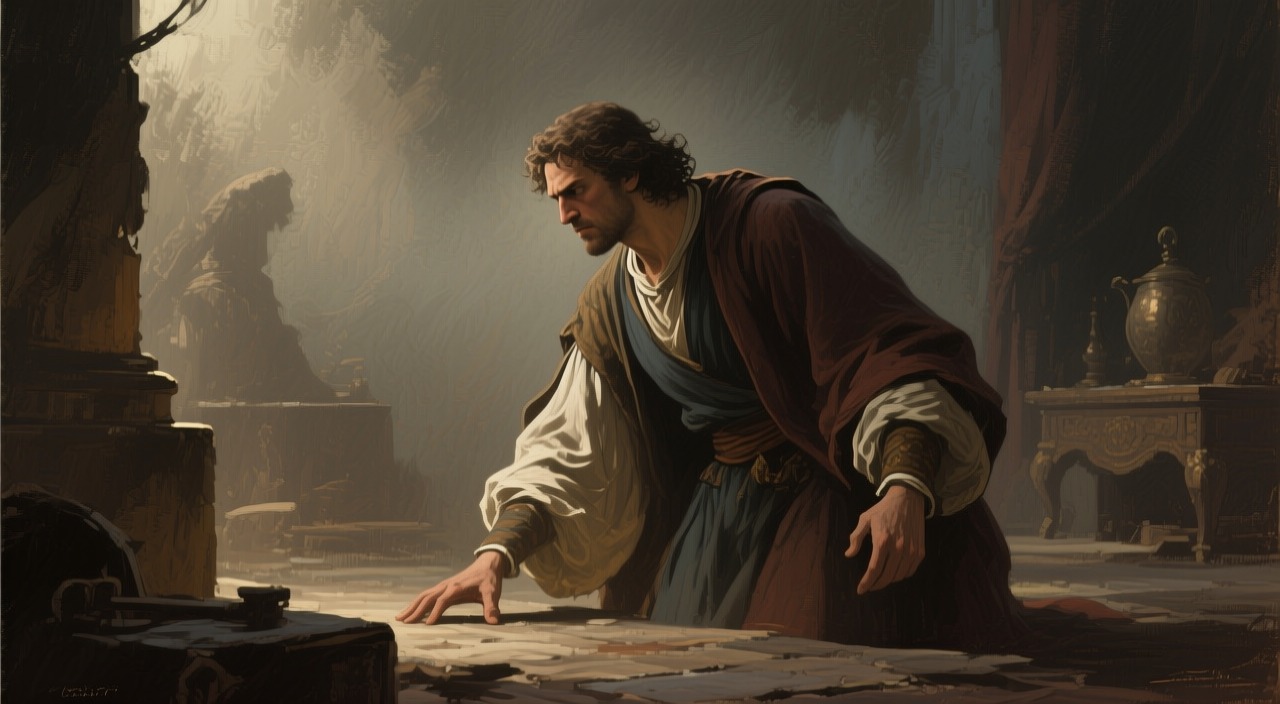
The Dinner Party Debate
Avaric's Guests
Elphaba attends a dinner party where the guests debate the nature of evil. Various theories are proposed.
Elphaba's Contribution
She argues that evil is secret and cannot be fully understood. She claims to have killed Madame Morrible for fun.
The Guests' Reactions
They are both horrified and fascinated. The debate highlights the ambiguity of evil.
Elphaba's Final Thoughts
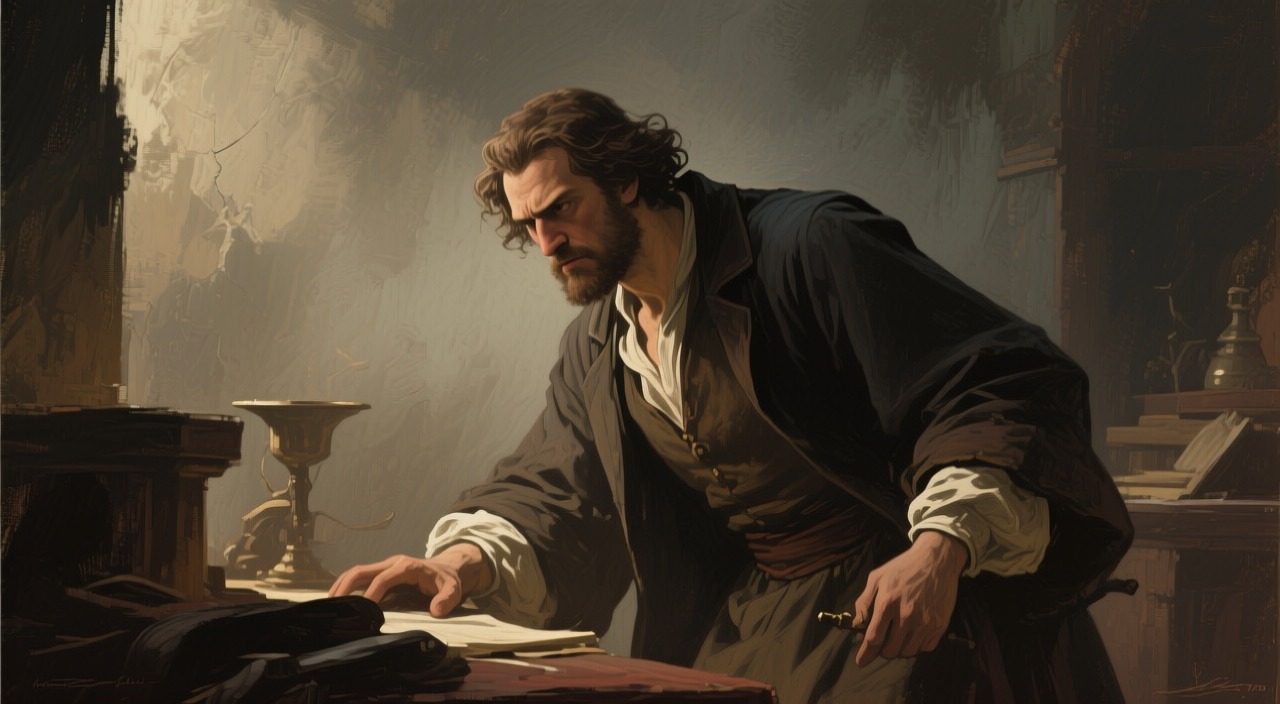
Elphaba's Final Thoughts
A Vision of Faces
As she dies, Elphaba sees the faces of those she has loved and hurt. She questions her own nature.
No Clear Answer
She dies without resolving the question of evil. Her life remains a testament to its complexity.
The Reader's Reflection
The novel leaves the reader to decide: was Elphaba wicked, or was she a product of her environment?
during Elphaba's childhood and Shiz years
during Frex's confrontation
throughout her life
at Avaric's house
during her death scene
