
Read Multilingual Books Without Losing the Story
Stay with the original book, use context before reaching for help, and translate selected text only when meaning breaks down. Readify keeps foreign-language reading centered on the book—not on a separate translation workflow.

Stay in the Original Text for Longer
Readify supports a context-first approach to multilingual books: continue when an unfamiliar word does not block the idea, translate selected text when it does, and then return to the sentence in the book. Selected-text translation is currently documented for the iOS reader; availability can vary by platform and version.

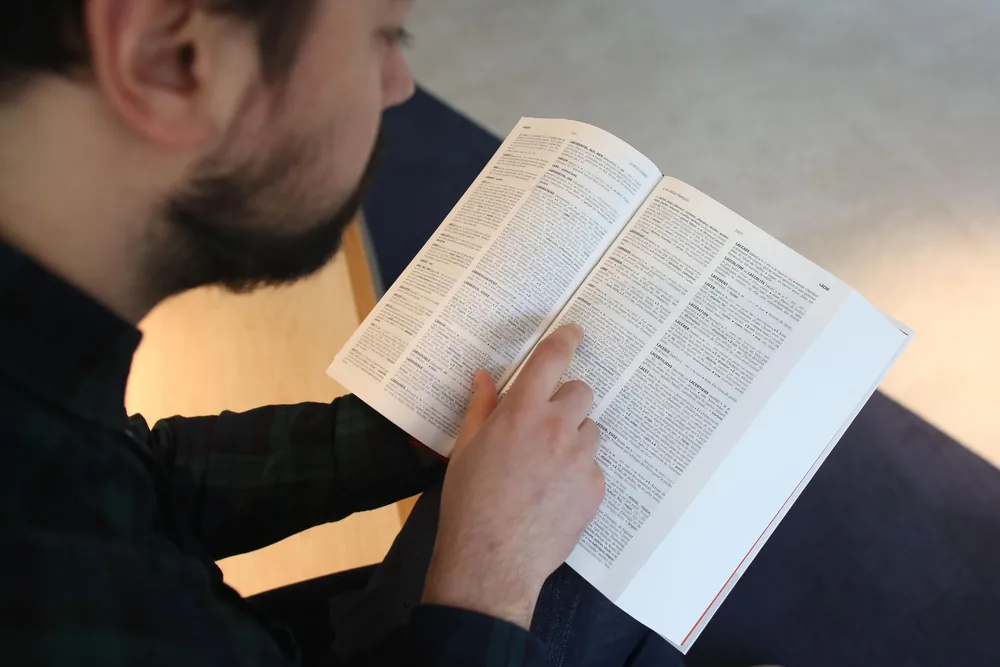
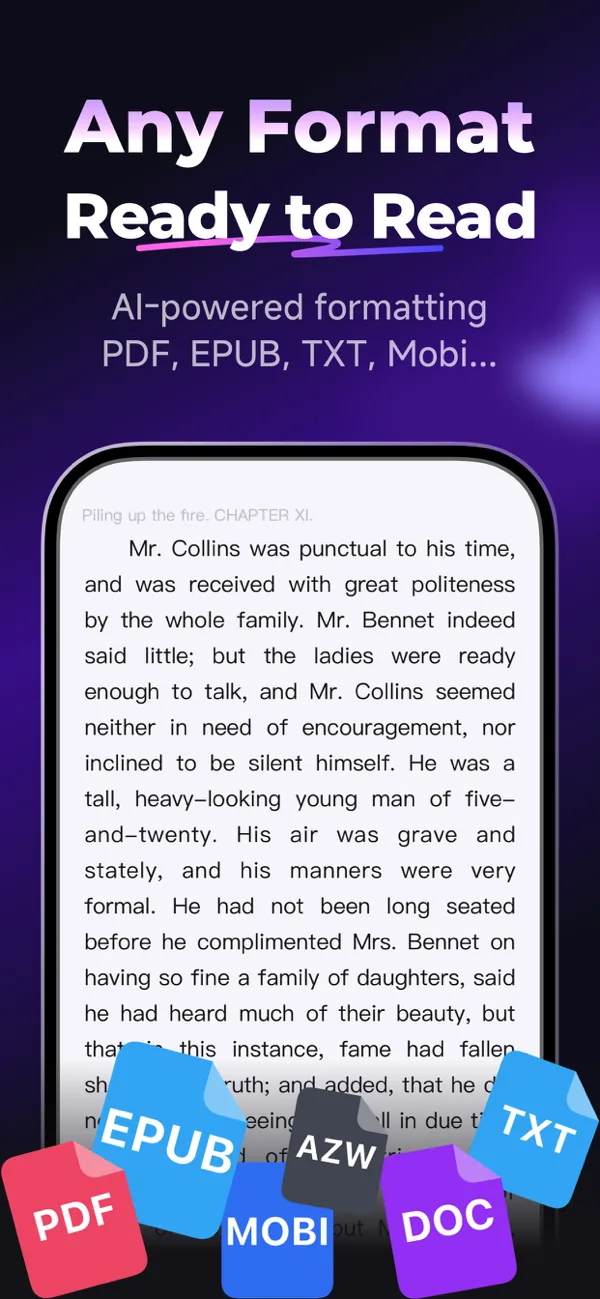
A Context-First Workflow for Reading Books in Another Language
Move from inference to targeted help and back to the original passage in three deliberate steps.
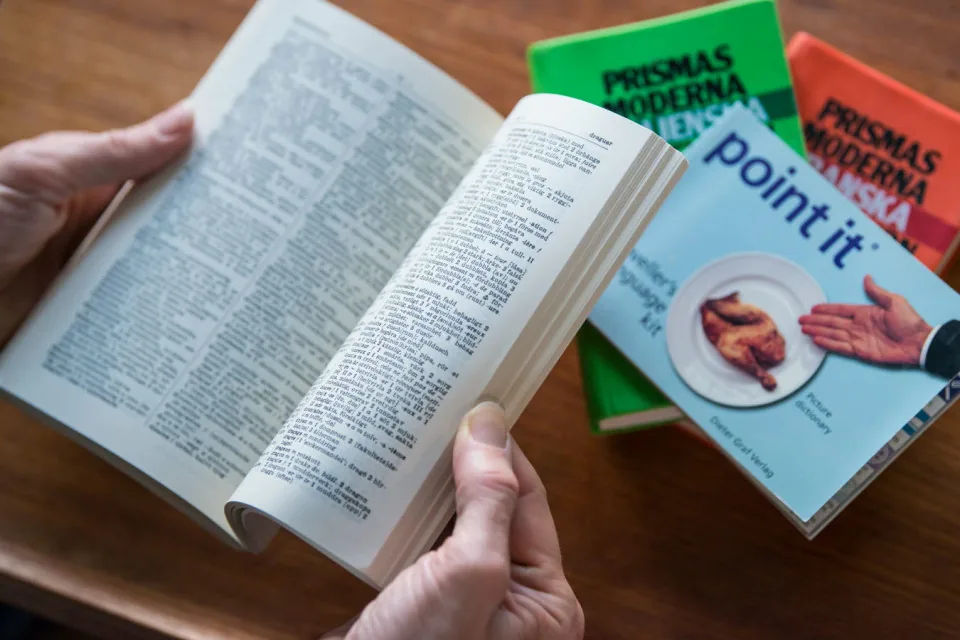


Language Help That Supports the Book—not Replaces It
Bilingual and foreign-language reading works differently from reading a full translation. These habits keep assistance proportional to the difficulty of the passage.

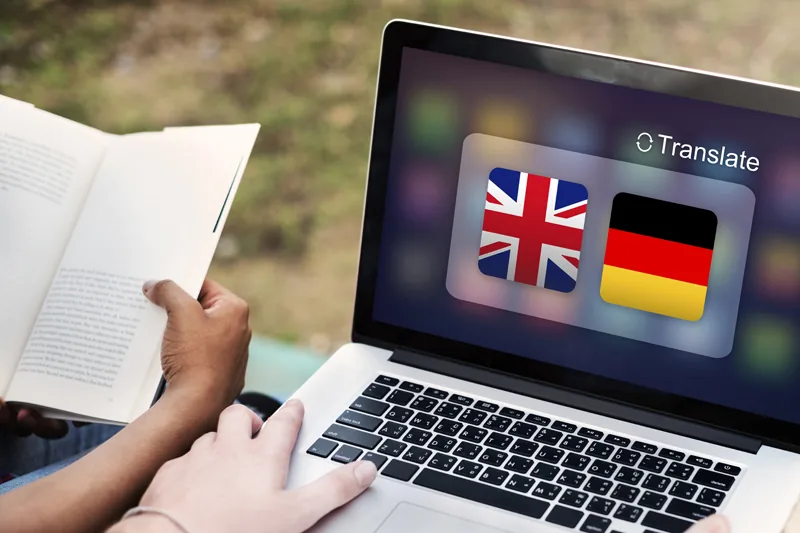

Questions Readers Ask When a Book Is in Another Language
When should I keep reading instead of translating an unfamiliar word?
Keep reading when you can still identify who is doing what, follow the main claim, or understand the emotional direction of the scene. A descriptive adjective, minor object, or repeated detail may become clear from the next sentence. Pause when the word changes an action, relationship, instruction, argument, or important contrast. This keeps foreign-language reading from becoming a chain of dictionary stops while still protecting the meaning that matters.
Should I translate one word, a phrase, or the whole sentence?
Start with the smallest unit that can resolve the problem. Select one word when it carries the missing meaning and its grammar is clear. Include the surrounding phrase for an idiom, phrasal verb, or fixed expression whose meaning cannot be assembled word by word. Translate the full sentence when the vocabulary is familiar but the structure, references, or relationship between clauses remains unclear. Then reread the original sentence before continuing.
Why can a sentence be difficult when I know every word in it?
The difficulty may come from an idiom, omitted information, an unusual word order, a pronoun whose reference appeared earlier, or a contrast spread across several clauses. First reread the sentence with the previous line. If it still does not connect, translate the sentence rather than checking the same familiar words individually. Compare the result with the original to identify the construction that caused the problem, not merely the final English wording.
How can I read a book that feels slightly above my current level?
Choose short, meaningful reading sessions and measure success by following the chapter—not by understanding every word. Familiar genres, clear plots, short chapters, and books you already know in another language reduce the amount of context you must build from scratch. If several sentences on every page require translation, try a more accessible title or edition. Translation should reopen the story at occasional difficult points, not carry the entire reading session.
Is a bilingual edition better than reading the original with selected translation?
They solve different problems. A bilingual or parallel-text book makes comparison continuously available, which can help with poetry, older prose, or early reading. It can also tempt you to read the translation first. Selected translation keeps the original visually dominant and introduces help only at the points you choose. Use the format that lets you follow the book while still spending most of the session reading the target-language text.
What should I do when a translation sounds too literal or does not fit the scene?
Treat the translation as a clue rather than unquestionable authority. Expand the selection to include the full phrase or sentence, reread the lines before and after it, and check whether a pronoun, idiom, name, or technical term was interpreted incorrectly. For an important passage, compare a learner's dictionary or another reliable reference. Keep the interpretation that best fits the grammar and the surrounding text instead of forcing an isolated translation into the story.
How can I build vocabulary without looking up every unfamiliar word?
Prioritize words that recur, control the meaning of the passage, or appear useful beyond this book. After checking one, reread the complete sentence and notice what words commonly appear beside it. You do not need to save every result during the first pass. A short review of a few high-value words after the chapter preserves the reading flow better than turning each page into a vocabulary list.
Can Readify translate selected text while I read?
The current Readify iOS version documents translation for selected text, including selected words or sentences. This supports a read-select-check-return workflow without promising automatic translation of the entire book. Translation availability and behavior may differ on Android, Web, or other versions, so confirm the controls in the reader and version you are using.
Does selected-text translation replace a learner's dictionary?
Not completely. A quick translation can restore the immediate meaning of a sentence, but a learner's dictionary may provide pronunciation, part of speech, usage labels, multiple senses, collocations, and example sentences. A separate dictionary-definition feature is not confirmed in the current Readify product record. Use selected translation for immediate reading support and a dictionary when the exact use of a recurring or important word deserves closer study.
Will Readify translate an entire multilingual book for me?
This page does not promise whole-book translation, and that is not the recommended reading method here. Begin with the original text, infer what you can from context, select only the word, phrase, or sentence that blocks understanding, and then return to the book. Readers who need a fully translated edition should use an authorized published translation rather than treating selected-text assistance as a replacement for one.
Is Readify a complete foreign-language course?
No. Readify is a reading and listening tool rather than a structured curriculum with lessons, assessment, speaking feedback, or guaranteed progression. It can make reading books in another language less disruptive by keeping the source text available and offering targeted assistance where supported. Use it alongside whatever grammar, conversation, or formal study your goals require; the page does not promise fluency or a fixed learning outcome.