
Give Every Text the Tone It Deserves
Choose expressive AI voices that bring more natural rhythm, emphasis, and personality to supported text. Preview different options, match the voice to the material, and adjust the reading speed before you listen.

A Different Voice for a Different Kind of Text
The most useful tone depends on whether you are following a story, reviewing a script, or listening for information.




Find an Expressive AI Voice in Three Steps
Start with the text, compare short samples, and choose the combination of voice and speed that serves the reading.

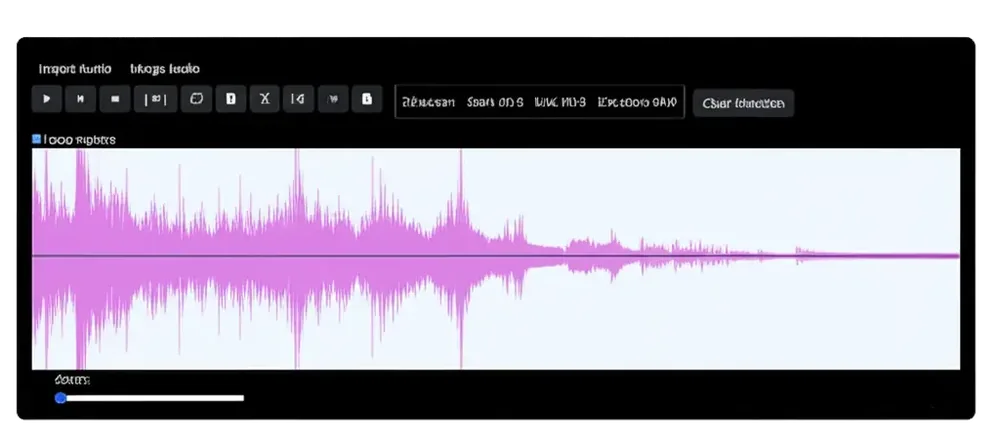

Why Expressive Text to Speech Feels Different
Expression should support the text rather than distract from it, preserving clarity while making the delivery feel less mechanical.




Expressive Voices: Frequently Asked Questions
What are expressive AI voices?
Expressive AI voices are text-to-speech voices designed to use more varied rhythm, emphasis, and intonation than a flat synthetic reading. Results can still vary by voice and text.
How are expressive voices different from natural AI voices?
Natural voices focus broadly on realistic speech, while expressive voices emphasize delivery choices such as energy, cadence, and vocal variation. The categories can overlap.
What content works well with expressive text to speech?
Stories, scripts, essays, newsletters, personal writing, and other text where tone and pacing affect the listening experience can work well.
Can I preview expressive voices before listening?
Yes. Preview available voices with a short sample and compare how their tone and cadence suit your text.
Can I change the reading speed?
Yes. Adjust playback speed independently, since a voice that sounds natural at one pace may feel different when slowed down or accelerated.
Do expressive voices change the original text?
No. Expressive narration changes how supported text is spoken, while the original written source remains available.