
Learn Languages by Reading and Listening
Turn stories, articles, lesson notes, and PDFs into natural audio in your target language. Use English and Spanish as practical examples—or apply the same read-and-listen routine to French, German, Italian, Portuguese, Japanese, and other supported languages.
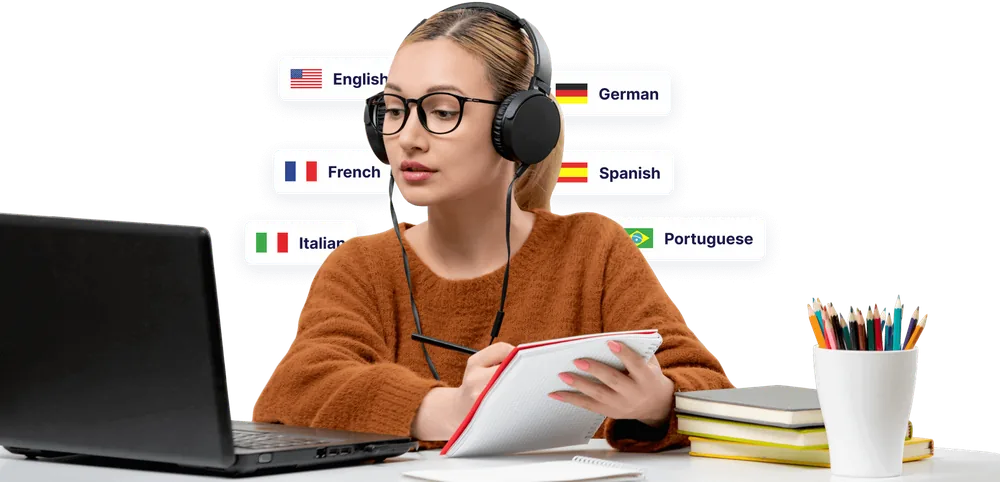
Build Language Practice from the Content Around You
The best language learning apps support different parts of the process. Readify adds a flexible listening layer to material you already want to understand, from beginner stories to course readings and real-world articles.


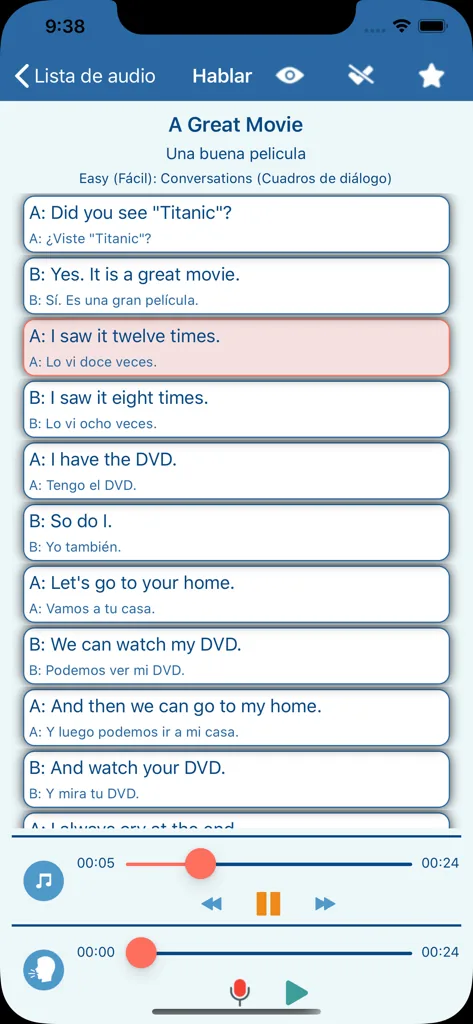
From Language Text to Audio Practice in Three Steps
Keep the workflow consistent across languages, then adjust the material and playback speed to match your current level.


Listening Strategies for Vocabulary and Speaking
Language progress comes from connecting sound, meaning, context, and retrieval. These strategies work across languages even when their writing systems, grammar, or pronunciation differ.
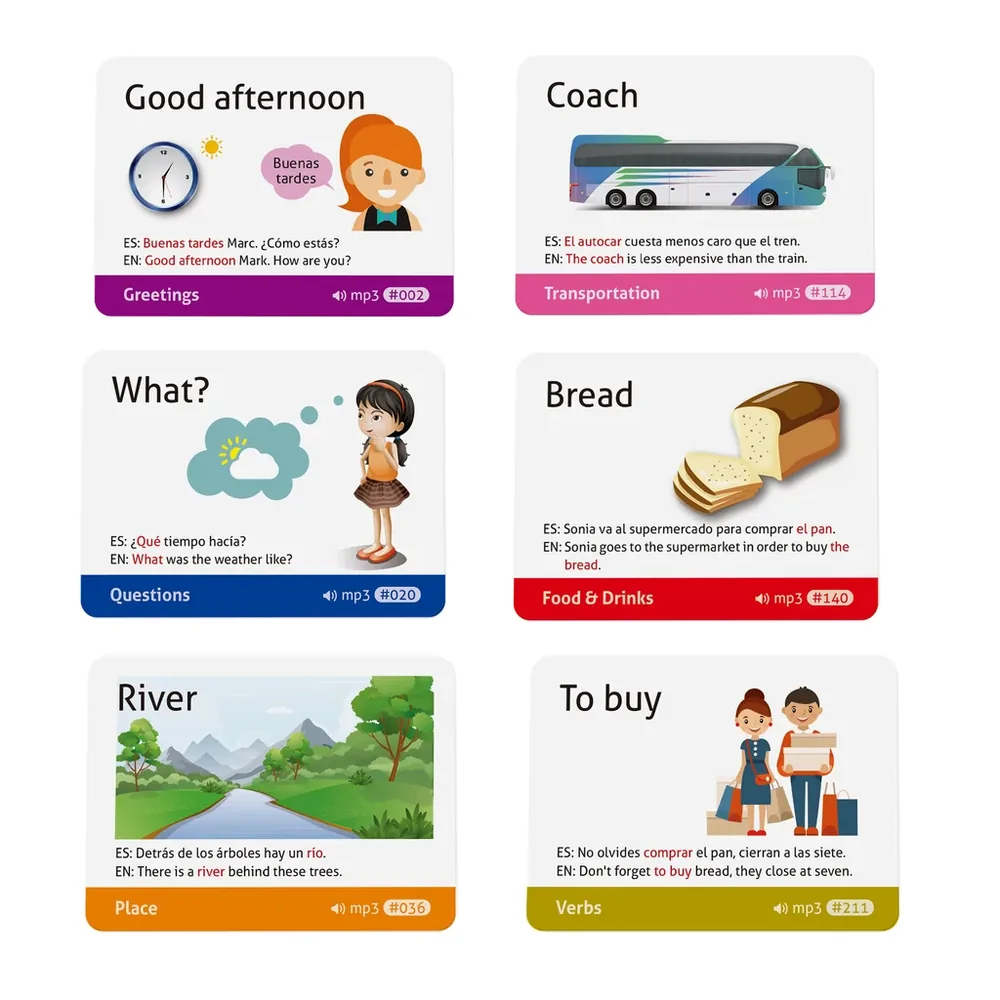


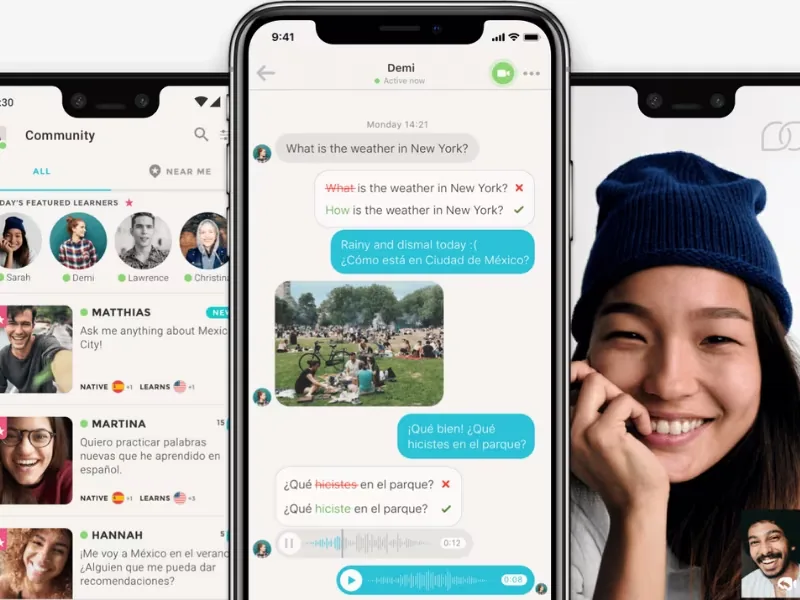
A Read-and-Listen Experience for Language Learners
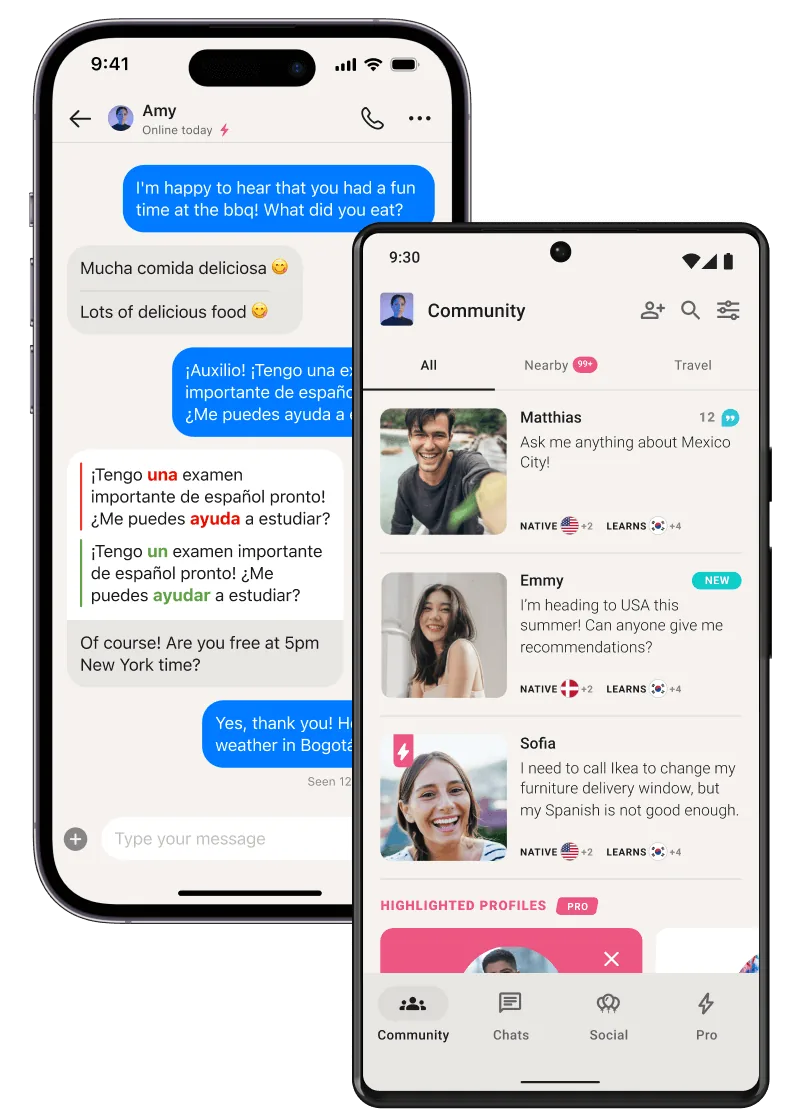
Readify complements course apps and language exchange tools by turning the material you choose into adjustable audio with a visible source text.

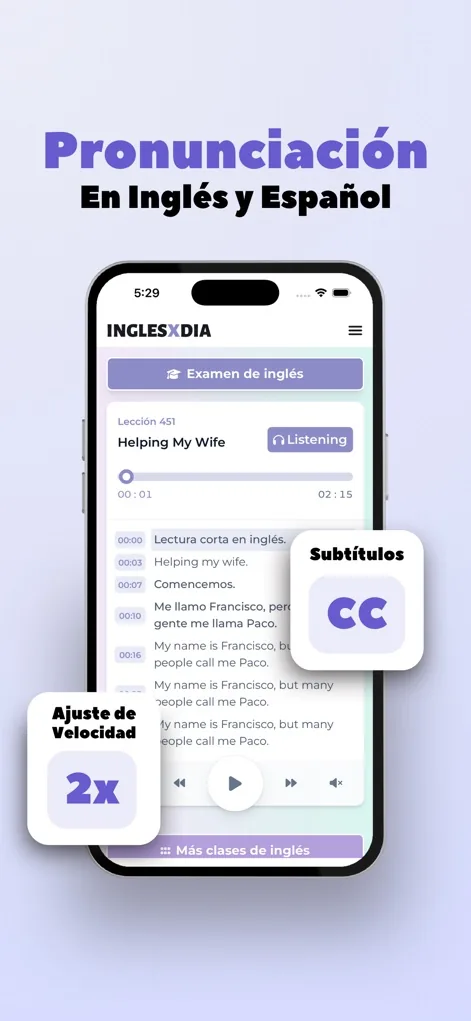


Frequently Asked Questions About Language Learning
Can Readify help me learn languages other than English and Spanish?
Yes. English and Spanish are examples on this page, but the same listening, synchronized reading, repetition, vocabulary, and shadowing workflow can support many other languages available in Readify.
Is Readify one of the best language learning apps?
Readify is best understood as a flexible reading and listening tool rather than a complete preset language course. It complements course apps by converting the material you choose into adjustable target-language audio.
What is the difference between Readify and language exchange apps?
Readify supports input, listening, read-along practice, and repetition. Language exchange apps connect you with people for real conversation. Using both can connect prepared language input with spontaneous communication.
How can I learn English fast with listening?
Choose understandable English material, follow the text while listening, repeat useful sentences, and recall the meaning after each short section. Consistent practice is more reliable than promising instant fluency.
How can I learn Spanish fast?
Use comprehensible Spanish stories, dialogues, notes, and articles. Slow down unfamiliar passages, collect phrases in context, repeat them aloud, and use conversation practice to retrieve them naturally.
What are the best ways to learn vocabulary?
Learn words in meaningful sentences, hear them repeatedly, retrieve their meaning without looking, and reuse them in speech or writing. Spaced review and varied contexts make vocabulary more durable.
How should I practice Spanish speaking at home?
Listen to a short Spanish passage, follow the transcript, repeat one sentence at a time, and then shadow the speaker. Retell the passage and bring the topic into a real conversation when possible.
Do the hardest languages to learn require different methods?
Language distance, writing systems, pronunciation, and available resources affect difficulty. The balance may change, but comprehensible input, listening, contextual vocabulary, repetition, feedback, and regular use remain broadly helpful.