
Blanche's Arrival and Descent
A Streetcar Named DesireBlanche DuBois arrives in New Orleans seeking refuge, but her fragile illusions and hidden past lead to a devastating confrontation with reality.
increasing Bearing strength in each event
 decreasing
Bearing strength in each eventdecreasingBlanche's Arrival at Elysian Fields
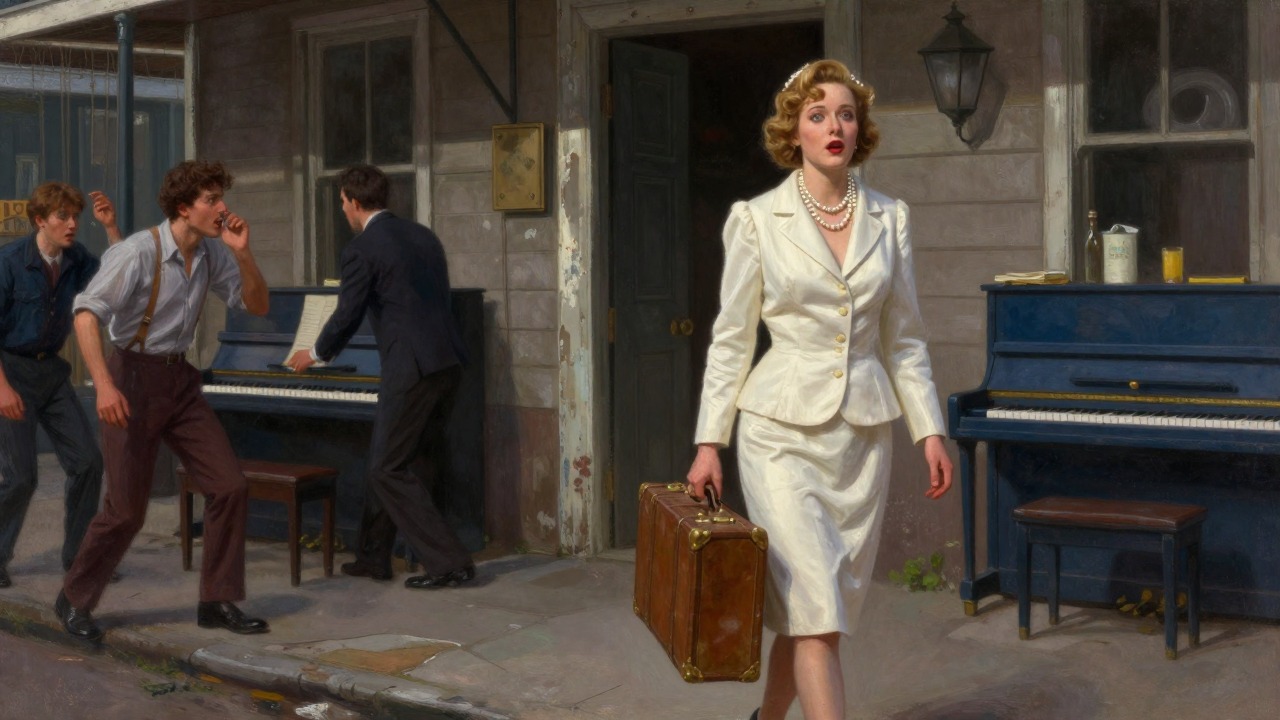
Blanche DuBois Steps into a New World
A Shocking Contrast
Blanche DuBois arrives at the corner of Elysian Fields in New Orleans, a valise in hand, her white suit and pearls incongruous against the weathered tenement and the raucous sounds of the "blue piano" from the nearby bar. She is visibly disoriented, having taken the streetcar named Desire and then transferred to one called Cemeteries, a journey that mirrors her own trajectory from illusion toward death. The sight of her sister Stella's humble dwelling fills her with disbelief, a reaction that sets the tone for her entire stay—a clash between the faded gentility of Belle Reve and the raw vitality of the French Quarter.
The First Encounter with Stanley
When Stanley Kowalski returns from bowling, his animal magnetism and blunt manner immediately unsettle Blanche. He strips off his shirt, sizes her up with a crude, sexual gaze, and questions her about her past. The polka music, the Varsouviana, begins to play faintly in her mind, a haunting prelude to the memories that will soon consume her. Though she tries to maintain a facade of refinement, her trembling hands and the quick sips of whiskey betray her inner panic. She already senses that Stanley is a threat, yet she is trapped by her own circumstances—no money, no job, and nowhere else to go.
Blanche's Confession of Lost Belle Reve
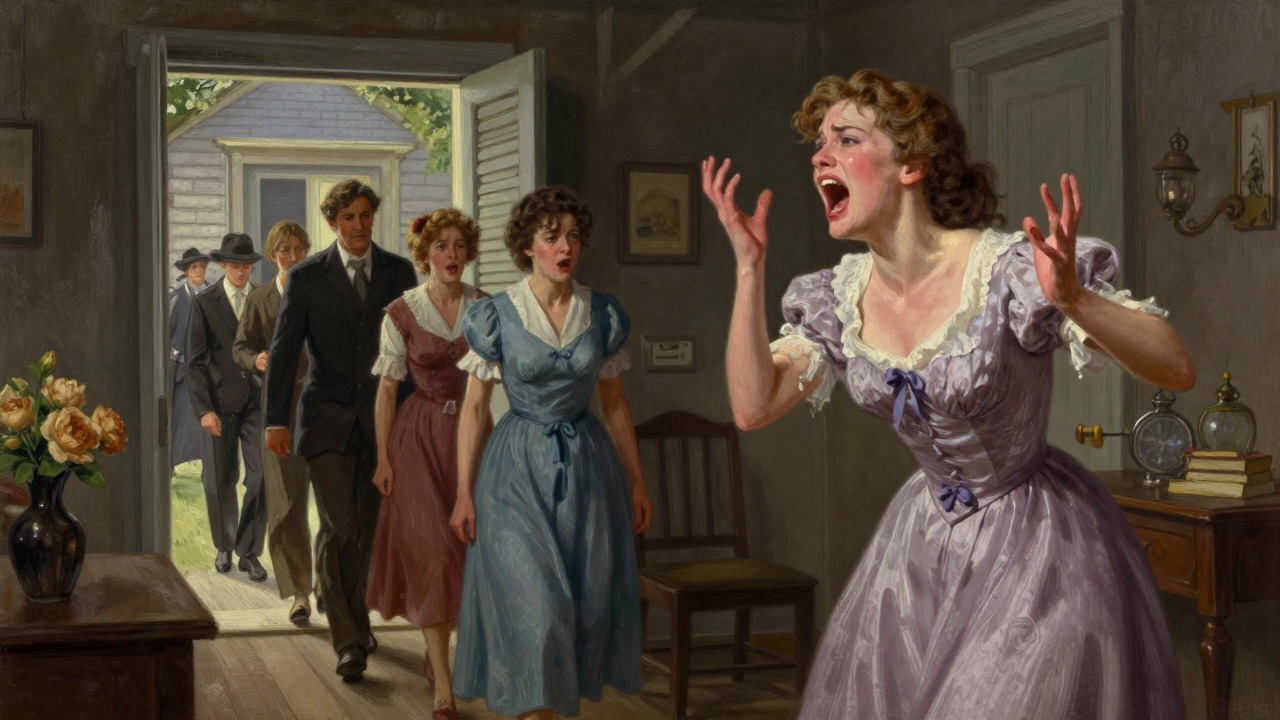
The Weight of the Past
A Hysterical Outburst
As Stella returns to the flat, Blanche explodes in a torrent of accusations and grief, confessing that Belle Reve, the family plantation, has been lost. She describes the long parade of deaths—father, mother, Margaret, Cousin Jessie—and the crushing expenses of funerals that bled the estate dry. Her voice rises to a fever pitch as she reproaches Stella for abandoning Belle Reve, while she herself stayed and fought. The blue piano music swells, underscoring the melodrama of her tale. Meanwhile, Stanley listens from the kitchen, already suspicious of her story and the missing property.
The First Cracks in the Story
Blanche's account is vivid but incomplete. She speaks of mortgages and loans, but Stanley's pragmatic mind fixes on the possibility of swindle. His question about the Napoleonic code—a Louisiana law that entitles a husband to his wife's property—signals his determination to get to the bottom of the matter. Blanche, however, is too exhausted and too terrified to offer a coherent explanation. She seeks refuge in flattery and flirtation, attempting to disarm Stanley with a charm that falters under his relentless gaze. This scene plants the seeds of the conflict that will ultimately destroy her.
Blanche's Romance with Mitch Begins
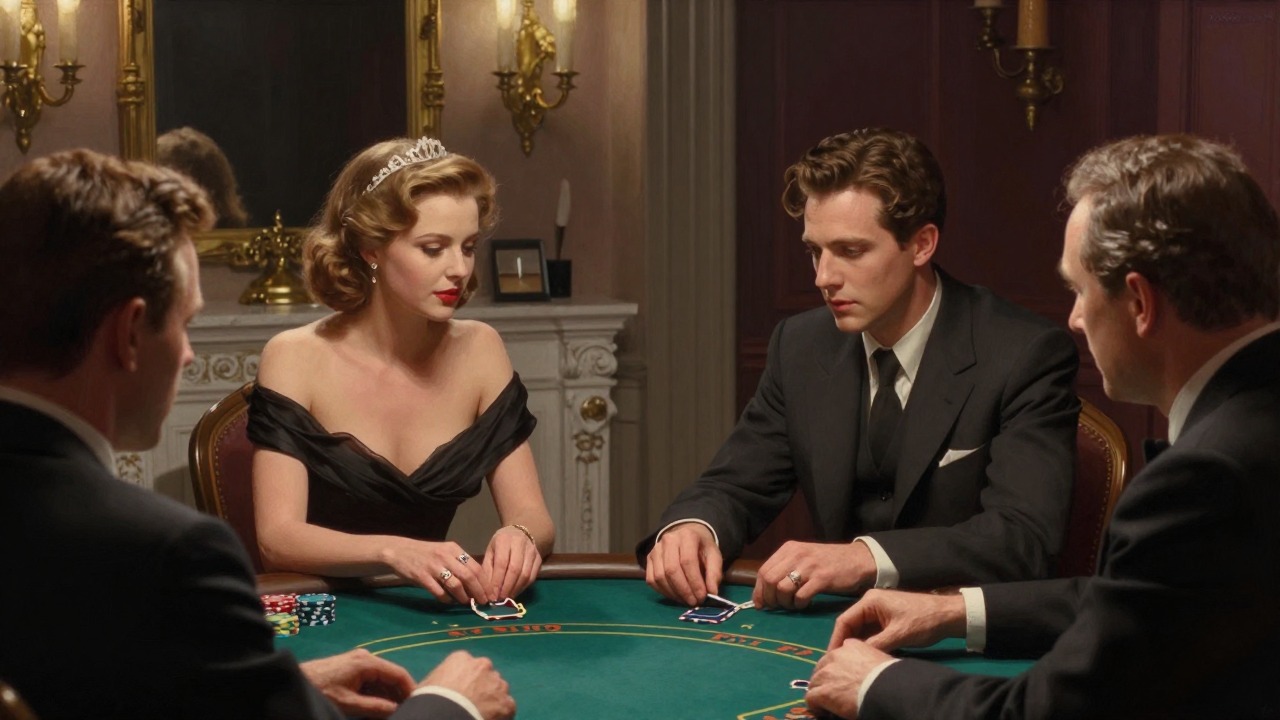
A Glimmer of Hope
An Unexpected Connection
During the poker night, Blanche first meets Harold Mitchell (Mitch), a shy, sensitive man who stands out among the coarse players. She notices his gentle demeanor and his care for his sick mother. When Mitch emerges from the bathroom, they strike up a conversation about poetry and the silver cigarette case inscribed with a line from Elizabeth Barrett Browning. Blanche finds in him a potential rescuer, a man who might offer her the security and respect she craves. She immediately begins to craft a persona for him: the refined, old-fashioned schoolteacher, untouched by scandal.
Building a False Idyll
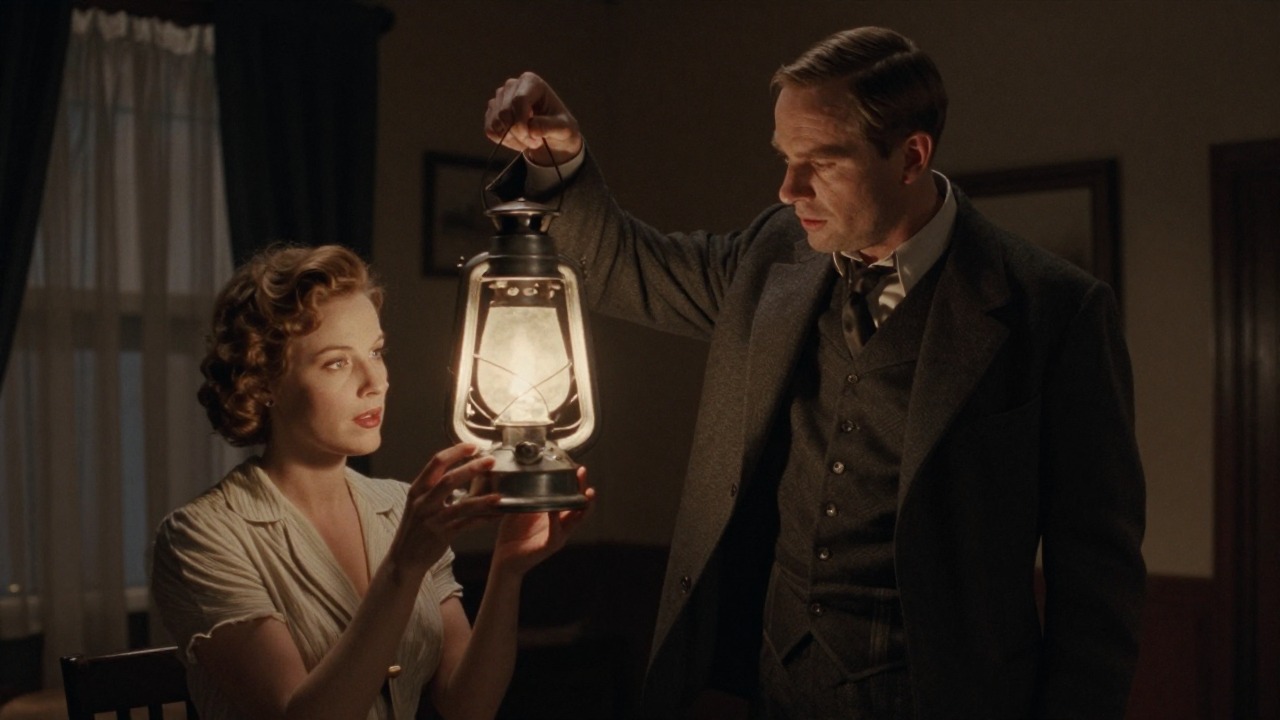
Blanche and Mitch share a tentative intimacy, with Blanche speaking of her love for literature and her fragile nerves. She asks him to put a paper lantern over the bare light bulb, a symbolic act of softening the harsh truth. For Mitch, Blanche represents a world of grace and culture that he longs to enter. He is captivated by her apparent fragility and her stories of Southern aristocracy. Yet the foundation of their relationship is built on lies—Blanche's age, her past, and her true nature. This fragile construct cannot withstand the revelations that Stanley will soon unleash.
Stanley Exposes Blanche's Past
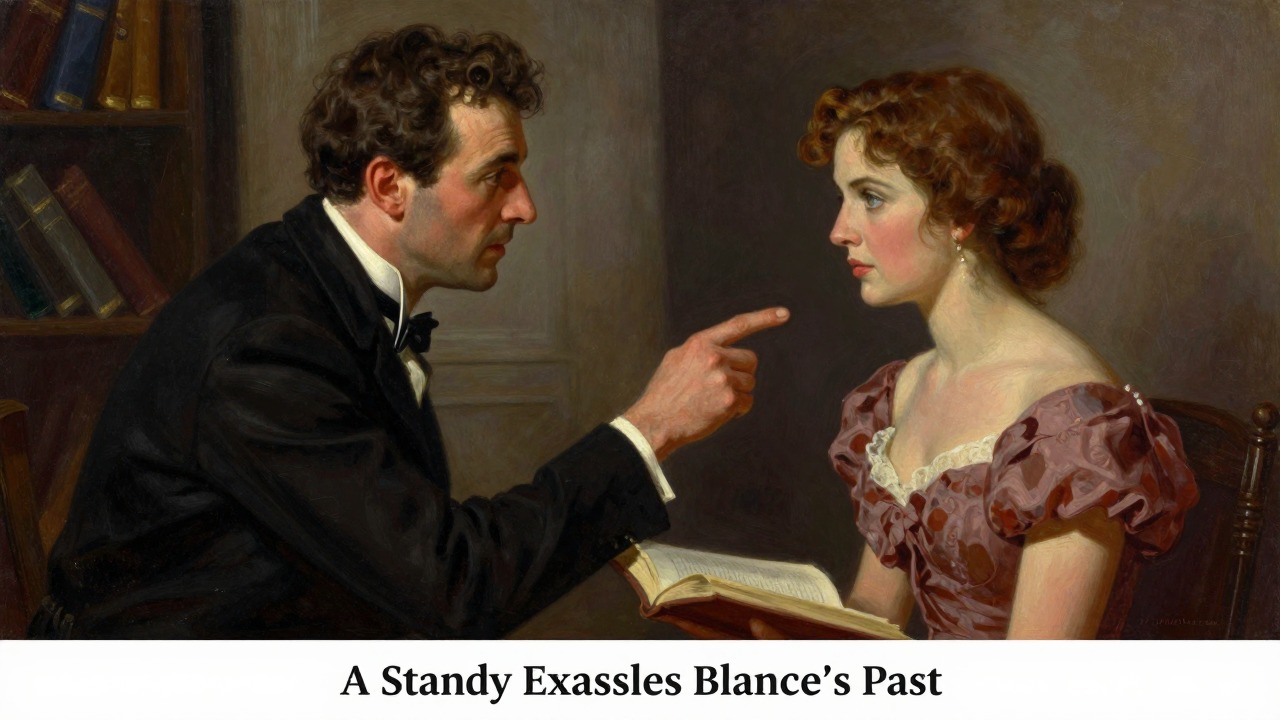
The Destruction of Illusion
Stanley's Investigation
Stanley, having gathered information from his supply-man and others in Laurel, confronts Stella with the truth about Blanche. He reveals that Blanche stayed at the Flamingo Hotel, a disreputable establishment, and that she was asked to leave because of her promiscuity. Worse, she was fired from her teaching job for having an affair with a seventeen-year-old student. As Stanley enumerates these lies, Blanche sings happily in the bathroom, unaware that her world is collapsing. Stella, though horrified, is forced to confront the reality of her sister's behavior.
The Bus Ticket
Stanley, determined to rid his home of Blanche, buys her a one-way bus ticket back to Laurel. He presents it to her at her birthday supper, a cruel gift that shatters her composure. The Varsouviana music plays in her mind as she staggers into the bathroom, gagging. This moment marks the point of no return: Blanche's last hope of a respectable life with Mitch evaporates, and she is left with only her fantasies to sustain her. Stella, torn between loyalty to her sister and her marriage, is paralyzed by the revelation.
Mitch Confronts Blanche
The Last Illusion Shattered
The Truth in the Light
Mitch arrives at the flat, unshaven and drunk, having learned the truth about Blanche from Stanley. He tears the paper lantern off the light bulb and demands to see her in the harsh light. For the first time, he sees her face without the softening veil of dim light, and the illusion of her youth and purity evaporates. He accuses her of lying about everything—her age, her past, her morals. Blanche, cornered, delivers a passionate defense of her need for magic, for the beautiful lie that makes life bearable. But Mitch is unmoved.
The Final Rejection
Mitch tells Blanche that she is "not clean enough to bring in the house with my mother." This rejection is the cruelest blow, as Mitch was her last hope for escape. In desperation, she tries to win him back, but he leaves after she screams "Fire!" to drive him away. Alone, Blanche begins to drink heavily and dresses in her old Mardi Gras finery, retreating into a fantasy world where she is a Southern belle courted by millionaires. The stage is set for her final confrontation with Stanley.
Stanley Rapes Blanche
The Ultimate Violation
A Night of Terror
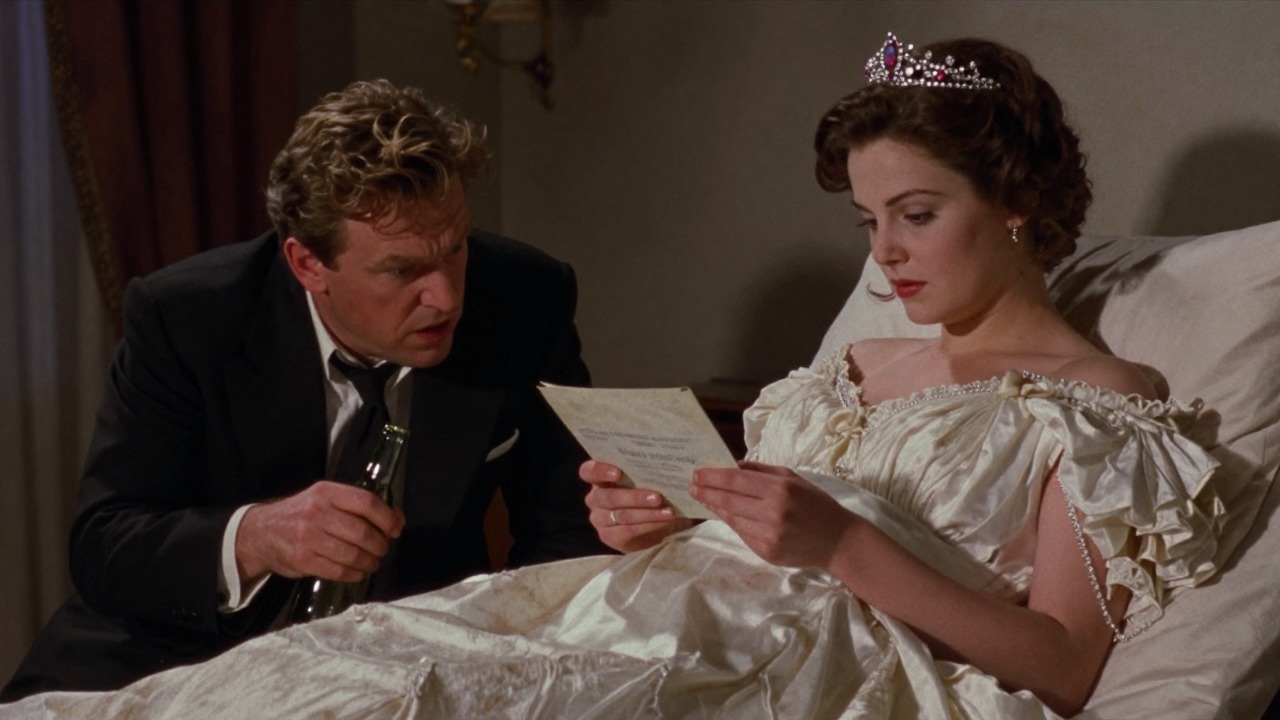
After Stella is taken to the hospital to give birth, Stanley returns to the flat, drunk and aggressive. Blanche, dressed in a soiled white evening gown and rhinestone tiara, pretends to receive a telegram from a millionaire admirer, Shep Huntleigh, inviting her on a Caribbean cruise. Stanley sees through her lies and mocks her mercilessly. The atmosphere grows increasingly menacing as the blue piano music swells and jungle-like shadows close in. Blanche tries to phone for help, but Stanley cuts her off. He corners her, and despite her desperate attempts to fight him off with a broken bottle, he overpowers and rapes her.
The Aftermath of the Assault
The rape is the final act of destruction. It shatters what remains of Blanche's sanity. In the weeks that follow, she loses all grip on reality, retreating into a world of delusion. Stanley, meanwhile, feels no remorse; he has asserted his dominance and eliminated the threat to his marriage. The rape is not just a physical act but a symbolic triumph of brute force over illusion, of the new America over the old South. It is the play's darkest moment, and it seals Blanche's tragic fate.
Blanche's Departure to the Institution
The Kindness of Strangers
The Final Scene
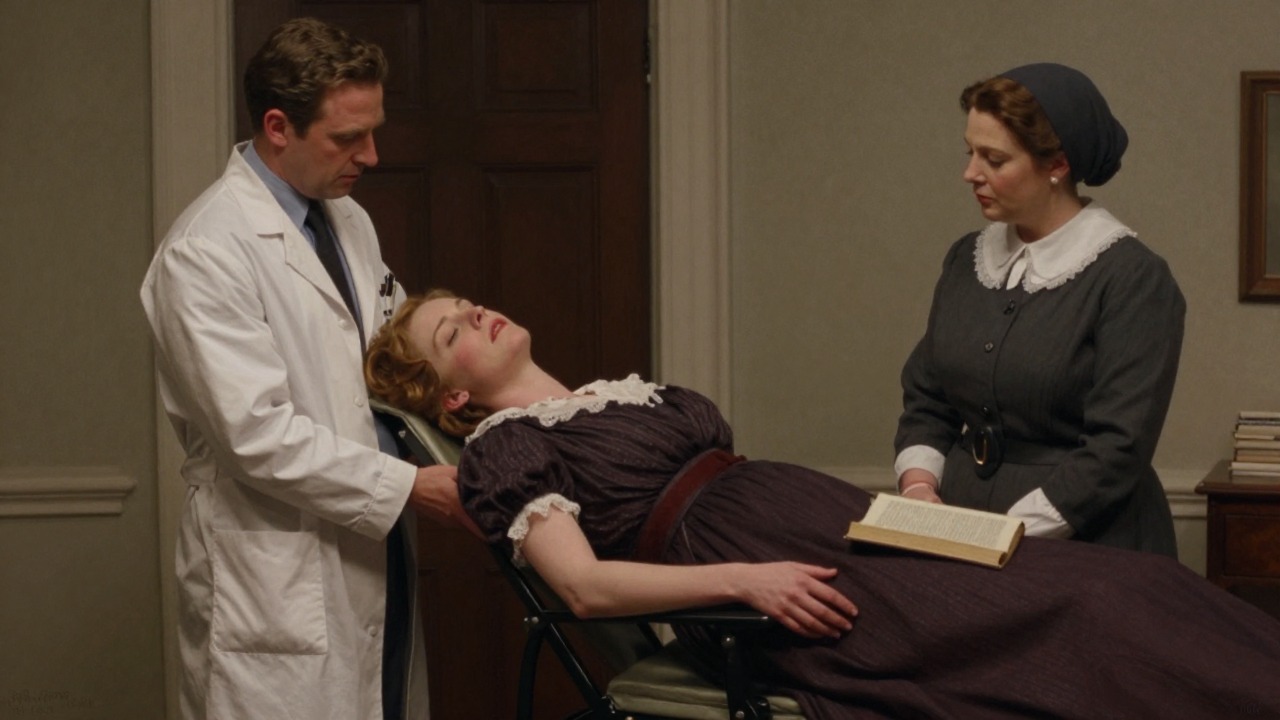
In the play's closing scene, Blanche is being taken away by a doctor and a matron from a state institution. Stella, now a mother, has chosen to believe Stanley's version of events, unable to accept her sister's accusation of rape. Blanche, lost in her delusions, dresses carefully and asks for her jewelry, believing she is going on a cruise. She emerges from the bedroom in a state of tragic radiance, the Varsouviana playing in her mind. When she sees the doctor, she is initially terrified, but his gentle manner calms her.
The Iconic Line
As the doctor leads her out, Blanche speaks her final line: "Whoever you are—I have always depended on the kindness of strangers." This line encapsulates her entire life: a search for protection and love from those who ultimately cannot save her. The poker players, including a guilt-ridden Mitch, watch in silence. Stella sobs on the steps, but Stanley kneels beside her, his hand finding the opening of her blouse, a gesture that signals the restoration of their sensual bond. The blue piano plays as the curtain falls, leaving the audience with the haunting image of Blanche's fragile figure disappearing into the unknown.
early May, evening
first night, after Stella's return
poker night, later that week
mid-September, late afternoon
later that evening
late that night, after Stella's departure to hospital
some weeks later, late summer
