
Eunice's Pragmatic Survival
A Streetcar Named DesireEunice Hubbell, the upstairs neighbor, represents the practical wisdom of enduring hardship, accepting violence as part of life, and finding joy in simple pleasures.
increasing Bearing strength in each event
 decreasing
Bearing strength in each eventdecreasingEunice as a Neighbor
A Welcoming Presence
The First Contact
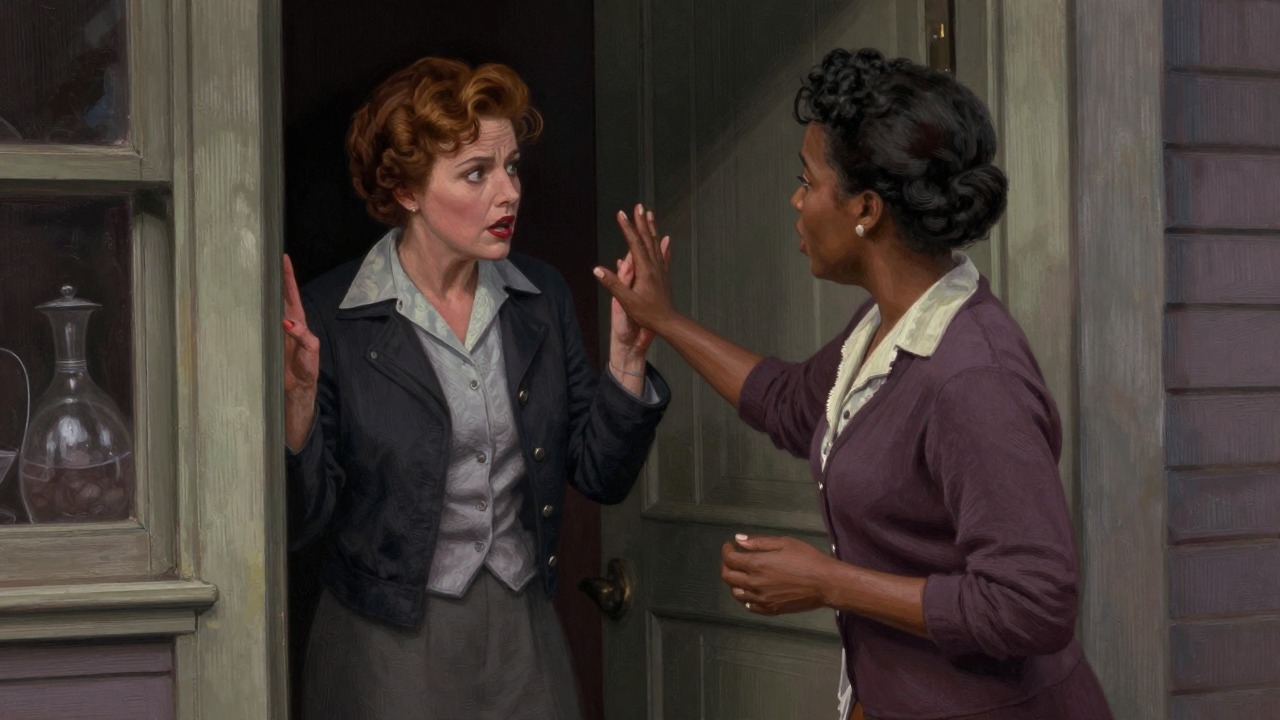
Eunice is the first person Blanche meets in New Orleans. She is friendly, offering to let Blanche into the apartment and showing her around. Her easygoing manner and her acceptance of the neighborhood's roughness contrast with Blanche's shock. Eunice is a woman of the streets, practical and unpretentious. She knows the value of a good drink and a quick reconciliation.
The Voice of Experience
Eunice's own marriage to Steve is a mirror of the Kowalski's, but she handles it with more humor and less drama. When Steve cheats on her, she screams and threatens to call the police, but she soon takes him back. She advises Stella to do the same, because life must go on. Eunice's philosophy is that of the survivor: accept the bad with the good, and don't let tragedy destroy you. She is the play's voice of the community, a woman who has learned to live with the darkness.
Eunice Comforts Stella at the End
The Consoler's Role
A Sister's Advice
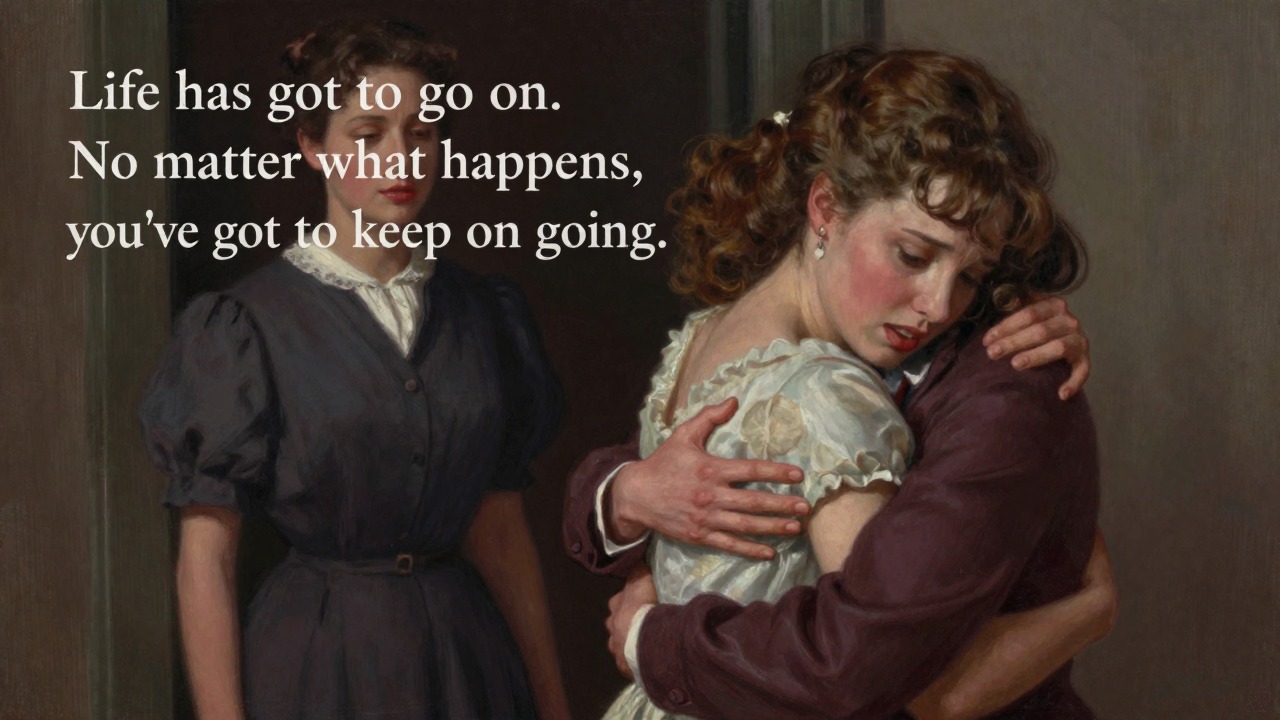
As Blanche is being taken away, Stella is in anguish. Eunice takes her in her arms and tells her she did the right thing. She says, "Life has got to go on. No matter what happens, you've got to keep on going." This is not a moral judgment but a practical one. Eunice knows that the alternative—believing Blanche and leaving Stanley—would be worse for Stella.
The Wisdom of the Quarter
Eunice's final words sum up the ethos of the French Quarter: survival at any cost. She is not a bad person, but she is a product of her environment. She has learned that love and violence are intertwined, and that the only way to stay sane is to accept the world as it is. Her comfort to Stella is genuine, but it is also a form of complicity. She helps Stella silence her conscience, just as she has silenced her own.
throughout the play, from Blanche's arrival onward
final scene, some weeks after the rape
