
Mitch's Disillusionment
A Streetcar Named DesireHarold Mitchell, a lonely man seeking love, is seduced by Blanche's illusions and then shattered by the truth, retreating into bitterness.
increasing Bearing strength in each event
 decreasing
Bearing strength in each eventdecreasingMitch's Loneliness and His Mother
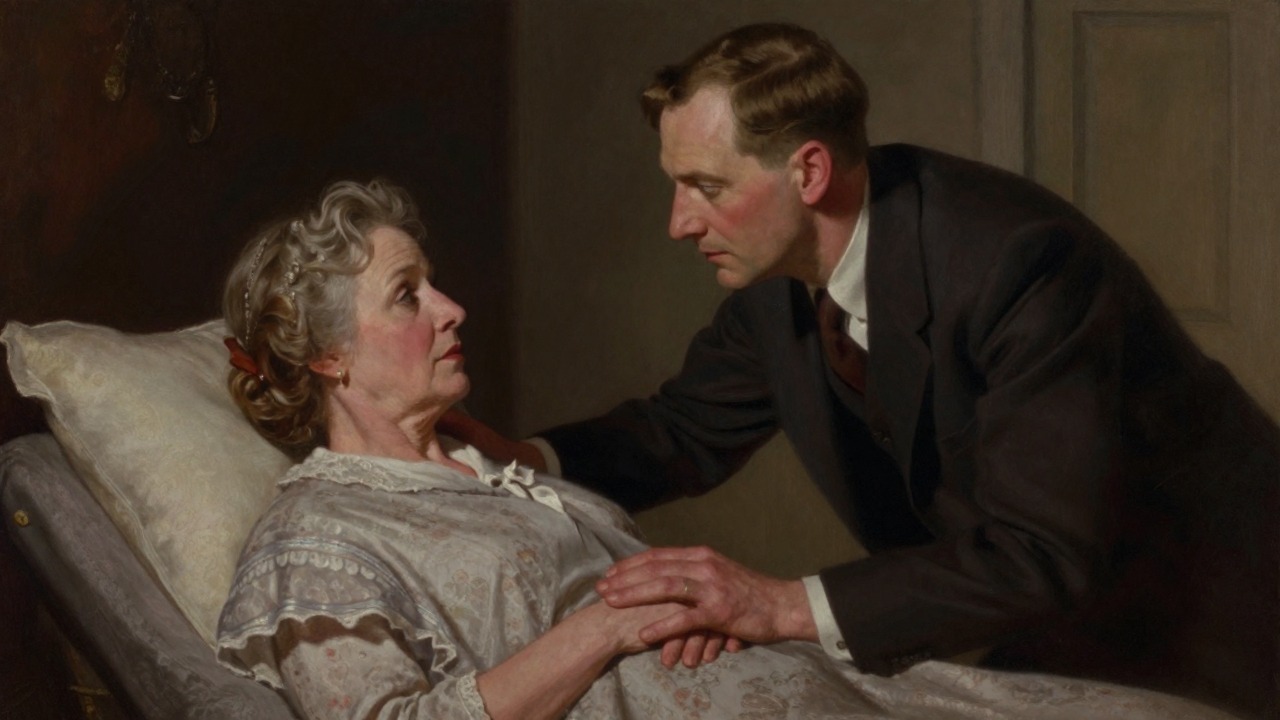
A Son's Devotion
The Sick Mother
Mitch is defined by his devotion to his dying mother. He lives with her and cares for her, and his desire to marry is driven by her wish to see him settled before she dies. This makes him particularly vulnerable to Blanche's act of the refined, nurturing woman. He is looking for a wife who will bring comfort and culture into his life, not the raw sexuality of the French Quarter.
The Search for Respectability
Mitch's background is working class, but he aspires to something better. He is drawn to Blanche's apparent refinement, her knowledge of poetry, and her delicate manners. He believes he has found a woman who will elevate him. But this aspiration is based on a false image, and when the truth emerges, Mitch is not only disappointed but also humiliated. He has been made a fool, and his response is a cruel rejection of the woman he once admired.
Mitch's Confrontation with Blanche
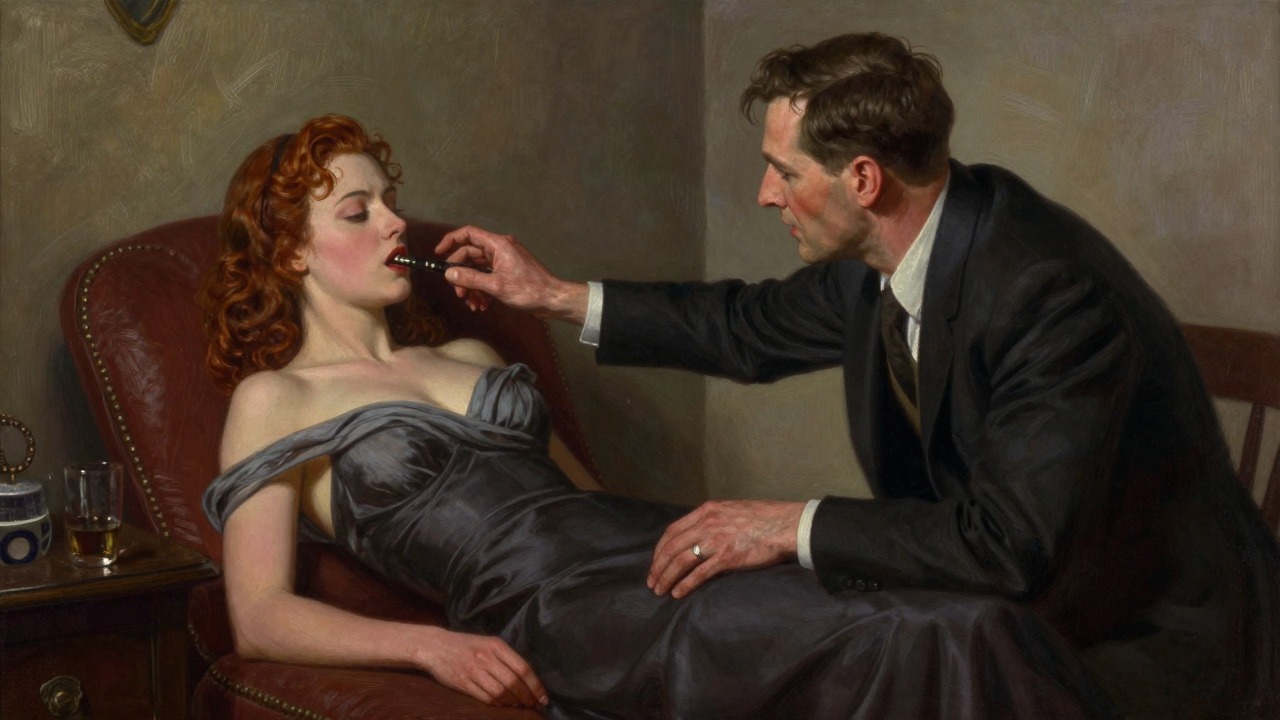
The Fall of the Idol
A Brutal Rejection
When Mitch learns the truth about Blanche, he is devastated. He comes to her flat, drunk and unshaven, and forces her to face the light. He accuses her of lying, and when she tries to explain her need for magic, he is unmoved. He tells her she is "not clean enough to bring in the house with my mother." This is the cruelest possible judgment, as it implies that Blanche is not fit to be a wife or a daughter-in-law.
The Aftermath
Mitch leaves the flat, but he is not free of the pain. In the final scene, he is still at the poker table, but he is silent and withdrawn. When Stanley pushes him, he tries to fight but is easily subdued. His spirit is broken. He has lost both his ideal woman and his self-respect. Mitch's arc is a study in the destructive power of illusion: he was a decent man who became cruel because he was deceived.
throughout the play, but especially during the poker night
after Blanche's birthday supper, late that evening
