
The Battle of Truth vs. Illusion
A Streetcar Named DesireThe play's central thematic conflict is between Blanche's need for beautiful lies and Stanley's insistence on harsh reality, a struggle that ultimately destroys her.
increasing Bearing strength in each event
 decreasing
Bearing strength in each eventdecreasingBlanche's Paper Lantern
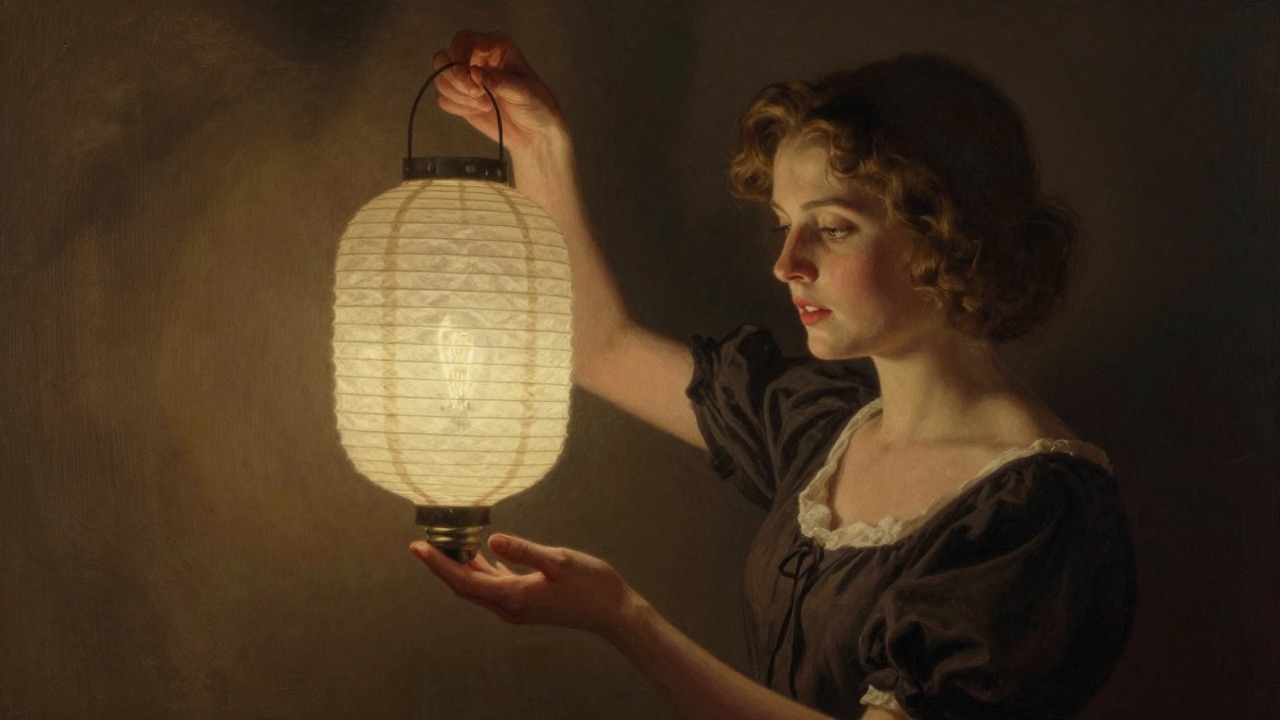
A Symbol of Illusion
The Lantern's Purpose
When Blanche asks Mitch to put a paper lantern over the bare light bulb, she is making a symbolic gesture. She cannot bear the naked truth, the harsh light that reveals her age and her fading beauty. The lantern represents her need to soften reality, to create a world of magic where she can survive. This is the first concrete expression of her philosophy: "I don't want realism. I want magic!"
The Fragile Cover
The paper lantern is a fragile defense against the truth. It is easily torn away, as Mitch will do later. The lantern is also a metaphor for Blanche's entire persona: a beautiful, delicate covering for a soul that is, by her own admission, "played out." The battle between truth and illusion is waged over this small object, and when it is destroyed, so is Blanche's last hope.
Stanley's Exposure of the Lies
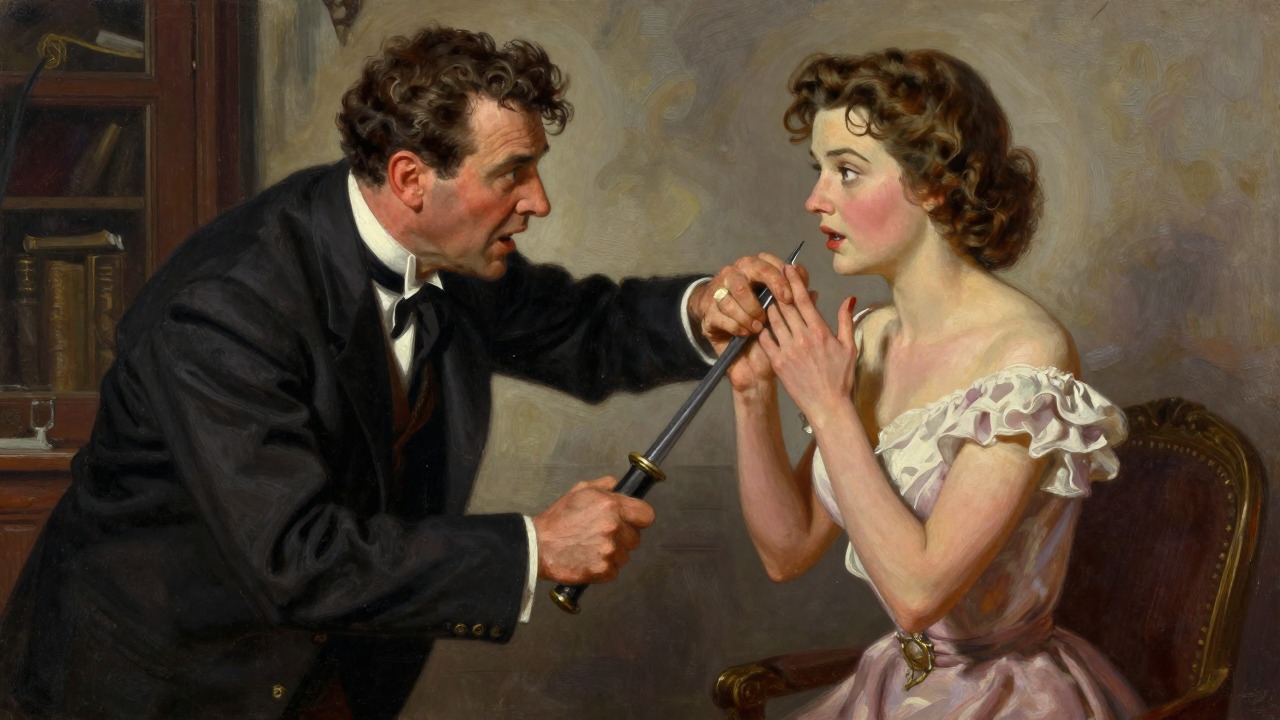
The Unmasking
The Harsh Light
Stanley's revelation of Blanche's past is a act of aggressive truth-telling. He strips away the lies one by one: the Flamingo, the student, the firing. He does so not out of a love for truth but out of a desire to destroy her. The truth is a weapon, and he wields it ruthlessly. The scene is a brutal confrontation between the world of illusion and the world of fact.
The Collapse of the Fantasy
Blanche's carefully constructed world collapses under the weight of the truth. She can no longer pretend to be the innocent schoolteacher. Stanley's exposure forces her to retreat further into delusion, as seen in the final scene when she believes she is going on a cruise. The conflict between truth and illusion is not resolved; it is simply that the truth wins, and illusion is broken. But the play suggests that without illusion, life is unbearable.
Blanche's Final Delusion
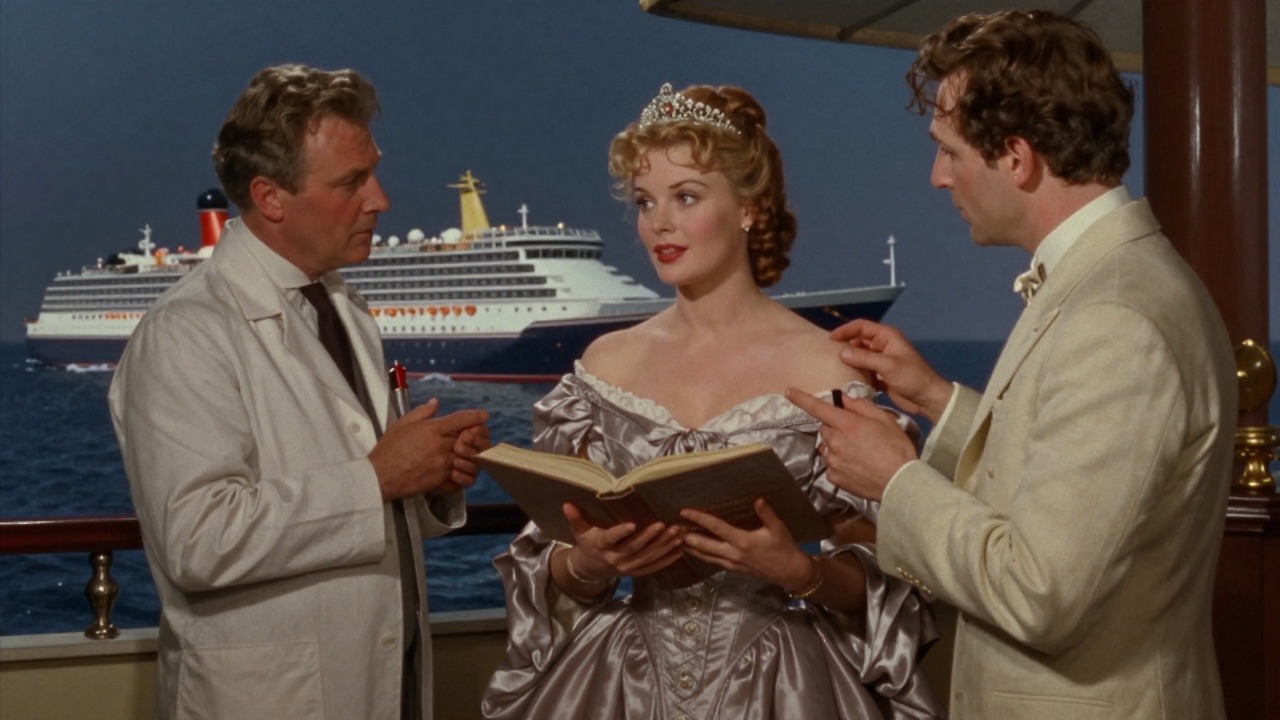
The Last Refuge
The Cruise Fantasy
In her final moments, Blanche has retreated into a complete fantasy. She believes that Shep Huntleigh is coming to take her on a Caribbean cruise. She dresses in her old evening gown and tiara, and she speaks of the sea air and the ship's doctor. This delusion is both pathetic and beautiful. It is her way of facing the end with dignity.
The Kindness of the Doctor
When the doctor arrives, Blanche's fantasy collides with reality. She is initially terrified, but the doctor's gentle manner allows her to maintain a semblance of her illusion. She goes with him willingly, speaking of the kindness of strangers. The play ends with a fragile peace: the truth has won, but the illusion has allowed Blanche to escape the full horror of her situation. The conflict between truth and illusion is never fully resolved, leaving the audience to question which is more necessary for survival.
poker night, later that week
mid-September, late afternoon
final scene, some weeks after the rape
