Lake Pontchartrain
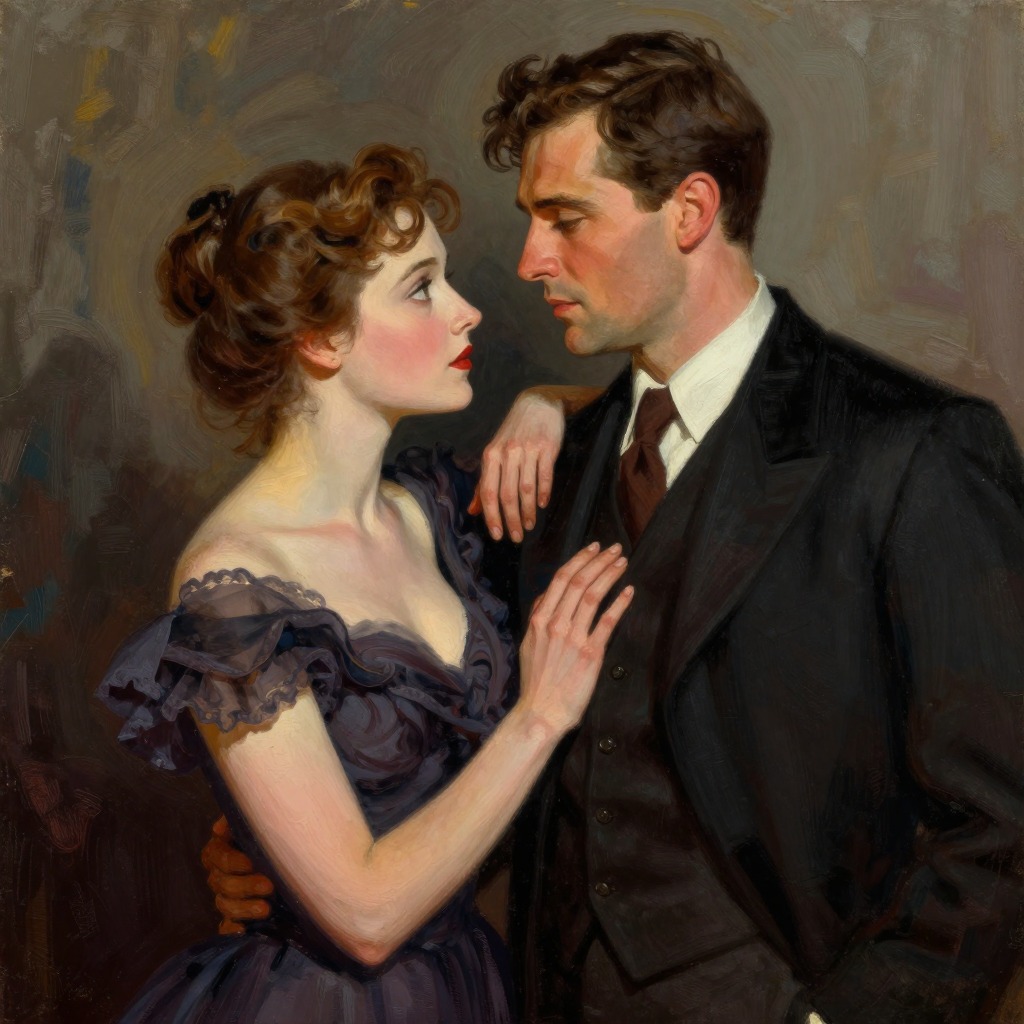
A Streetcar Named DesireLake Pontchartrain, the vast brackish estuary bordering New Orleans, serves as the primary setting for the romantic date between Blanche DuBois and Harold Mitchell and, through its association with Moon Lake Casino, becomes the geographic anchor of the play's deepest trauma. The lake is the place where Blanche and Mitch go on their evening out, returning to the Kowalski apartment at about two in the morning bearing a plaster statuette of Mae West won at a shooting-gallery or carnival game of chance at the amusement park on the lake. It is also the site of their first kiss, a moment Mitch recalls when he later asks Blanche if he may kiss her goodnight, uncertain whether she wants him to. The lake thus initially represents the possibility of a new, stabilizing relationship for Blanche, a refuge from the claustrophobia of the French Quarter apartment and from her own unraveling past.
The Site of Allan Grey's Suicide
Lake Pontchartrain is inextricably linked to the suicide of Blanche's young husband, Allan Grey. After Blanche confronted Allan on the dance floor at Moon Lake Casino, the three of them—Blanche, Allan, and the older man who had been Allan's friend—drove out to the casino, very drunk and laughing all the way. There, the Varsouviana polka was playing. Suddenly, in the middle of the dance, Allan broke away from Blanche and ran out of the casino. A few moments later, a shot was heard. Blanche ran out with the crowd and gathered about the terrible thing at the edge of the lake. She could not get near for the crowding, but she heard voices saying Allan's name and learned that he had stuck a revolver into his mouth and fired, so that the back of his head had been blown away. The lake's edge became the stage for the catastrophic end of Blanche's young love, and the memory of that night never leaves her.
The Recurring Sound of the Varsouviana
The Varsouviana polka, the tune that was playing at Moon Lake Casino when Allan Grey ran out and shot himself, becomes a recurring auditory hallucination for Blanche, triggered by the lake's memory. The polka music rises up in her mind whenever she is under extreme stress, and she drinks to escape it and the sense of disaster closing in on her. When Mitch confronts her in Scene Nine, she hears the polka again and whispers the words of the song, explaining that it always stops after the shot. The lake, through this musical association, is never fully absent from the play's soundscape; it is the geographic origin of the psychological wound that Blanche carries with her into every room she enters.
The Lake as a Symbol of Lost Refuge
For Blanche, Lake Pontchartrain represents both the promise of a new beginning and the site of her most devastating loss. After Allan's death, she tells Mitch, she filled her empty heart with intimacies with strangers, driven by panic, hunting for protection in the most unlikely places. The lake, where she had hoped to find love and stability with Mitch, becomes instead the place where her past catches up with her. When Mitch tears the paper lantern off the light bulb and forces her to face the truth, the lake's memory is invoked not as a romantic backdrop but as the origin of the trauma that has shaped her entire adult life. The lake thus functions as a threshold between the world of illusion Blanche tries to inhabit and the brutal reality that Stanley Kowalski and, ultimately, Mitch himself force upon her.