
Childhood and Growing Up
Alice's Adventures in WonderlandThe book explores the transition from childhood to adulthood, with Alice's adventures serving as a metaphor for the confusion and wonder of growing up.
increasing Bearing strength in each event
 decreasing
Bearing strength in each eventdecreasingBoredom and the Desire for Adventure
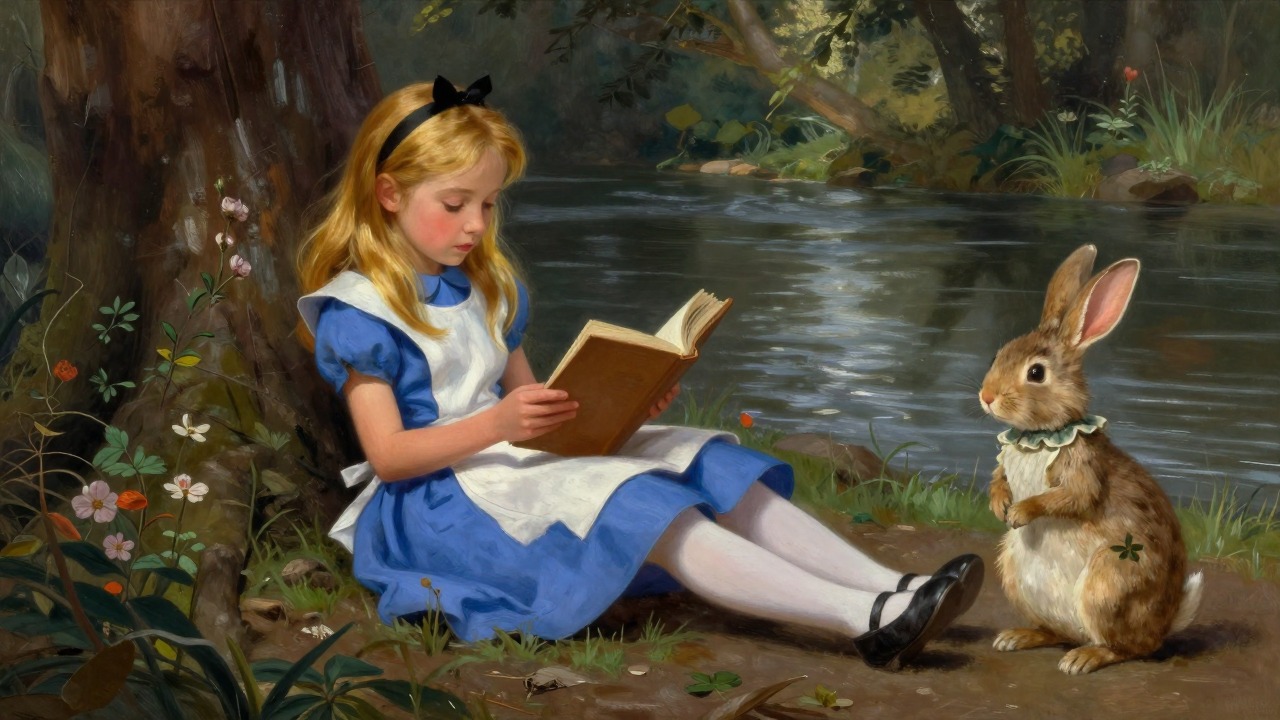
A Restless Child
The Dull Riverbank
Alice is bored on the riverbank, longing for something to do. The book her sister reads has no pictures or conversations, which Alice finds useless. This dissatisfaction with the ordinary world is a classic child's desire for adventure.
The Rabbit as Catalyst
The White Rabbit's appearance is a call to adventure. Alice's decision to follow him is an impulsive act of childhood curiosity. The fall down the rabbit-hole is a descent into the unknown, a metaphor for the journey of growing up, where the familiar rules no longer apply.
Lessons and Learning
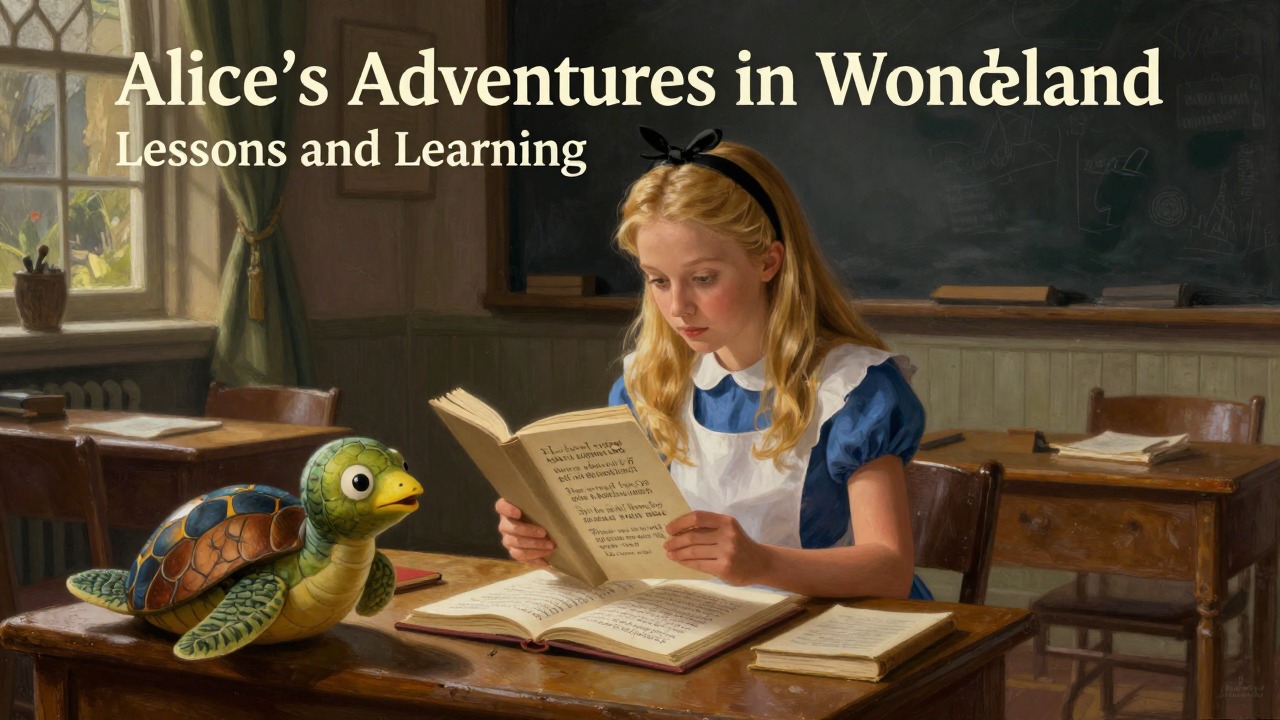
The Parody of Education
The Schoolroom in Wonderland
Alice's recitations of poems are a parody of school lessons. The Mock Turtle's school subjects are a satire of Victorian education. The book constantly references the pressure to learn and remember, but in Wonderland, knowledge is unreliable.
Alice's Growing Confidence
As the story progresses, Alice becomes more confident in her own judgments. She learns to question authority and to trust her own perceptions. This growth is a metaphor for the maturation process. The dream world, for all its absurdity, is a space where Alice can explore her own identity and develop her own voice.
The Dream's End and the Future
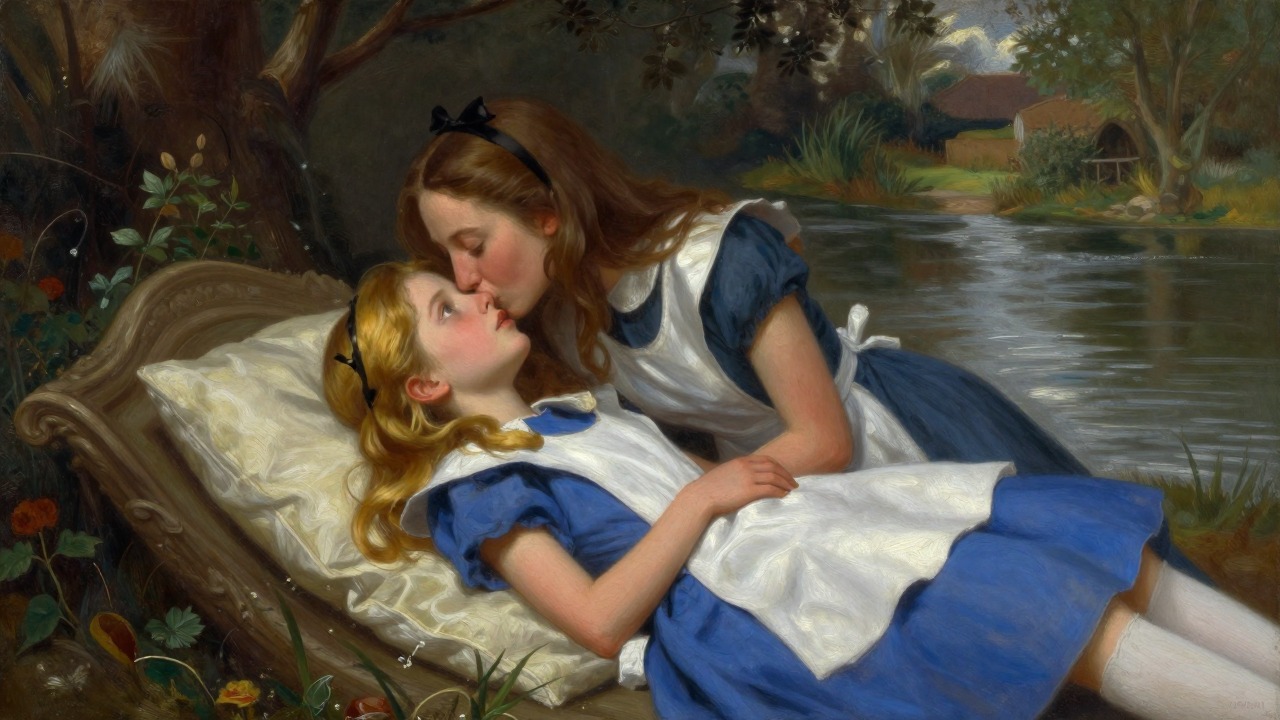
Returning to Reality
The Awakening
Alice wakes up on the riverbank, her head in her sister's lap. She tells her sister about her dream, and her sister kisses her and says it was a curious dream. The return to reality is gentle, but the dream has changed Alice.
The Sister's Vision
Alice's sister imagines Alice as a grown woman, preserving the simple and loving heart of her childhood. She will tell stories to other children, keeping the wonder of Wonderland alive. The book ends with a vision of continuity: childhood is not lost but transformed into memory and storytelling. Growing up means carrying the imagination of childhood into adulthood.
at the very beginning of the story
throughout the story
near the ending, after the trial
