
The Offensive of 1918 and the Collapse
All Quiet on the Western FrontFollows the German army's last major offensive and the subsequent retreat, highlighting the disintegration of morale and the overwhelming force of the Allies.
increasing Bearing strength in each event
 decreasing
Bearing strength in each eventdecreasingPreparations for the Offensive
Preparations for the Offensive
Rumors and Coffins
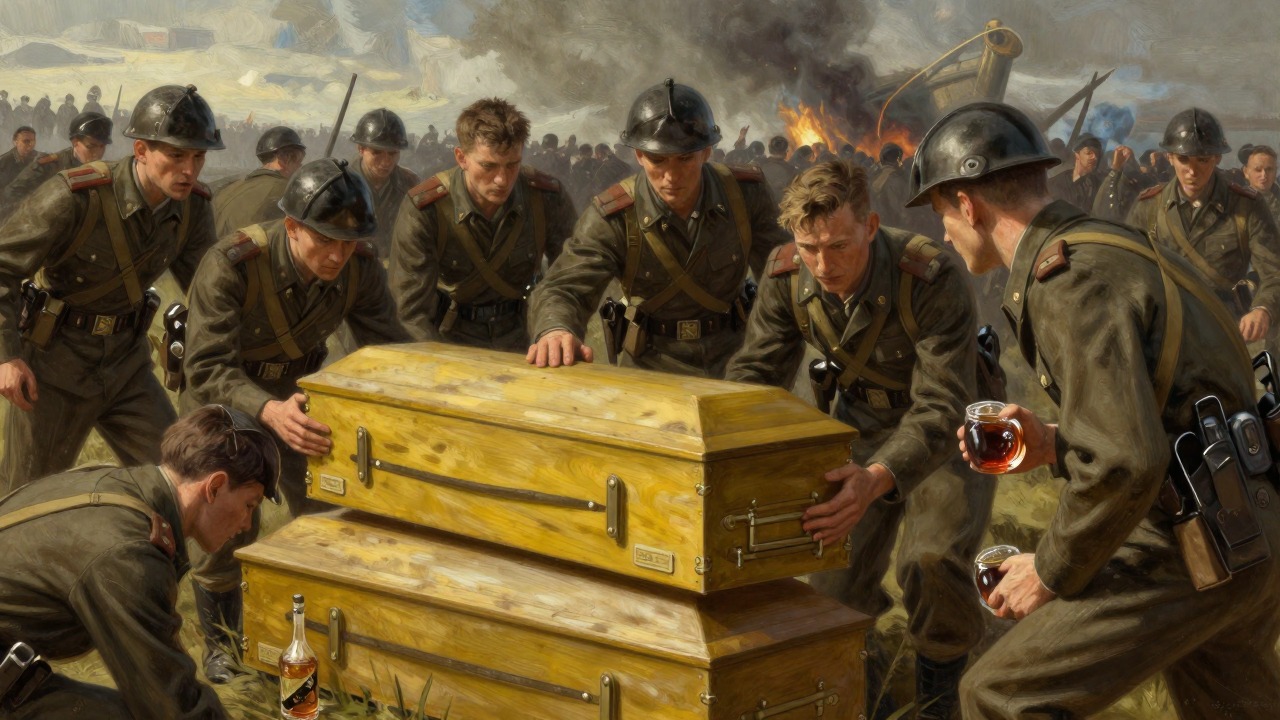
The company hears rumors of a big offensive. As they move up, they see a stack of new yellow coffins, a grim omen. The men are issued extra rations and rum, a sign that something big is coming. The atmosphere is tense.
The Barrage
The bombardment begins. The men endure days of shelling in the dugouts. The recruits are particularly vulnerable to claustrophobia and madness. Paul reflects on the primal fear and the instinct to survive.
The Attack
When the barrage lifts, the attack comes. The French stormtroops are repelled, but at great cost. The men fight like wild beasts, defending themselves against annihilation. The counterattack pushes them back into the enemy trenches, where they capture supplies.
The Retaliation and Retreat
The Retaliation and Retreat
The Allied Superiority
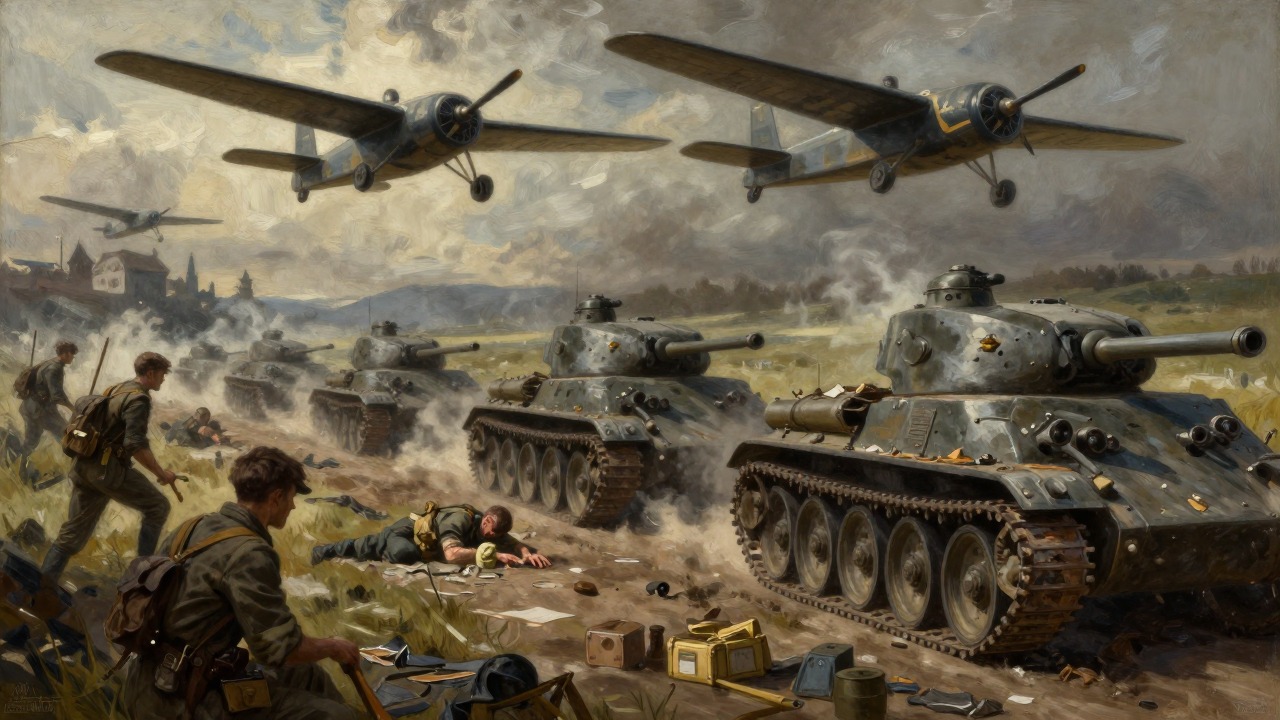
The enemy has endless reserves: fresh troops, tanks, and planes. The German lines are crumbling. The men are exhausted, starving, and sick with dysentery. The tanks are an unstoppable horror.
The Loss of Position
Attack follows attack, and the Germans are forced back. The company is reduced to a handful of men. The survivors are numb, moving mechanically. The hope of peace is the only thing that keeps them going.
The Death of Kat
While bringing food, Kat is wounded by a stray splinter to the head. Paul carries him to the dressing station, only to find him dead. Kat's death is the final blow for Paul. The last of his close friends is gone.
Before the summer of 1918
Summer 1918, after the offensive fails
