
The Theatricality of Murder
And Then There Were NoneExplores how the murders are staged as a performance, following the nursery rhyme and using props, costumes, and audience manipulation.
increasing Bearing strength in each event
 decreasing
Bearing strength in each eventdecreasingThe Nursery Rhyme as Script
The Blueprint
The Framed Rhyme
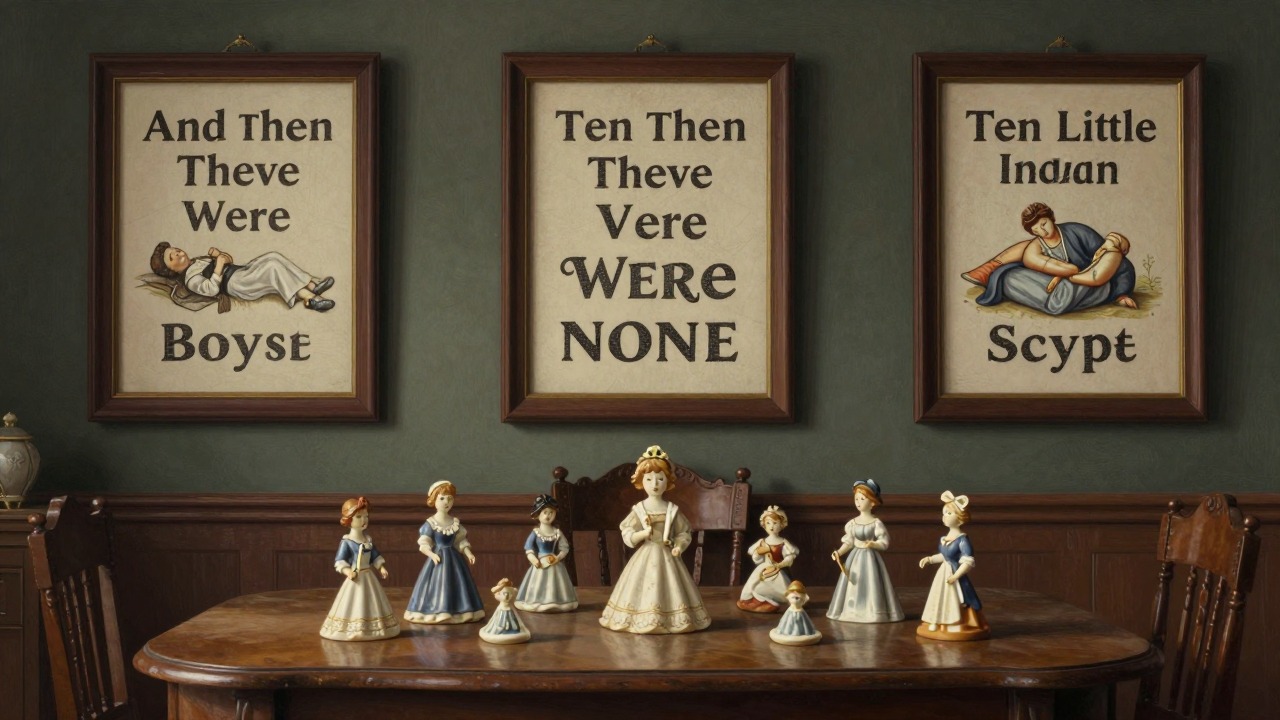
Each bedroom had a framed copy of the Ten Little Indian Boys rhyme. The dining table had ten china figures. The rhyme was not just a decoration; it was a script. The killer followed it exactly: the first death by choking, the second by oversleeping, the third by chopping, and so on. The murders were a performance, and the victims were the actors.
The Audience
The guests were both participants and audience. They watched each other die, knowing that the next verse would be their own. The horror was compounded by the knowledge that the deaths were predetermined. The killer was a playwright, and the island was his stage.
Props and Costumes
The Stagecraft
The Judge's Robe
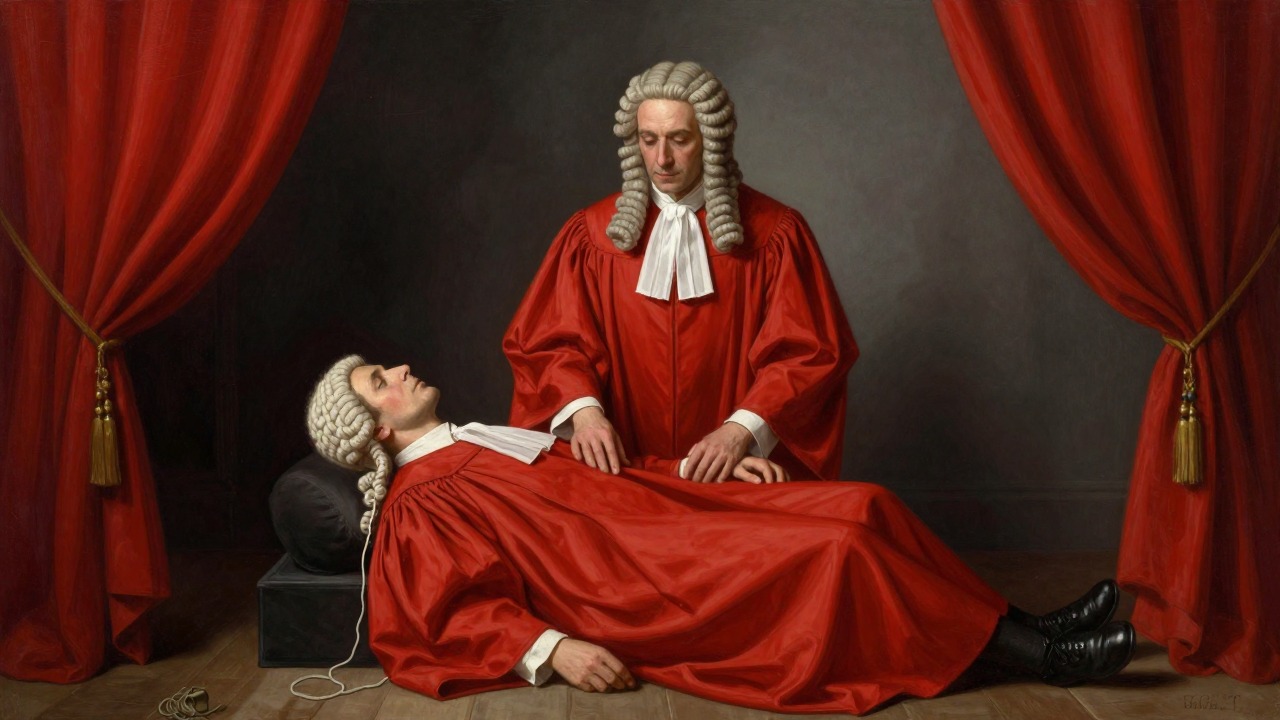
Lawrence John Wargrave staged his fake death with a red curtain and grey wool. He dressed himself as a judge in a crimson robe, a parody of his own profession. The wig was made from Emily Caroline Brent's missing knitting wool. The effect was theatrical and macabre.
The Marble Bear
The marble bear clock that killed William Henry Blore was a prop from the nursery rhyme. The rhyme said "A big bear hugged one." The killer used the bear to crush Blore's head. The attention to detail was almost obsessive. The murderer was an artist, and the island was his canvas.
The Final Curtain
The Last Act
The Noose and the Bottle
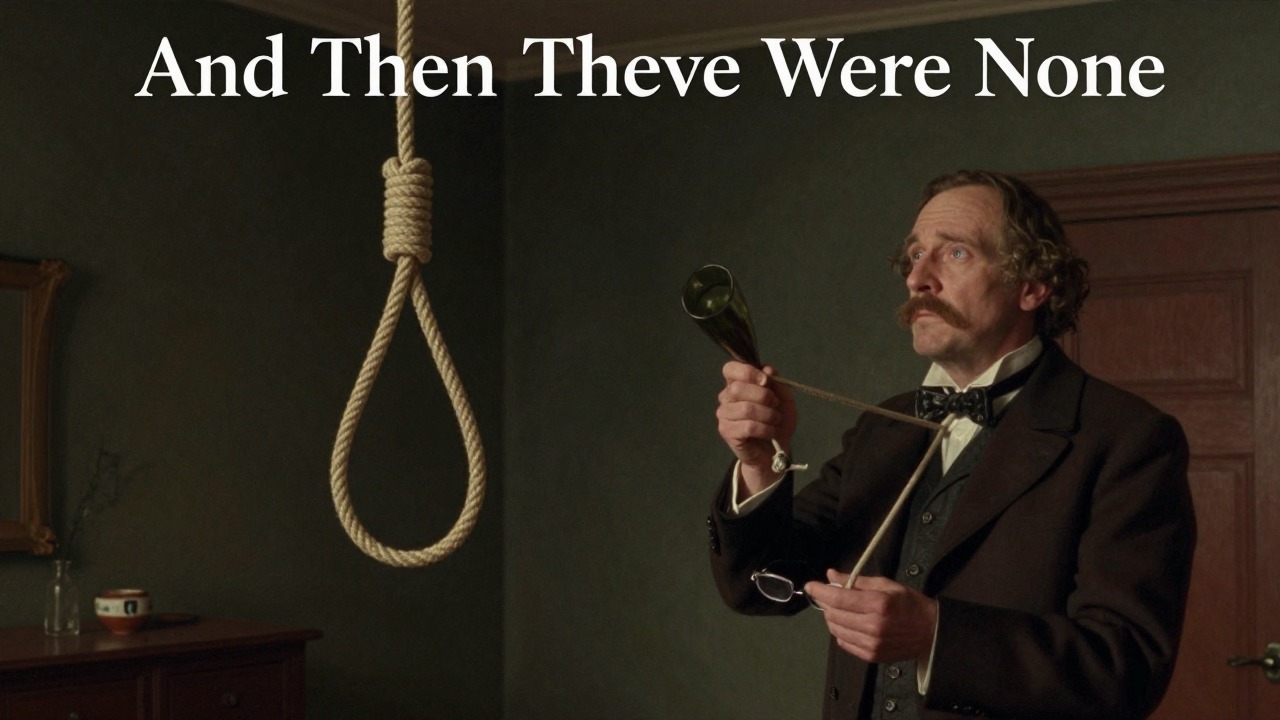
The final prop was the noose in Vera Elizabeth Claythorne's room. It was a simple, terrible object. The last verse said "He went and hanged himself." Vera fulfilled the script. Then Wargrave arranged his own suicide with an elastic cord and eyeglasses, making it look like a murder. He wrote his confession and sealed it in a bottle, a final theatrical gesture. The bottle was a message in a bottle, a classic trope of adventure stories. Wargrave's last act was a piece of theatre designed to be discovered.
The Unresolved Mystery
Until the bottle was found, the deaths remained an unsolved puzzle. The theatricality of the murders ensured that the mystery would captivate the public imagination. Wargrave achieved his goal: he created a crime that was a work of art.
from the beginning
August 10th-11th
August 11th
