
The Murderer's Artistic Ambition
And Then There Were NoneWargrave's desire to create a perfect crime, as an artist, not just a killer, and his need for recognition.
increasing Bearing strength in each event
 decreasing
Bearing strength in each eventdecreasingThe Artist's Vision
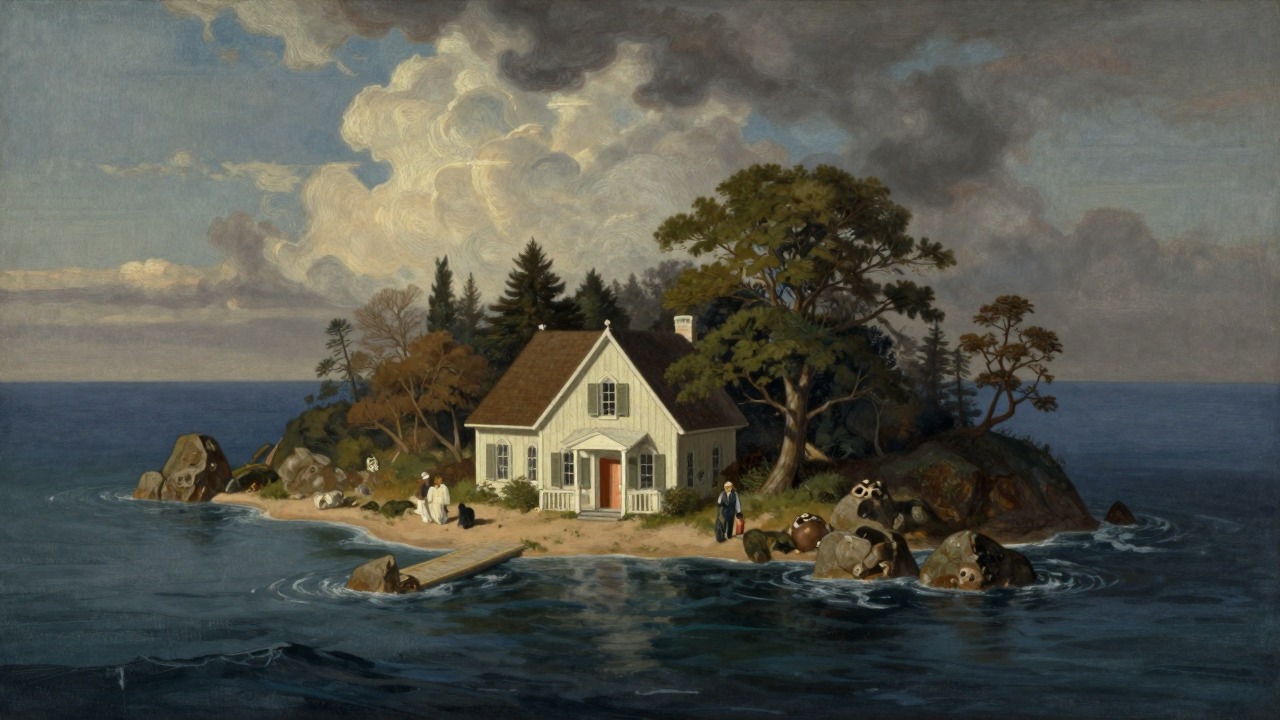
The Criminal Genius
The Dream of the Perfect Crime
Lawrence John Wargrave had always been fascinated by detective stories and ingenious murders. He wanted to create a crime that could not be solved. He was an artist, and his medium was death. The island was his canvas, the nursery rhyme his theme.
The Need for an Audience
An artist needs an audience. Wargrave wanted the world to know of his genius. He wrote his confession and threw it into the sea. It was a message in a bottle, a classic romantic gesture. He wanted to be discovered. He wanted to be admired, even after death.
The Execution of the Plan
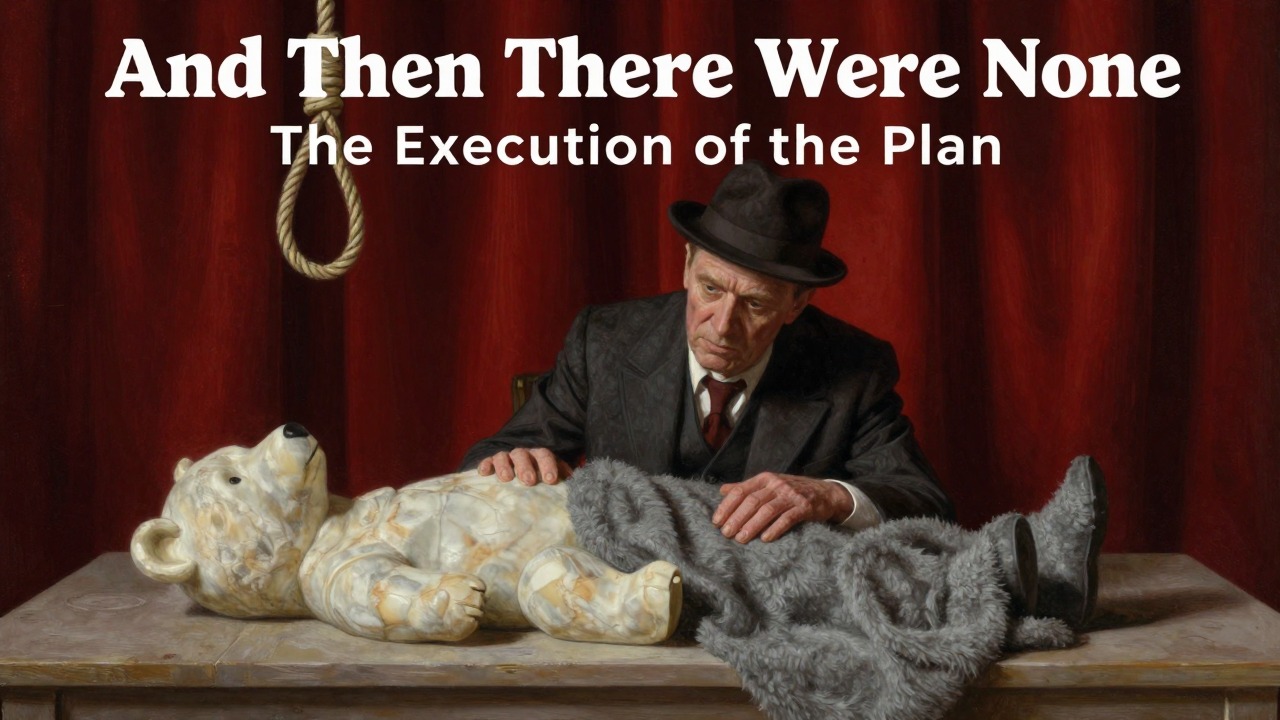
The Masterpiece in Progress
The Attention to Detail
Wargrave's murders were not just killings; they were tableaux. He used the red curtain, the grey wool, the marble bear, the noose. Every death was a work of art, matching the nursery rhyme. He took risks, but he was confident.
The Flaw in the Art
Wargrave's art was flawed because it was based on his own ego. He underestimated Vera Elizabeth Claythorne's resourcefulness. He also underestimated the power of his own conscience. In the end, he had to kill himself. His masterpiece was complete, but it was a tragedy, not a triumph. The artist died with his work.
long before the novel
August 8th-11th
