Egg contract
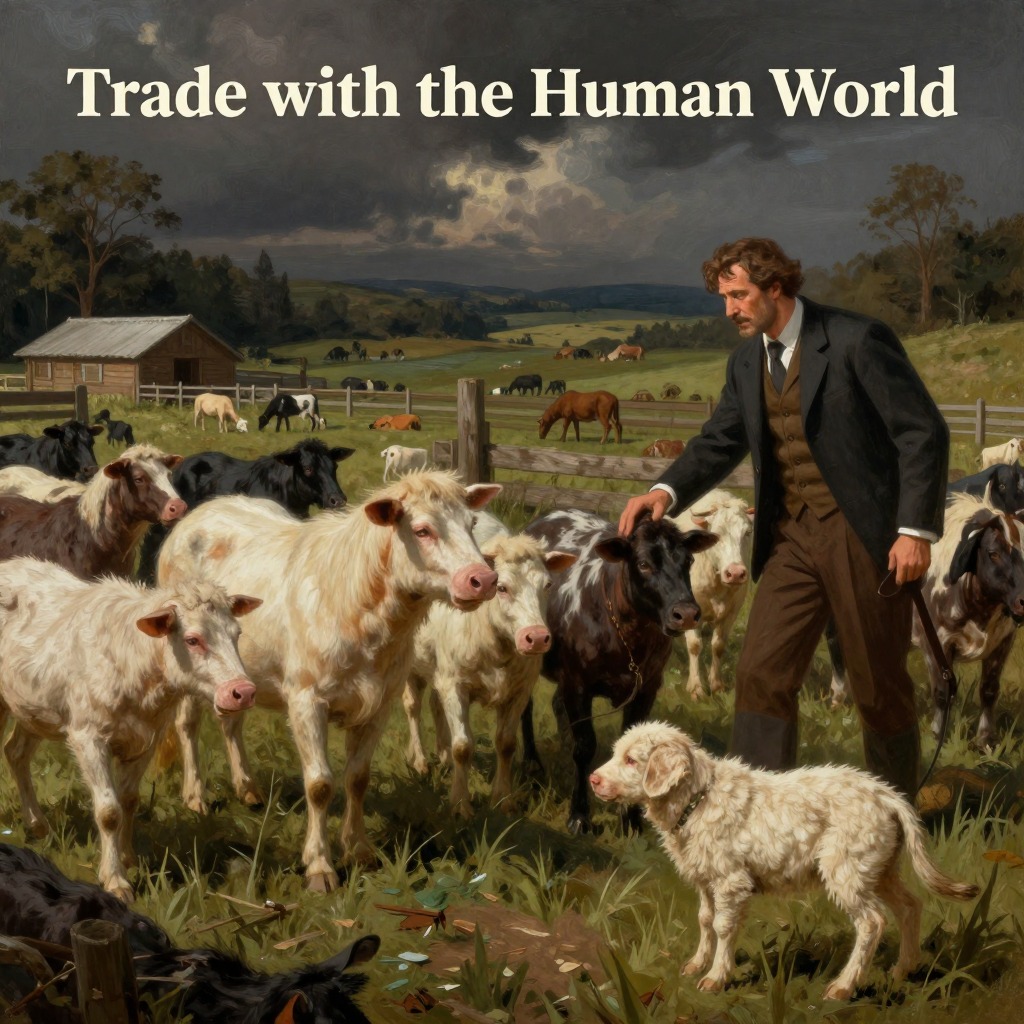
Animal FarmThe egg contract was a commercial agreement imposed by Napoleon in the midst of a severe food shortage on Animal Farm. Through the intermediary Mr. Whymper, a solicitor from Willingdon, Napoleon arranged to sell four hundred eggs per week to the outside world. The revenue from this contract, he announced, would purchase enough grain and meal to sustain the farm until the summer. This decision marked a significant departure from the original principles of the Rebellion, which had prohibited trade with humans and the use of money. However, Squealer's persuasive rhetoric and the menacing presence of the dogs quickly silenced any dissent.
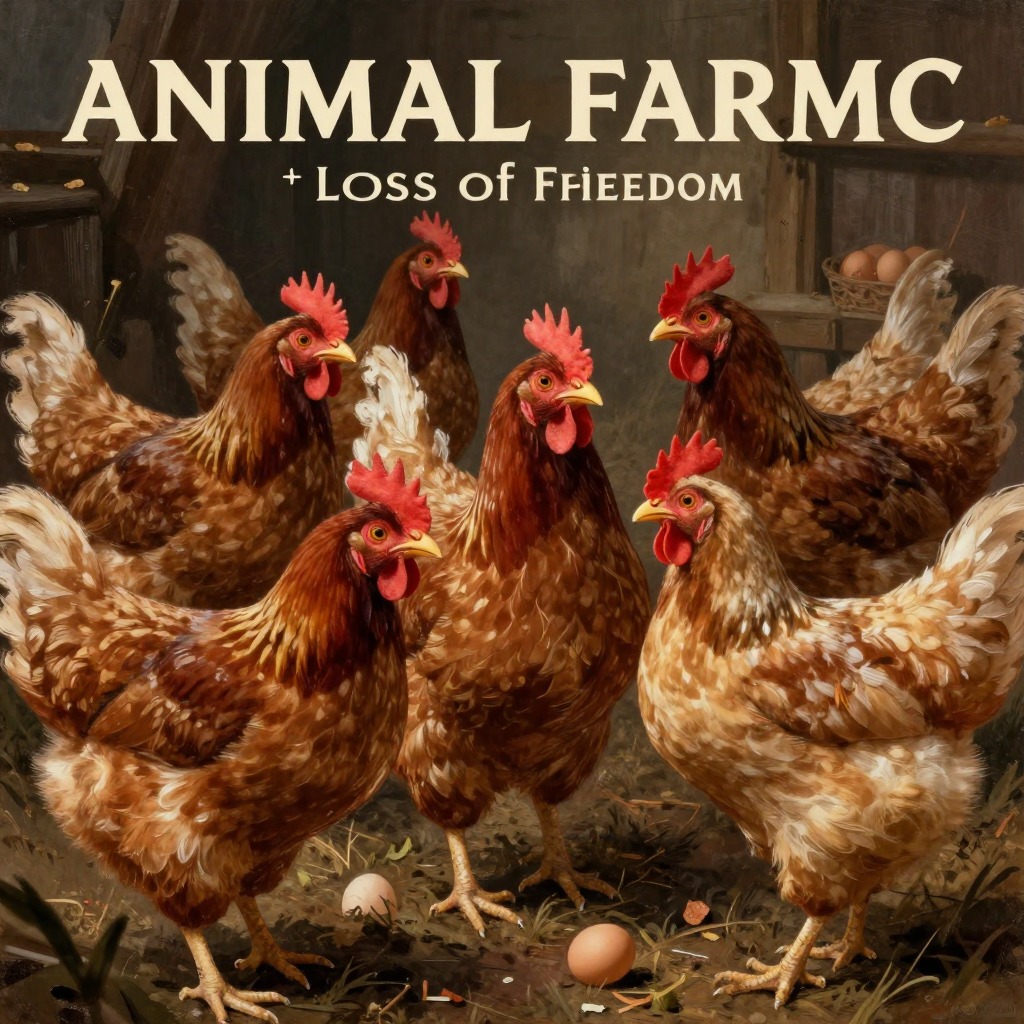
The hens, whose eggs were to be taken, reacted with a rebellion unseen since the expulsion of Mr. Jones. Led by three Black Minorca pullets, they flew to the rafters and laid their eggs where they would smash on the floor. Napoleon responded with ruthless force: he cut off the hens' rations and decreed that any animal giving them so much as a grain of corn would be put to death. The dogs enforced the order. After five days the hens capitulated, but nine of them had died. Their bodies were buried in the orchard, and the official story claimed they had died of coccidiosis. Mr. Whymper was kept unaware of the incident, and the eggs were delivered as scheduled by a grocer's van.
The contract was later expanded to six hundred eggs per week, as the farm's financial needs grew. The hens consequently hatched barely enough chicks to maintain their numbers. Meanwhile, the pigs continued to enjoy their privileged diet of milk, apples, and beer, while the other animals faced reduced rations and longer working hours. The egg contract exemplified the growing inequality on Animal Farm: the pigs, as brainworkers, justified their consumption of the farm's best produce by claiming it was necessary for the management of the farm, while the hens' sacrifice was presented as a contribution to the common good. The contract also served to bind the farm to the human economy, reversing the revolutionary ideal of self-sufficiency.