Knoll
Animal FarmThe Knoll, a small hillock in the long pasture not far from the farm buildings, is the highest point on Animal Farm. It is the location where Snowball first proposed building a windmill to generate electrical power, a project that would come to define the animals' labor and hopes. Later, it becomes a place of mourning and reflection, where the animals gather after the executions to confront the shattered promise of the Rebellion, and where Clover, unable to articulate her despair, leads them in a mournful singing of 'Beasts of England' for the last time. The Knoll thus functions as a geographical and symbolic fulcrum, marking the transition from revolutionary aspiration to disillusionment and oppression.
Location and the Windmill Project
Snowball, after surveying the ground, declared that the Knoll, being the highest point on the farm, was the ideal place for a windmill. He envisioned it operating a dynamo to supply the farm with electrical power, lighting and warming the stalls, and running machinery such as a circular saw, a chaff-cutter, a mangel-slicer, and an electric milking machine. The animals, who had never heard of such things, listened in astonishment as Snowball conjured pictures of fantastic machines that would do their work while they grazed at ease or improved their minds. The Knoll thus became the focal point of Snowball's vision of a technologically advanced and leisurely future for Animal Farm.
A Vantage Point and a Place of Mourning
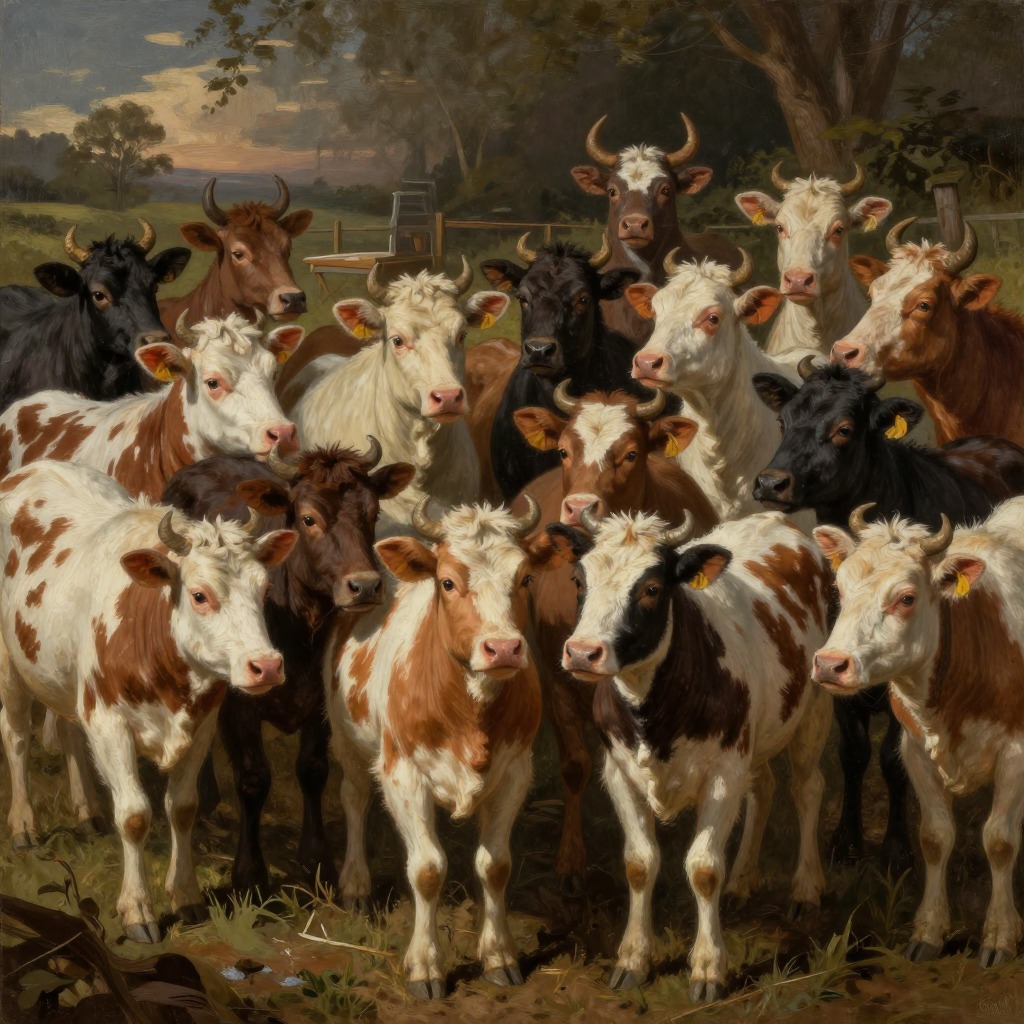
On the morning after the Rebellion, the animals rushed to the top of the Knoll, which commanded a view of most of the farm. In the clear morning light, they gazed around and realized that everything they could see was theirs, an ecstatic moment of ownership and freedom. Later, after the executions that followed the purge of Snowball's supposed agents, the remaining animals—Clover, Muriel, Benjamin, the cows, the sheep, and a whole flock of geese and hens—made their way to the Knoll where the half-finished windmill stood. With one accord they lay down, huddling together for warmth, and for some time nobody spoke. From this vantage point, they had a wide prospect across the countryside, seeing the long pasture, the hayfield, the spinney, the drinking pool, the ploughed fields, and the red roofs of the farm buildings. It was a clear spring evening, and the farm had never appeared so desirable a place. Yet Clover's eyes filled with tears, for this was not what they had aimed at when they had set themselves years ago to work for the overthrow of the human race. The scenes of terror and slaughter were not what they had looked forward to on the night when old Major first stirred them to rebellion. Unable to find words, she began to sing 'Beasts of England', and the other animals took it up, singing it three times over, slowly and mournfully, in a way they had never sung it before.
Symbolic Significance and the End of Hope
The Knoll is also the site where the windmill, the great symbol of the animals' collective labor and hope, is first destroyed. After a violent gale, the animals dashed down to the Knoll to find the windmill in ruins, the fruit of all their struggles leveled to its foundations. Napoleon, who seldom moved out of a walk, raced ahead of them all. It is here that Napoleon, after pacing to and fro in silence, suddenly halts and pronounces that Snowball is responsible for the destruction, a lie that initiates a new phase of terror and scapegoating. The Knoll thus becomes the stage for the first major betrayal of the animals' trust. In the final chapter, the Knoll is no longer mentioned as a place of assembly or hope; the windmill has been completed but is used only for milling corn, not for generating the electrical power Snowball had promised. The dreams of electric light, hot and cold water, and the three-day week are no longer talked about. The Knoll, once the site of revolutionary vision and collective mourning, is ultimately absorbed into the mundane, profit-driven reality of the farm, its symbolic power erased along with the ideals it once represented.