Mr. Whymper
Animal FarmMr. Whymper, a sly-looking little man with side whiskers, is a solicitor in a very small way of business who becomes the indispensable link between Animal Farm and the outside world. He is sharp enough to have realized earlier than anyone else that the farm would need a broker and that the commissions would be worth having. His role marks a decisive turning point: the farm that was founded on the principle of never having dealings with human beings now conducts regular business through a human agent, and the animals watch his coming and going with a kind of dread, avoiding him as much as possible. Yet the sight of Napoleon, on all fours, delivering orders to Whymper, who stands on two legs, rouses their pride and partly reconciles them to the new arrangement.
Role as Intermediary and Economic Agent
Napoleon announces the new policy one Sunday morning, declaring that Animal Farm will engage in trade with neighboring farms not for any commercial purpose but simply to obtain materials urgently needed for the windmill. He intends to take the whole burden upon his own shoulders, and Mr. Whymper has agreed to act as intermediary, visiting the farm every Monday morning to receive his instructions. The solicitor's visits become a regular fixture: he arrives each Monday, and through him Napoleon sells a stack of hay and part of the wheat crop, and later arranges the sale of eggs, for which there is always a market in Willingdon. Whymper also advises Napoleon to sell a pile of well-seasoned timber that has been stacked in the yard for ten years, and both Mr. Pilkington of Foxwood and Mr. Frederick of Pinchfield are anxious to buy it.
Manipulation of Information
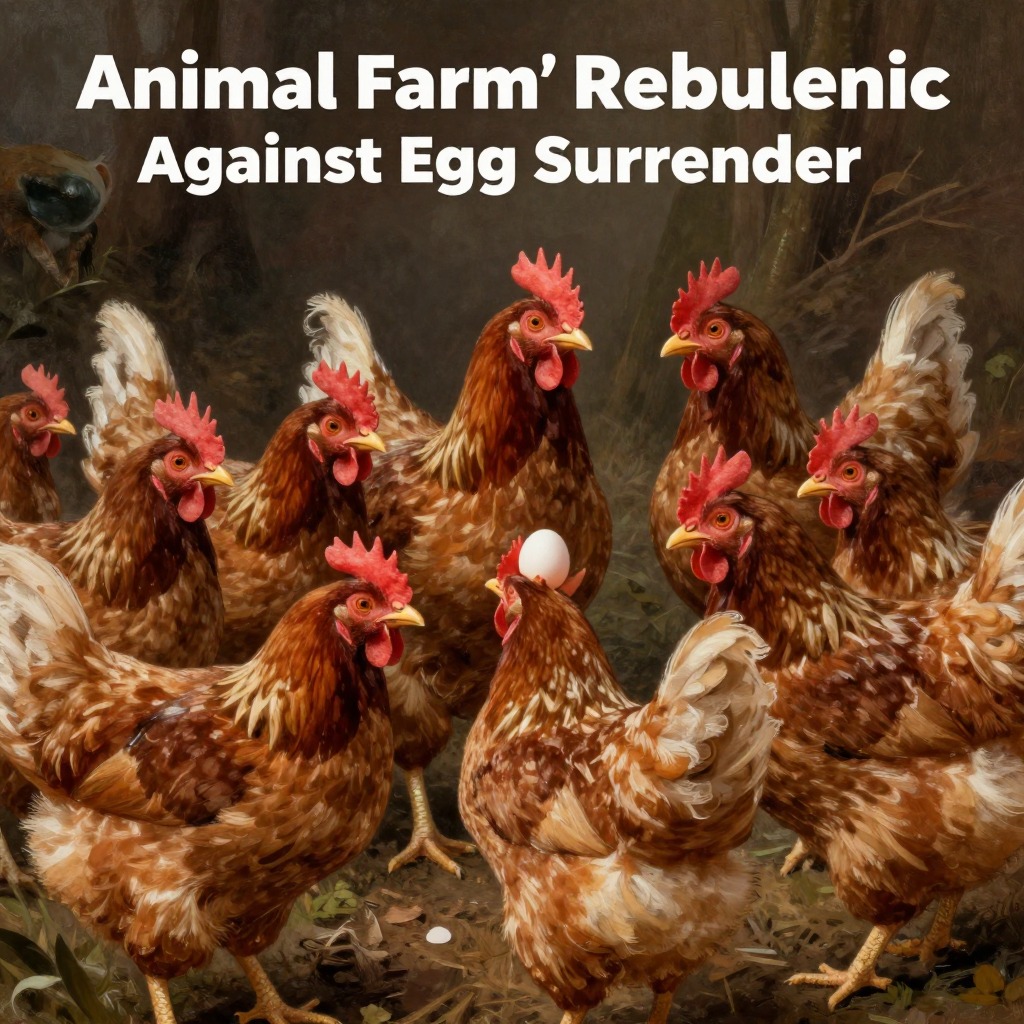
When food shortages threaten the farm in the bitter winter, Napoleon decides to make use of Mr. Whymper to spread a contrary impression to the outside world. Hitherto the animals have had little or no contact with Whymper on his weekly visits, but now a few selected animals, mostly sheep, are instructed to remark casually in his hearing that rations have been increased. Napoleon also orders the almost empty bins in the store-shed to be filled nearly to the brim with sand, which is then covered with what remains of the grain and meal. On some suitable pretext Whymper is led through the store-shed and allowed to catch a glimpse of the bins. He is deceived, and continues to report to the outside world that there is no food shortage on Animal Farm. The hens' rebellion over the egg surrender, which results in nine hens dying, is kept entirely from Whymper's knowledge, and the eggs are duly delivered, a grocer's van driving up to the farm once a week to take them away.
The Timber Deal and Its Aftermath
Whymper is central to the complicated negotiations over the timber. Napoleon hesitates between selling to Pilkington or Frederick, and Whymper conveys the offers. Eventually Napoleon announces he has sold the timber to Frederick, and Whymper's role in the transaction becomes critical when Frederick pays with banknotes. Napoleon demands payment in real five-pound notes, which are to be handed over before the timber is removed, and Frederick pays up. The animals are called to a special meeting to inspect the banknotes, which are neatly piled on a china dish from the farmhouse kitchen. Three days later, however, Whymper, his face deadly pale, comes racing up the path on his bicycle, flings it down in the yard, and rushes straight into the farmhouse. The banknotes are forgeries; Frederick has got the timber for nothing. The news speeds round the farm like wildfire, and Napoleon pronounces the death sentence upon Frederick.
Later Years and Prosperity
As the years pass, the farm grows more prosperous and better organized, and Whymper himself buys a dogcart. He continues to serve as the farm's broker, handling the purchase of machinery for the windmill and other supplies. His presence, once a source of dread, becomes a routine feature of the farm's operations, a permanent reminder that the original revolutionary principles have been abandoned in favor of pragmatic economic engagement with the human world.