Suppression of 'Comrade'
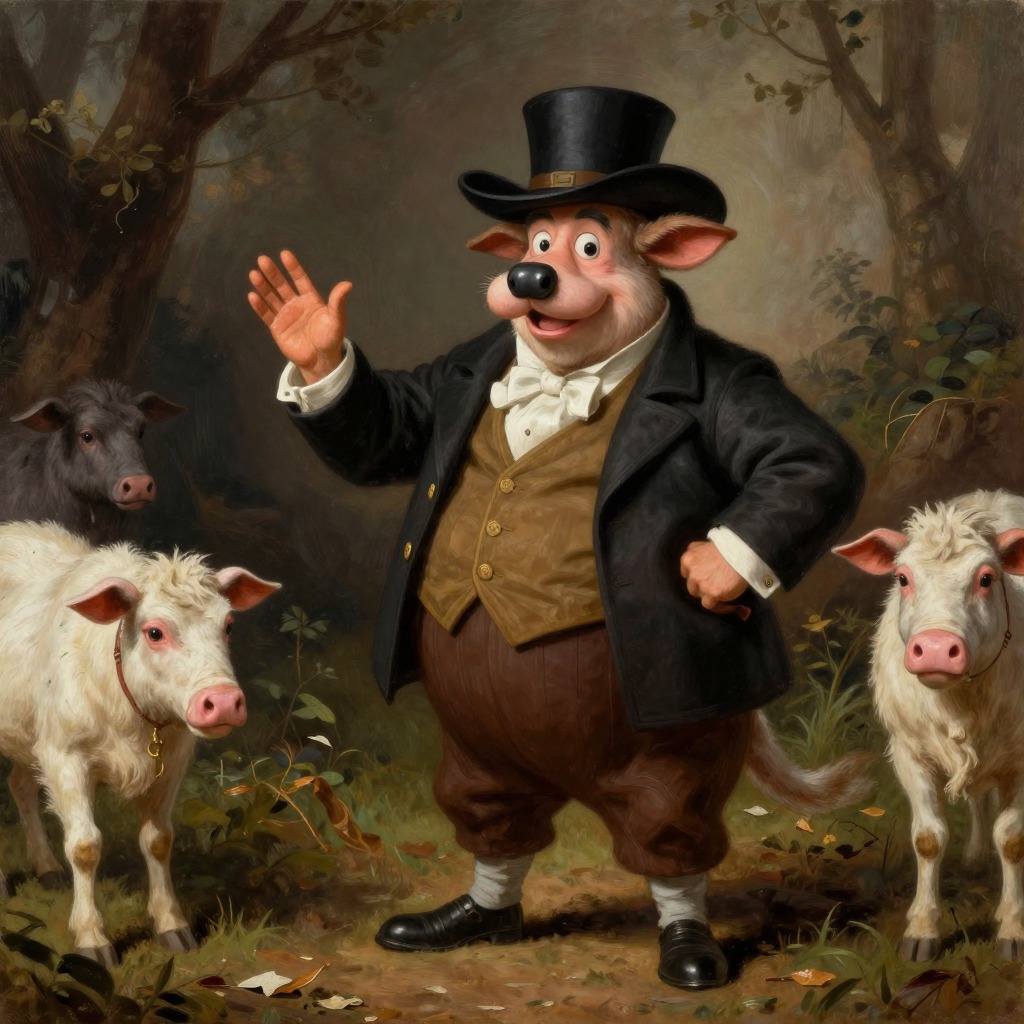
Animal FarmIn the final chapter of the book, during a banquet for neighbouring farmers, Napoleon announced the suppression of the word "Comrade." Hitherto, the animals on the farm had addressed one another with this term, a verbal emblem of the equality and brotherhood that Old Major had preached. Napoleon now declared it a "rather foolish custom" and ordered it abolished. The announcement was part of a broader set of changes designed to reassure the visiting human farmers that Animal Farm had abandoned all revolutionary pretensions. Alongside the suppression of "Comrade," Napoleon revealed that the Sunday-morning march past the skull of Old Major—a ritual that had been observed for years—had already been discontinued and the skull buried. The green flag, which had once borne the white hoof and horn symbolizing the future Republic of the Animals, was reduced to a plain green banner. The farm itself was to be renamed "The Manor Farm," its original name. Each of these measures erased a visible trace of the Rebellion and its ideals.
The suppression of "Comrade" was not an isolated gesture but the culmination of a long process of linguistic and symbolic re-engineering. Early in the story, the pigs had promoted the use of "Comrade" as a term of equality, and even after Napoleon's consolidation of power, the animals continued to be called "Comrade" in official proclamations and in Squealer's speeches. Napoleon himself was routinely referred to as "our Leader, Comrade Napoleon," a formulation that combined the revolutionary address with a title of absolute authority. The formal abolition of "Comrade" signaled that the remaining pretense of equality among animals was no longer needed. The pigs had become so distinct from the other animals that the very language of fraternity threatened to undermine the hierarchy they had built.
This linguistic shift was accompanied by a series of physical and behavioral changes that further blurred the boundary between pigs and humans. After the pigs had moved into the farmhouse, begun sleeping in beds, and taken to wearing clothes, the final step was to adopt the human manner of address. The pigs now carried whips, smoked pipes, and wore Mr. Jones's clothes; Napoleon himself appeared in a black coat, ratcatcher breeches, and leather leggings, while his favorite sow wore Mrs. Jones's watered silk dress. The sheep, meanwhile, had been taught to replace the old revolutionary slogan "Four legs good, two legs bad" with "Four legs good, two legs better"—a chant that explicitly endorsed the pigs' newly adopted upright posture. By the time Napoleon stood before the assembled farmers and announced the suppression of "Comrade," the pigs had already made themselves indistinguishable from humans in all but appearance.
The suppression of "Comrade" also served a practical function: it eliminated any lingering vocabulary of rebellion that might inspire dissent among the animals. The word had been the standard form of address used in the secret meetings, in the debates, and in the songs of the Rebellion. After the abolition of "Beasts of England" and the execution of the traitors, the language of the revolution was the last remaining symbol of the old ideals. By removing it, Napoleon ensured that even the words available to the animals for thinking about their situation were aligned with the new order. The animals, who had long since lost the ability to recall the original Seven Commandments accurately, now lost the verbal framework of equality as well.
In the end, the suppression of "Comrade" was one of the final acts that completed the transformation of Animal Farm into a mirror of the human tyranny it had overthrown. The pigs, who had once forbidden the use of clothes, money, and trade, now engaged in all of them. The Commandments had been rewritten to justify any action. And now the very word that had bound the animals together in their struggle was outlawed. The animals who had once been "comrades" were now merely subjects, and the farm that had been a beacon of hope for the oppressed was once again a place where the powerful ruled and the powerless obeyed. The cycle was complete.