the geese
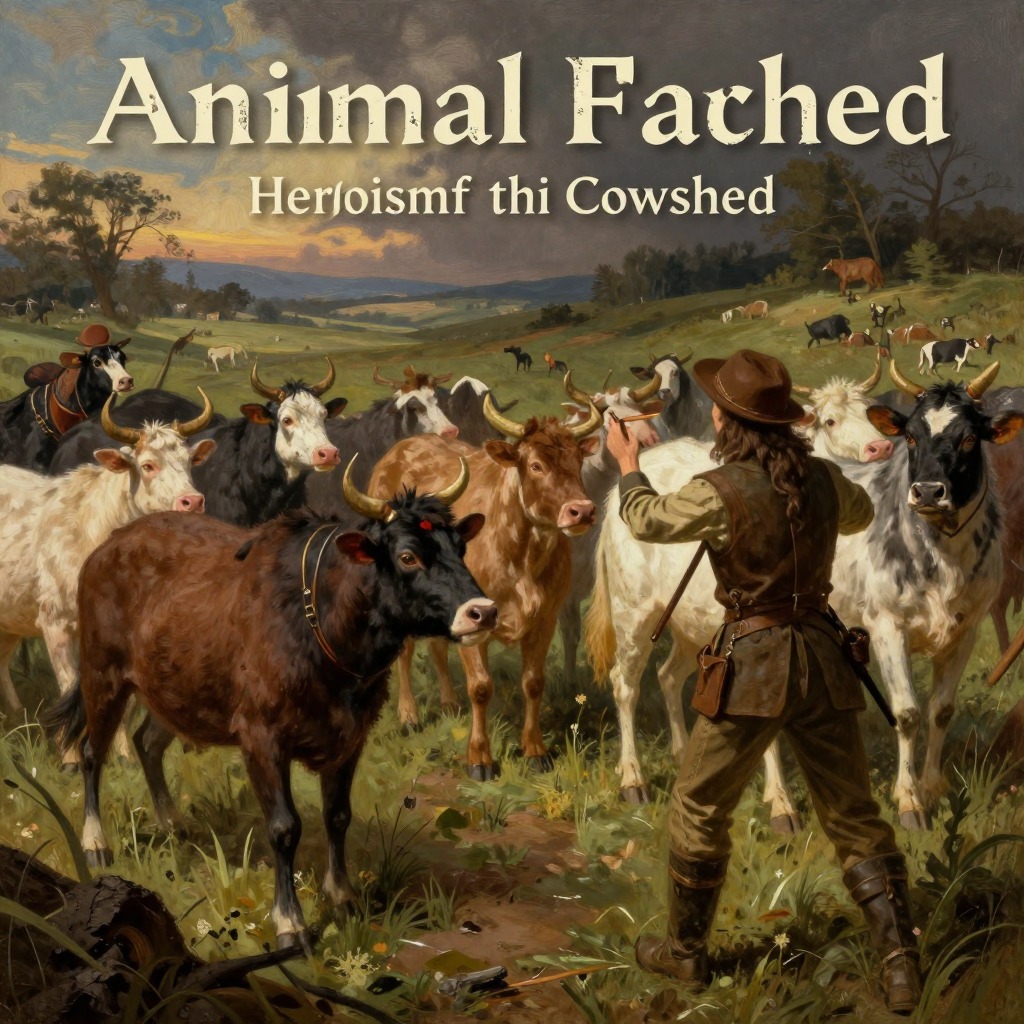
Animal FarmThe geese appear as a collective force during the Battle of the Cowshed, the first major human attempt to recapture the farm. Hidden behind the hedge, they rush out and peck viciously at the calves of the invading men’s legs, creating disorder as part of Snowball’s opening skirmish. Though the men drive them off with sticks, the geese later join the general pursuit, hissing and pecking at the calves all the way as the humans make their ignominious retreat. This action establishes them as active participants in the defense of the farm, acting on the tactical orders of the pig leadership.
Under the principles of Animalism, the geese are classified as friends. Old Major’s decree that “whatever goes upon four legs, or has wings, is a friend” includes them, and they are considered part of the comrades. However, like the sheep and ducks, the geese are among the stupider animals who cannot learn the Seven Commandments by heart. They rely on the simplified maxims—first “Four legs good, two legs bad,” and later the pigs’ reinterpretations. Their inability to read or reason leaves them dependent on the pigs for the interpretation of ideology, making them passive recipients of the ruling system.
Throughout the consolidation of Napoleon’s rule, the geese are subjected to the pigs’ propaganda. Squealer is sent to explain new arrangements, such as the end of Sunday Meetings and the necessity of trading with humans. The geese, like all animals, are convinced by the argument that not wanting Jones back overrides all objections. They accept Squealer’s claim that Snowball was a traitor from the start, and they believe that the pigs’ privileges—milk, apples, the move into the farmhouse—are for the good of the farm. The geese remain part of the collective that still believes in the ideals of the Rebellion, even as those ideals are hollowed out; they continue to think that “all animals are equal” even when the reality contradicts that belief.
The final subversion of the classification that defined the geese occurs when the pigs begin walking on their hind legs. Squealer, then a long file of pigs, and finally Napoleon himself, strolling upright, cross the boundary between animal and human. The geese, who are defined by having wings, witness the pigs adopt the posture of the very humans they once fought. In the closing scene, the faces of the pigs and the human visitors become indistinguishable, and the categories of friend and enemy collapse. The geese, who once pecked at human legs, now live in a farm where the pigs are more equal than others, and the original vision of animal equality has been replaced by a new hierarchy that mirrors the old human tyranny.