
Sethe versus the Community's Judgment
BelovedTraces the rift between Sethe and the black neighborhood, from the proud feast through eighteen years of shunning to the collective act of exorcism and redemption.
increasing Bearing strength in each event
 decreasing
Bearing strength in each eventdecreasingThe Too-Much Feast
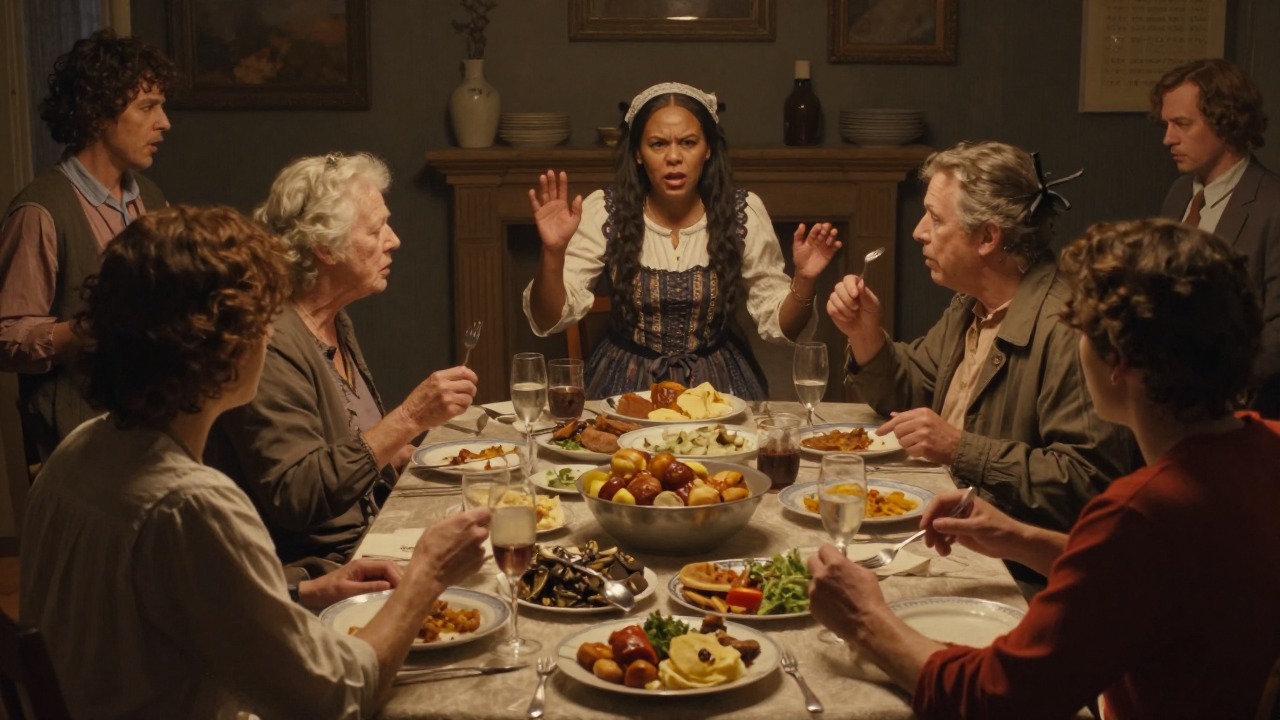
The Too-Much Feast
Generosity as Provocation
Baby Suggs's feast for ninety people is an act of reckless generosity that makes the neighbors angry. They see it as overstepping, as pride, as a claim to be the center of things.
The Morning After
They wake up stuffed and angry, their envy souring into disapproval. They whisper about fat rats, doom, and uncalled-for pride. The community's love for Baby Suggs turns into resentful distance.
The Unseen Harm
The jealousy is not merely a feeling; it actively disarms the neighborhood. When the four horsemen ride toward 124, no one bothers to warn the family, because the family has been set apart.
The Stigma of the Shed
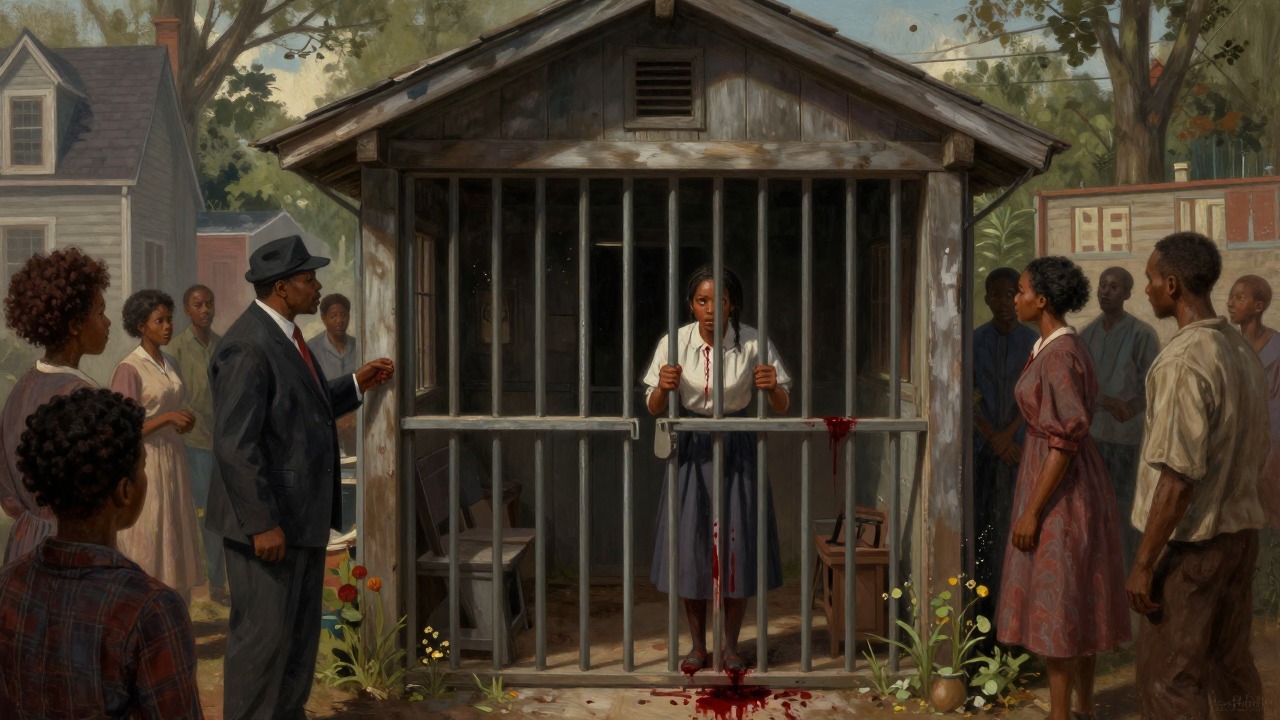
The Stigma of the Shed
The Horror and the Silence
The shed is a public event: schoolteacher, the sheriff, and the neighbors all see the blood. Sethe's crime becomes the subject of rumor, and the town is divided between horror and sympathy.
The Criminal Mother
Sethe goes to jail, and the black community is not unified in supporting her. Some think she had it coming; others cannot forgive her for putting her own children above the group.
The Unforgiven
When she is released, she does not apologize, explain, or ask for help. Her silence is read as arrogance, and the neighbors return her distance with their own.
Eighteen Years of Mutual Silence
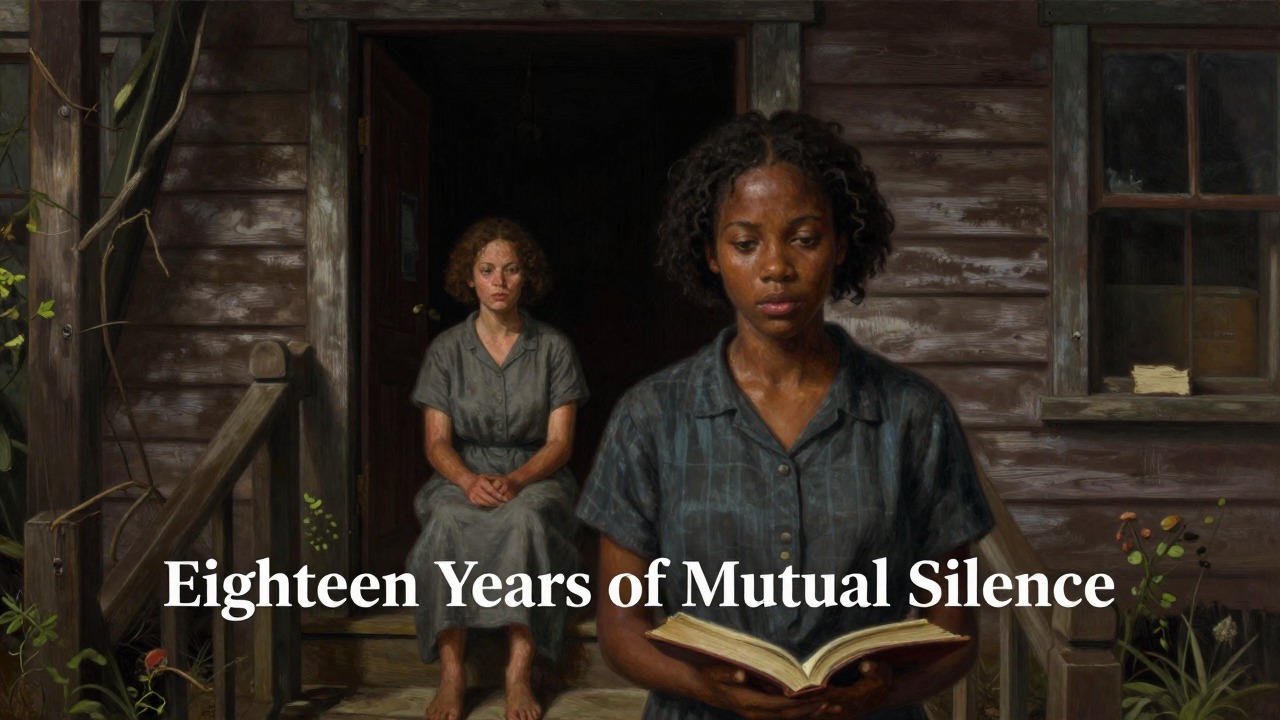
Eighteen Years of Mutual Silence
The Haunted House as Fortress
Sethe and Denver live alone in 124, defended by the ghost and by their own wounded pride. The neighbors stay away, and Sethe tells herself that the world outside her door is rot.
The Community's Memory
The sin of the shed and the shame of the feast are passed down as cautionary tales. No one visits, no one offers help, and the house becomes a dark legend at the end of Bluestone Road.
The Locked Door
Both sides nurse their grievances. Sethe's self-sufficiency is a rebuke to a community that abandoned her; the community's coldness is a punishment for a woman who would not kneel.
Denver Breaks the Rift
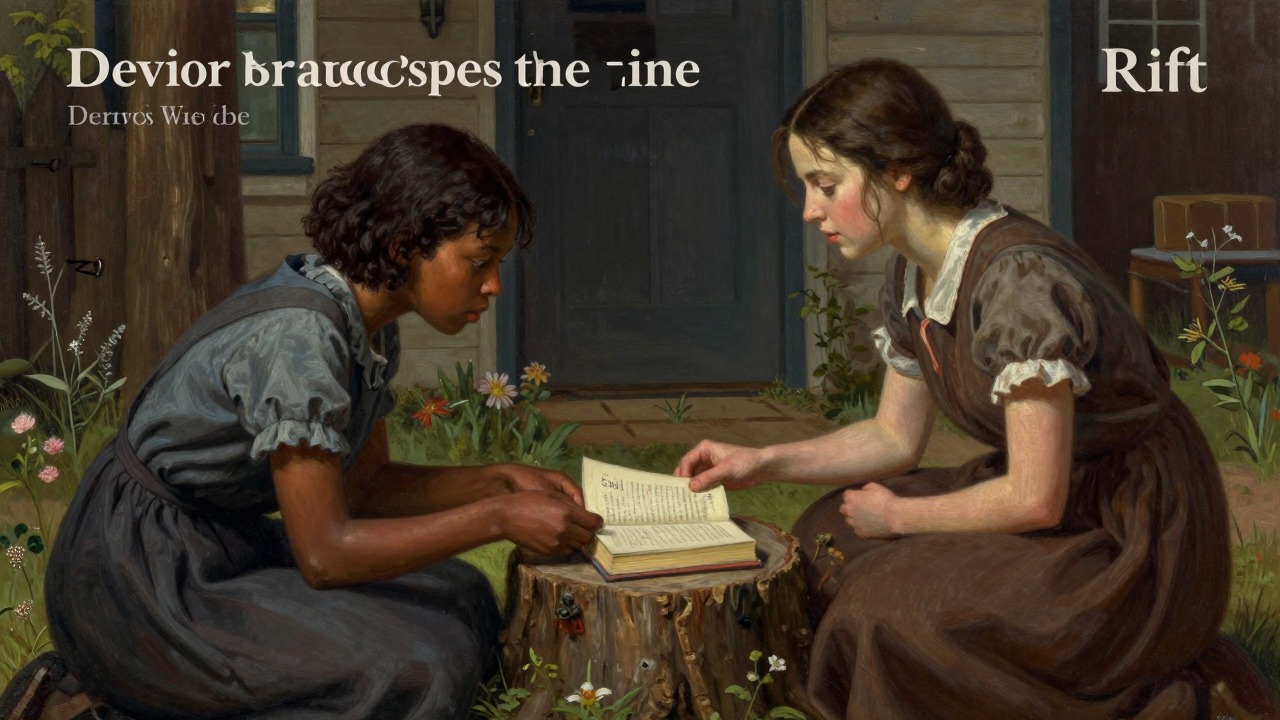
Denver Breaks the Rift
A Girl Who Crosses the Line
Denver, starving and desperate, leaves the yard and asks for help. Her humility cracks the community's resolve. The neighbors begin to leave food on the stump, not for Sethe but for Denver.
The Gift Economy
Each gift carries a name, and each name is a bridge. Denver's soft "Thank you" reopens lines of relationship that had been shut for a generation.
The Recalculating of Pride
Sethe and the community have been locked in a contest of pride. Denver's love, a third way, makes it possible for the community to act without asking Sethe to surrender.
The Exorcism as Reconciliation
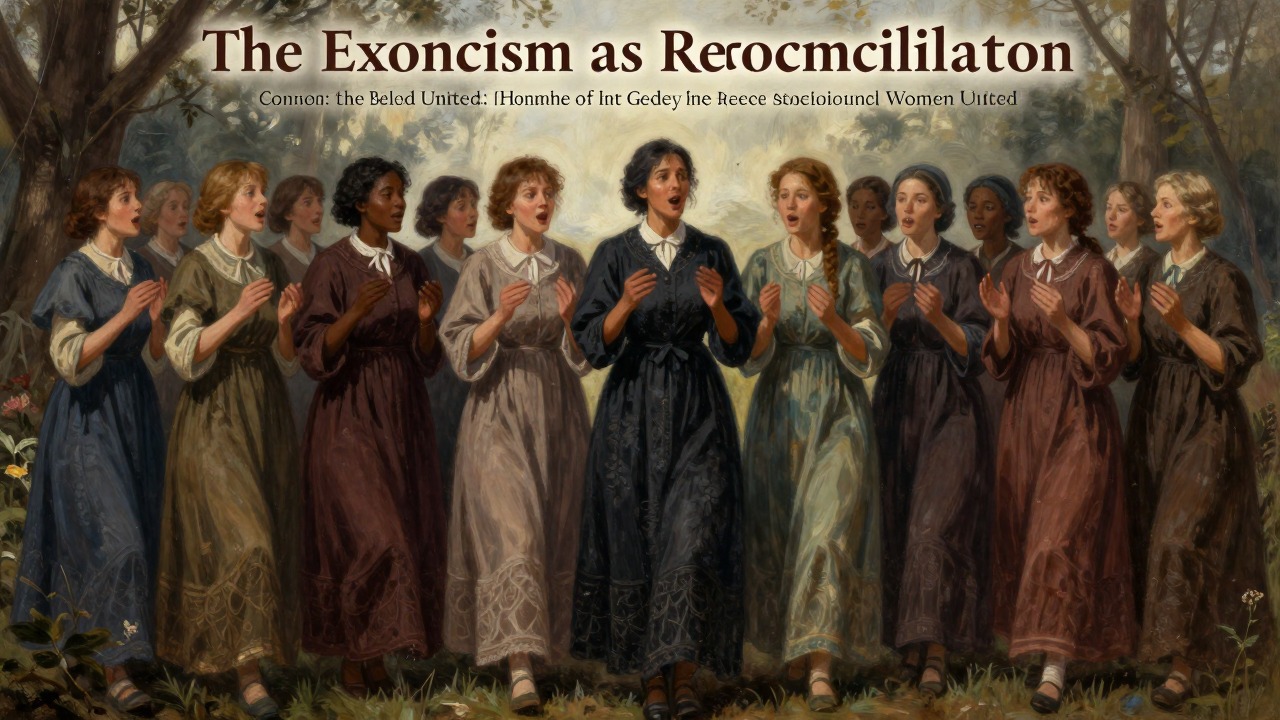
The Exorcism as Reconciliation
Women United
The thirty women who walk to 124 include the same people who once shunned Sethe. Their common enemy is the devil-child that has taken possession of the house. They come not to judge but to drive out the evil.
The Sound of Restored Community
The singing that breaks over Sethe is not just an exorcism; it is a welcome. The wave of sound says, "We are here, and you are one of us again." It reaches Sethe in a way no words have reached her for eighteen years.
A Shared Rescue
When Sethe attacks Edward Bodwin, the women physically restrain her. They are not punishing her; they are saving her. The act transforms the old rift into a circle of care, and 124 is finally quiet.
twenty-eight days before the shed
immediately after the infanticide and throughout the trial
1856 to 1873
the spring of Denver's appeal to Lady Jones
the summer day when the women march to 124
