
Naming, Literacy, and Dehumanization
BelovedExplores the power of language in the novel: how the written word can enslave, and how being read to, taught, and named can liberate.
increasing Bearing strength in each event
 decreasing
Bearing strength in each eventdecreasingThe Ink That Writes the Self
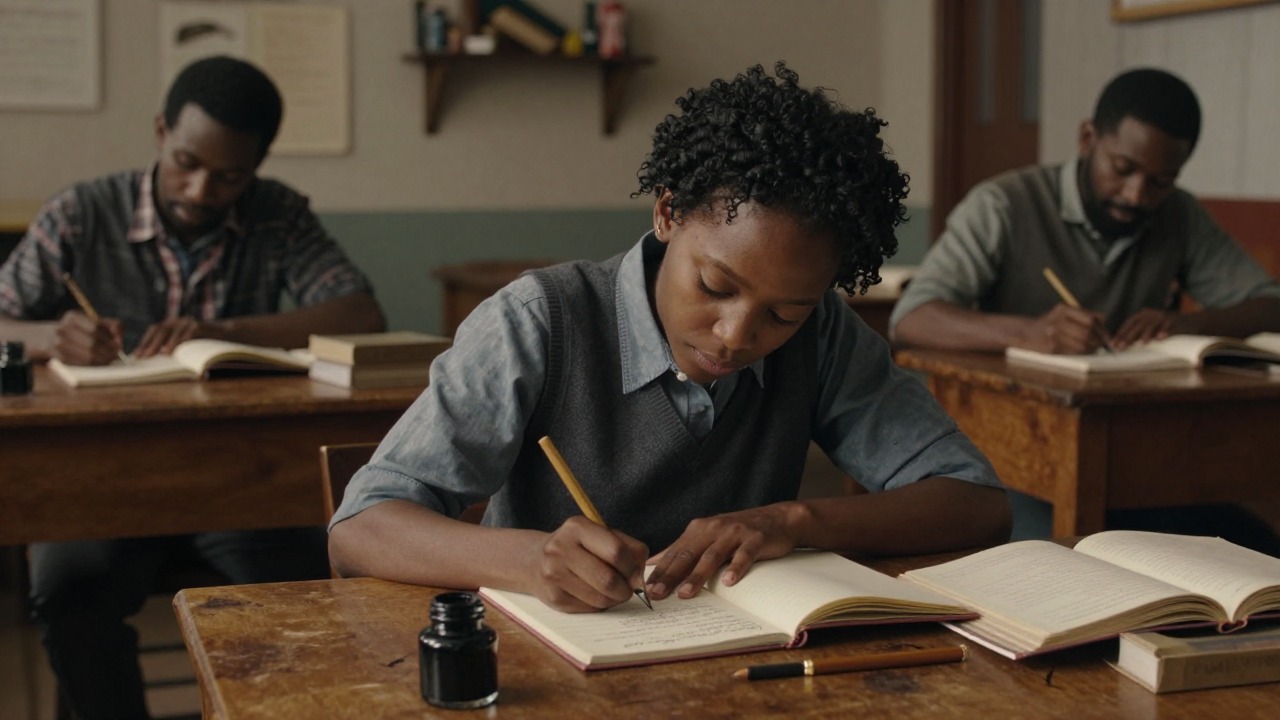
The Ink That Writes the Self
Sethe's Beautiful Ink
Sethe makes the ink that schoolteacher uses to write in his notebook. She is proud of her skill, yet the same ink is used to write down her animal characteristics.
The Double Edge of Literacy
Paul D and the other Sweet Home men refuse to learn to read because they sense it will change their minds. Sethe makes ink without knowing how it will be used; literacy is not inherently freeing.
The Power of the Defined
The notebook makes the slave an object of science. To be written down is to be made a thing, a specimen to be measured and corrected.
The Seventy-Five Words
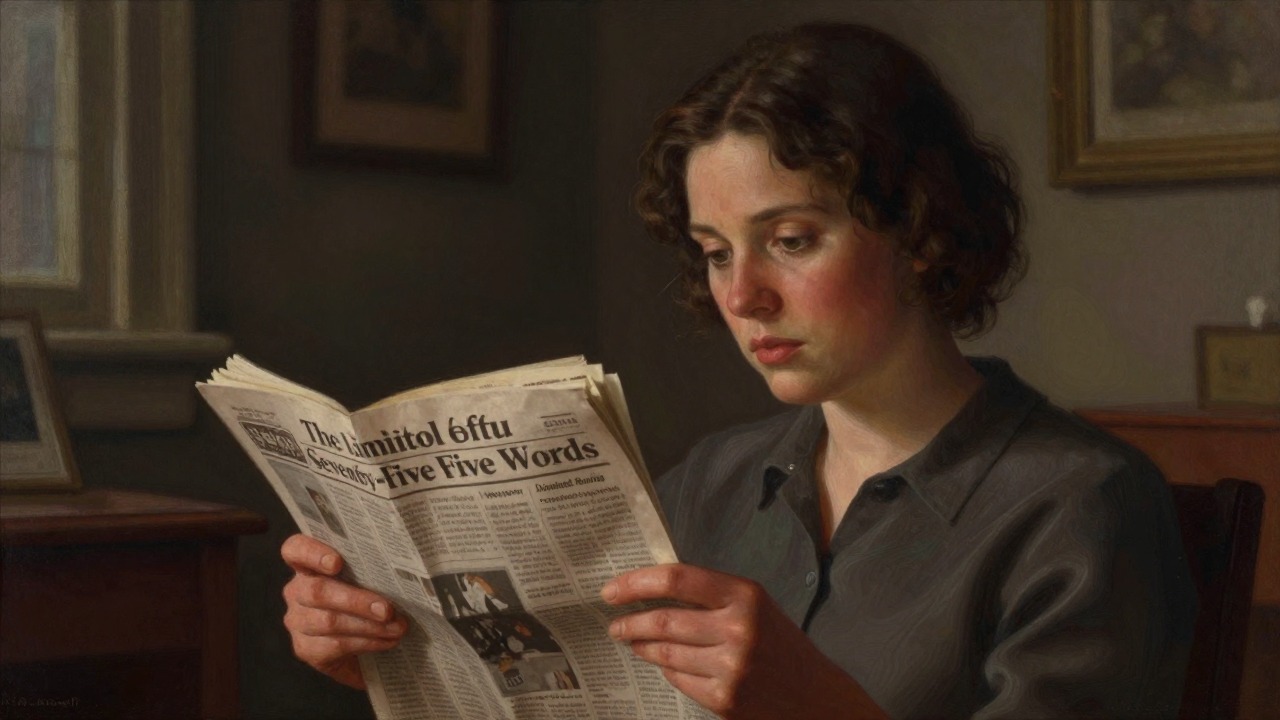
The Seventy-Five Words
A Limited Reading
Sethe can recognize only seventy-five printed words. She cannot read the newspaper clipping that tells her own story, and she knows the words she cannot understand have no more power than she has to explain.
The Oral World
Her knowledge is carried in the spoken word: stories of escape, ghost tales, the language of the body. Words written by white men have always been used against her.
The Fragile Self-Expression
When she tries to explain the infanticide to Paul D, she knows it cannot be pinned down for anyone who has to ask. The story is a circle that always returns to the simple past.
The Spelling of Beloved
The Spelling of Beloved
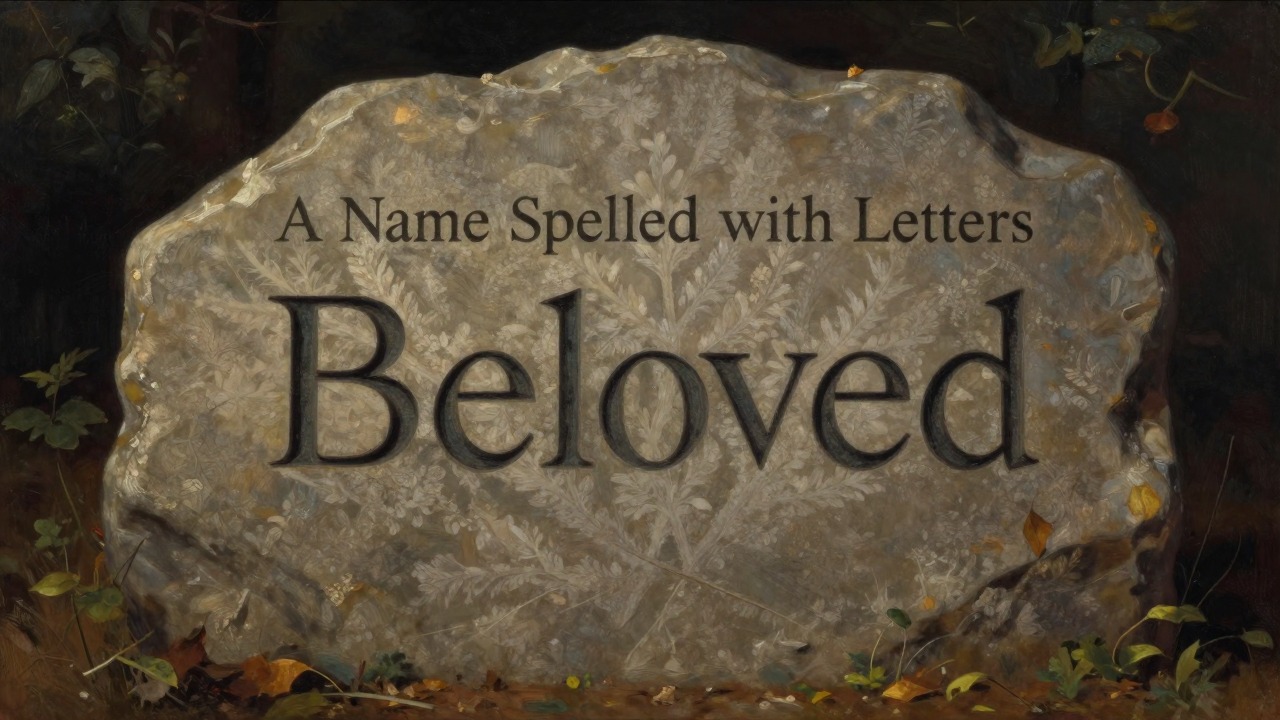
A Name Spelled with Letters
Beloved spells her name slowly, as though the letters are being formed as she speaks. Paul D recognizes the careful enunciation of someone who memorized their name without being able to read.
The Name on the Stone
The name is the word Sethe bought on the headstone. Beloved's spelling connects the ghost to the engraved word, uniting oral memory and written monument.
The Power of Claiming
By choosing the name Beloved, the woman from the water claims an identity that exists both in the grave and in the house. The word is not merely a label; it is a force.
Lady Jones's School
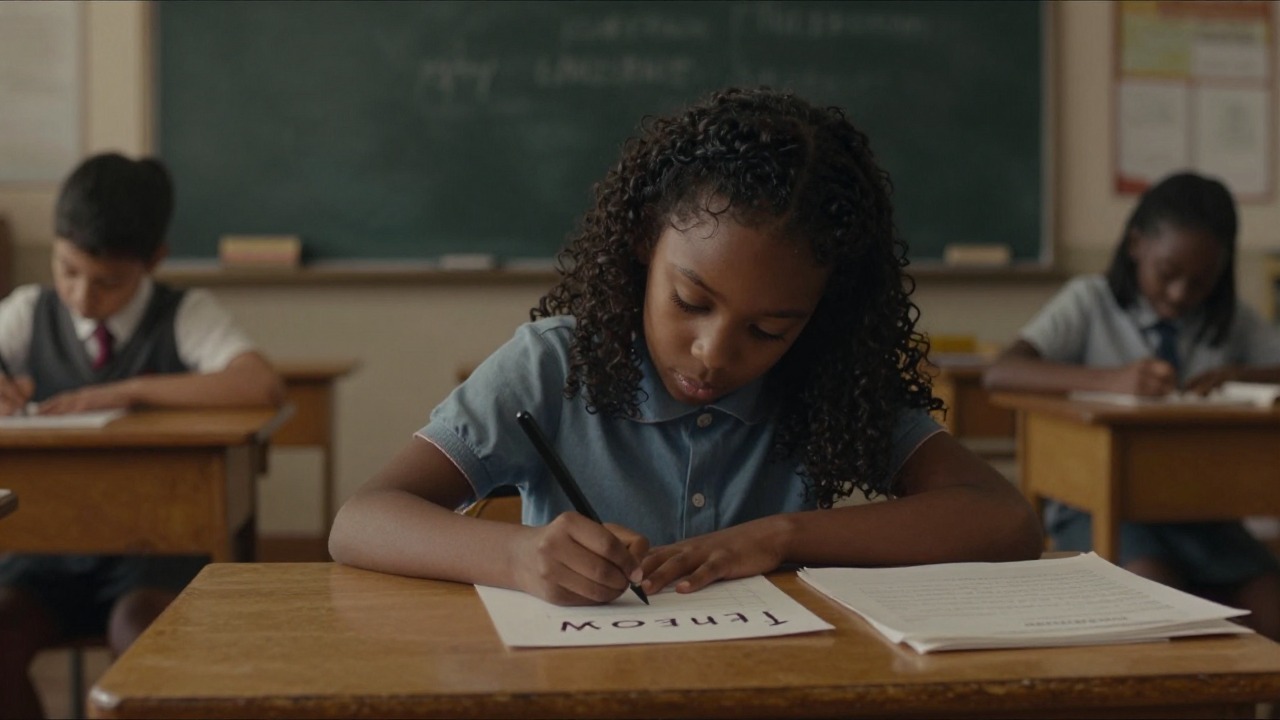
Lady Jones's School
The Little i
Denver learns to write the capital W and the little i, and the letters of her name. The alphabet becomes a kind of magic; she practices every day and stars every afternoon.
The Deafness and the Silence
The school is closed to her when Nelson Lord's question makes her stop hearing. Without words, she is cut off from learning and from the world.
The Return to Reading
Later, Denver reads the gift Bible from Lady Jones, the fifty-two pages with one for each week. The act of reading brings her back to speech and to self-respect.
Book Stuff at the Bodwins'
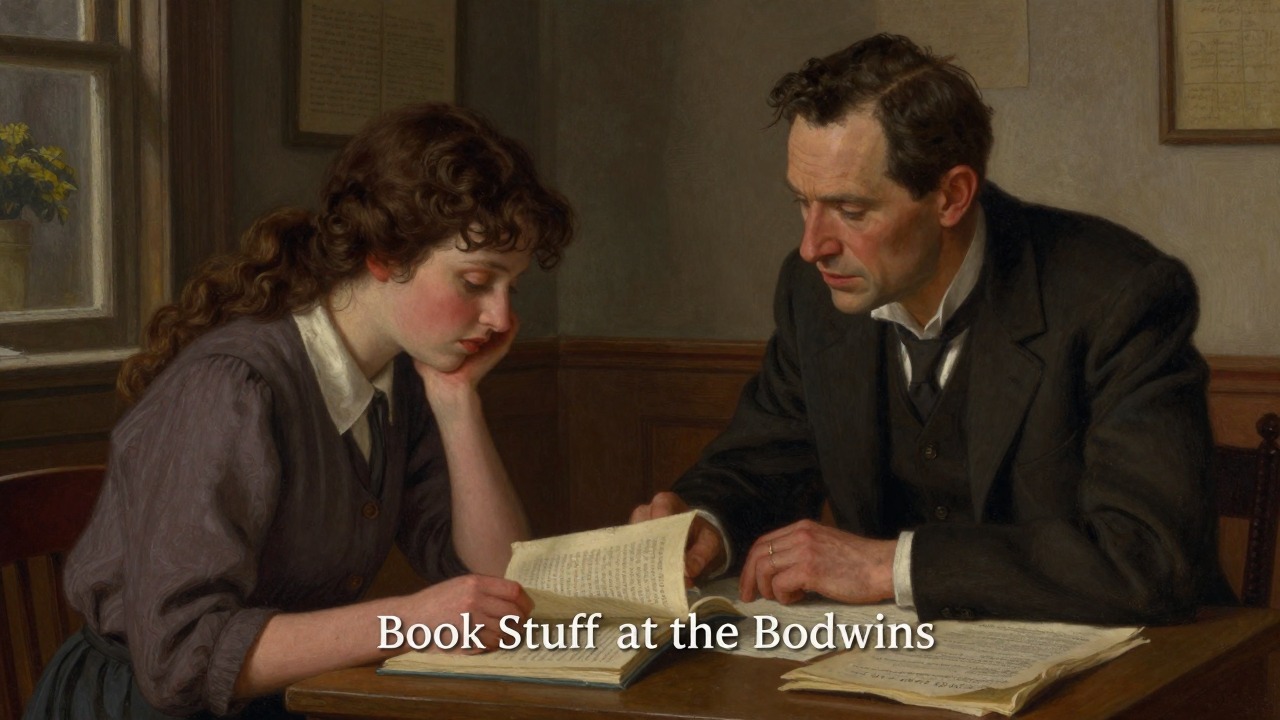
Book Stuff at the Bodwins'
An Experiment on a Girl
Miss Bodwin teaches Denver "book stuff" and suggests she might go to Oberlin. The white woman's literacy is a gift that Denver can take without being consumed by it.
The Danger of the White Teacher
Paul D wants to warn Denver: nothing in the world is more dangerous than a white schoolteacher. But Miss Bodwin is different—she offers learning as a path to freedom, not classification.
The Future in the Letters
Denver's acquisition of the alphabet becomes the final step away from her mother's haunted house. The written word that imprisoned Sethe becomes the key for Denver's escape.
at Sweet Home, while schoolteacher is in residence
Sethe's years at 124
the moment Beloved gives her name
Denver's childhood and the years of deafness
after Denver begins night work
