
The Unpassable Story: Erasure and Weather
BelovedReflects on how the novel deliberately resists being a closed narrative, ending with forgetfulness, footprints, and Beloved's ambiguous absence.
increasing Bearing strength in each event
 decreasing
Bearing strength in each eventdecreasingSixty Million and More
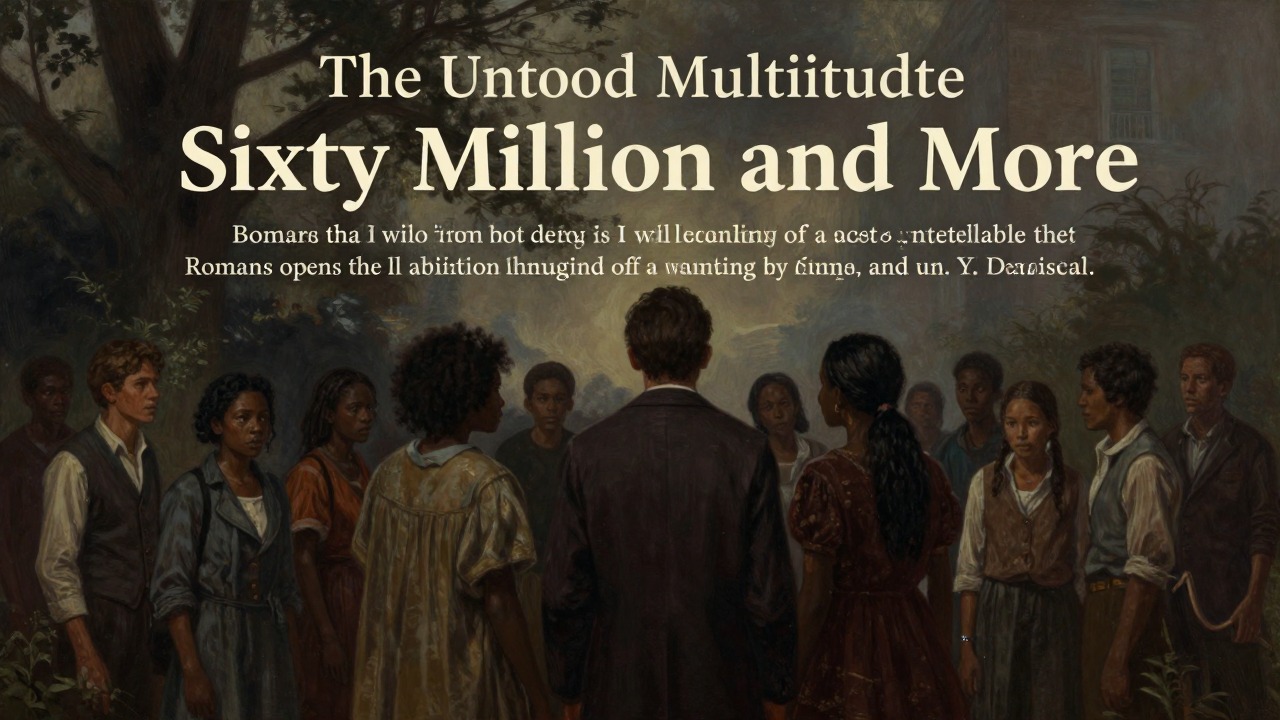
Sixty Million and More
The Untold Multitude
The epigraph "Sixty Million and more" and the verses from Romans suggest that Beloved is not one story but the accounting of a vast, untellable dead. The novel opens by claiming an impossible inheritance.
The Names That Are Not
"I will call them my people, which were not my people; and her beloved, which was not beloved." The language of the epigraph points to the unclaimed, the disremembered.
The Story's Vastness
The novel will try to tell one ghost's story, but the shadow of sixty million others hangs over every page. The book knows it cannot pass on all of it.
The Fragmented Monologue
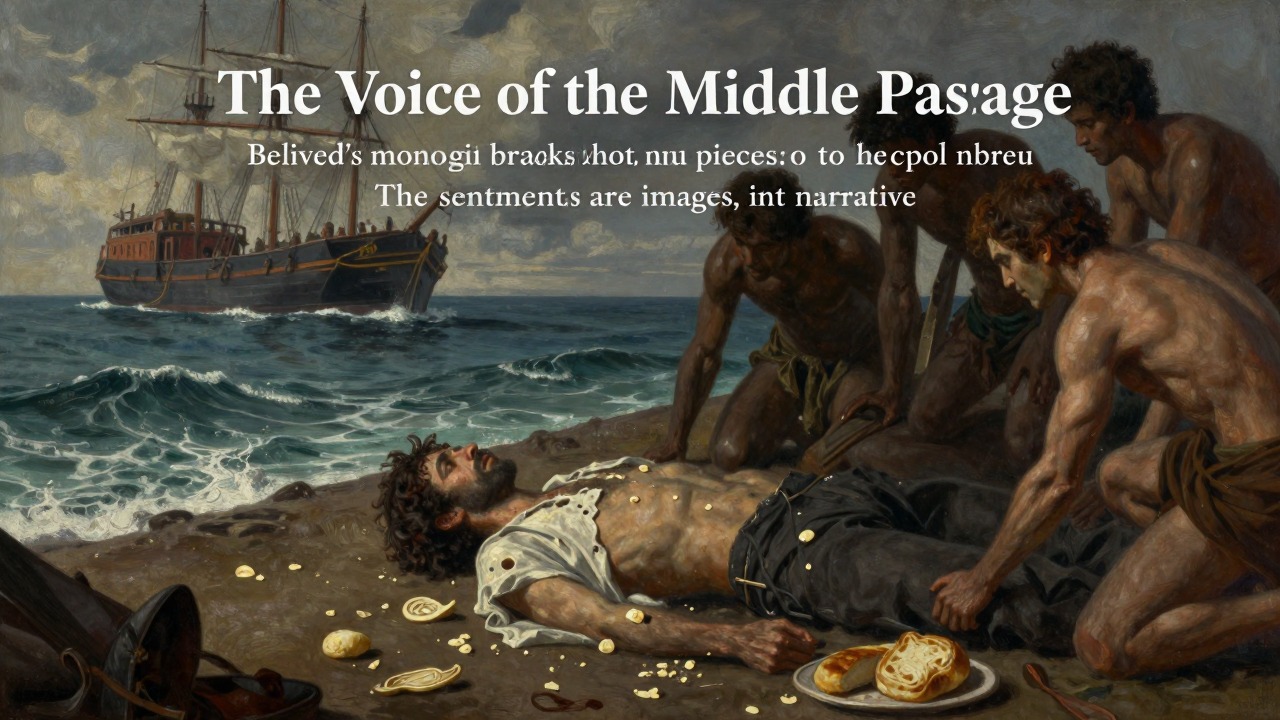
The Fragmented Monologue
The Voice of the Middle Passage
Beloved's monologue breaks into pieces: the crouching, the dead man on her face, the men without skin, the sea-colored bread. The sentences are images, not narrative.
The Impossible Witness
Beloved speaks of the sea, the ship, the hill of dead people, and the face she lost. Her language cannot be a coherent story because the experience is unspeakable.
The Collapse of the Self
Her final lines merge into a chant: "I am Beloved and she is mine." The identity of the ghost is fluid—she is the baby daughter, but she is also the millions who did not survive the water.
This Is Not a Story to Pass On
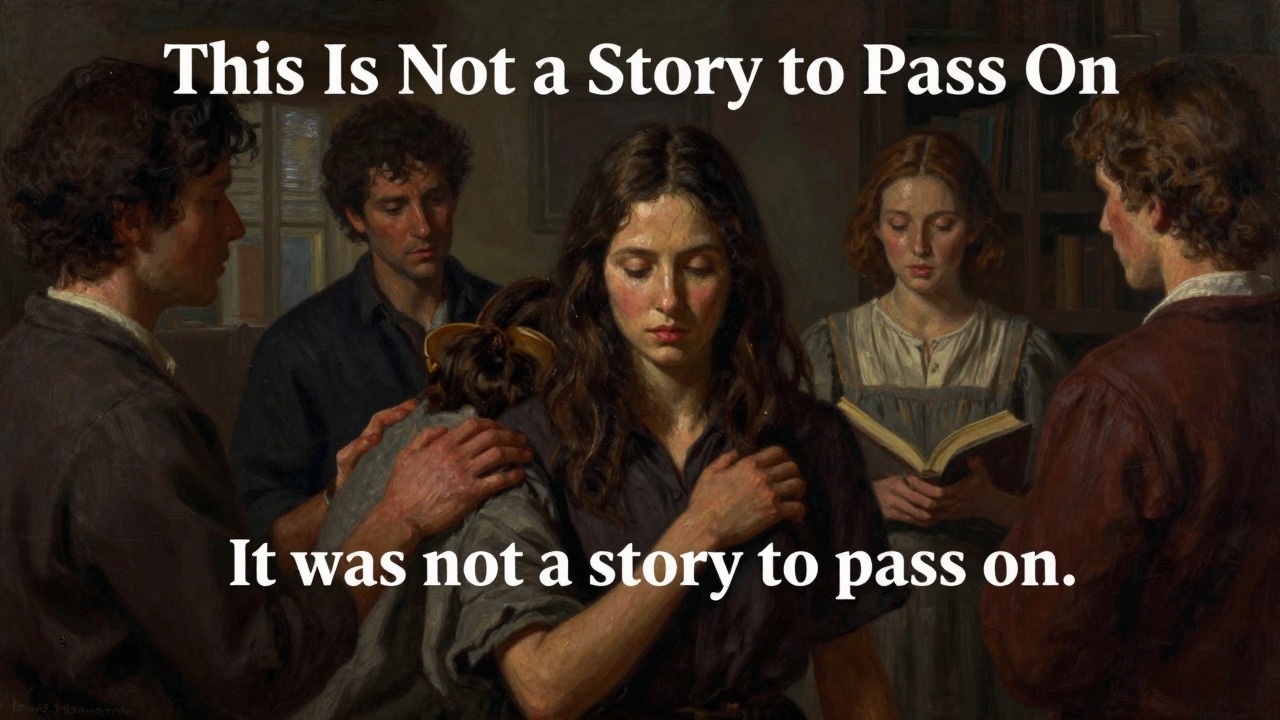
This Is Not a Story to Pass On
The Refusal
The narrator repeats "It was not a story to pass on" and "This is not a story to pass on." The phrase both forbids and invites transmission; the story is too painful to become a useful tale.
The Forgetting
The people who saw Beloved forget her; those who lived with her cannot repeat a single thing she said. Remembering seems unwise. The novel becomes a memory of a memory.
The Paradox
The act of refusing to pass on the story is itself a way of passing it on. Beloved cannot be contained, but she also refuses to be dismissed.
The Footprints and the Water
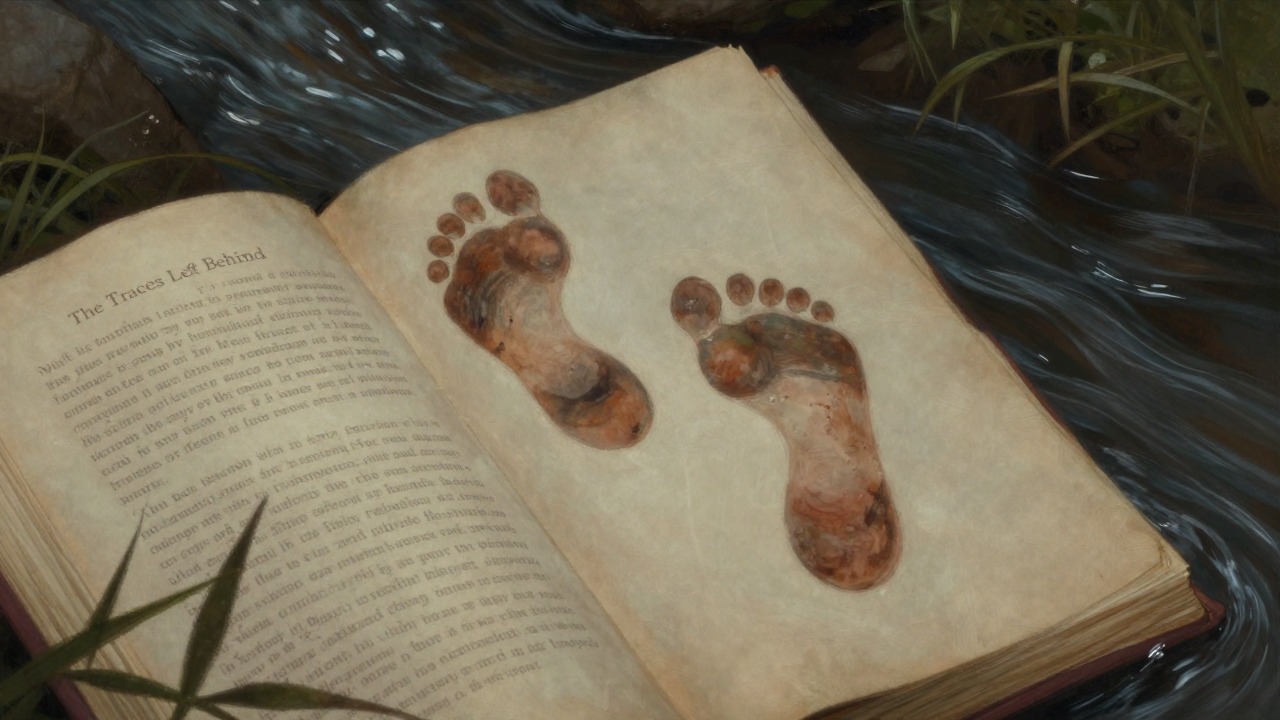
The Footprints and the Water
The Traces Left Behind
Beloved's footprints come and go by the stream. They are so familiar that any child or adult's feet fit them, and then they disappear. The presence leaves a shape that can be filled by anyone.
The Water Forgotten
"What is forgotten is not only the footprints but the water too." The erasure is total: the stream, the path, and the person are washed out of the world.
The Weather of the End
The rest is weather: wind in the eaves, spring ice thawing too quickly. The tragedy becomes part of the natural cycle, something that cannot be named but can be felt.
Beloved's Eternal Return as Echo
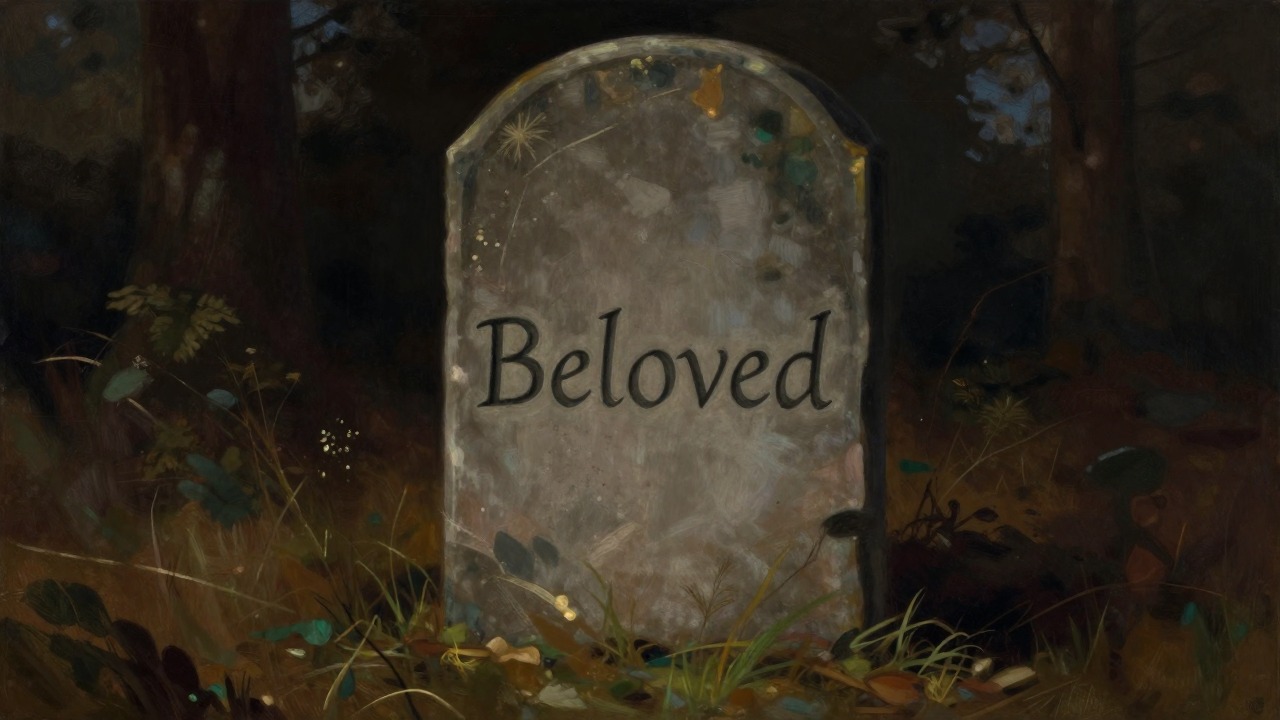
Beloved's Eternal Return as Echo
The Lone Word
The novel ends with the word "Beloved." It is not a sentence, not a claim, but a name floating over the story like a breath after death.
The Unresolved Presence
The name is both a gravestone and a call. It cannot be forgotten, even though the story says it should not be passed on.
The Open Wound
Beloved remains not as a ghost but as an echo, a question mark. The story closes, but the account of sixty million and more is not settled.
the novel's epigraph and opening pages
the section where Beloved speaks in broken stream-of-consciousness
the final chapter, as the narrator steps back
the final pages of the novel
the closing word of the novel
