
The Discovery of the Vampire's True Identity
CarmillaTraces the gradual unveiling of Carmilla's real nature as the centuries-old vampire Countess Mircalla Karnstein.
increasing Bearing strength in each event
 decreasing
Bearing strength in each eventdecreasingThe Portrait of Mircalla
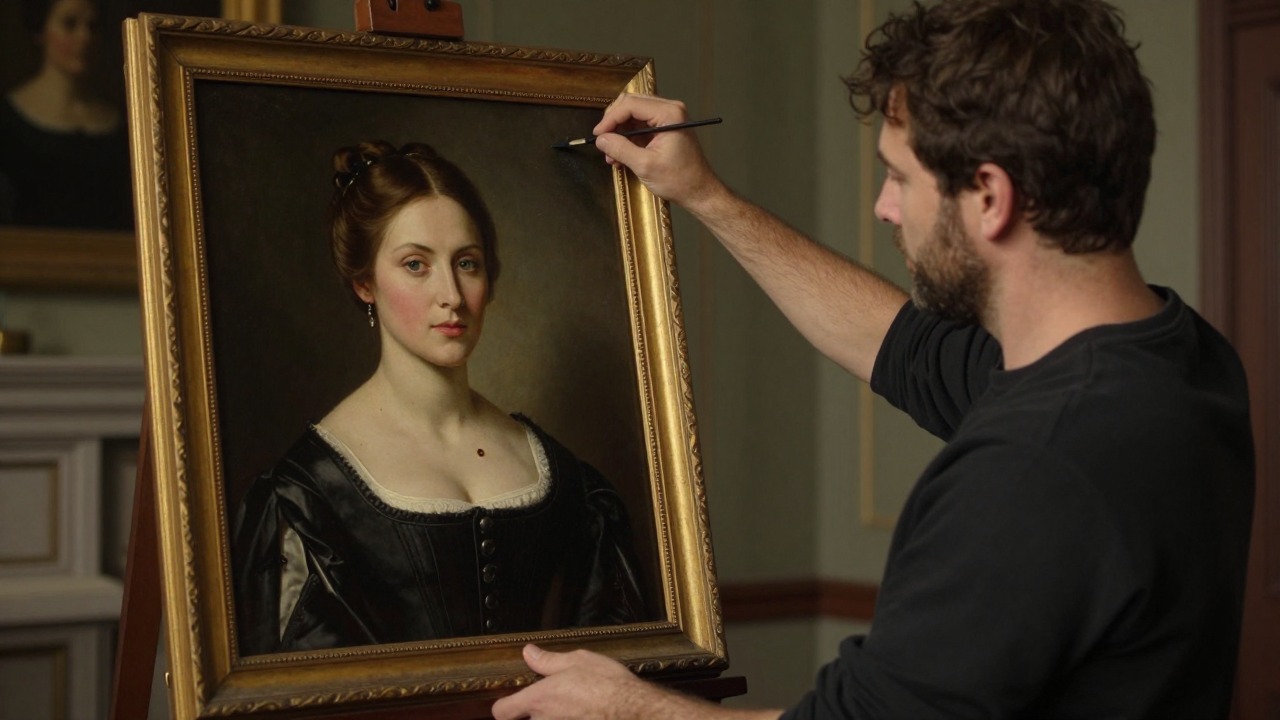
An Uncanny Likeness
Restoration of an Old Painting
A picture cleaner arrives at the schloss with restored portraits. Among them is a small painting of a woman named Marcia Karnstein, dated 1698. When cleaned, it reveals a stunningly accurate image of Carmilla, down to the tiny mole on her throat. The name is actually Mircalla, Countess Karnstein.
Laura's Fascination
Laura is struck by the resemblance and begs to hang the portrait in her room. Carmilla shows only a languid interest, but the portrait serves as a visual clue to her true identity. Laura's father, however, seems uneasy, perhaps sensing the connection to the extinct Karnstein family and their dark history.
Clues from Carmilla's Behavior
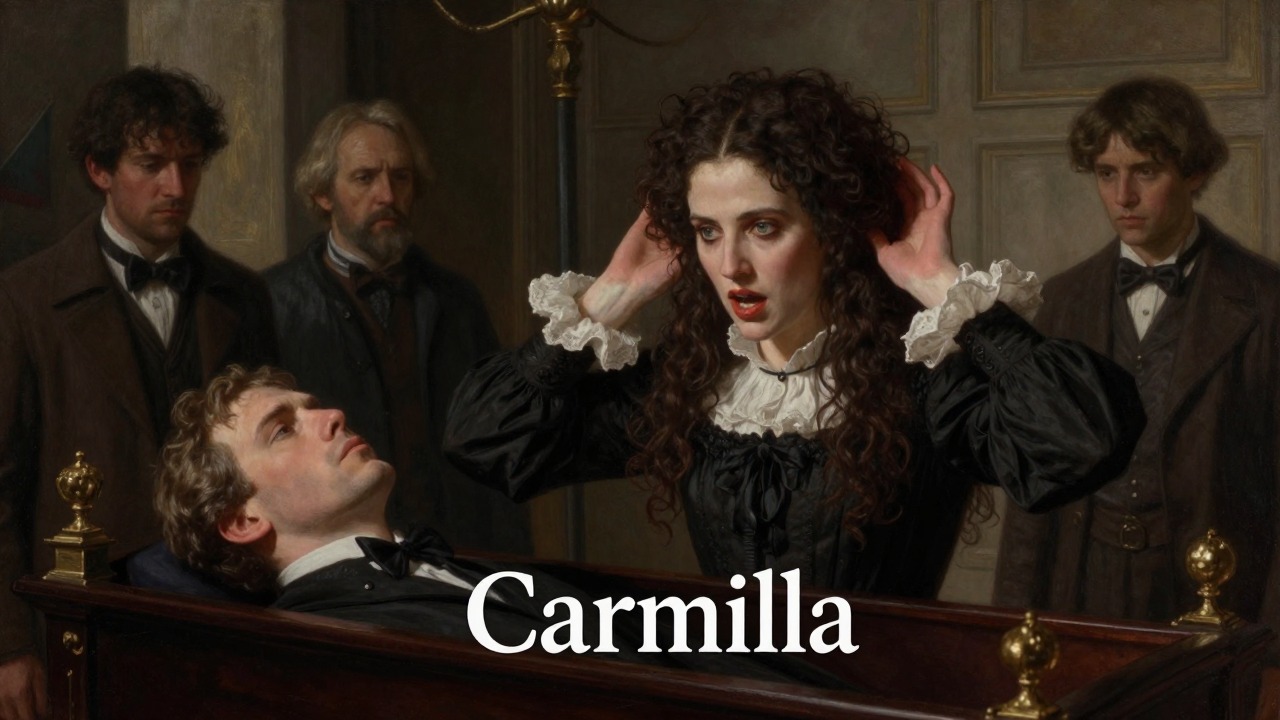
Signs of the Supernatural
Aversion to Religion and Funerals
Carmilla's habits—rising late, refusing to eat, avoiding prayers, and expressing hatred for funeral hymns—mark her as something other than human. She reacts violently to the passing of a peasant's funeral, stopping her ears and claiming the music wounds her. Her disdain for Christian rituals and her fear of ghosts suggest a creature of darkness.
Hints of Her Past
In rare moments, Carmilla alludes to a distant homeland, strange customs, and a long-ago illness that left her weak. She speaks of a "cruel love" that took her blood. These fragments, combined with the portrait, begin to form a picture of a vampire who has lived for centuries.
The Mountebank's Warning
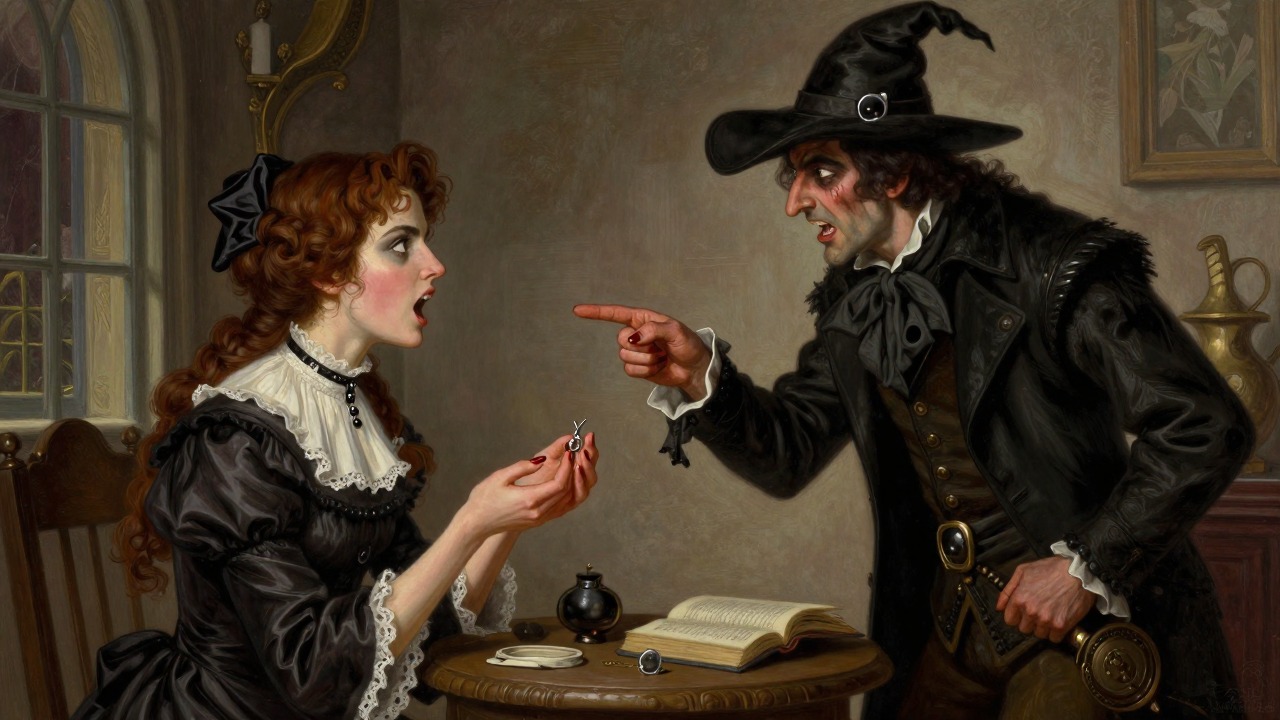
A Prophet in Disguise
The Hunchback's Offer
A traveling mountebank visits the schloss, selling charms against the oupire (vampire). He points directly at Carmilla, noting her sharp, pointed tooth, and offers to file it down. Carmilla reacts with fury, but Laura buys a charm anyway. The mountebank's words—that the oupire is "going like the wolf" through the woods—reinforce the supernatural threat.
A Veiled Truth
Though Carmilla dismisses the encounter as impertinent, the mountebank's insight reveals that he sees through her disguise. The charm, while possibly a placebo, provides a symbolic protection. This scene foreshadows the revelation that the vampire plague is real and connected to Carmilla.
General Spielsdorf's Account
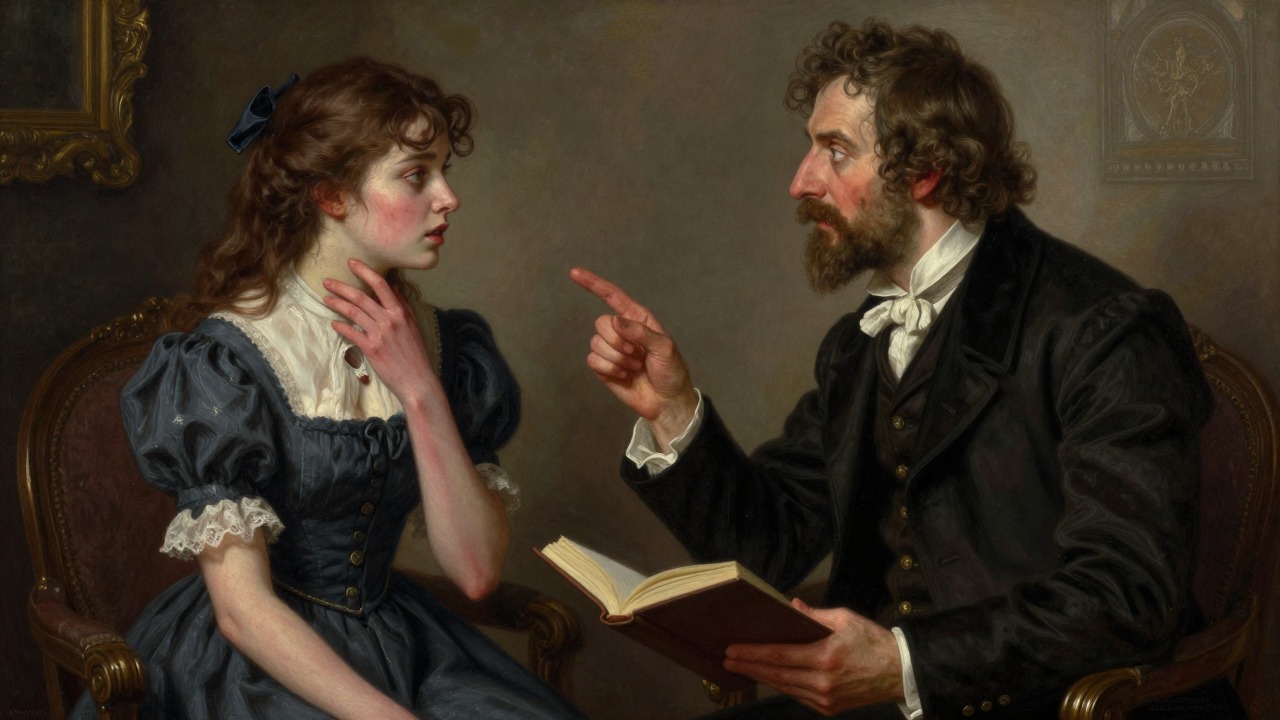
The Parallel Story
Bertha's Death and the Vampire Millarca
General Spielsdorf narrates the story of his niece's death, describing a young woman named Millarca who exactly matches Carmilla's description. The symptoms—nightmares, puncture marks, strangulation—are identical to Laura's. The General's revelation that Millarca is a vampire who preys on young women exposes Carmilla's true nature.
The Name Game
Carmilla, Millarca, and Mircalla are anagrams, as the General later explains. This linguistic clue confirms the vampire's identity across centuries. The story of the Moravian nobleman who killed a vampire at Karnstein further validates the supernatural context.
The Confrontation in the Chapel
Recognition and Escape
The General's Attack
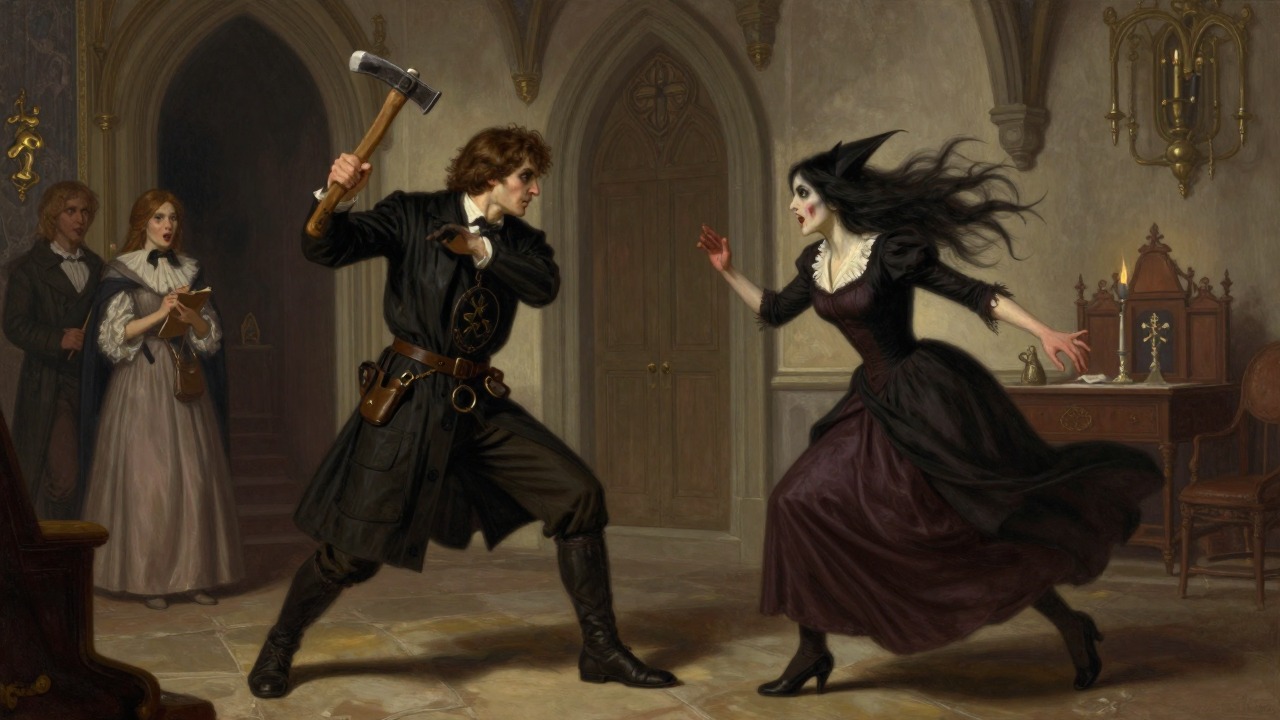
When Carmilla enters the Karnstein chapel, the General immediately recognizes her as Millarca. He grabs the woodman's hatchet and strikes, but she dodges and escapes. Laura witnesses the transformation of her friend into a creature of horror. The attack confirms beyond doubt that Carmilla is the vampire.
The Aftermath of Revelation
Laura is left in shock, while the General and her father consult with Baron Vordenburg. The vampire's identity is now certain, and the hunt for her tomb begins. The chapel, filled with the tombs of the Karnsteins, becomes the site of the final confrontation.
The Tomb of Mircalla
The Final Proof
The Exhumation
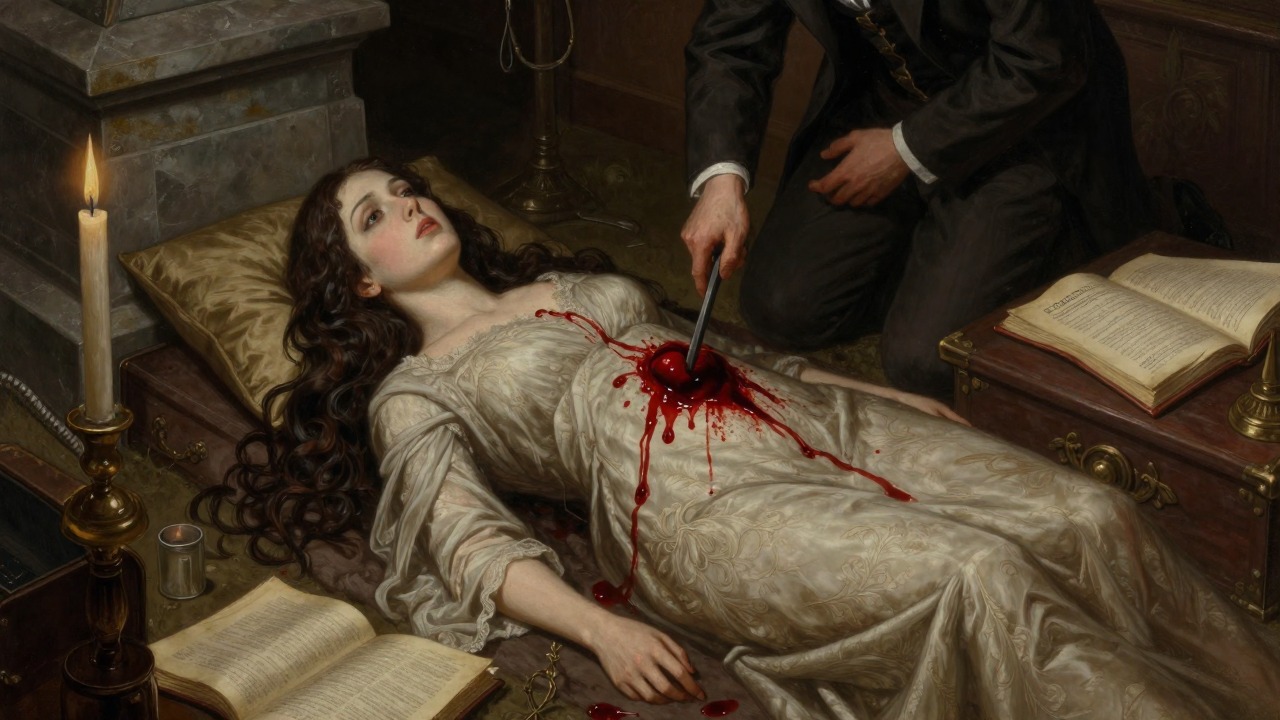
Baron Vordenburg's papers lead the commission to the hidden tomb of Countess Mircalla Karnstein, buried 150 years earlier. The body is found with fresh blood, open eyes, and a beating heart—all signs of vampirism. The legal execution follows: a stake through the heart, decapitation, and burning.
Identity Confirmed
The corpse is unmistakably Carmilla's. The anagrammatic name—Mircalla, Millarca, Carmilla—is now fully understood. The vampire's true identity, once a mystery, is finally laid bare, and her destruction ends the curse.
after the first few days of Carmilla's stay
during the weeks of her stay
one afternoon during Carmilla's stay
during the carriage ride to Karnstein
the same day
the next day
