
The Theme of the Anagrammatic Name
CarmillaExamines the significance of the vampire's name shifting through anagrams, symbolizing her unchanging predatory nature beneath different identities.
increasing Bearing strength in each event
 decreasing
Bearing strength in each eventdecreasingThe Name Mircalla
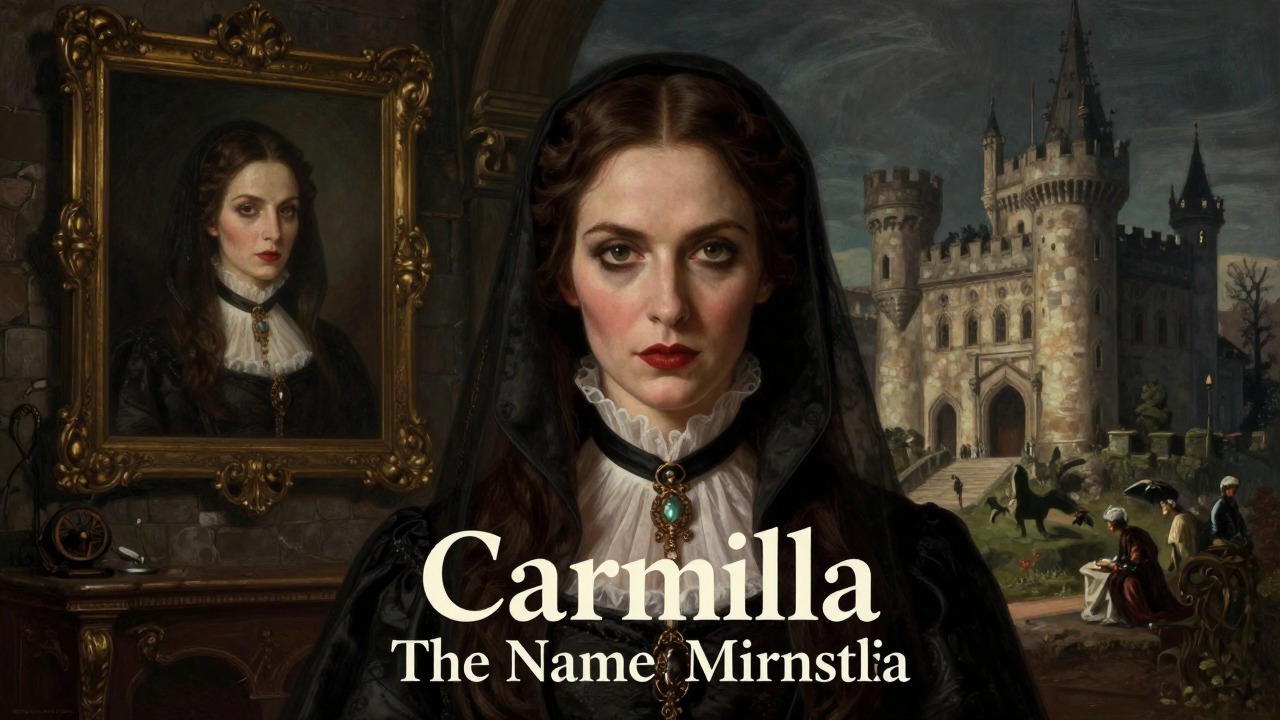
The Original Name
The Countess of Karnstein
The portrait reveals the name Mircalla, Countess Karnstein, dated 1698. This is the vampire's original identity. The name is associated with the extinct family and the ruined castle.
A Link to the Past
Mircalla is the root of the anagrams. The name is a key to understanding the vampire's history. The discovery of the portrait is the first step in uncovering the name's significance.
The Name Millarca
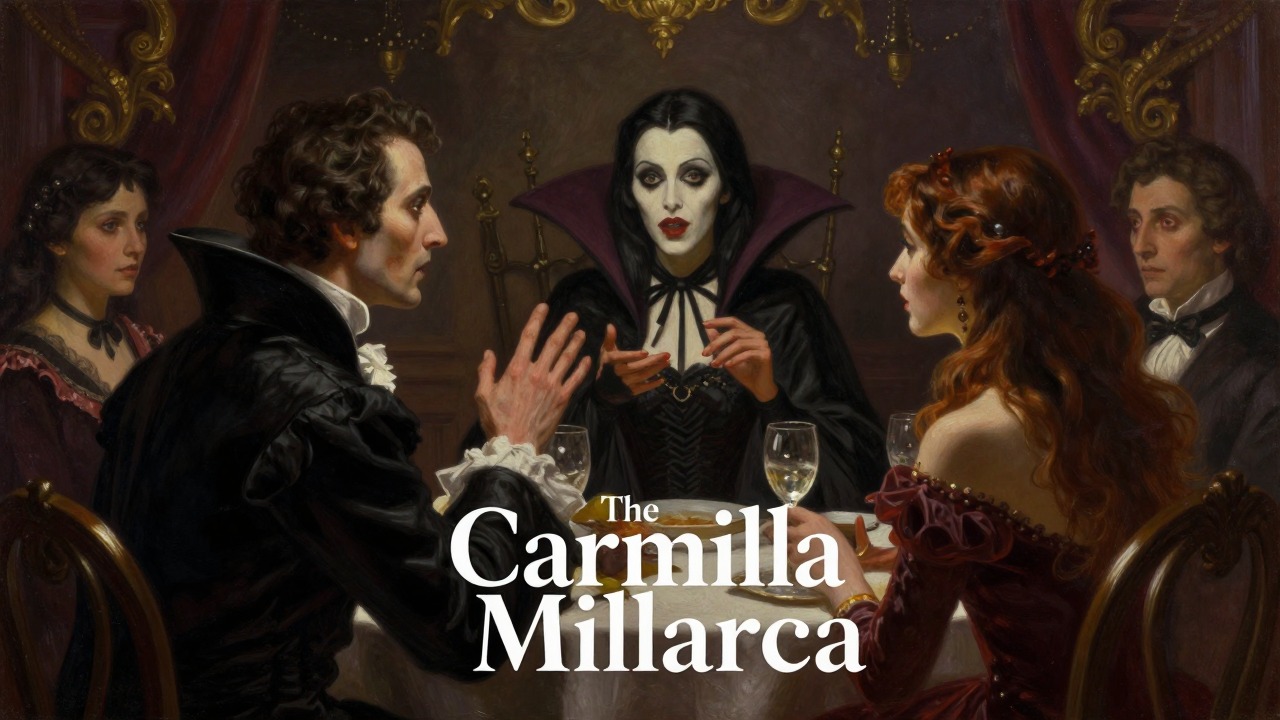
A New Name, Same Creature
The Masked Ball
General Spielsdorf encounters the vampire under the name Millarca at the ball. The name is an anagram of Mircalla. The vampire uses a different name to avoid detection, but the letters are the same.
The Pattern of Deception
The anagrammatic name is a clue that the vampire is the same person across time. The General does not realize it at first, but later he connects the names. The name reveals the vampire's unchanging identity.
The Name Carmilla
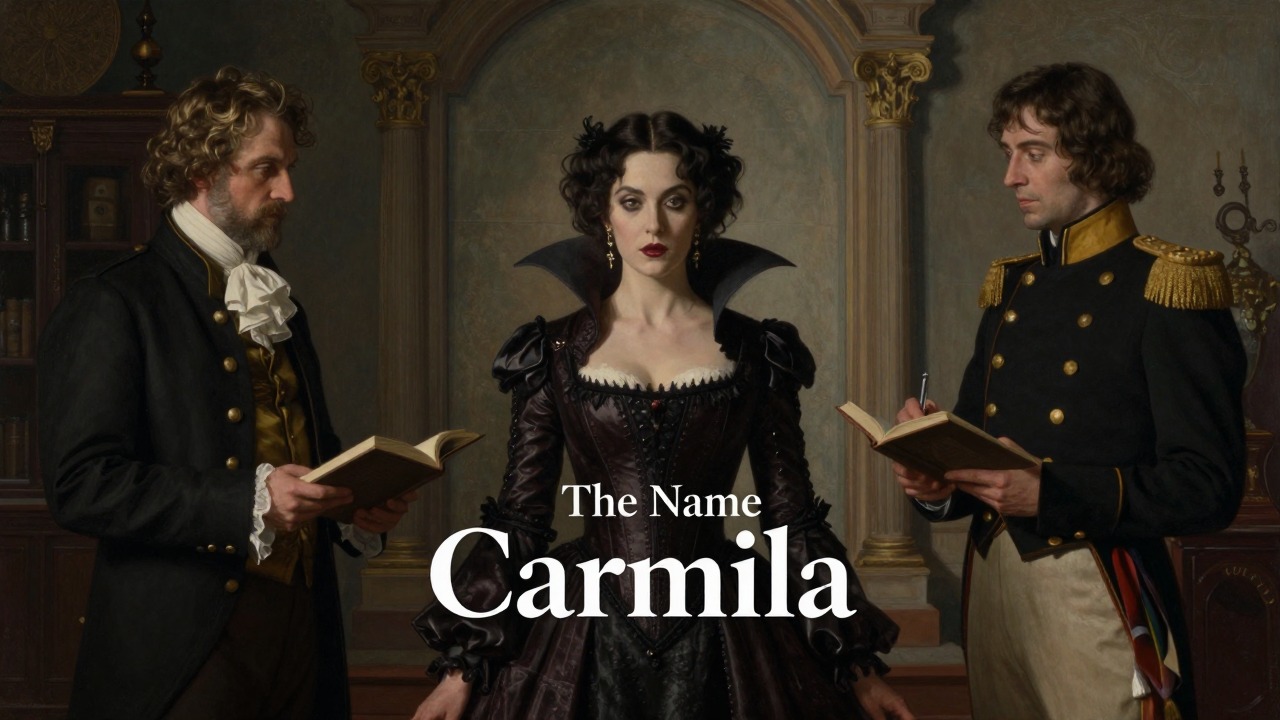
The Present Identity
The Guest at the Schloss
Carmilla is the name the vampire uses when she stays with Laura. It is another anagram of Mircalla. The name is a hint that she is the same creature who was painted in 1698 and who killed Bertha.
The Reveal
Laura's father and the General recognize the anagram. The name is a piece of evidence that confirms the vampire's identity. The anagrammatic name is a literary device that unifies the vampire's different manifestations.
The Explanation of the Anagram
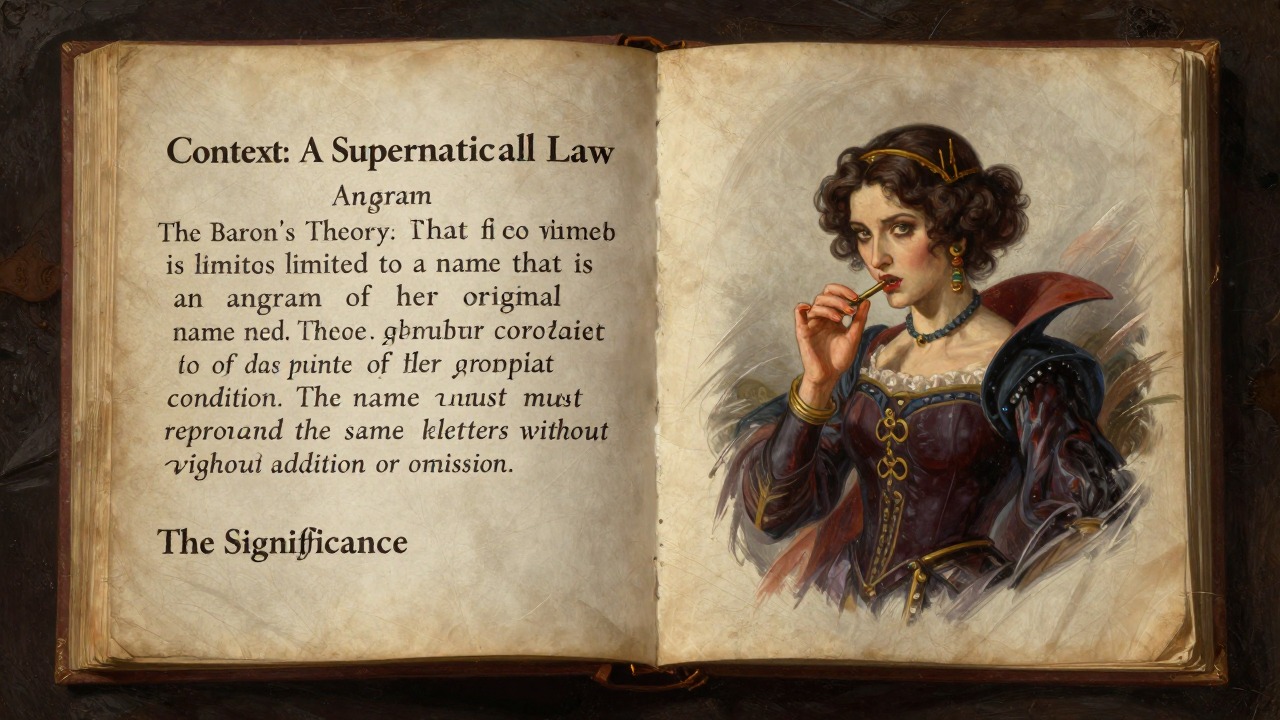
A Supernatural Law
The Baron's Theory
Baron Vordenburg explains that the vampire is limited to a name that is an anagram of her original name. This is a peculiar constraint of the vampire condition. The name must reproduce the same letters without addition or omission.
The Significance
The anagrammatic name is a symbol of the vampire's fixed nature. She cannot change her essential identity, even as she adopts different names. The theme of the name suggests that evil is immutable, and that the vampire's true self is always present beneath the surface.
when the portrait is discovered
during the General's story
during Laura's story
after the vampire's destruction
