
Internal Conflict: Willy's Self-Deception vs Reality
Death of a SalesmanWilly's internal struggle between his dream of success and the crushing reality of his failure, leading to psychological fragmentation.
increasing Bearing strength in each event
 decreasing
Bearing strength in each eventdecreasingThe Dream of Success
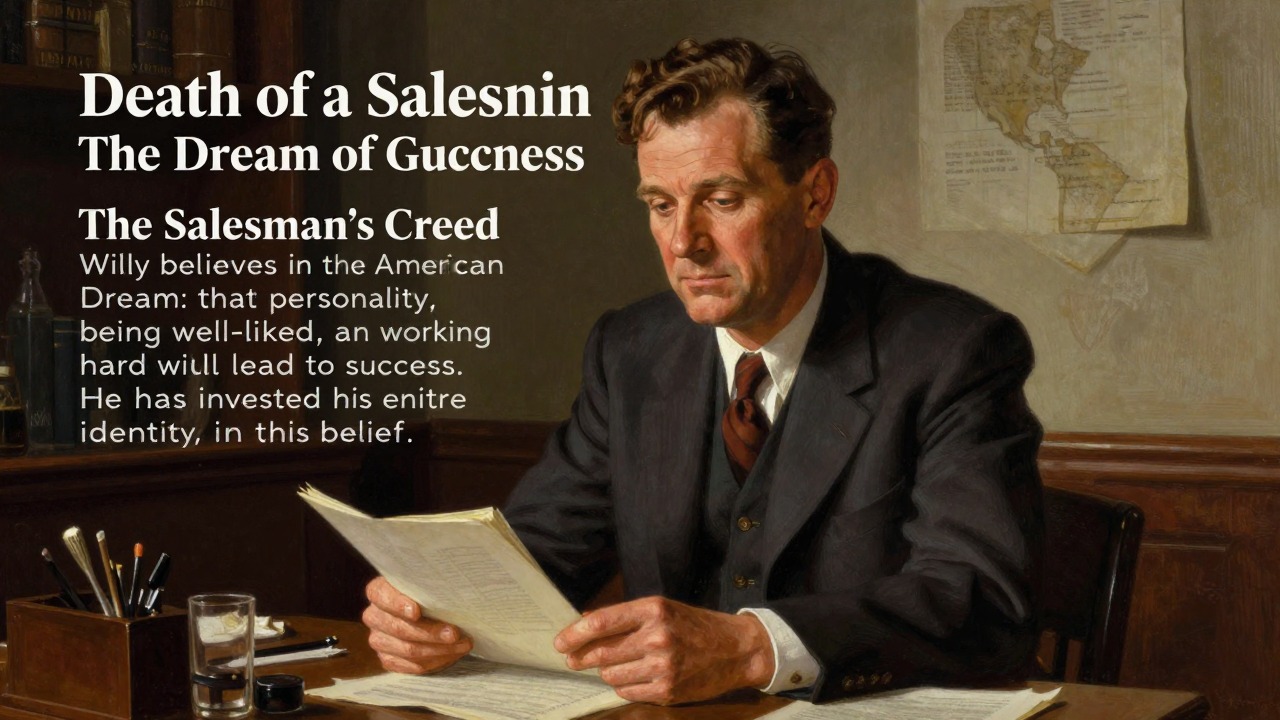
The Illusion of Greatness
The Salesman's Creed
Willy believes in the American Dream: that personality, being well-liked, and working hard will lead to success. He has invested his entire identity in this belief.
The Evidence of Failure
Despite his faith, Willy has not achieved the success he dreamed of. He is broke, tired, and fired. He borrows money from his neighbor to pay his bills. The reality contradicts his dream.
The Refusal to See
Willy cannot accept that the dream might be false. He blames external factors: the economy, his boss, his son. He rewrites history to make himself look successful. His mind is a fortress of denial.
The Intrusions of Reality
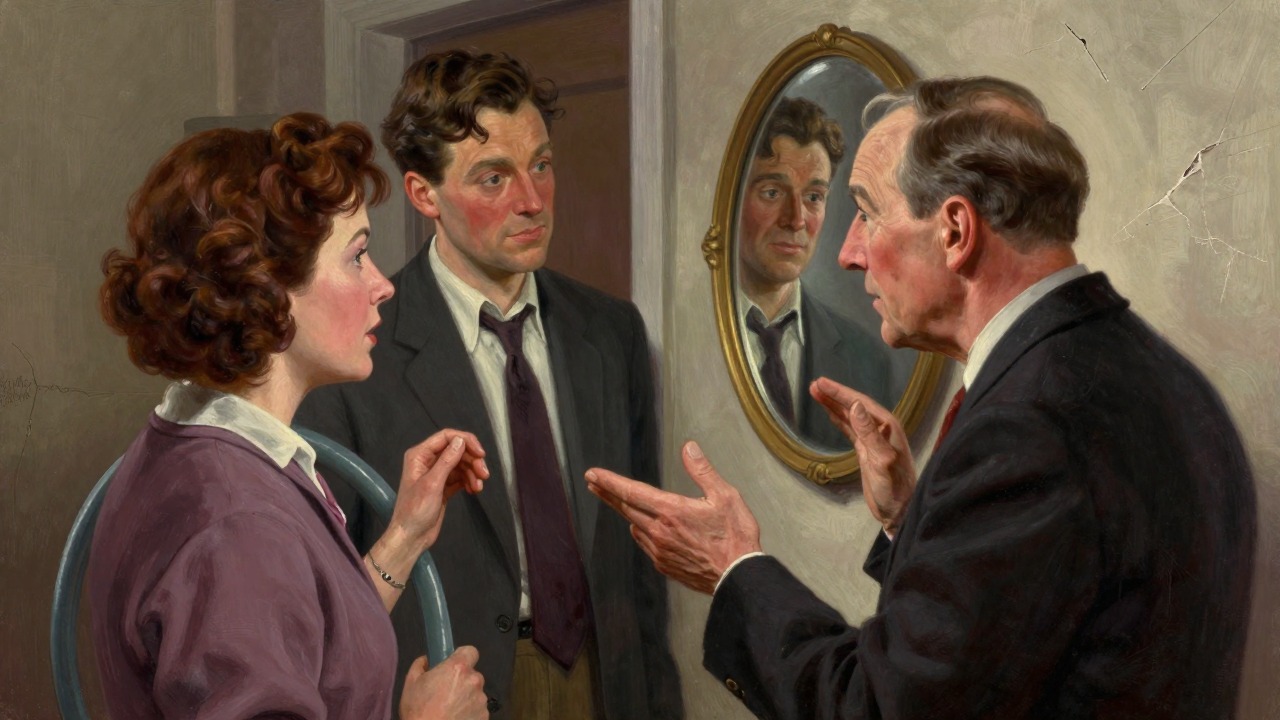
The Cracks in the Wall
The Witness of His Family
Linda, Biff, and Happy see the truth of Willy's failure. Linda knows about the hose, the borrowing, the lies. Biff knows about the affair. Their presence challenges Willy's fantasy.
The Mirror of Charley
Charley offers Willy a job, a clear acknowledgment that Willy is a failure. Willy cannot accept it because it would mean admitting defeat. Charley's success is a constant reminder of what Willy lacks.
The Incidents of the Day
Willy's firing, Biff's failed loan, the restaurant breakdown—each event forces reality upon him. He retreats into the past, where he was successful and loved. The conflict between dream and reality tears him apart.
The Final Choice
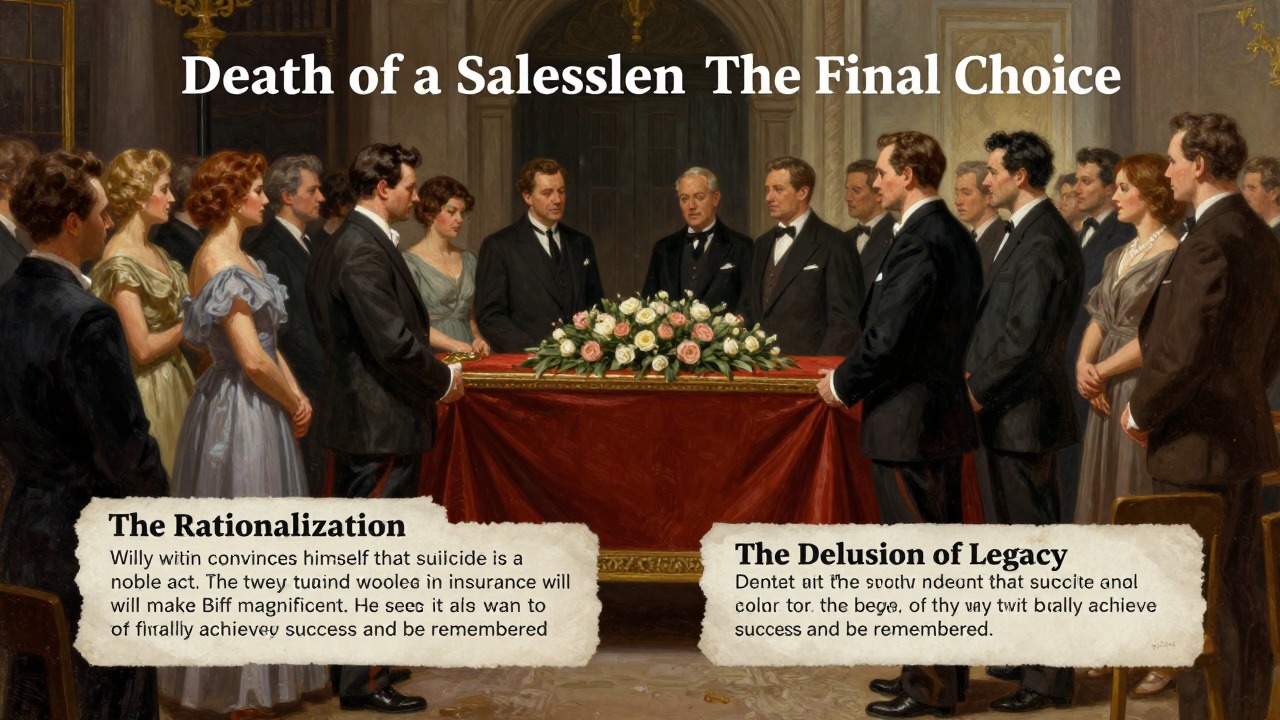
The Suicide as Solution
The Rationalization
Willy convinces himself that suicide is a noble act. The twenty thousand dollars in insurance will make Biff magnificent. He sees it as a way to finally achieve success and be remembered.
The Delusion of Legacy
Willy imagines a massive funeral, with buyers and salesmen from all over New England. He believes he will be known, loved, and avenged. The fantasy sustains him in his final moments.
The Tragic Irony
Willy's suicide is both a surrender to reality and a final act of denial. He cannot live with the truth, so he chooses to die for a lie. The internal conflict ends with his death, but the dream remains unfulfilled.
Throughout his life
Throughout the present day
Late night, present day
