The only thing you got in this world is what you can sell
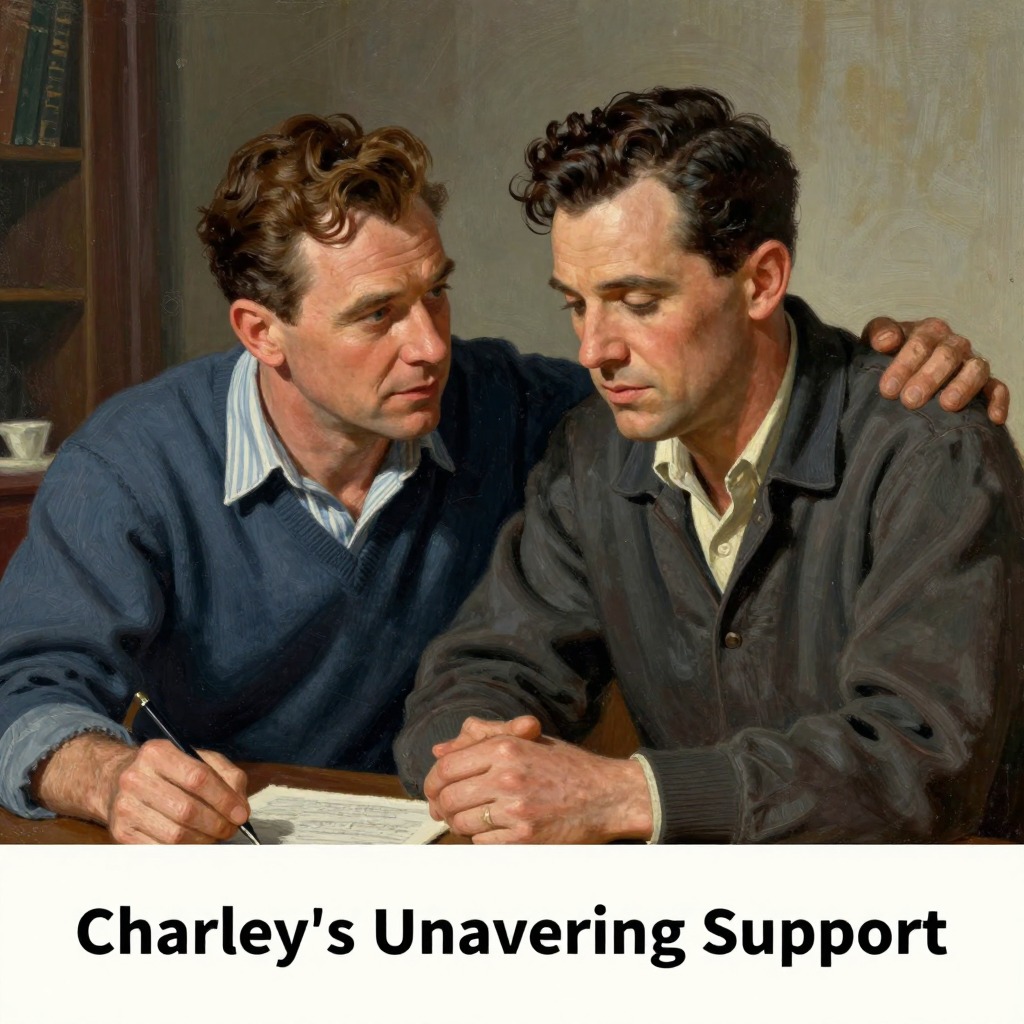
Death of a SalesmanCharley, Willy Loman's pragmatic next-door neighbor, delivers the line "The only thing you got in this world is what you can sell" during a tense conversation in his office after Willy has been fired by Howard Wagner. The remark crystallizes a worldview that stands in stark opposition to Willy's cherished belief in being "well liked" and the power of personal charm. Charley speaks from a position of steady, unglamorous success; he runs a small business, employs Bernard, and has offered Willy a job multiple times, an offer Willy consistently refuses out of pride. The line is not delivered cruelly but as a blunt statement of fact, a piece of hard-won wisdom from a man who has built his life on practical competence rather than dreams of being beloved.
The Rule and Its Context
The statement emerges in Act Two, after Willy has confessed to Charley that he was just fired. Charley, who has already offered Willy a job, presses him to accept reality. When Willy protests that he named Howard Wagner and expected loyalty in return, Charley dismisses that logic: "You named him Howard, but you can't sell that." He then delivers the rule: "The only thing you got in this world is what you can sell. And the funny thing is that you're a salesman, and you don't know that." The irony is pointed: Willy, who has spent his entire career selling, has never understood that the product he must ultimately sell is himself, and that his value is determined not by his personal qualities but by his marketability. Charley's rule reduces human worth to exchange value, a principle that Willy has internalized without recognizing its full implications.
Contrast with Willy's Philosophy
Willy's entire life has been built on the opposite premise: that being "well liked" is the key to success, that personality and contacts can substitute for tangible achievement. He tells his sons that "the man who makes an appearance in the business world, the man who creates personal interest, is the man who gets ahead. Be liked and you will never want." Charley's rule directly contradicts this. Where Willy believes in the magic of personal charm, Charley insists on the primacy of what can be exchanged. The rule exposes the gap between Willy's self-image and his actual circumstances: he is a salesman who cannot sell, a man who has borrowed fifty dollars a week from Charley and pretended it was his pay. Charley's line is the voice of a reality Willy has spent his life evading.
The Rule's Thematic Significance
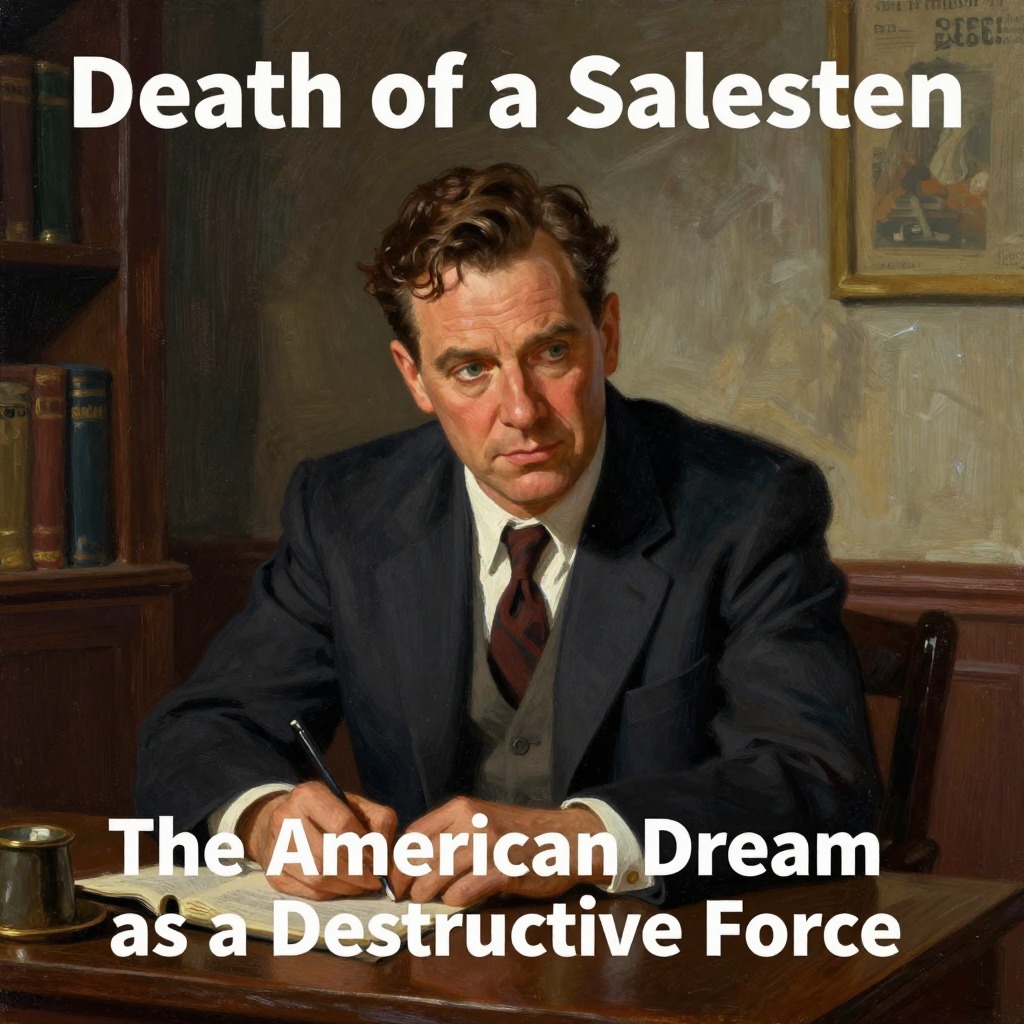
Charley's statement functions as a thematic anchor for the play's critique of the American Dream. It suggests that in a capitalist society, a person's worth is ultimately determined by their ability to sell something—whether goods, services, or themselves. Willy, who has bought the dream of effortless success through personal magnetism, finds himself with nothing to sell when his charm no longer works. The rule also explains Charley's own success: he does not rely on being liked but on providing a service that people need. Yet Charley is not a villain; he is the one who lends Willy money, offers him a job, and speaks at his funeral with genuine pity. His rule is not a celebration of materialism but a recognition of how the world actually operates. In the Requiem, Charley expands on this idea, describing the salesman's life as one with "no rock bottom," a man "way out there in the blue, riding on a smile and a shoeshine." The rule, then, is both a diagnosis of Willy's failure and a lament for the precariousness of a life built on selling rather than making.
The Rule's Enduring Resonance
The line has become one of the most quoted in American drama, often cited as a succinct expression of the commodification of human relationships under capitalism. It resonates beyond the play's specific context, speaking to anyone who has felt that their value is measured by their marketability. In the world of Death of a Salesman, the rule is inescapable: Willy's suicide is itself a final transaction, an attempt to trade his life for the twenty thousand dollars in insurance money that he believes will redeem him in his son's eyes. Charley's rule, then, is not just a piece of advice but the governing logic of the world that destroys Willy Loman.