
Samuel Hamilton's Philosophical Wisdom
East of EdenThe development and impact of Samuel Hamilton's philosophical ideas, especially his understanding of the Cain and Abel story.
increasing Bearing strength in each event
 decreasing
Bearing strength in each eventdecreasingThe Love of Learning
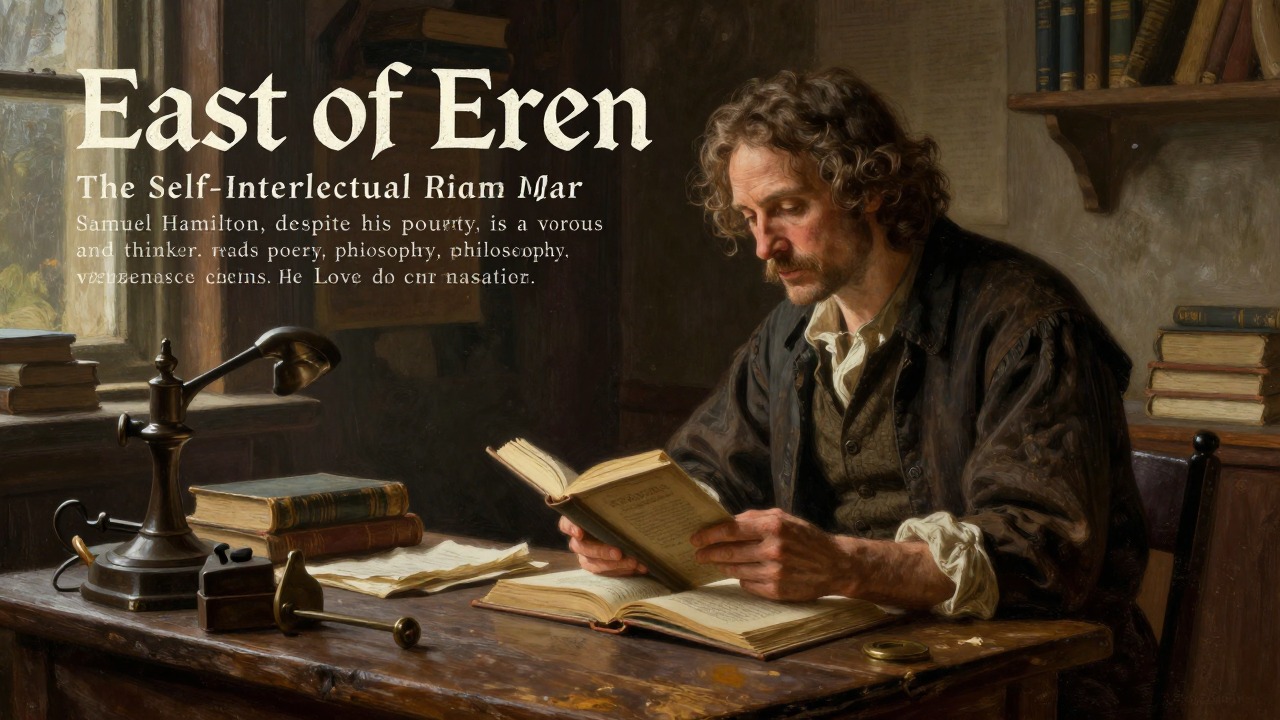
The Intellectual Pioneer
The Self-Educated Man
Samuel Hamilton, despite his poverty, is a voracious reader and thinker. He reads poetry, philosophy, and science. He is a true Renaissance man.
The Love of Conversation
Samuel loves to discuss ideas with anyone who will listen. His blacksmith shop becomes a gathering place for men to talk about the world. He is a natural teacher.
The Questioning of Everything
Samuel never accepts things at face value. He questions religion, society, and the nature of good and evil. This intellectual curiosity is his defining trait.
The Discussion of the Cain and Abel Story
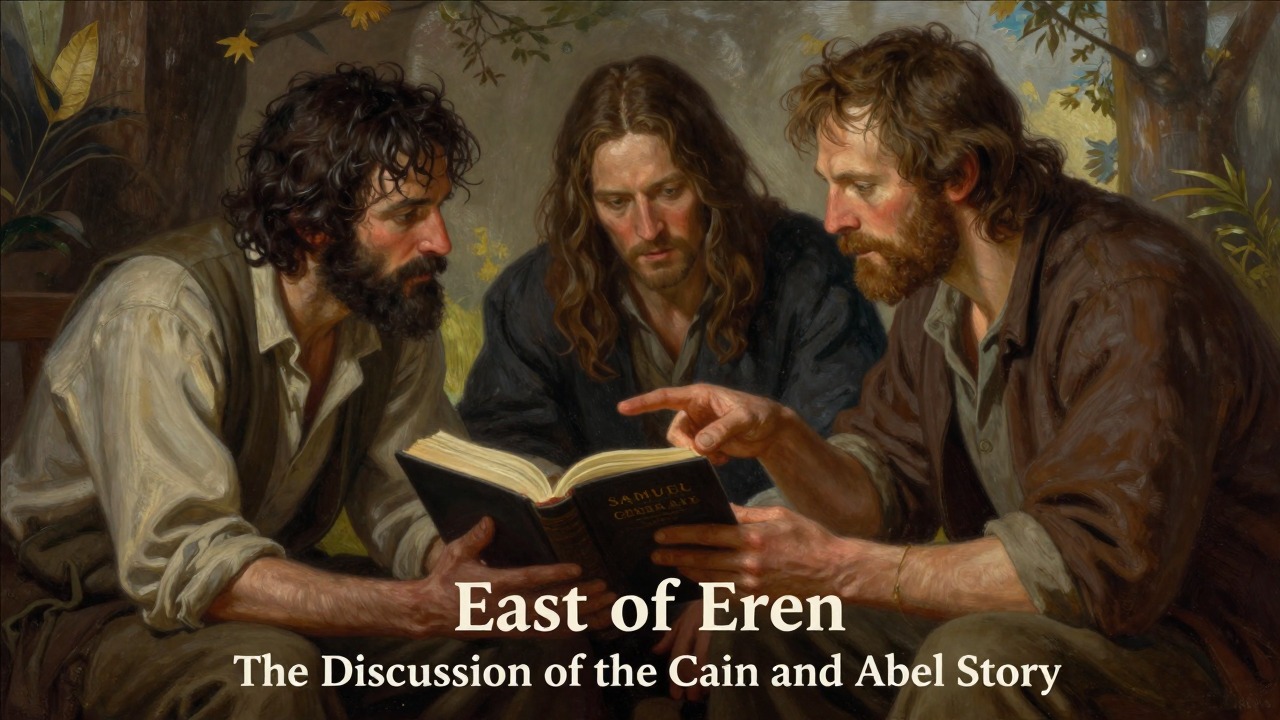
The Foundational Conversation
The Reading of Genesis
Samuel, Adam, and Lee read the story of Cain and Abel from the Bible. They discuss its meaning. This is a pivotal moment in the novel.
The Question of Guilt
Samuel argues that the story is not about condemnation but about choice. He points out that God does not curse Cain; he merely marks him. The story is about the human condition.
The Seed of an Idea
This conversation plants the seed for Lee's later studies. It also helps Adam understand his own guilt. The story of Cain and Abel becomes a central metaphor for the novel.
The Concept of 'Thou Mayest'
The Final Insight
The Walk in the Night
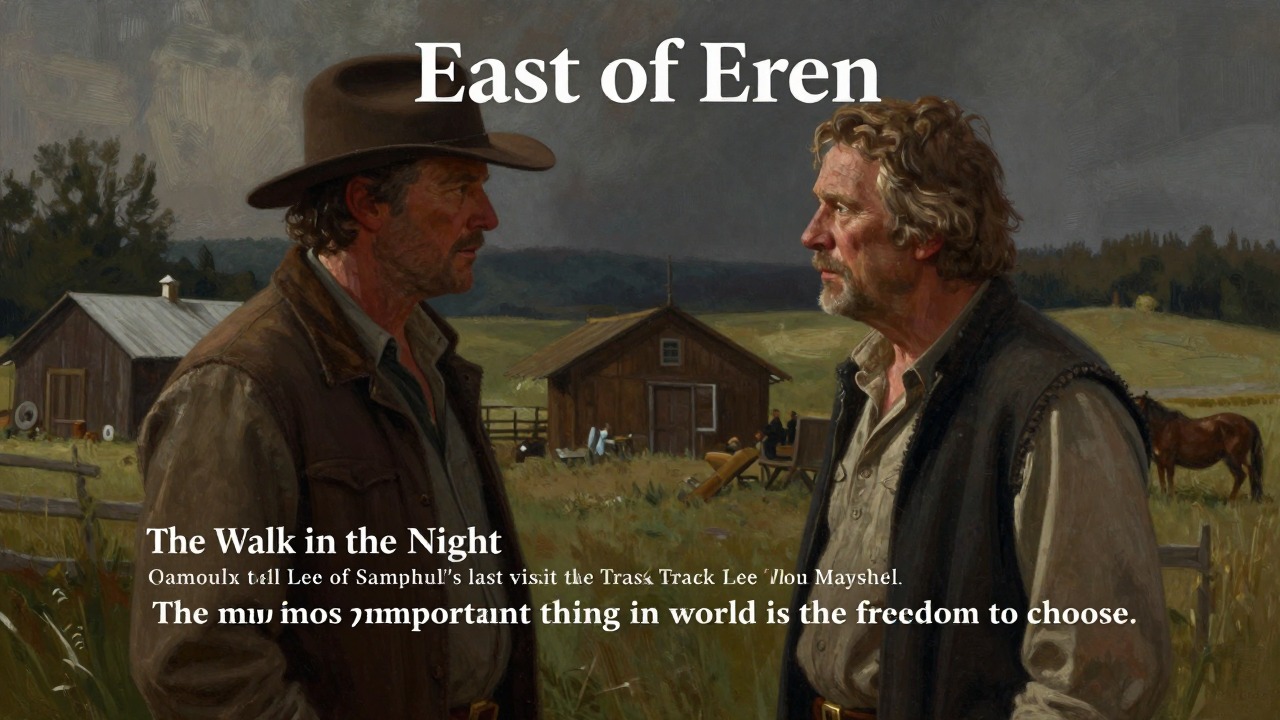
On the night of Samuel's last visit to the Trask ranch, he and Lee talk about the meaning of life. Samuel shares his insight about the word 'Timshel'.
The Choice of Man
Samuel tells Lee that the most important thing in the world is the freedom to choose. He says that 'Thou mayest' gives man the power to overcome sin. This is a message of hope.
The Legacy of the Idea
Samuel's interpretation of 'Timshel' becomes the central philosophical idea of the novel. It is passed on to Lee, who later passes it to Cal. It is the key to redemption.
The Idea of the 'Only Story'
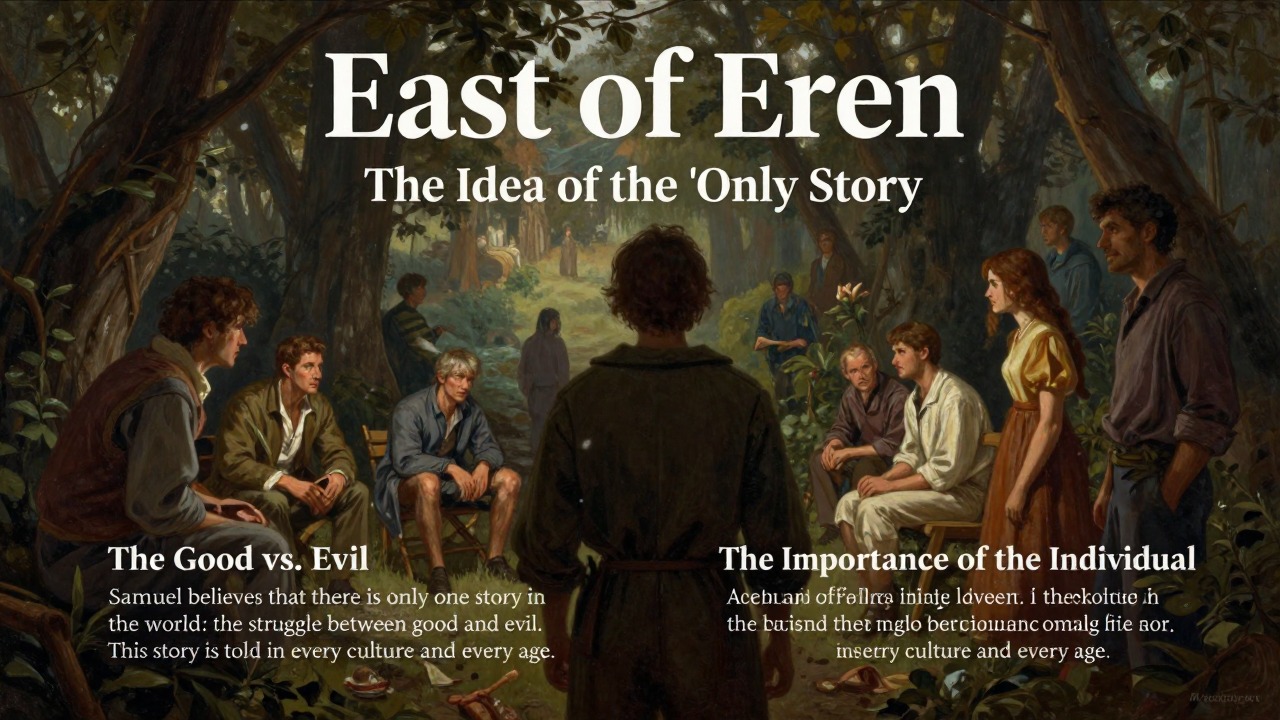
The Universal Narrative
The Good vs. Evil
Samuel believes that there is only one story in the world: the struggle between good and evil. This story is told in every culture and every age.
The Importance of the Individual
Samuel argues that the individual mind is the most precious thing in the world. He fears that mass society will destroy this individuality. He is a prophet of the modern age.
The Responsibility of the Artist
Samuel believes that the artist's job is to tell the truth about this struggle. He sees himself as a storyteller. His own life is a story of the battle between hope and despair.
Samuel's Influence on the Next Generation
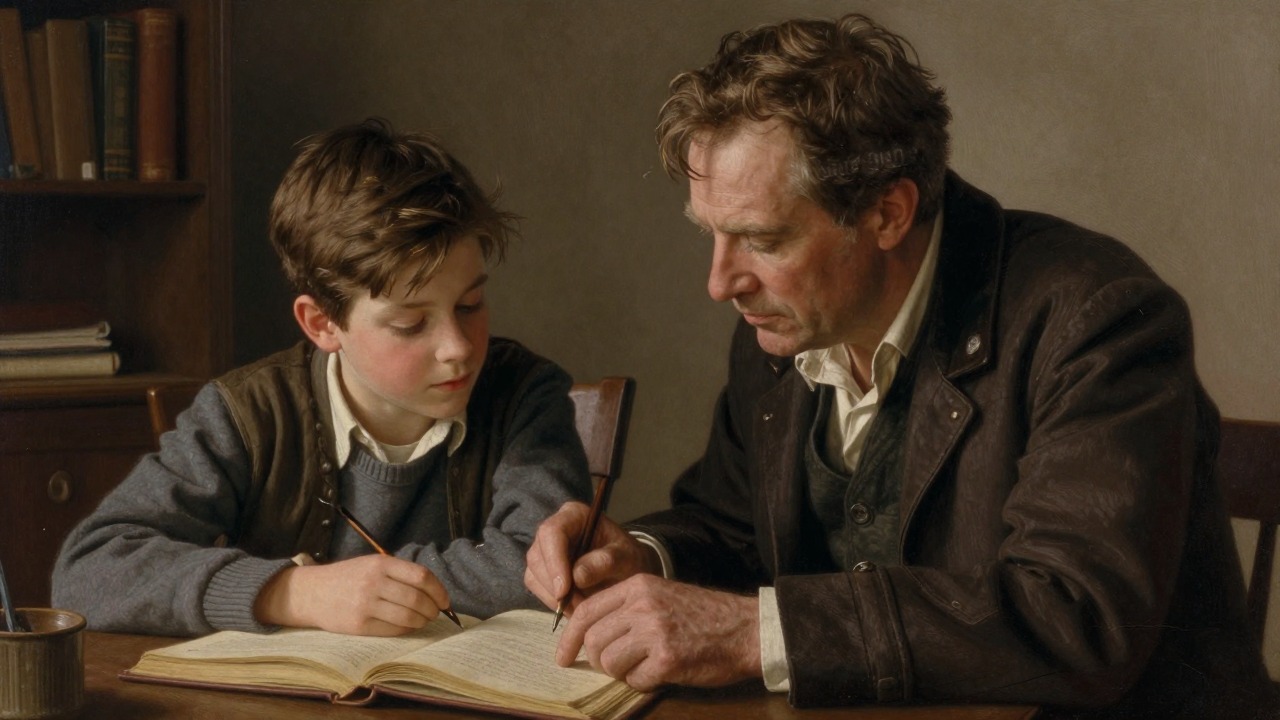
The Living Legacy
The Impact on Tom
Samuel's son Tom inherits his father's brilliance but also his torment. Tom's struggle with greatness is a direct result of his father's influence.
The Impact on Lee
Lee adopts Samuel's love of learning and his method of teaching through stories. He becomes the Trask family's philosopher.
The Impact on Adam
Samuel's friendship gives Adam the courage to face his demons. The conversation about 'Timshel' eventually helps Adam give his final blessing to Cal. Samuel's ideas continue to shape the Trask family.
The Wisdom of the Earth
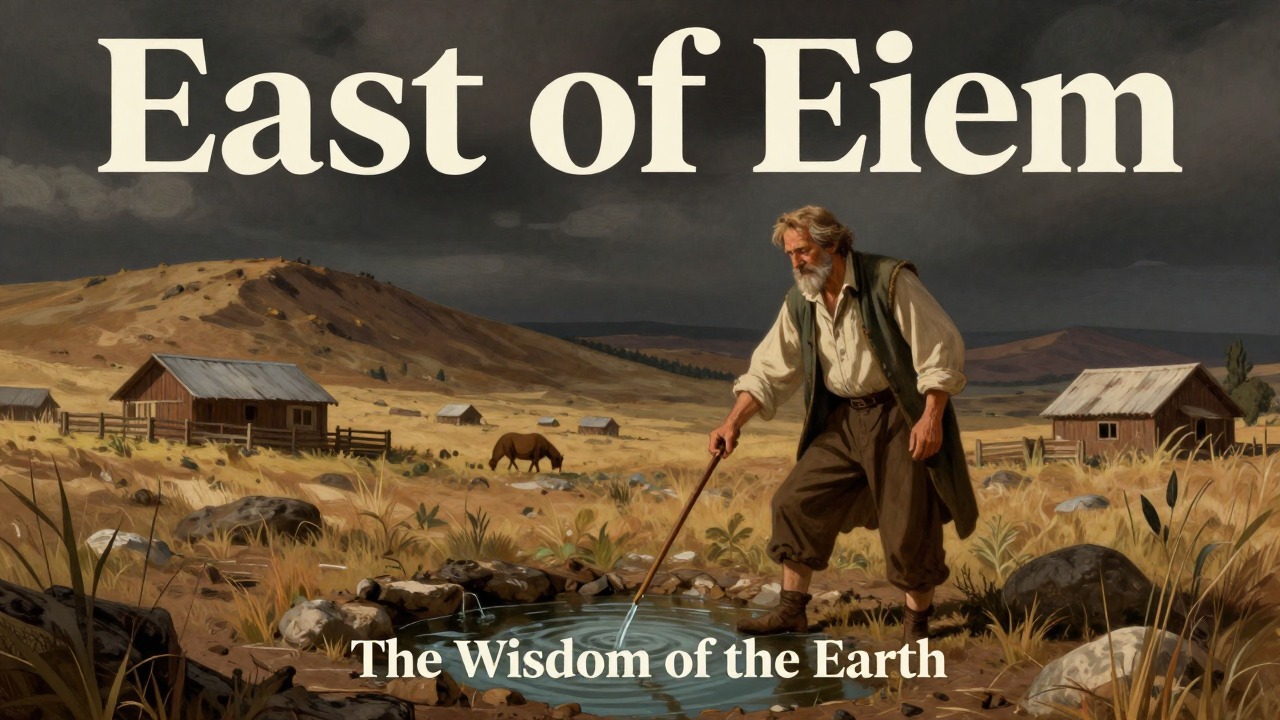
The Farmer-Philosopher
The Love of the Land
Samuel loves his barren hill ranch. He understands its limitations but also its potential. He is a practical man as well as a thinker.
The Water Witch
Samuel's ability to find water with a divining rod is a symbol of his connection to the earth. He is a man of both science and intuition.
The Contentiousness
Samuel's wife Liza says he is 'contentious'. He is always questioning, always seeking. This is both his strength and his weakness. He is a man who never stops searching for truth.
Samuel's life as a self-taught philosopher, 1870s-1911
The naming of the twins, 1901
Samuel's final conversation with Lee, 1911
Samuel's philosophy of the single story, 1911
Samuel's ideas live on through his children and friends, 1911-1918
Samuel's connection to the land, 1870s-1911
