
The Theme of the American Dream
East of EdenThe exploration of the American Dream through the experiences of the Trask and Hamilton families in the Salinas Valley.
increasing Bearing strength in each event
 decreasing
Bearing strength in each eventdecreasingThe Promise of the West
The Land of Opportunity
The Immigrant's Dream
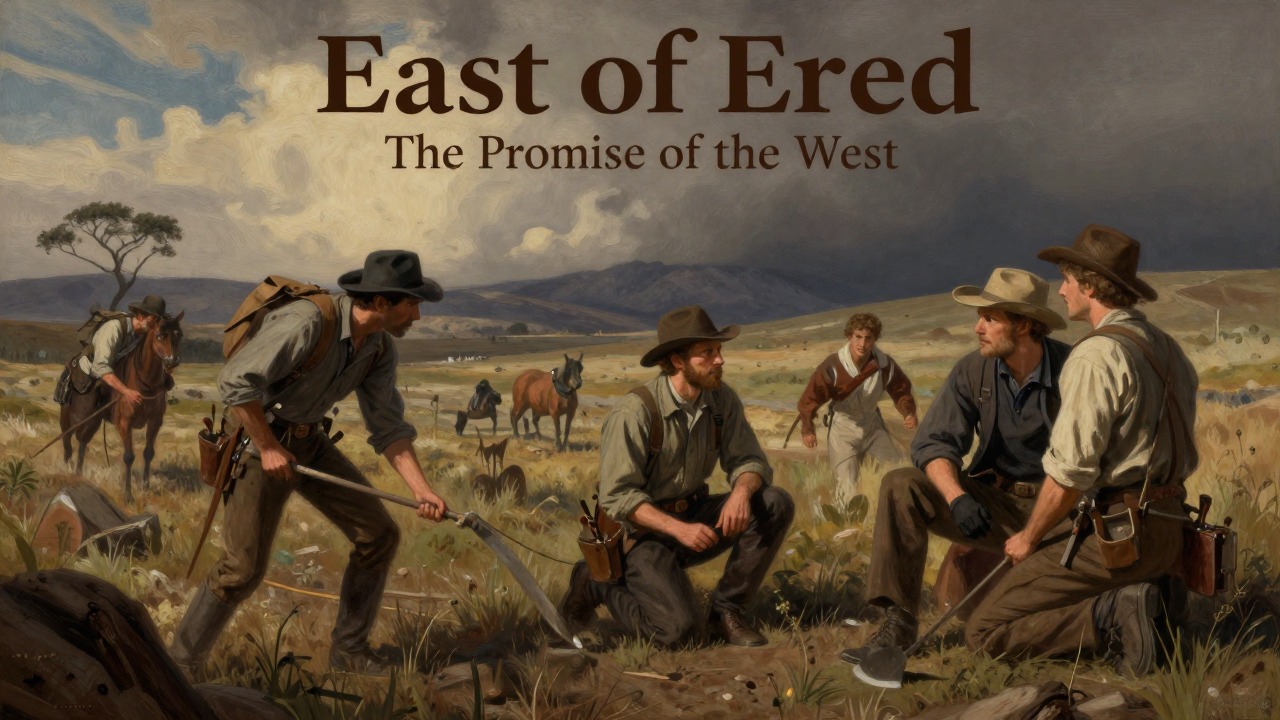
Both the Hamiltons and the Trasks come to California seeking a better life. The land is rich with promise. They believe that hard work will be rewarded.
The Reality of Hardship
For the Hamiltons, the land is harsh and unyielding. They struggle to make a living. The American Dream is not easily achieved.
The Transformation of the Land
Despite the hardships, the pioneers transform the valley. They build houses, plant crops, and create communities. The dream is slowly realized, but at great cost.
The Rise of the Businessman
The New Economy
The Entrepreneurial Spirit
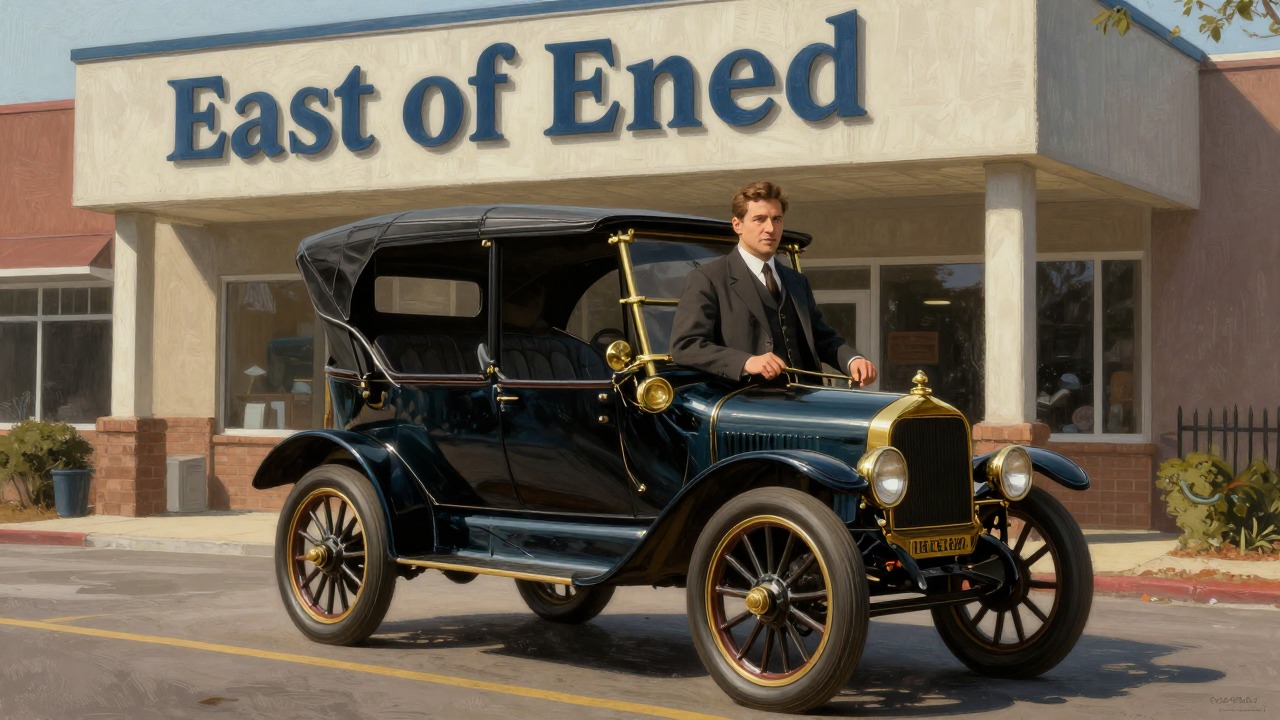
Will Hamilton represents the new breed of American businessman. He is practical, cautious, and opportunistic. He makes money by selling what others produce.
The Ford and the Future
Will's automobile dealership symbolizes the changing times. The car is a symbol of progress and mobility. The old ways of farming are giving way to a new industrial age.
The Cost of Success
Will's success comes at the cost of his father's respect. He is seen as a philistine. The American Dream often involves a conflict between material success and spiritual values.
The Failure of the Lettuce Venture
The Speculative Dream
The Ambitious Plan
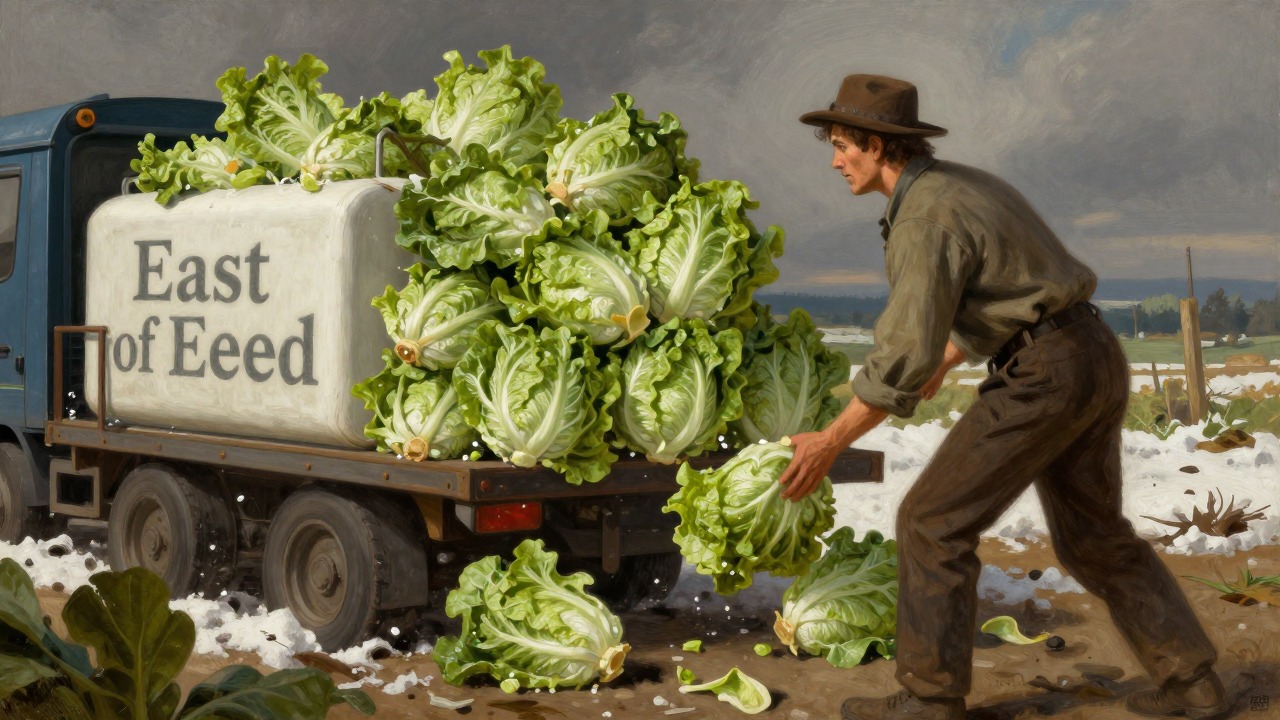
Adam tries to capitalize on the national market by shipping lettuce from California to New York. He invests heavily in refrigeration and transportation.
The Disaster
A series of accidents – snow, warm weather, and confusion – ruin the shipment. The lettuce rots. Adam loses most of his fortune.
The Lesson
Adam's failure is a cautionary tale about the risks of the American Dream. It is not enough to have a good idea; one must also have luck and the right connections.
The War Profiteer
The Dark Side of Opportunity
The Profit from War
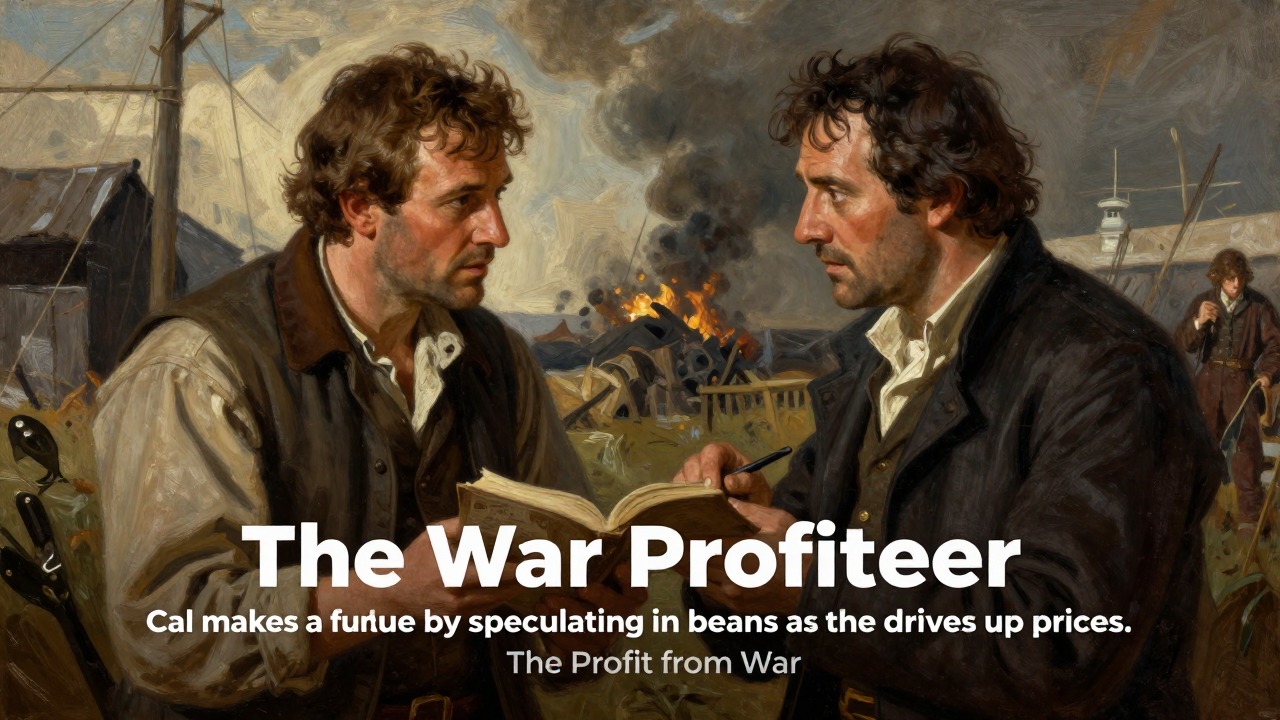
Cal makes a fortune by speculating in beans as the war drives up prices. This is a classic example of profiting from tragedy.
The Moral Question
Adam refuses the money, saying it is tainted by the blood of soldiers. This raises the question of whether it is moral to profit from war. The American Dream can have a dark side.
The Burning of the Money
Cal burns the money as a form of penance. He rejects the profit. This is a symbolic act of purification, a rejection of the corrupting influence of easy money.
The Rural Life vs. The City
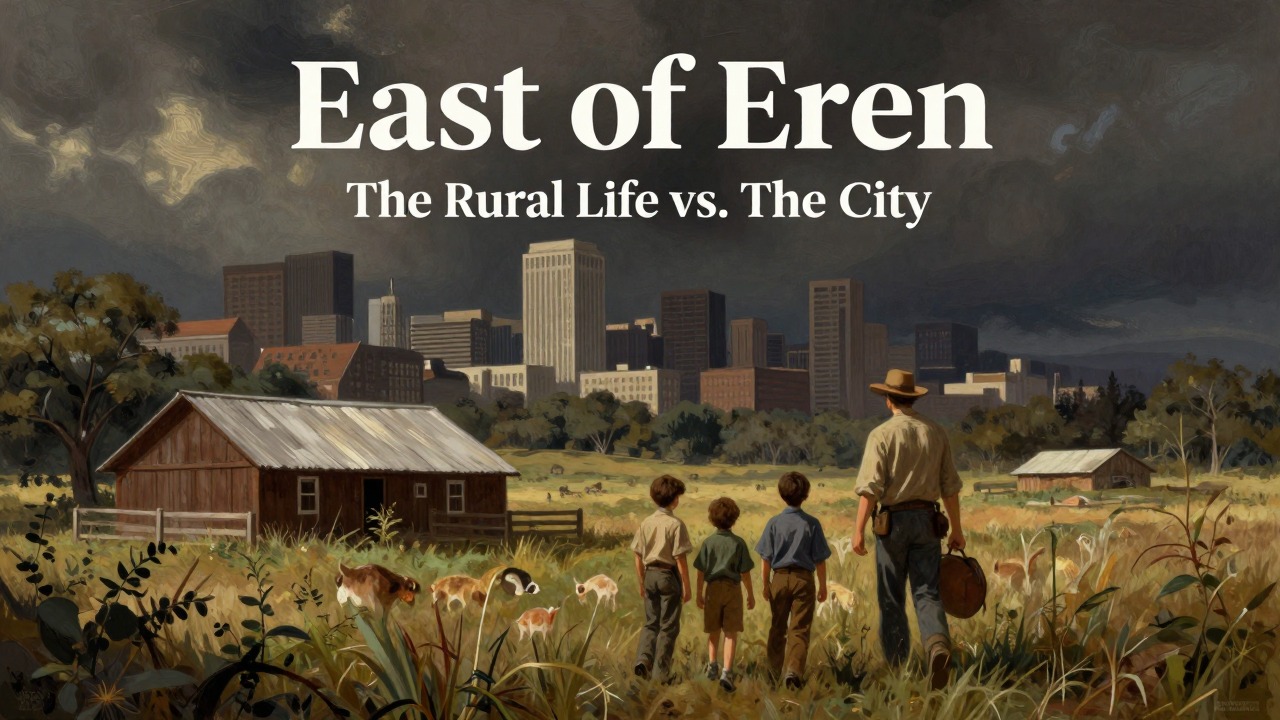
The Changing World
The Lure of the City
Adam moves the family to Salinas for the sake of the boys' education. The city offers opportunities that the farm cannot. But it also brings new problems.
The Loss of the Land
The Trask ranch is left fallow, a symbol of the loss of connection to the land. The Hamiltons, who stayed on the land, are more rooted.
The Search for Balance
The novel suggests that the best life is a balance between rural and urban, between tradition and progress. The American Dream is not just about moving forward; it is also about preserving what is valuable.
The Inheritance of the Past
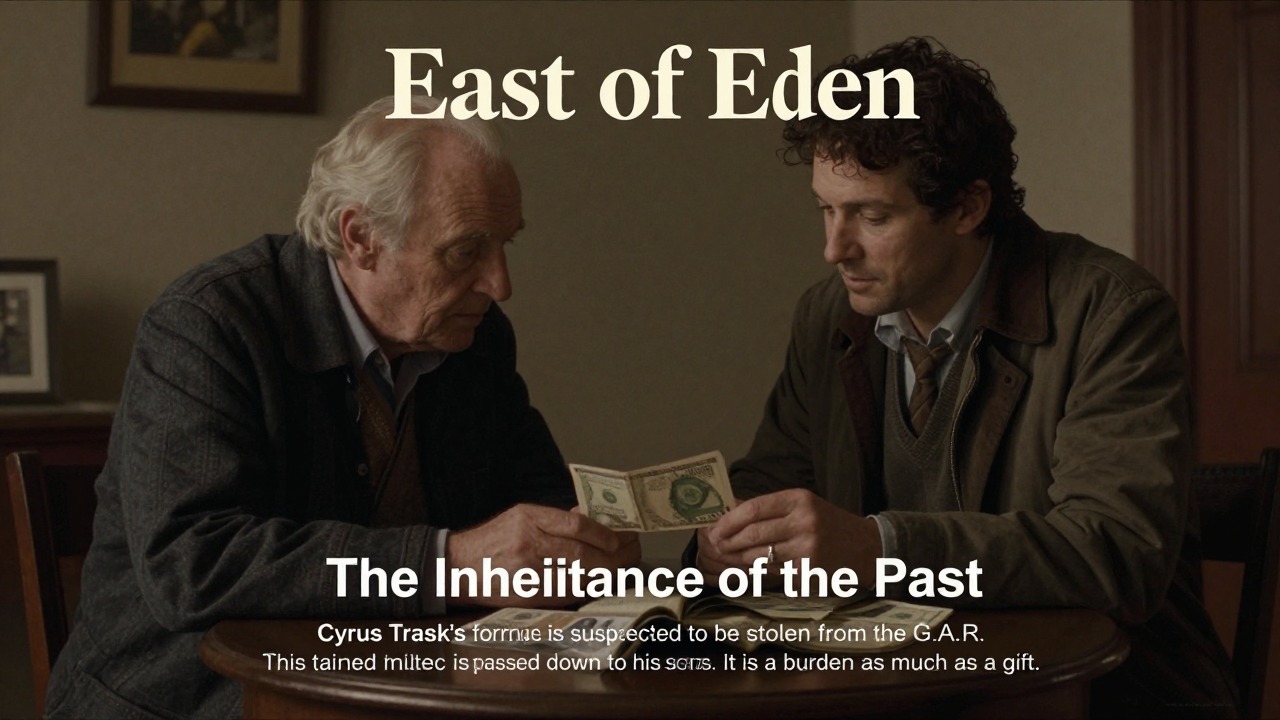
The Tainted Fortune
The Suspected Theft
Cyrus Trask's fortune is suspected to be stolen from the G.A.R. This tainted money is passed down to his sons. It is a burden as much as a gift.
The Moral Stain
Adam and Charles are both troubled by the source of their wealth. Charles suspects his father was a thief. Adam chooses not to investigate. The money is a source of guilt.
The Final Disposal
After Cathy's death, the money from her estate, which came from Charles's will, is left to Aron, who is dead. The money seems to bring nothing but sorrow. It is a symbol of the corrupting power of wealth.
The settlement of the Salinas Valley, 1860s-1900s
Will Hamilton's success, 1900-1917
Adam's attempt to ship lettuce, 1915
Cal's bean speculation, 1917
The move from the farm to Salinas, 1911-1918
The legacy of Cyrus Trask's money, 1894-1918
