
The Theme of the Cain and Abel Archetype
East of EdenThe repeated pattern of brotherly conflict and sin throughout the novel, from Cyrus's sons to Cal and Aron.
increasing Bearing strength in each event
 decreasing
Bearing strength in each eventdecreasingThe Biblical Parallels
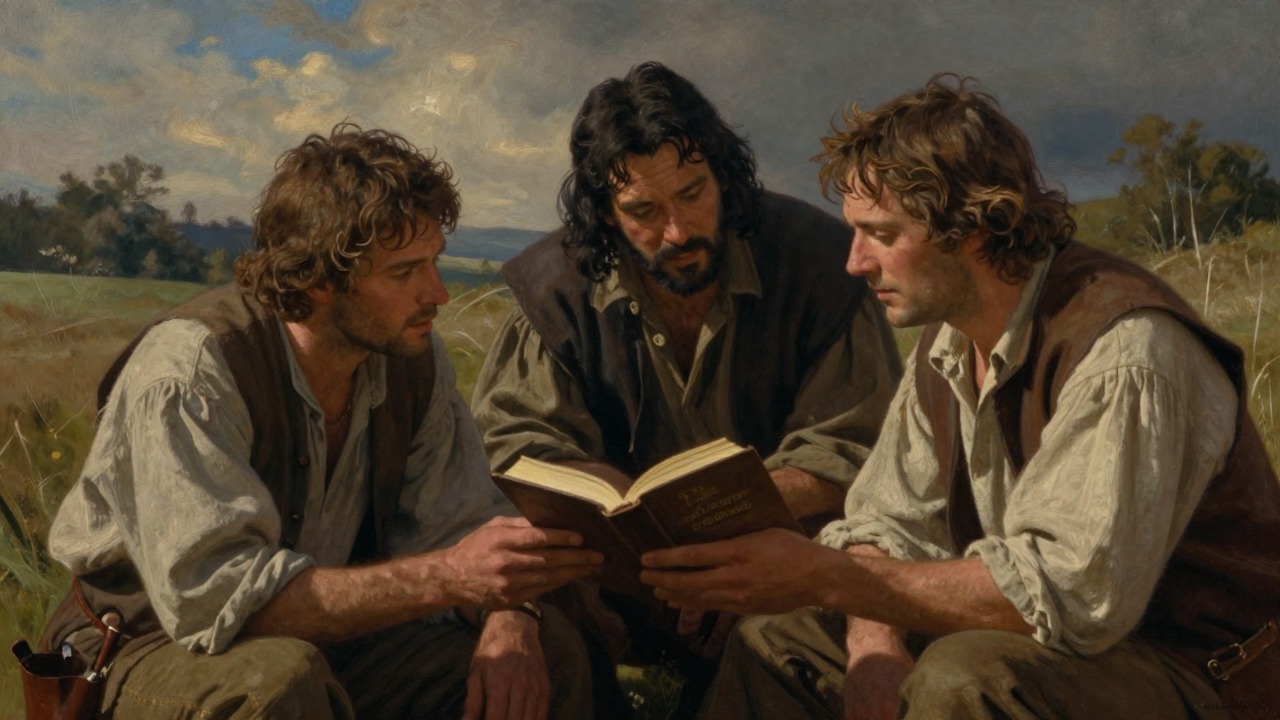
The Foundational Myth
The Reading of Genesis
In Chapter 22, Samuel, Adam, and Lee read the story of Cain and Abel. They discuss its meaning. This is a key moment that sets the novel's thematic framework.
The Application to the Trasks
Adam immediately sees the parallel to his own life. He feels that he is Cain, or perhaps that his sons are. The story becomes a lens through which to view the family's conflicts.
The Questions Raised
The story raises questions about guilt, rejection, and the nature of sin. These questions haunt the characters throughout the novel.
Cyrus and His Sons
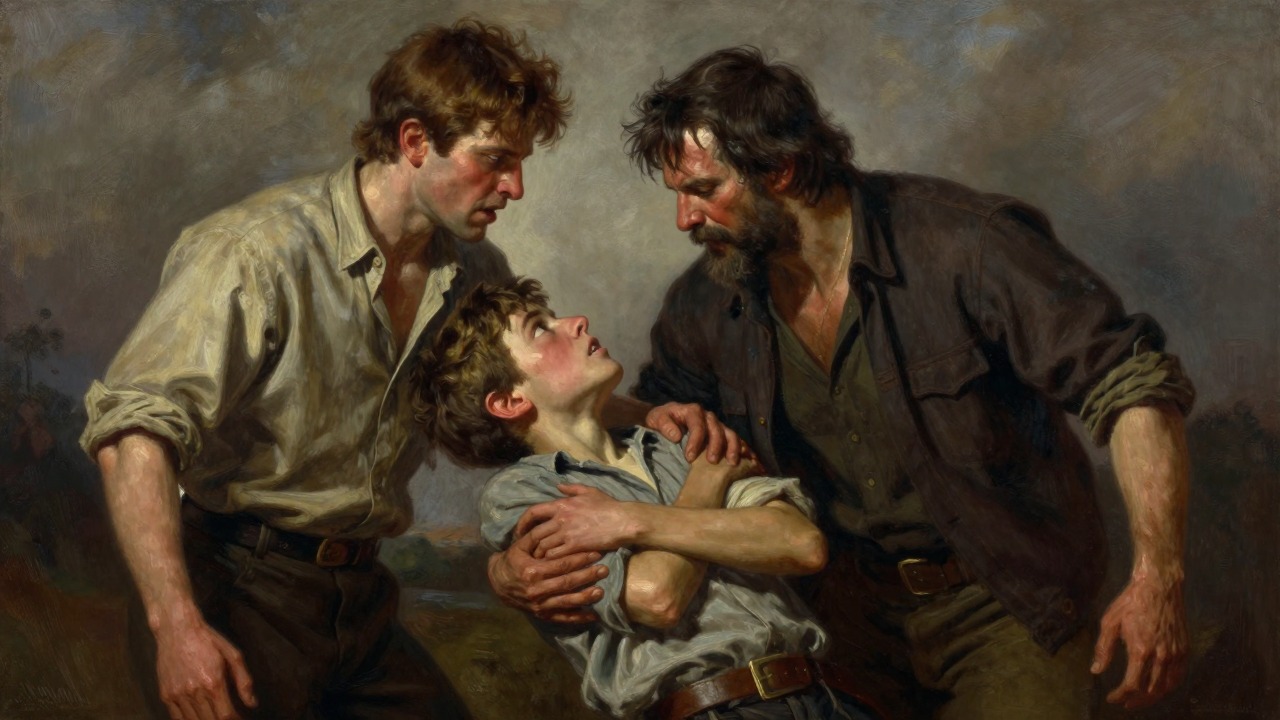
The First Generation
The Favoritism
Cyrus favors Adam, the passive son, over Charles, the aggressive one. This favoritism is a form of rejection. It creates a Cain-like resentment in Charles.
The Jealousy and Violence
Charles's jealousy leads to violence. He beats Adam and tries to kill him. This is a direct parallel to the biblical story.
The Unresolved Conflict
Cyrus dies without ever reconciling with Charles. The conflict between the brothers is never resolved. It is passed on to the next generation.
Cal and Aron: The Modern Cain and Abel
The Repetition of the Pattern
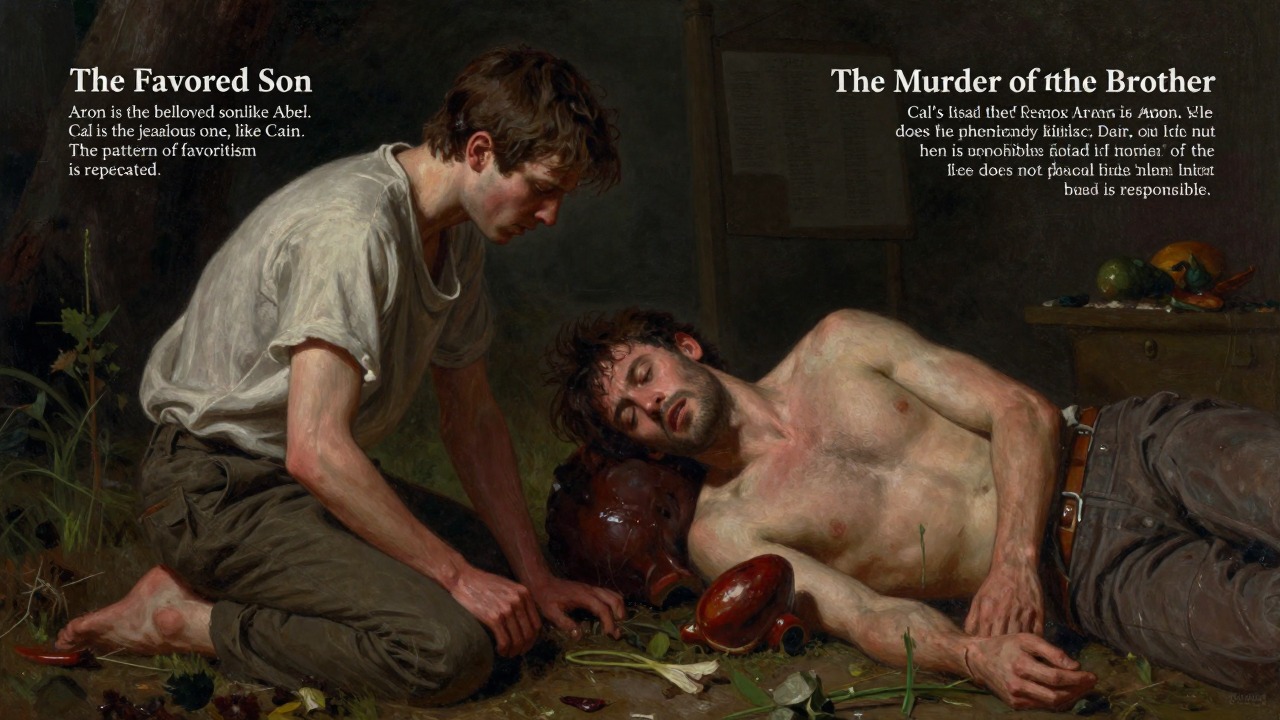
The Favored Son
Aron is the beloved son, like Abel. Cal is the jealous one, like Cain. The pattern of favoritism is repeated.
The Murder of the Brother
Cal's actions lead to Aron's death. He does not physically kill him, but he is responsible. This is a modern version of the first murder.
The Mark of Cain
Cal is marked by guilt. He bears the 'mark of Cain' in his conscience. He must learn to live with his sin.
The Role of Rejection
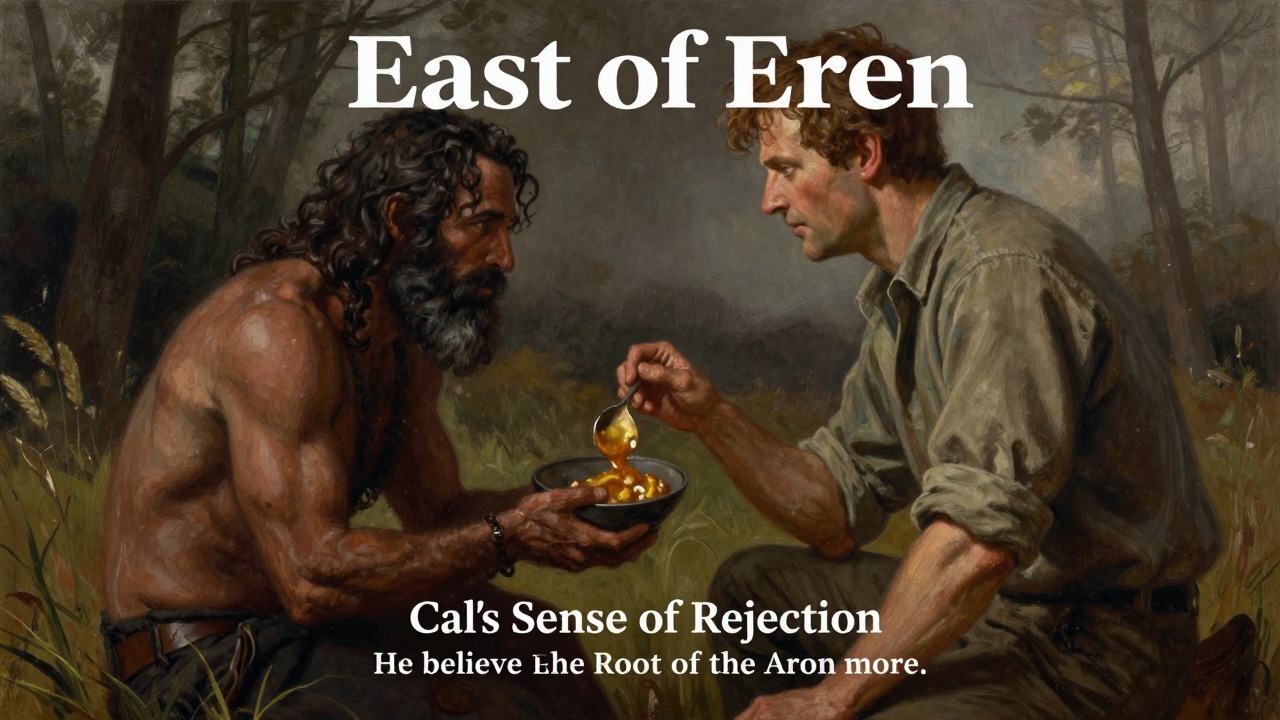
The Root of the Conflict
The Rejection of Cain
In the Bible, God rejects Cain's offering. This rejection is the beginning of his anger. The novel explores rejection as a primary cause of evil.
Cal's Sense of Rejection
Cal feels rejected by his father. He believes Adam loves Aron more. This feeling drives his jealousy and his destructive actions.
The Breaking of the Cycle
Adam's final blessing is a rejection of rejection. He accepts Cal. This act breaks the cycle of hatred and offers the possibility of redemption.
The Mark of Cain
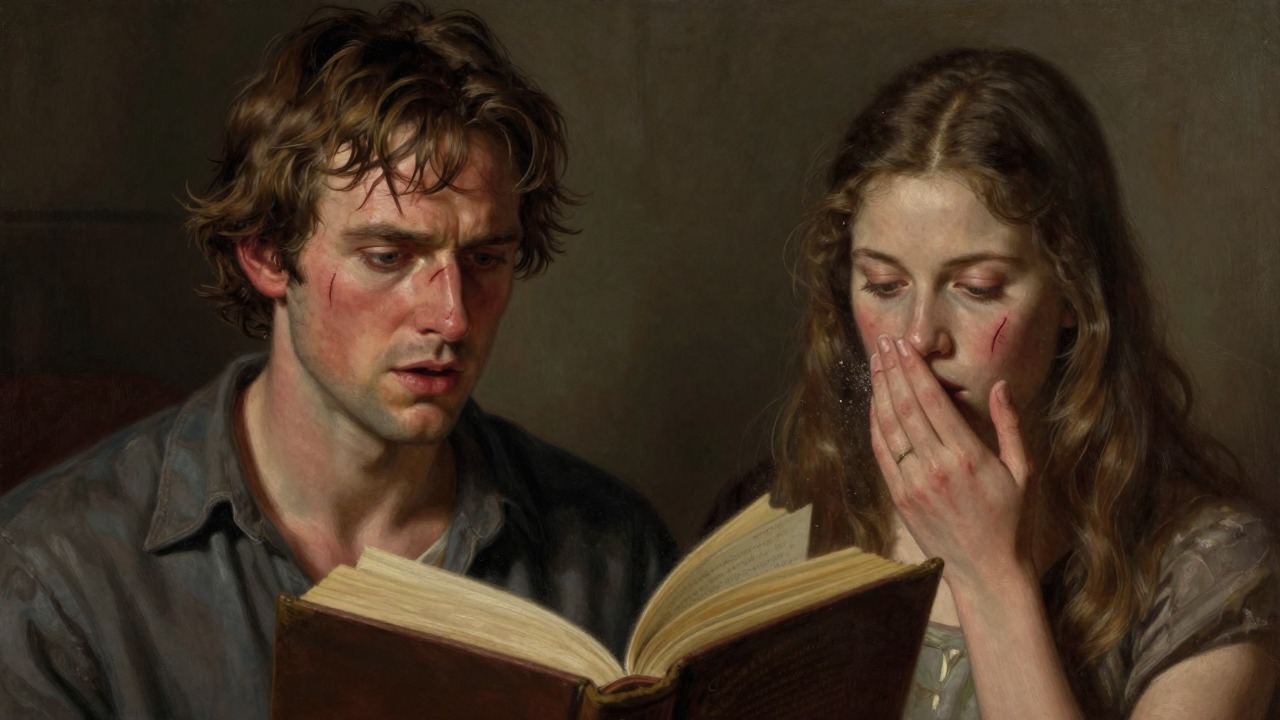
The Symbol of Guilt
Charles's Scar
Charles's forehead scar is a physical mark of Cain. It is a reminder of his violent nature. He is ashamed of it.
Cathy's Scar
Cathy's scar from Mr. Edwards's beating is also a mark. It is a mark of her own evil and her past. She covers it with powder.
Cal's Invisible Mark
Cal bears the invisible mark of guilt. It is in his conscience. He must learn to live with it. The mark of Cain is not necessarily a punishment; it can also be a protection.
The Possibility of Forgiveness
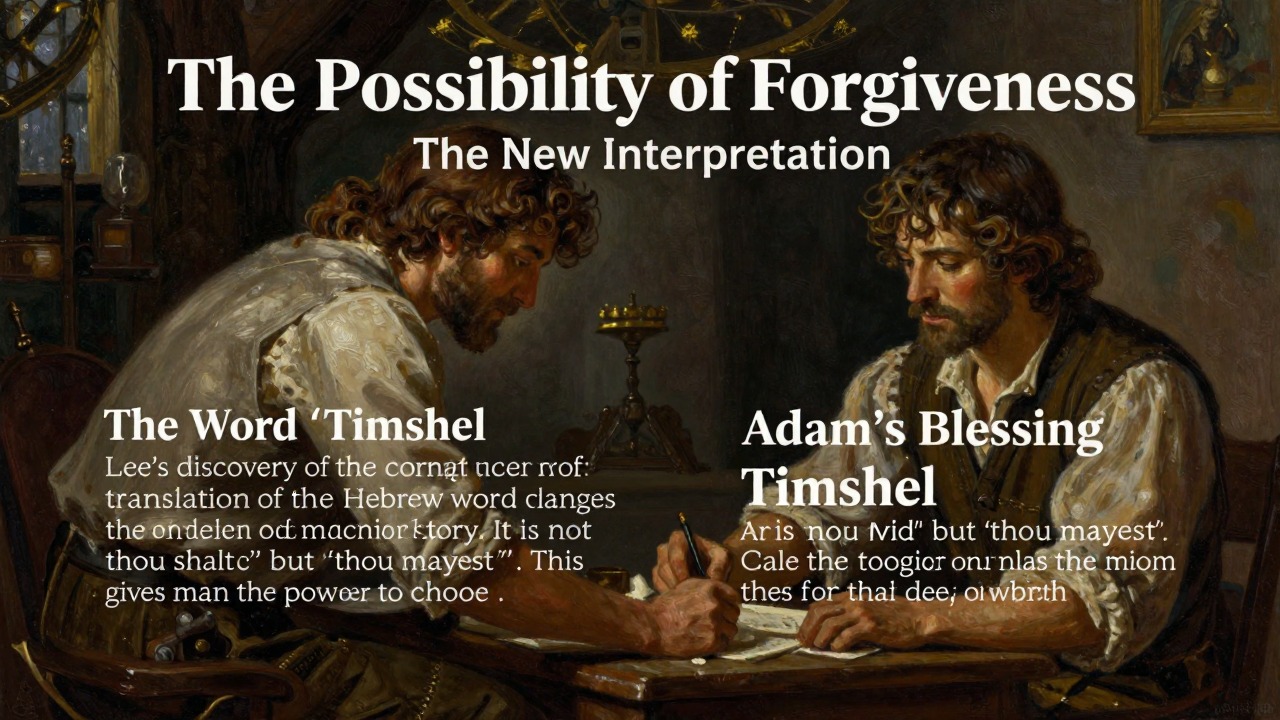
The New Interpretation
The Word 'Timshel'
Lee's discovery of the correct translation of the Hebrew word changes the meaning of the story. It is not 'thou shalt' but 'thou mayest'. This gives man the power to choose.
Adam's Blessing
Adam's final word to Cal is 'Timshel'. It is a blessing that releases Cal from the burden of his guilt. It tells him that he can choose to be good.
The End of the Cycle
The novel ends with the possibility of breaking the cycle of brotherly hatred. Cal is given a chance to be a new kind of Cain, one who chooses to overcome his sin.
The novel's explicit reference to the Cain and Abel story, 1901
The conflict between Cyrus and his sons, Adam and Charles, 1860s-1890s
The relationship between the twin brothers, 1900-1918
Rejection as a cause of brotherly hatred, 1900-1918
The symbol of the mark throughout the novel, 1860s-1918
The resolution of the Cain and Abel pattern, 1918
