
The Theme of Equality and Conformity
Fahrenheit 451Explores how the society enforces equality by eliminating differences, leading to a culture of mediocrity and resentment toward excellence.
increasing Bearing strength in each event
 decreasing
Bearing strength in each eventdecreasingBeatty's Explanation of Equality
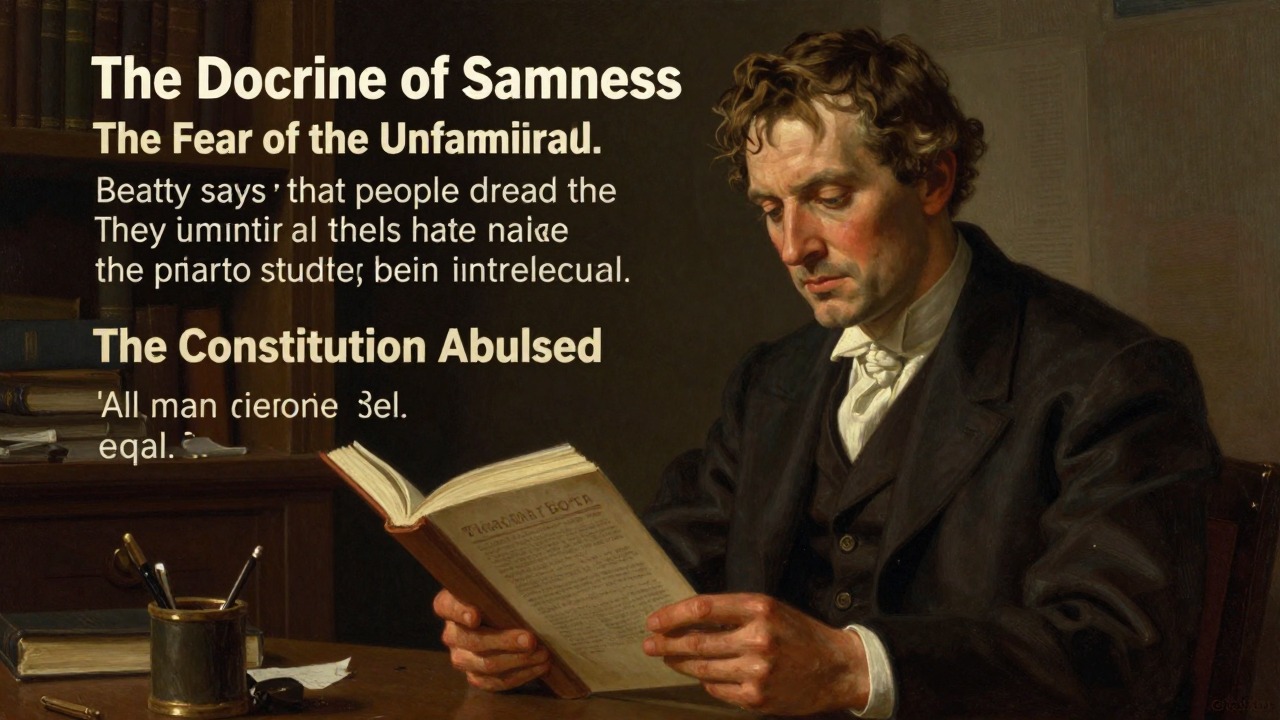
The Doctrine of Sameness
The Fear of the Unfamiliar
Beatty says that people dread the unfamiliar. They hate the bright student, the intellectual. So they burn books to make everyone equal.
The Constitution Abused
He twists the idea of 'all men are created equal' to mean that everyone must be made the same. The result is a leveling down, not up.
The Tyranny of the Majority
The majority rules, and the majority wants comfort. Minorities are silenced. This creates a society where no one is challenged, but no one excels.
Clarisse as an Outlier
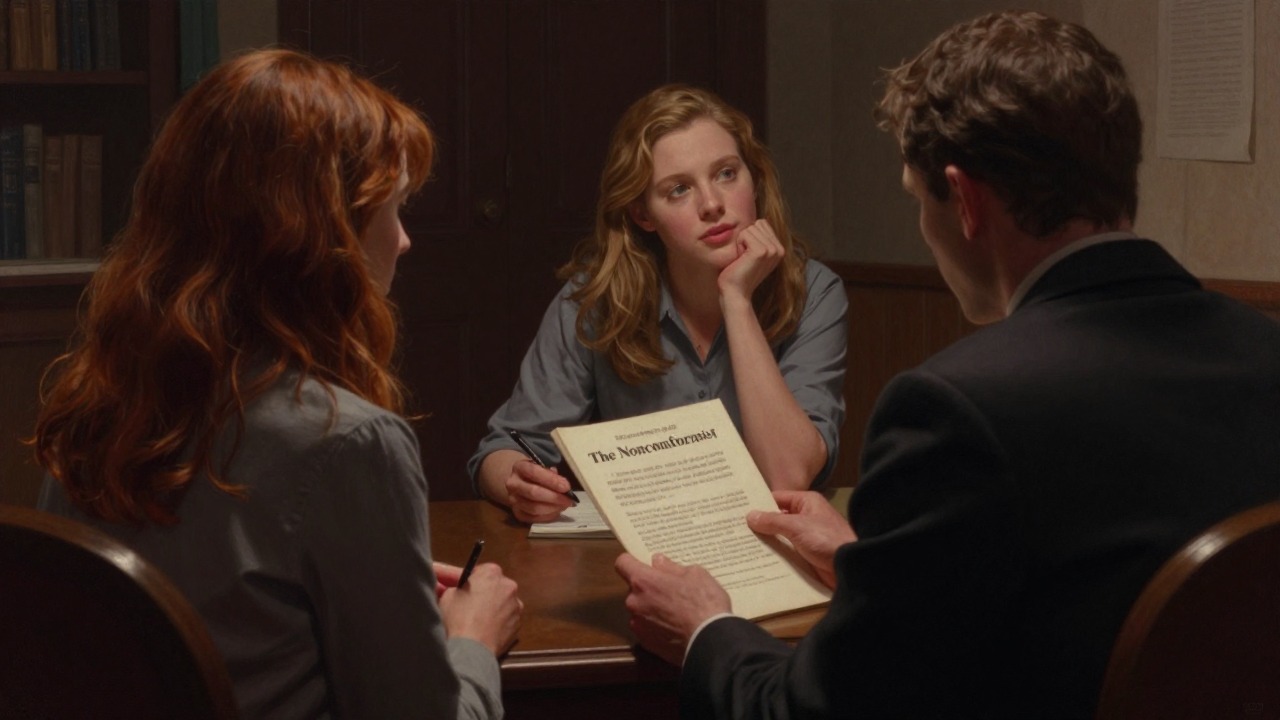
The Nonconformist
Clarisse's Differences
Clarisse is anti-social by the society's standards: she likes to walk, talk, and think. She has no interest in the Fun Parks or racing cars. She is a threat to the system.
The Psychiatrist's Report
She is forced to see a psychiatrist because she is 'abnormal.' Her uncle is also marked as anti-social. The state identifies and monitors nonconformists.
Her Death
Clarisse dies, likely killed by the system (perhaps by a car of teenagers). Her elimination is a message: those who are different will not be tolerated.
The Book People's Humility
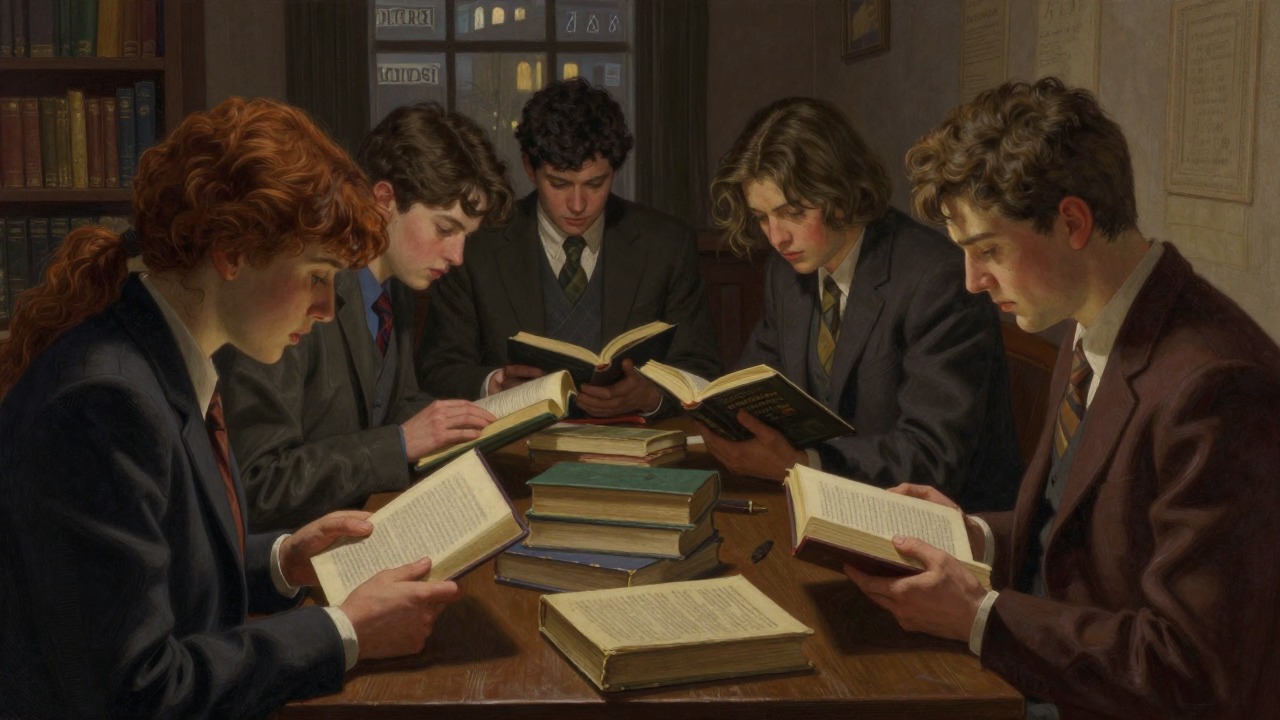
A Different Kind of Equality
Not Superior
Granger insists that the book people are not important. They are just dust jackets for the books. They do not feel superior to anyone.
The Value of Difference
Each person remembers a different book. They preserve the diversity of thought that the city tried to destroy. Their equality is one of shared purpose, not enforced sameness.
The Future
After the war, they will rebuild, but with the memory of the past. They hope to create a society that values both equality and excellence.
Beatty's lecture at Montag's house
Throughout the early part of the story
The final scenes with Granger
