
Captain Beatty's Intellectual Manipulation
Fahrenheit 451Beatty's role as a sophisticated enforcer who uses literary knowledge to justify book-burning, leading to his ironic death.
increasing Bearing strength in each event
 decreasing
Bearing strength in each eventdecreasingBeatty's First Lecture
The Philosopher of Fire
The History of Firemen
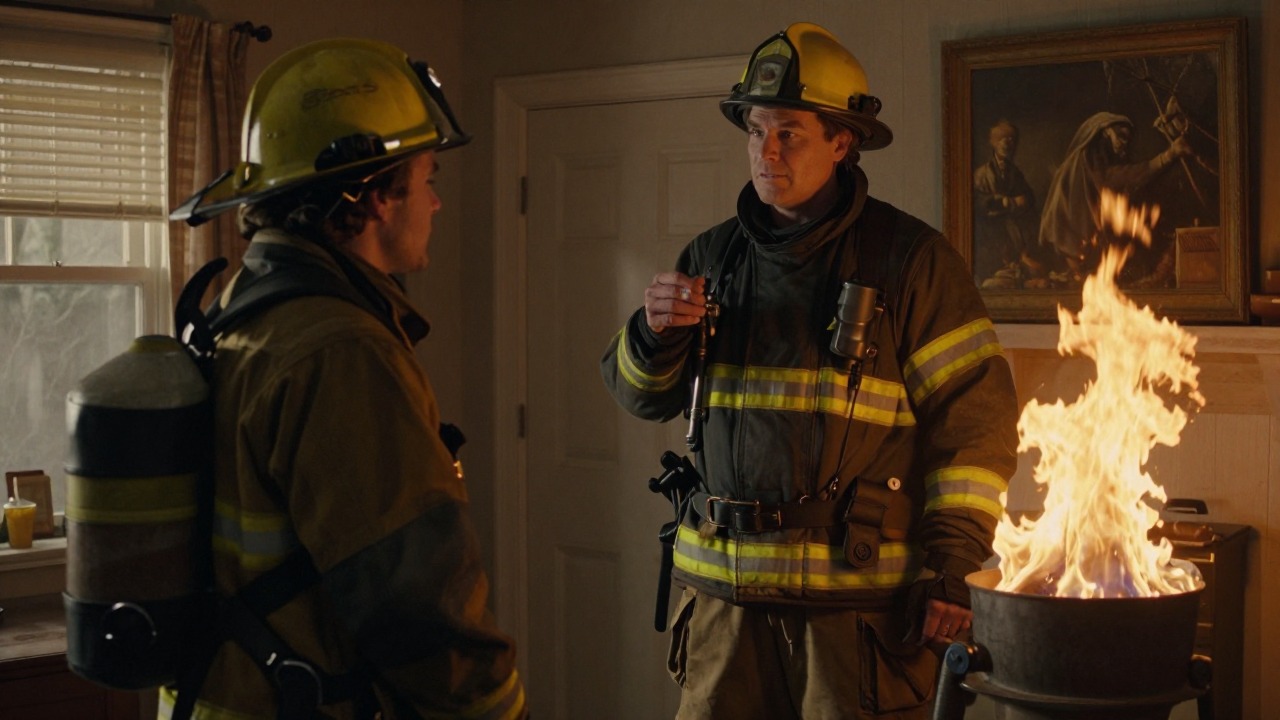
Beatty visits Montag at home and delivers a monologue on the history of the firemen, arguing that society demanded the elimination of books to achieve happiness and equality.
The Justification of Censorship
He claims that minorities and mass media pressured the system, not government decree. Books are dangerous because they cause unhappiness and conflict.
The Warning
Beatty gives Montag the 24-hour rule, a veiled threat. He shows that he knows more than he lets on, setting up a cat-and-mouse game.
The Poker Game Duel
The Intellectual Battle
Beatty's Quotes
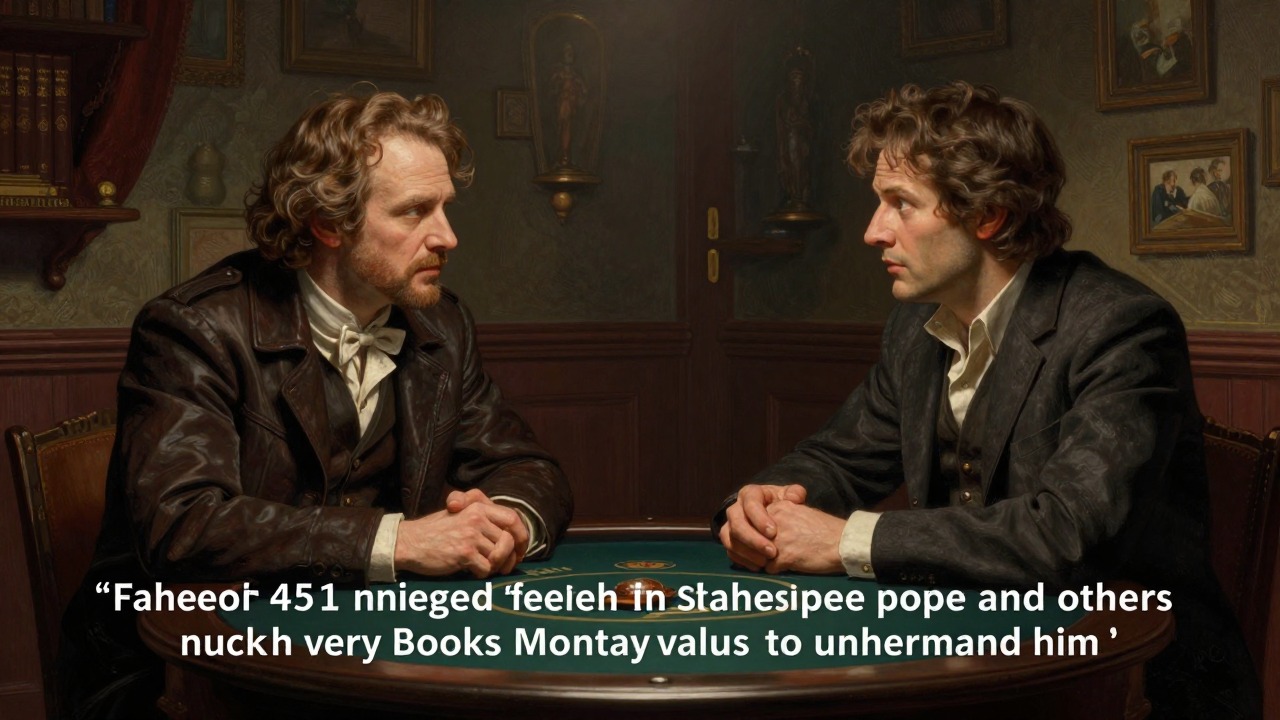
At the firehouse, Beatty engages Montag in a literary duel, quoting from Shakespeare, Pope, and others to mock Montag's attempts at rebellion. He uses the very books Montag values to undermine him.
The Dream
Beatty recounts a dream where he and Montag debated, and he won every point. This psychological warfare is designed to confuse and demoralize Montag.
Montag's Silence
Montag is unable to respond, feeling intellectually overwhelmed. Faber whispers in his ear, urging caution. The duel exposes Montag's lack of deep knowledge, but it also hardens his resolve.
Beatty's Death
The Irony of Fire
The Final Provocation
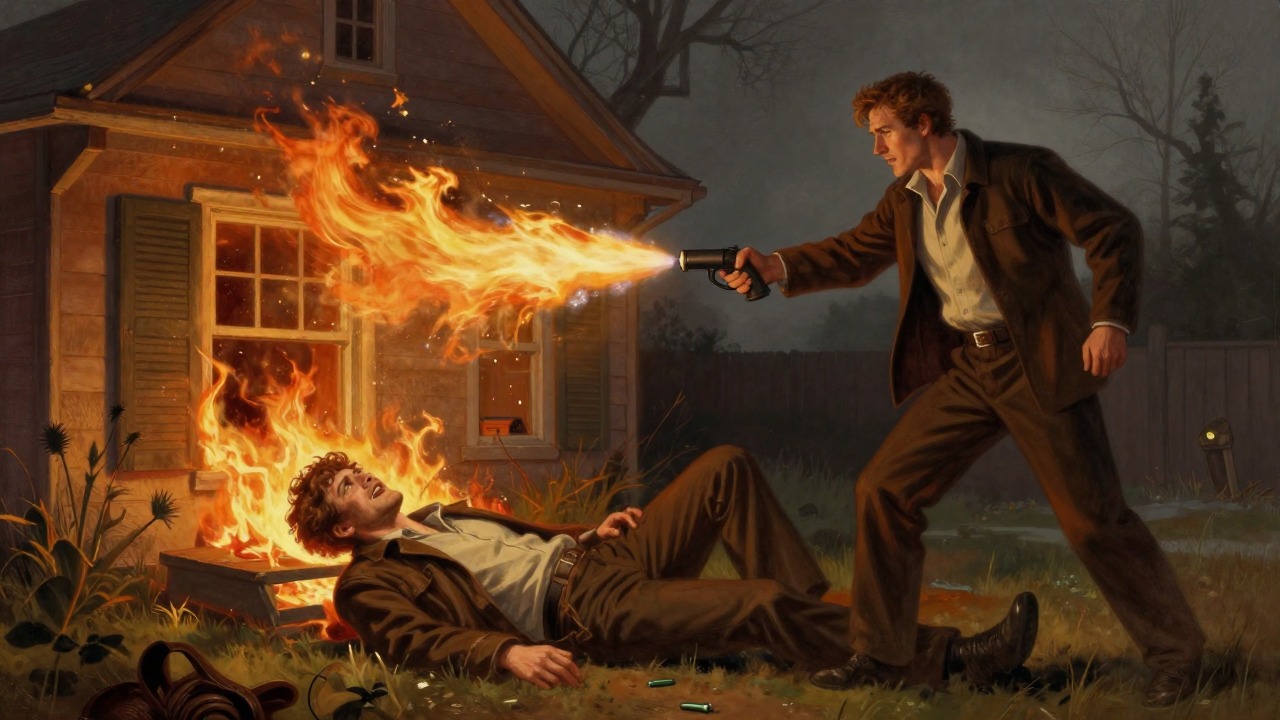
When Montag is forced to torch his own home, Beatty taunts him mercilessly, even after discovering the green bullet. He seems to urge Montag to act.
The Killing
Montag flips the flamethrower on Beatty, who does not defend himself. Beatty's death is almost a suicide by fire, the very element he worshipped. He dies in flames, a fitting end for the fireman captain.
The Aftermath
Montag realizes Beatty wanted to die. The captain's intellectual despair and his cynicism may have driven him to seek a dramatic end. His death removes the primary antagonist but leaves Montag with guilt.
The morning after the old woman's burning
The night before the burning of Montag's house
Immediately after the burning of Montag's house
