
The Sublime and Nature's Power
Frankenstein, or the Modern PrometheusThe novel uses the sublime landscape of the Alps and the Arctic to reflect the characters' inner states and the power of nature.
increasing Bearing strength in each event
 decreasing
Bearing strength in each eventdecreasingVictor's Alpine Solace
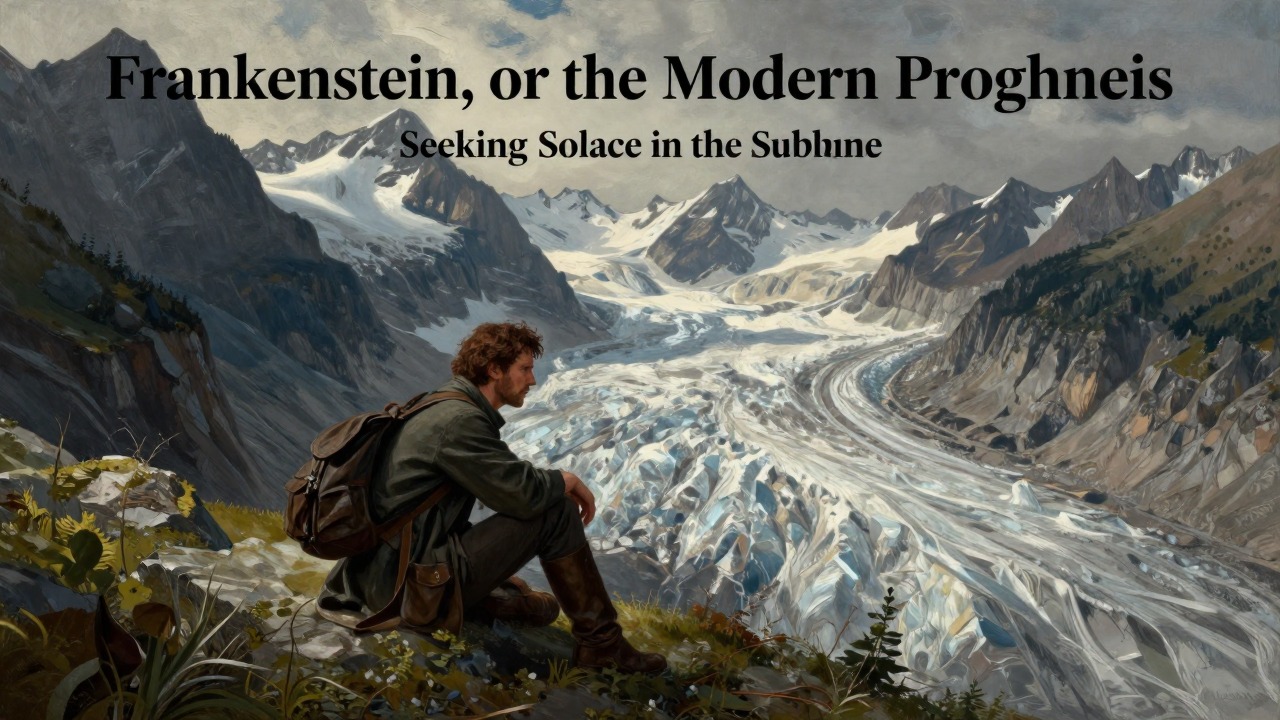
Seeking Solace in the Sublime
The Escape
Victor, overwhelmed by guilt, travels to the valley of Chamounix. He hopes that the majestic mountains and glaciers will lift his spirits. The sublime beauty of nature offers him temporary relief.
The Encounter
It is on the glacier of Montanvert that the monster confronts him. The setting is perfect: immense, isolated, and terrifying. The sublime landscape mirrors the monumental conflict between creator and creature.
The Reflection
Victor often turns to nature for comfort. The Alps, the lake, and the Rhine provide moments of peace. But the sublime can also be overwhelming, reminding him of his own insignificance and the power of forces beyond his control.
The Arctic Wasteland
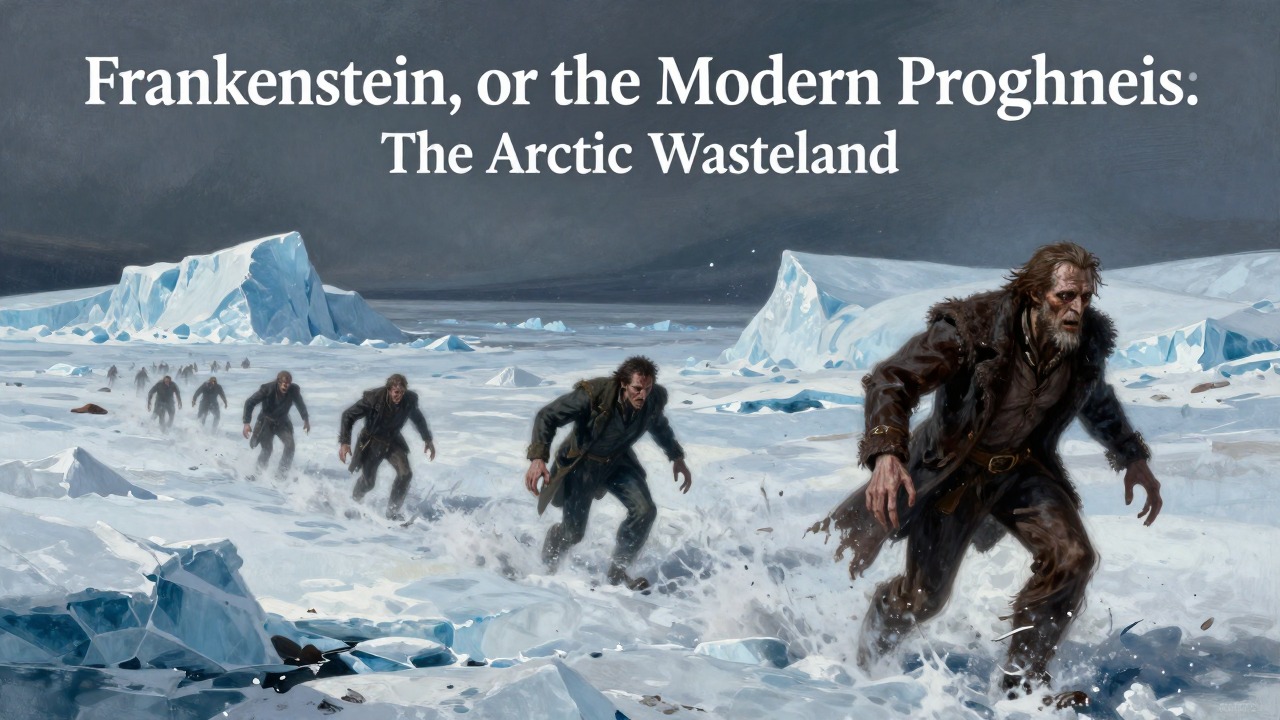
A Frozen Hell
The Desolate Landscape
The final chase takes place in the Arctic, a region of ice and snow. The cold, barren environment reflects Victor's emotional desolation and the monster's inhuman nature. It is a place beyond human society.
The Power of Nature
The ice threatens to crush Walton's ship. The sailors are terrified. Nature is indifferent to human ambition. The Arctic is a testing ground for Walton's resolve and a graveyard for Victor's hopes.
The Symbolism
The sublime landscape in the Arctic is a backdrop for the final acts of the tragedy. The ice represents the isolation and coldness of the characters' hearts. The novel ends with the monster disappearing into the frozen waste, a fitting end for a being who is both of nature and outside it.
After Justine's death, Victor's journey to Chamounix
The final pursuit and Walton's frame
