
The Role of Women and Domesticity
Frankenstein, or the Modern PrometheusThe novel's portrayal of women as passive, nurturing figures whose suffering highlights the consequences of male ambition.
increasing Bearing strength in each event
 decreasing
Bearing strength in each eventdecreasingCaroline's Sacrifice
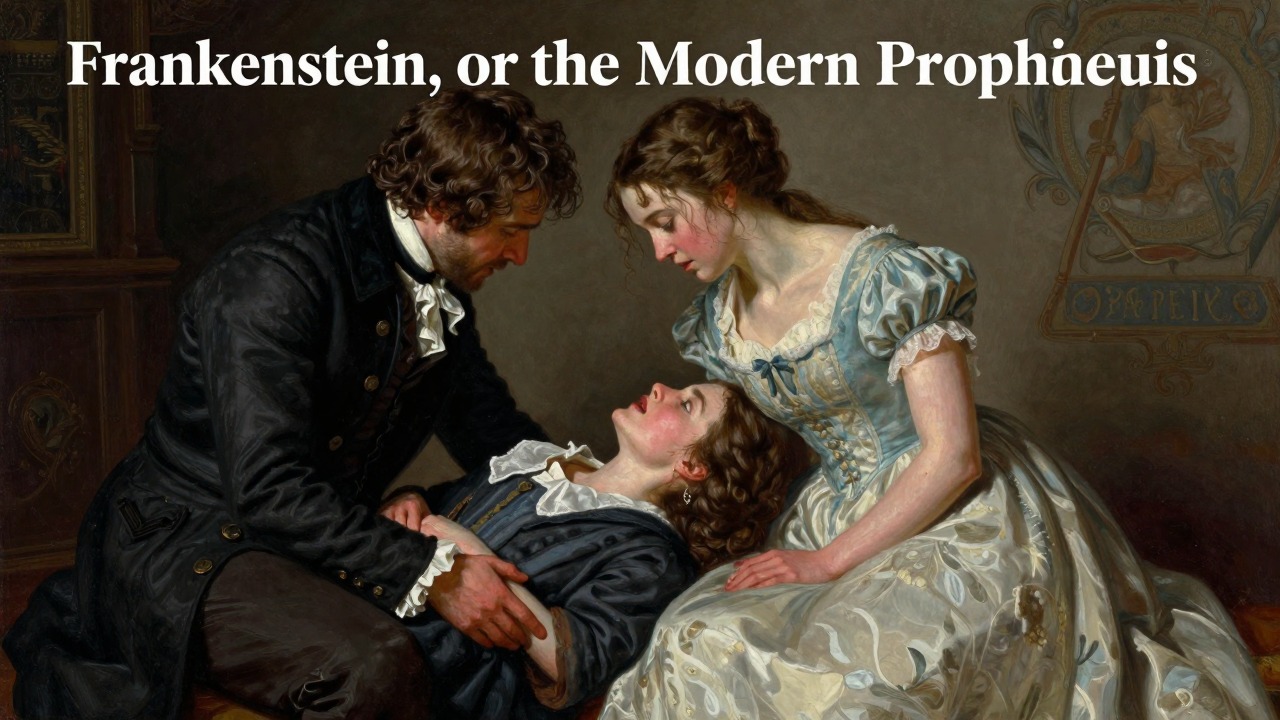
A Mother's Devotion
The Selfless Act
Caroline Beaufort, after her father's death, is rescued by Alphonse. She becomes a devoted wife and mother. She nurses Elizabeth through scarlet fever, but contracts the disease herself and dies. Her death is a sacrifice for her family.
The Domestic Ideal
Caroline represents the ideal of female domesticity: selfless, caring, and nurturing. Her death leaves a void in the family. The novel suggests that such innocence is vulnerable and easily destroyed.
The Impact
Caroline's death is a catalyst for Victor's later actions. He loses the moral anchor of his mother. The domestic sphere he once knew is shattered, and his ambition takes him away from the home.
Elizabeth's Suffering
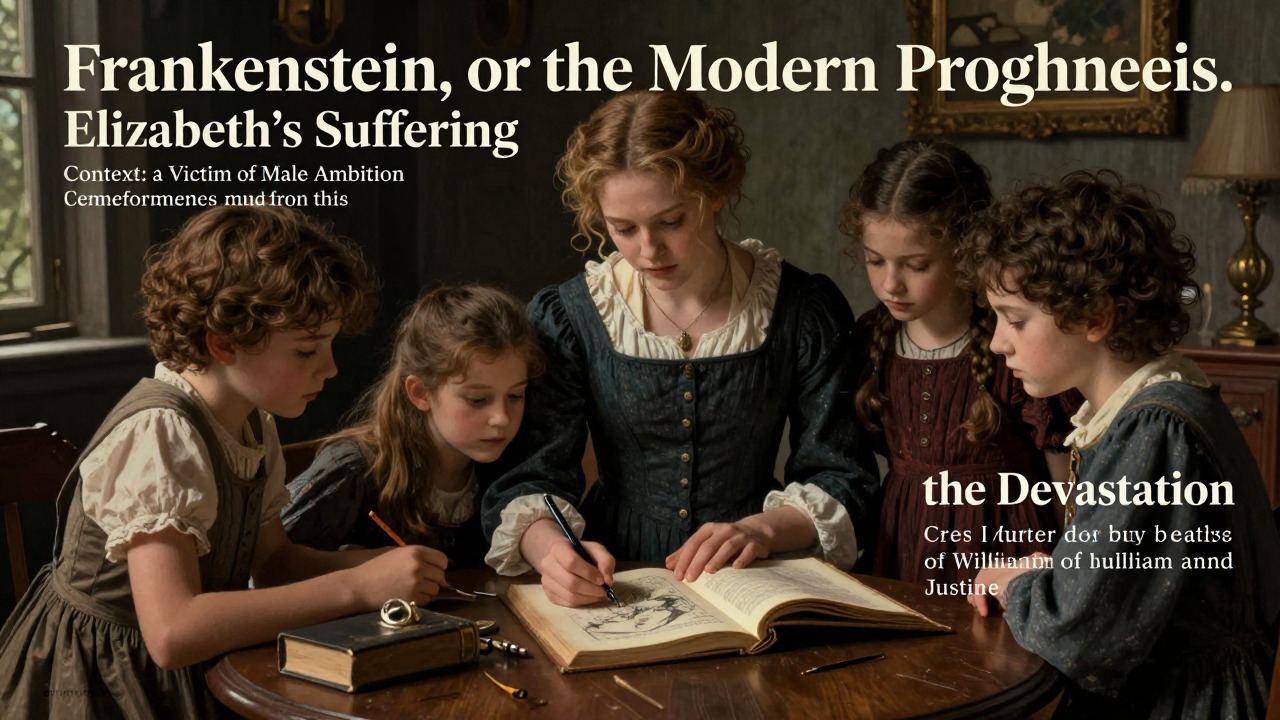
A Victim of Male Ambition
The Nurturer
Elizabeth is the emotional center of the household. She cares for the children, writes to Victor, and tries to comfort the family. Her role is to preserve domestic happiness.
The Devastation
She is crushed by the deaths of William and Justine. She loses her faith in human goodness. Yet she continues to hold out hope for Victor's return. She is powerless to change the course of events.
The Final Victim
Elizabeth's murder on her wedding night is the ultimate tragedy. She is a symbol of innocence destroyed by the consequences of Victor's ambition. The novel uses her fate to critique the marginalization of women in a world driven by male scientific and adventurous pursuits.
During Victor's childhood, before his departure to Ingolstadt
Throughout the novel, especially after the murders
