
Prejudice and Appearance
Frankenstein, or the Modern PrometheusThe theme of how the monster's hideous appearance makes him a victim of prejudice, despite his innate humanity.
increasing Bearing strength in each event
 decreasing
Bearing strength in each eventdecreasingThe Monster's Deformity
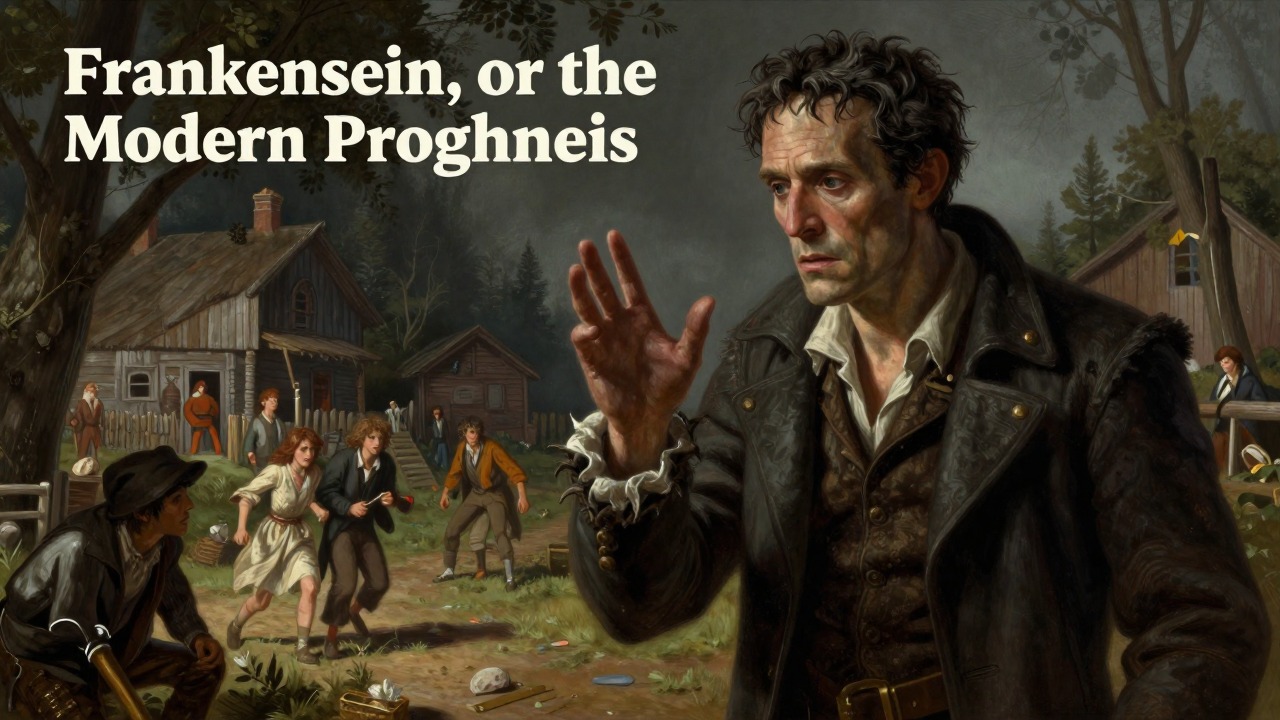
A Mark of Condemnation
The First Sight
Every human who sees the monster reacts with terror. The villagers attack him, the De Laceys flee, and the rustic shoots him. His appearance is a barrier to any connection.
The Monster's Awareness
The monster learns to see himself as others see him. He is horrified by his own reflection. He understands that his ugliness makes him a monster in their eyes, regardless of his intentions.
The Injustice
The monster argues that he is judged solely by his appearance. He is never given a chance to prove his goodness. The novel critiques the superficial judgments of society, showing how prejudice can create evil.
The Blindness of De Lacey
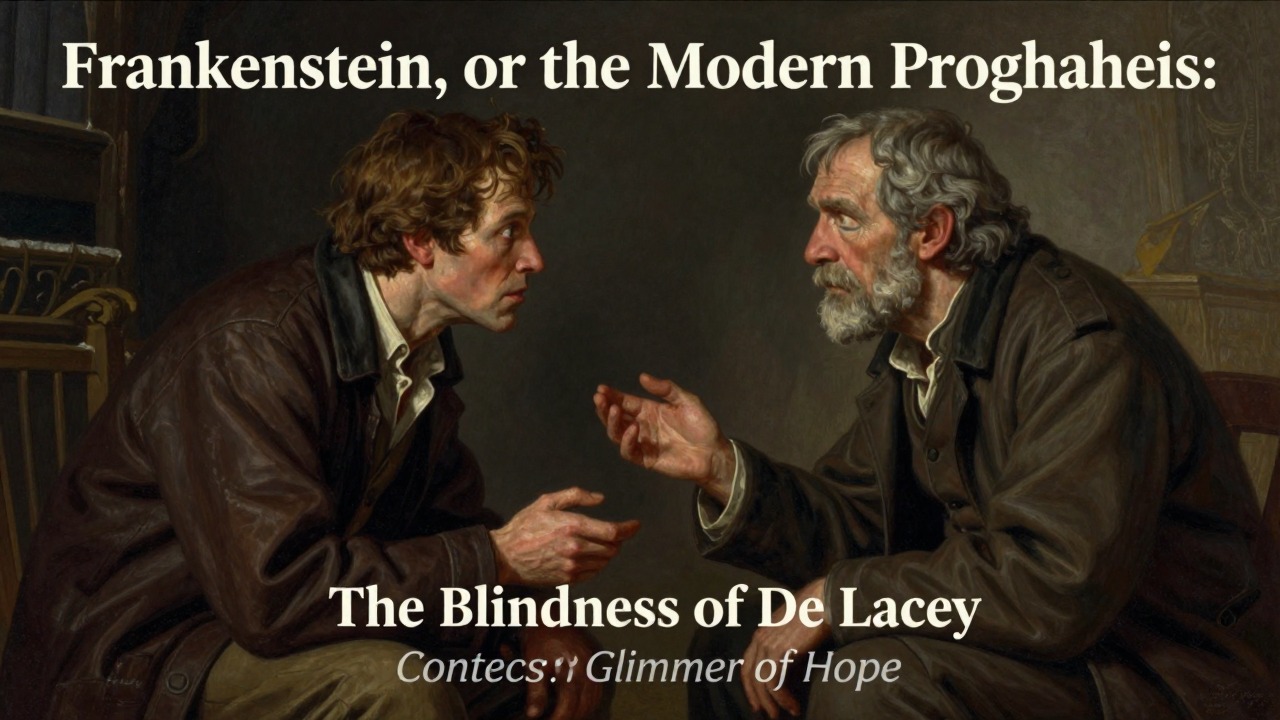
A Glimmer of Hope
The Opportunity
The monster chooses to approach De Lacey when he is alone because the old man is blind. He hopes that blindness will allow him to be judged by his words, not his appearance.
The Conversation
De Lacey listens to the monster and offers sympathy. The monster feels a rare moment of connection. He is about to reveal his identity when the others return.
The Failure
The arrival of the sighted family destroys the moment. They see the monster and react with horror. The hope is crushed. The episode shows that only in the absence of sight can the monster be accepted, but such acceptance is fleeting.
Throughout the monster's encounters with humans
The monster's attempt to befriend the blind old man
