
The Lilliputian Reward System and Its Corruption
Gulliver's TravelsThe Lilliputian practices of rewarding virtue through the Snillpall title and the corrupting influence of court favor.
increasing Bearing strength in each event
 decreasing
Bearing strength in each eventdecreasingThe Snillpall or Legal
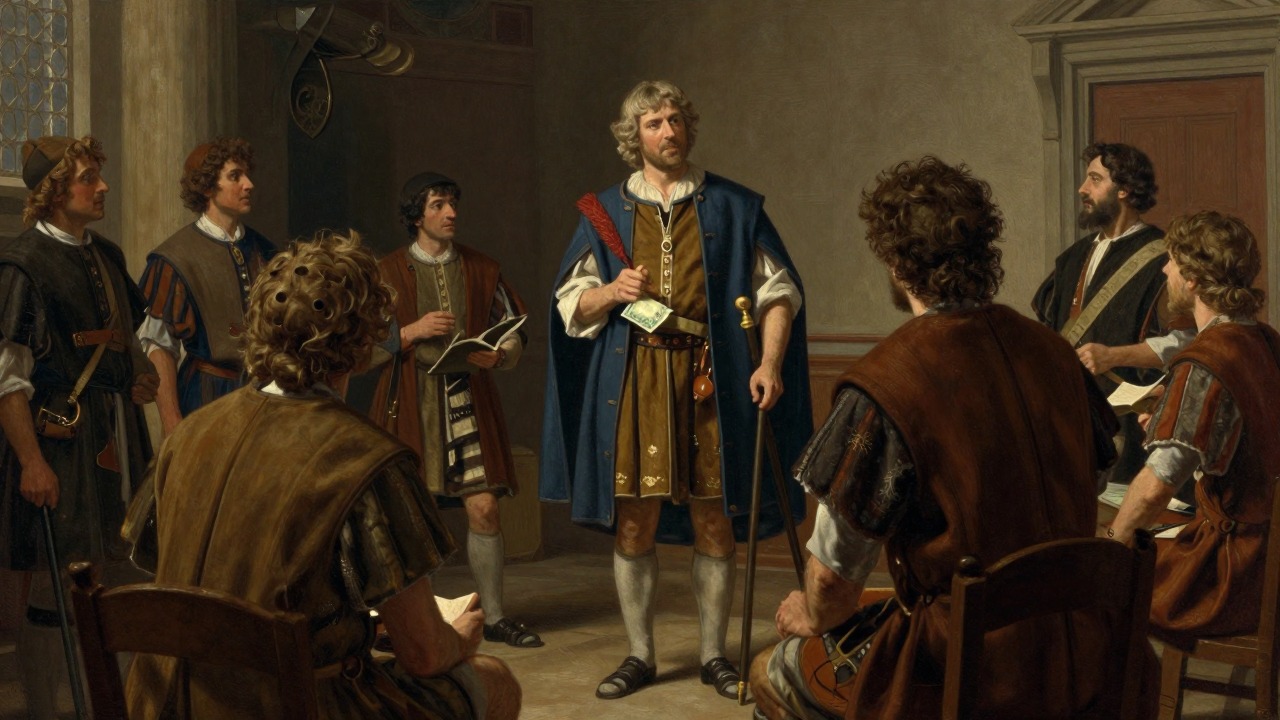
The Reward for Obedience
The Institution
In Lilliput, anyone who can prove that he has strictly observed the laws for seventy-three moons receives certain privileges, a sum of money, and the title of Snillpall, or Legal. This title is added to his name but does not descend to his posterity.
The Contrast with England
Gulliver notes that the Lilliputians think it is a defect of policy that English laws are enforced only by penalties, without any mention of reward. The Lilliputian system is designed to encourage virtue.
The Satirical Intent
Swift is satirizing the English system of honors, which often went to the undeserving. The Snillpall is a theoretical ideal, but the actual practice in Lilliput is corrupted by the rope-dancing and stick-leaping, which are not part of the original laws.
The Rope-Dancing and Stick-Leaping as Distortions
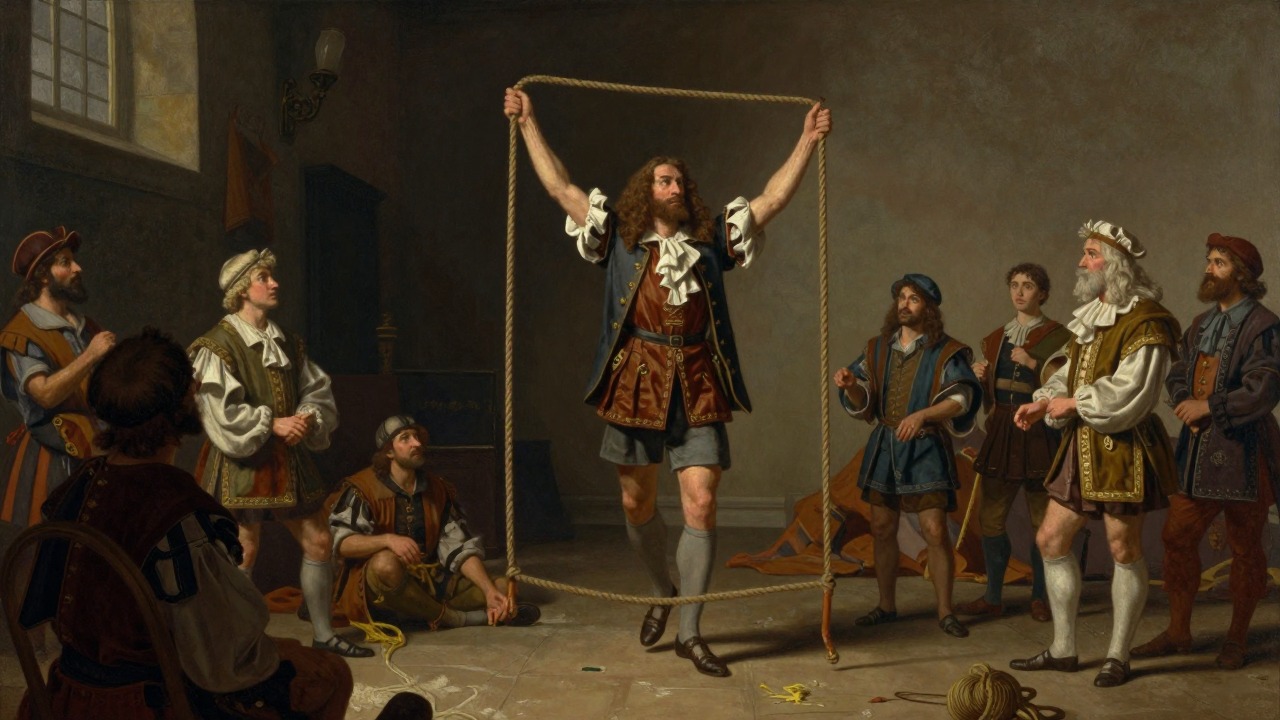
The Corruption of Merit
The Original Institution
Gulliver explains that the diversions of rope-dancing and stick-leaping were introduced by the grandfather of the present emperor and grew to the present height by the gradual increase of party and faction. They are not part of the original laws.
The Current Practice
Now, high offices are obtained by those who can dance on a rope, and honors are given to those who can leap over or creep under a stick. The most agile win the colored silks. This is a satire of the arbitrary way European courts distribute favors.
The Risk of Injury
Many candidates break their limbs, and ministers themselves often fall. The system is dangerous and arbitrary. It contrasts with the rational Snillpall system, showing how the original institutions have been corrupted.
The Law of Ingratitude and Fraud
The Ideal Laws
The Law of Ingratitude
Ingratitude is a capital crime in Lilliput. The reasoning is that anyone who makes ill returns to his benefactor is a common enemy to mankind. This law is intended to enforce gratitude.
The Law of Fraud
Fraud is punished more severely than theft. The Lilliputians argue that a man can protect his goods against theft, but honesty has no defense against superior cunning. This is a comment on the importance of trust in commerce.
The Irony
These laws are ideal, but the actual court is full of ingratitude and fraud. The conspiracy against Gulliver is a prime example. The emperor's court displays the very vices the laws are meant to prevent. This is another layer of satire.
during the Lilliput stay, chapter 6
during the Lilliput stay, chapters 3 and 6
during the Lilliput stay, chapter 6
