
The Brobdingnagian King's Philosophy
Gulliver's TravelsThe King of Brobdingnag's rational and critical examination of Gulliver's descriptions of Europe, leading to his condemnation of European politics and morality.
increasing Bearing strength in each event
 decreasing
Bearing strength in each eventdecreasingFirst Audience with the King
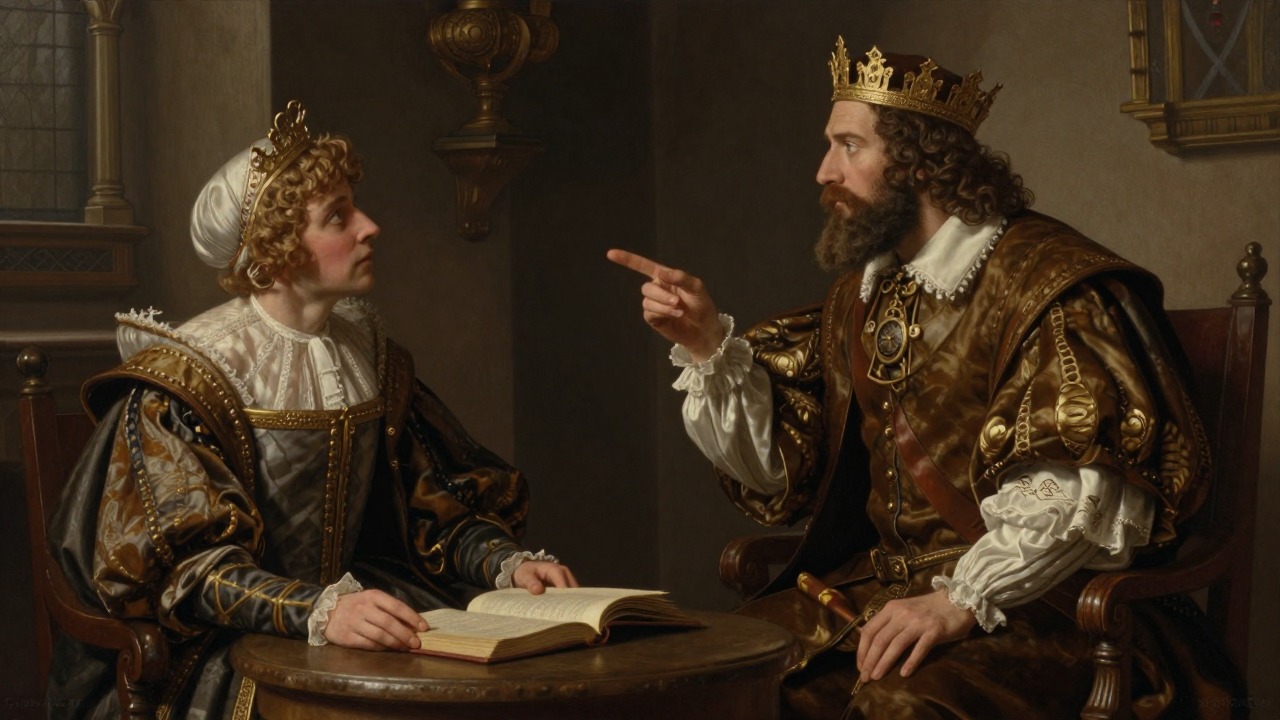
The King's Initial Skepticism
The Examination of the Man-Mountain
When the queen first presents Gulliver to the king, he is skeptical. He thinks Gulliver may be a piece of clockwork or a trained animal. But Gulliver speaks rationally, and the king questions him. Gulliver tells the story of his voyage, but the king suspects it is a story concerted with the farmer and Glumdalclitch to sell him at a better price.
The King's Later Belief
After sending for the farmer and confronting him with Gulliver, the king begins to believe. He orders that Glumdalclitch continue as Gulliver's nurse and that a suitable apartment be prepared. The king's caution reflects his rational nature, unwilling to accept the extraordinary without evidence.
The King's Character
The king is described as a learned prince, educated in philosophy and mathematics. He is grave and austere, but his curiosity about Gulliver shows his open-mindedness. This first audience sets the stage for the long conversations that follow.
The King's Questions on English Government
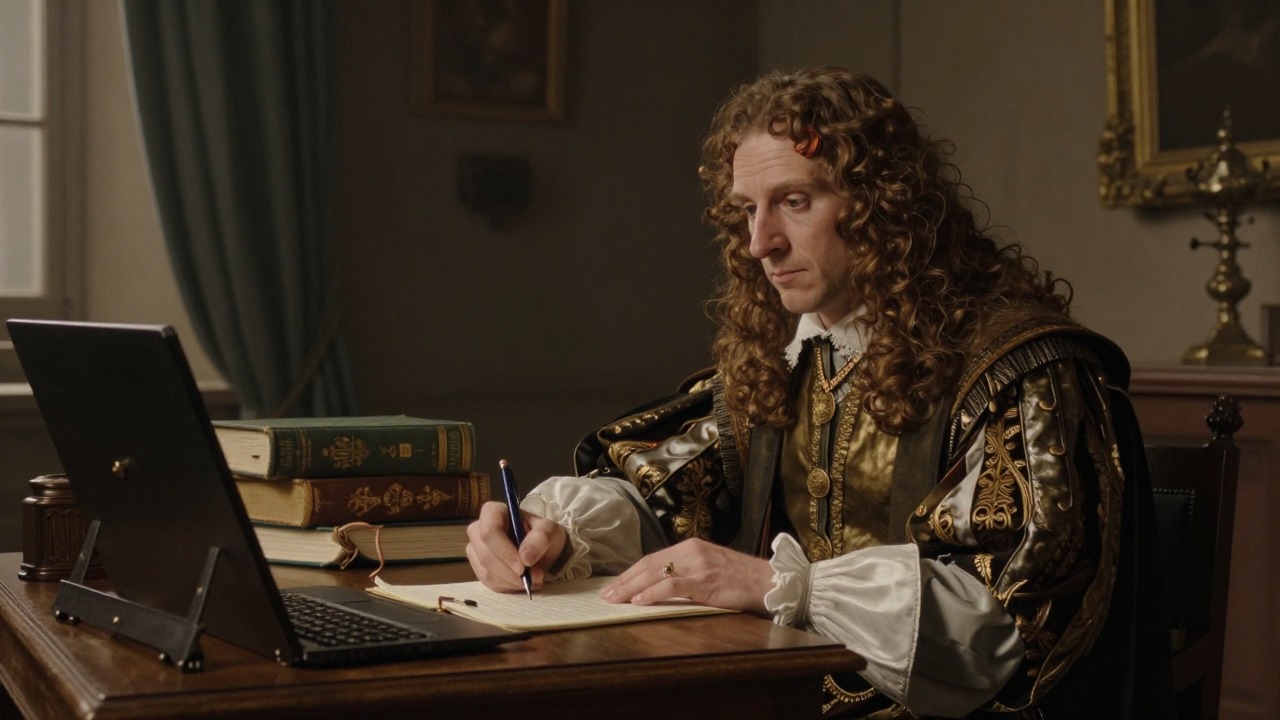
The Anatomy of European Politics
The King's Interrogation
Gulliver, eager to impress, gives a detailed account of the English constitution, parliament, courts, and finances. The king listens attentively, taking notes. He asks penetrating questions: How are laws made? How are judges chosen? How are bishops appointed? What is the role of money in elections? He is particularly skeptical of the standing army and the national debt.
The Flaws Exposed
Gulliver's praise of the House of Lords and Commons is met with doubts about the qualifications of the lords and the integrity of the commons. The king notes that laws are often perverted by lawyers, that wars are fought for ambition, and that the people are burdened with taxes. He finds Gulliver's arithmetic of religious sects laughable.
The King's Judgment
After several audiences, the king recapitulates: he concludes that the English are a pernicious race of vermin, and that their institutions are corrupt. Gulliver is deeply wounded but cannot deny the truth. The king's rational analysis contrasts sharply with the irrationality of European politics.
The King's Rejection of Gunpowder
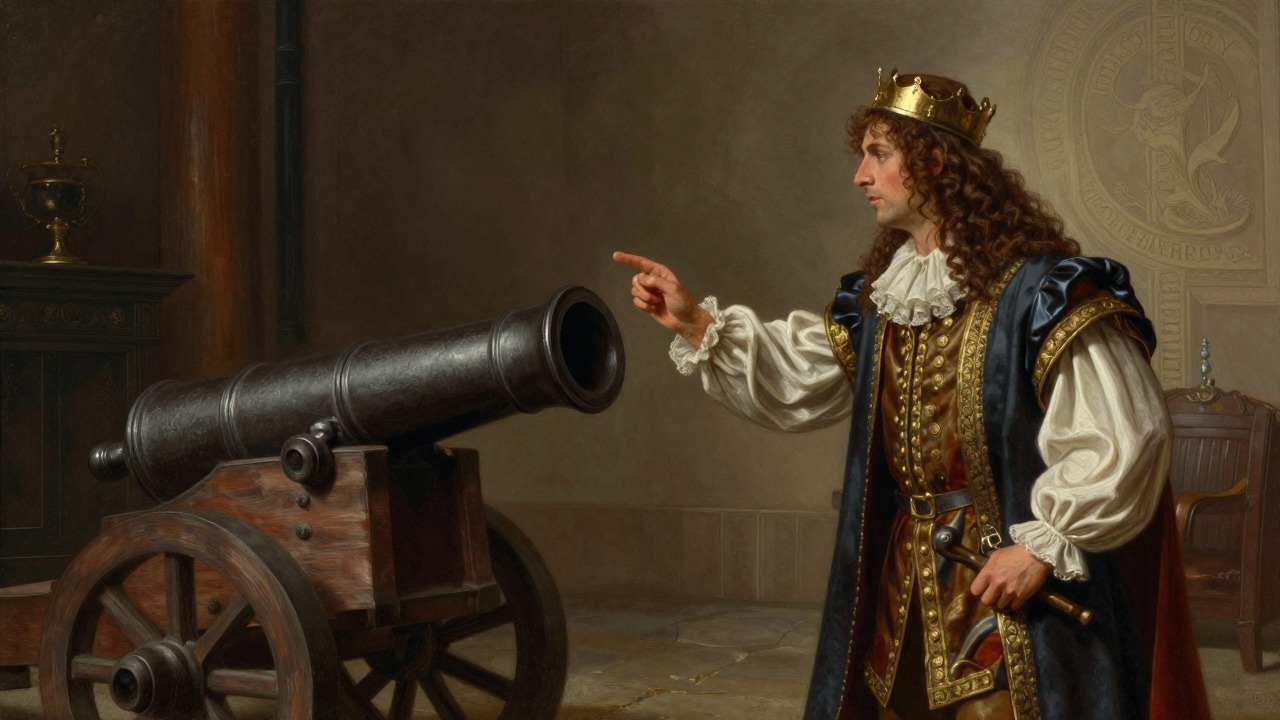
The Prince's Moral Stance
Gulliver's Offer
Thinking to win the king's favor, Gulliver reveals the secret of gunpowder and offers to help the king make cannons. He describes the destructive power of the weapons, believing the king would be grateful for the means to become absolute master of his subjects.
The King's Horror
To Gulliver's astonishment, the king is horrified. He calls Gulliver an impotent, grovelling insect for entertaining such inhuman ideas. He declares that he would rather lose half his kingdom than be privy to such a secret. He commands Gulliver never to mention it again.
The Contrast with Europe
Gulliver criticizes the king's narrow principles, but the reader sees the king's moral superiority. The rejection of gunpowder is a powerful symbol of the king's commitment to humanity and his rejection of the European politics of force. This episode is a turning point in Gulliver's disillusionment.
The King's Views on Law and Learning
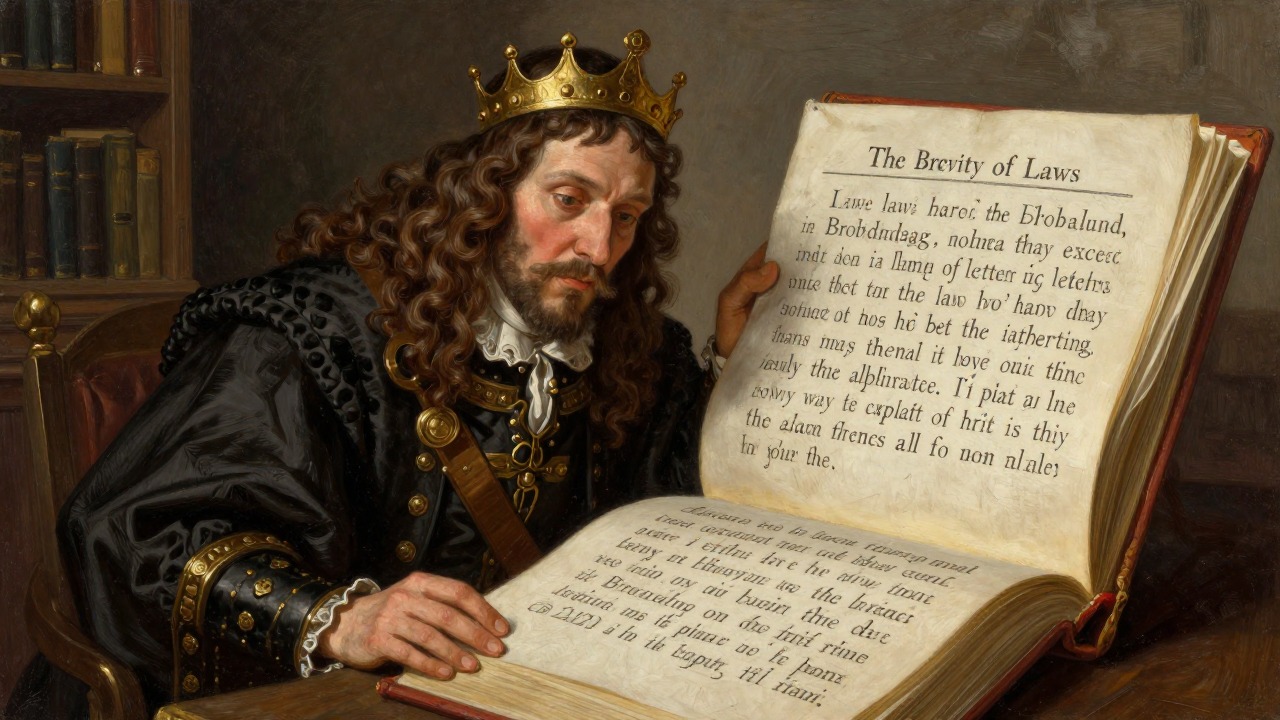
The Simplicity of Brobdingnagian Institutions
The Brevity of Laws
Gulliver learns that in Brobdingnag, no law may exceed the number of letters in the alphabet (twenty-two). Laws are expressed in plain terms, with only one interpretation allowed. Commenting on a law is a capital crime. This simplicity contrasts with the voluminous and contradictory laws of England, which lawyers exploit.
The Limited Learning
The Brobdingnagians excel in morality, history, poetry, and mathematics, but only as applied to practical life. They have no interest in metaphysics, abstractions, or political theories. The king considers the art of government to be simply common sense, justice, and charity.
The King's Practical Wisdom
When Gulliver mentions that Europe has thousands of books on government, the king despises them. He believes that the true test of a statesman is to make two ears of corn grow where only one grew before. This epitomizes the king's practical, benevolent philosophy, which Gulliver cannot appreciate.
The King's Final Assessment
The King's Summary
The Recapitulation
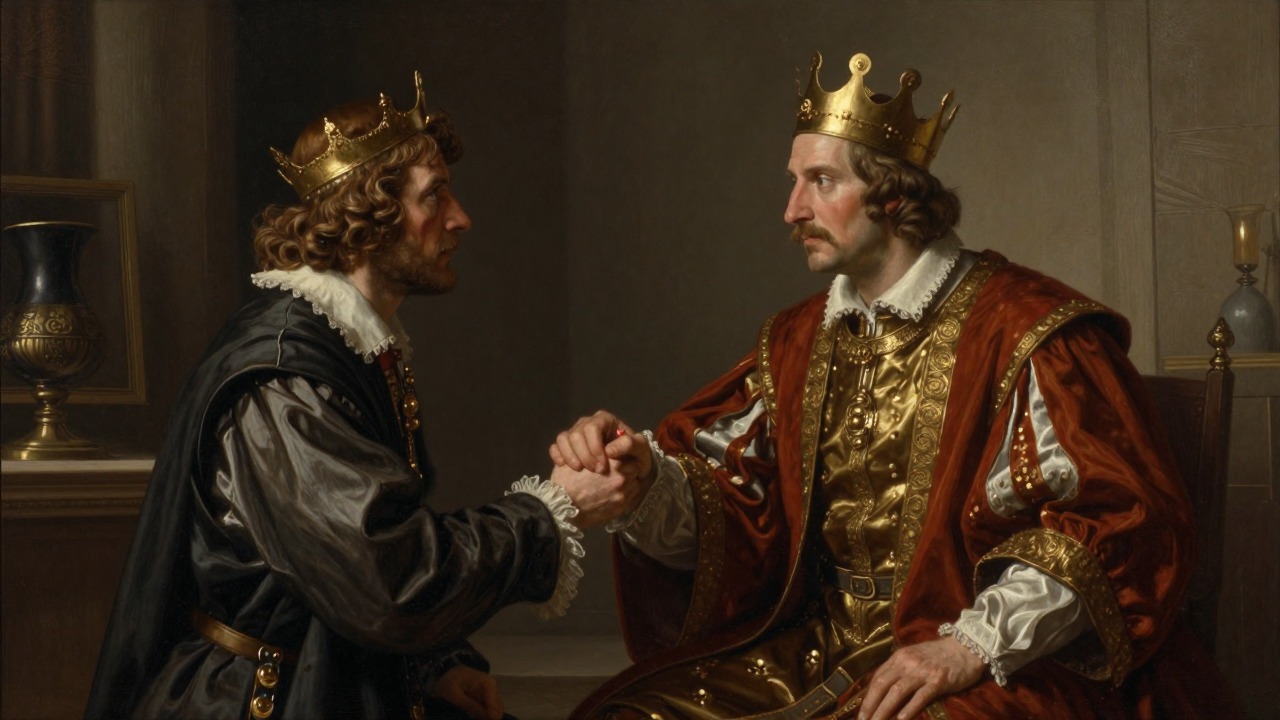
After all the conversations, the king takes Gulliver into his hand and delivers his final verdict. He summarizes all the evils Gulliver has described: ignorance, idleness, vice, corruption, perversion of laws, standing armies, and bloody wars. He concludes that the English are the most odious vermin on earth.
Gulliver's Reaction
Gulliver is mortified. He tries to defend his country but is silenced by the king's logic. He reflects that the king's secluded education prevents him from understanding the refinements of European politics. The reader, however, is left to judge the king's wisdom.
The Impact on Gulliver
This assessment deeply affects Gulliver. It plants the seeds of his later misanthropy, which will fully bloom in the later voyages. The king's words become a constant reference point for Gulliver's critique of humanity.
October 1703, soon after Gulliver's arrival at court
several audiences in 1704
late 1705 or early 1706
during the same period, 1704-1705
near the end of Gulliver's stay, 1706
