
The Political Satire of English Institutions
Gulliver's TravelsSwift's satirical critique of the English government, law, and society through the lens of the Lilliputian and Brobdingnagian kings.
increasing Bearing strength in each event
 decreasing
Bearing strength in each eventdecreasingThe Lilliputian Court as a Mirror of English Politics
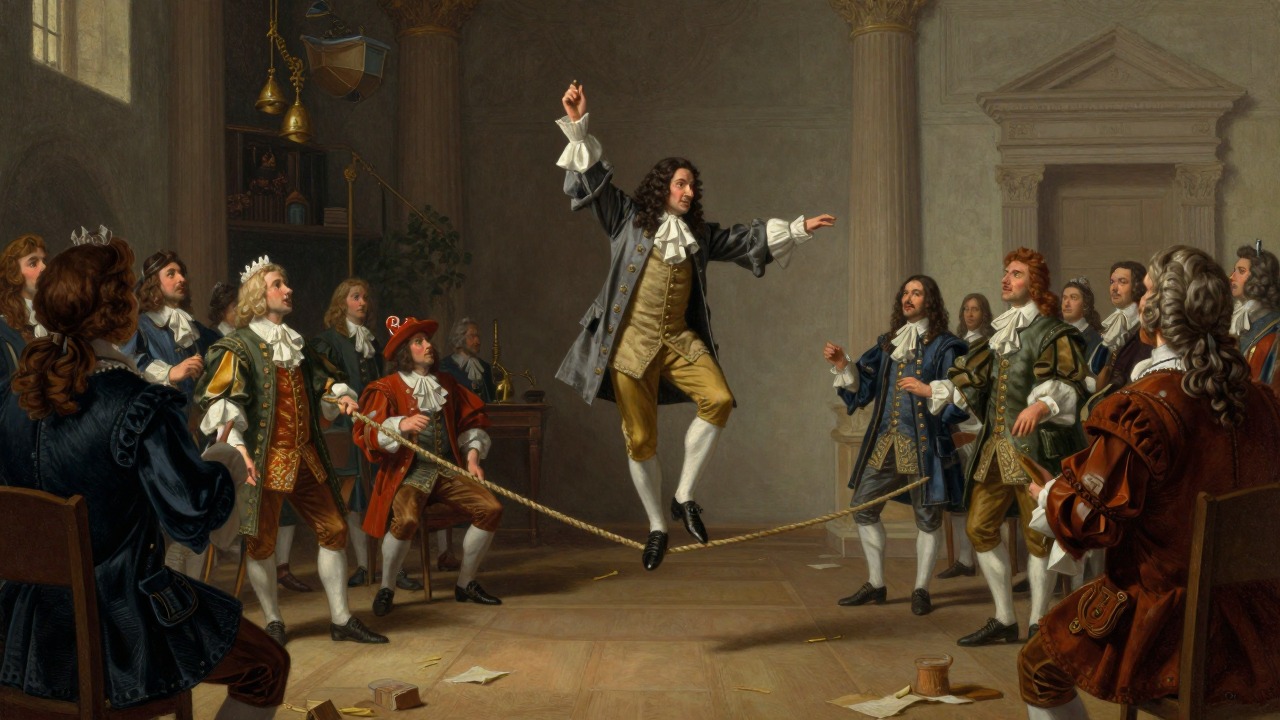
The Absurdity of Court Favor
The Rope-Dancing and Stick Leaping
The Lilliputian practice of awarding high offices to those who can dance on a rope or jump over a stick is a direct satire of the English system of political patronage. The ministers risk their necks to please the emperor. Flimnap's skill is a metaphor for the flattery and manipulation needed to rise in court.
The High-Heel and Low-Heel Factions
The conflict between the Tramecksan and Slamecksan mirrors the struggles between the English Tories and Whigs. The emperor's choice of low heels and the heir's hobble (one heel higher than the other) satirize the shifting alliances and the absurdity of party divisions.
The Big-Endian Controversy
The war over egg-breaking is a parody of the religious disputes that plagued Europe, particularly the Protestant-Catholic conflict. The edict of the grandfather, the rebellions, and the exiles all echo the Reformation and the English Civil Wars. Swift uses this trivial origin to mock the seriousness with which people take sectarian differences.
The Lilliputian Legal System as Satire
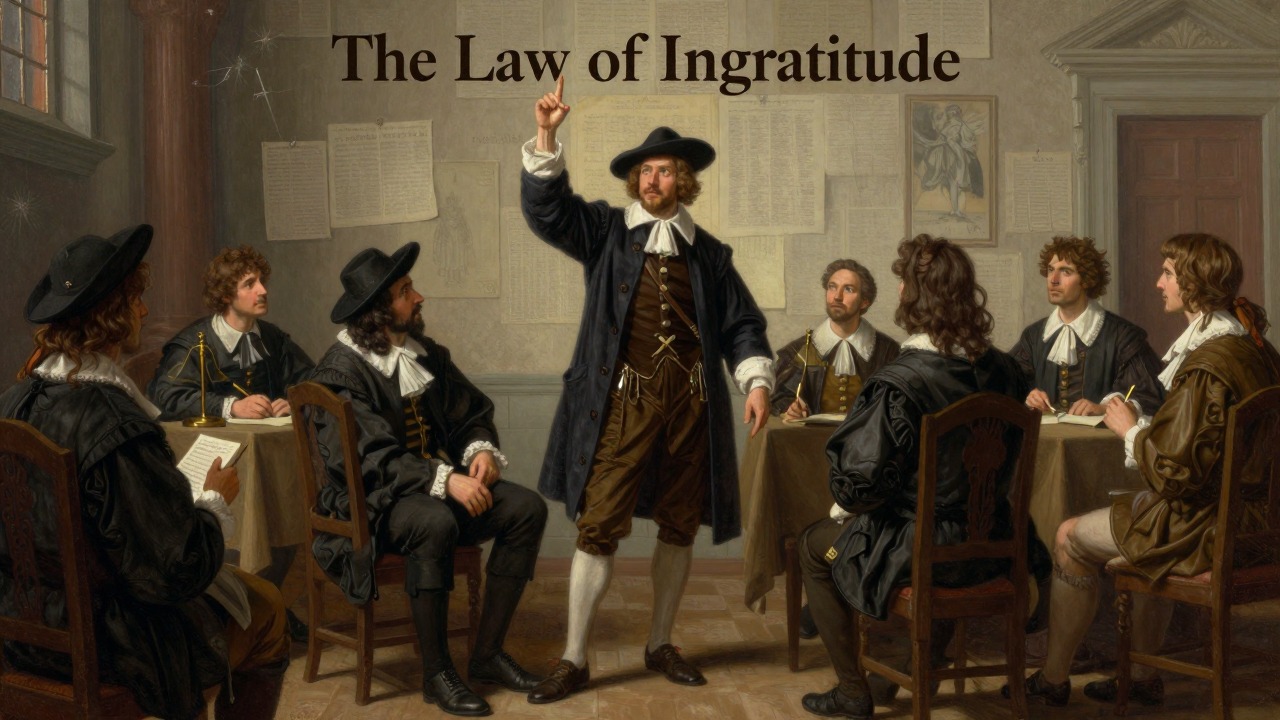
The Laws of Lilliput
The Law of Ingratitude
Lilliput makes ingratitude a capital crime, a direct contrast to English practice. The narrator also praises the law that punishes fraud more severely than theft. These laws are presented as ideal, but they are undercut by the actual corruption of the court, which uses the laws for personal vengeance.
The Reward System
The institution of the Snillpall, or legal, rewards those who have obeyed the laws for seventy-three moons. This is a satire of the English system of honors and pensions, which Swift saw as corrupt. The image of Justice with six eyes and a bag of gold is a pointed comment on the venality of English judges.
The Education System
The state-run nurseries, where children are taken from their parents and educated collectively, are a critique of the English aristocracy's neglect of education. The separation of parents and children, the ban on fondling, and the emphasis on plain living all satirize the excesses of the upper classes.
The Brobdingnagian King's Critique of England
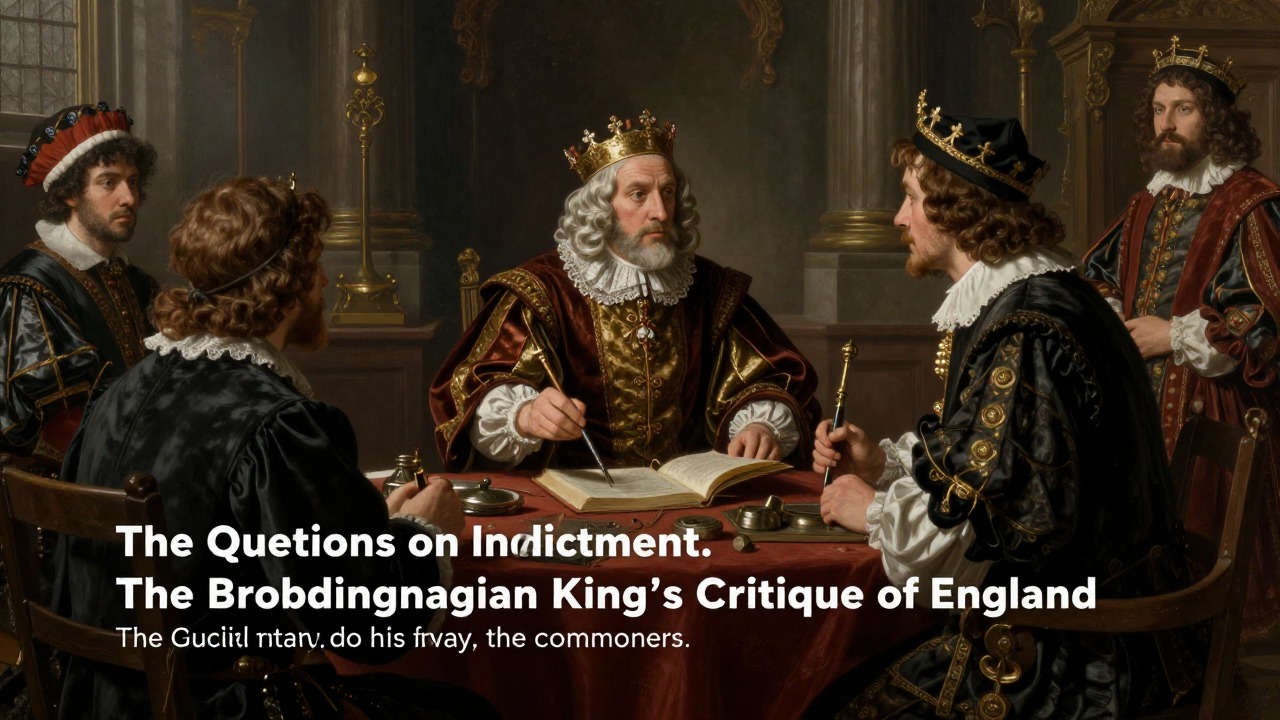
The King's Indictment
The Questions on Parliament
The king asks about the selection of peers and commoners. Gulliver's answers reveal the influence of money, royal favor, and party. The king finds it absurd that a man with a strong purse can buy his way into the legislature. He is skeptical of the virtue of MPs who serve without salary.
The Questions on Courts of Justice
The king inquires about the length and expense of lawsuits, the role of lawyers, and the possibility of bribery. Gulliver's own experience of a long chancery suit gives him first-hand knowledge. The king sees that the law is often used to oppress rather than to protect.
The Questions on the Army and Finance
The king is amazed that a free people would maintain a standing army in peacetime. He also questions the national debt and the cost of wars. He concludes that the English must be a quarrelsome people. His practical mind cannot comprehend the European system of power politics.
The King's Condemnation of European Morality
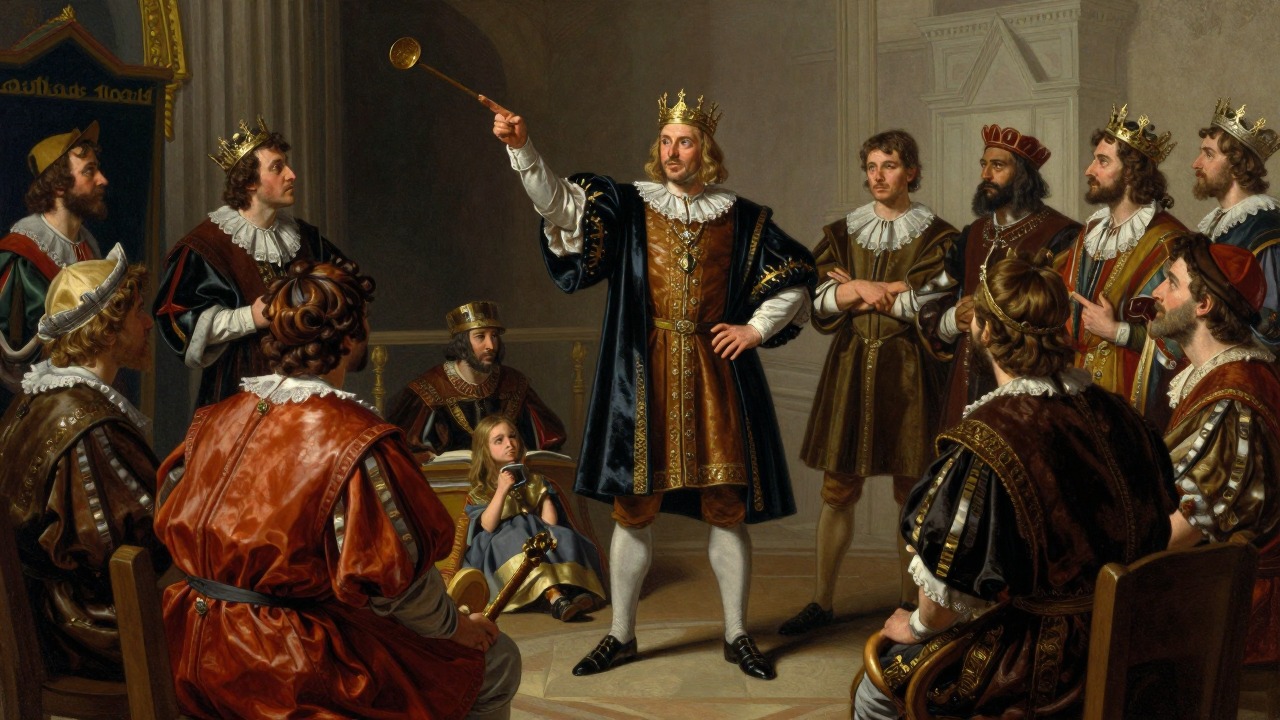
The Verdict
The Summary of Evils
The king recapitulates all the vices Gulliver has described: conspiracies, rebellions, murders, massacres, revolutions, banishments, and the effects of avarice, faction, hypocrisy, and cruelty. He declares that the English are the most pernicious race of little odious vermin.
The Satirical Intention
Swift puts his own sharpest criticism of England into the mouth of a foreign king, making it more palatable and more devastating. The king's perspective is that of an outsider who sees the absurdity of European politics. The satire is both humorous and bitter.
The Impact on Gulliver
Gulliver is deeply wounded but cannot refute the king. He tries to excuse the king's narrowness, but the reader understands that the king's judgment is essentially correct. This episode is a high point of the political satire in the book.
The Rejection of Gunpowder as Anti-War Satire
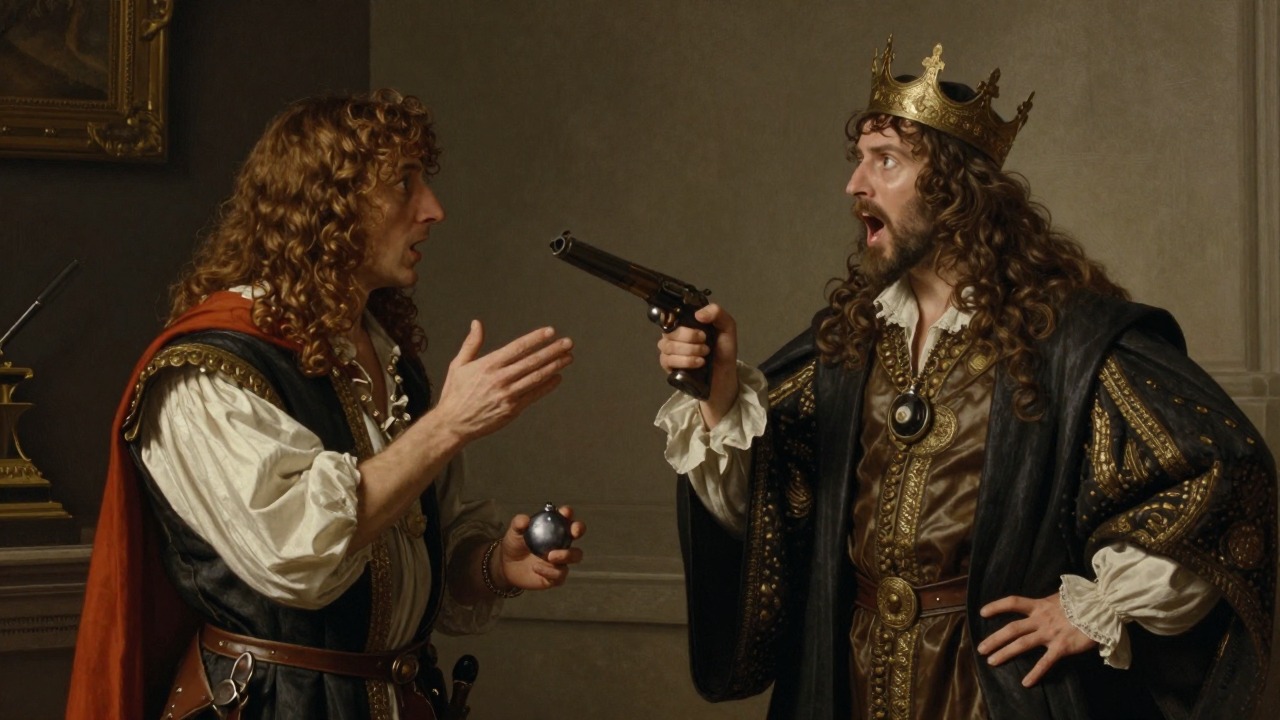
The Moral Superiority of the King
The Offer of Destructive Power
Gulliver's offer to teach the king how to make gunpowder is a demonstration of European technological "progress." He expects the king to be grateful, as any European monarch would be.
The King's Horror
The king's reaction is one of horror and moral revulsion. He prefers to lose half his kingdom than to be privy to such a secret. This is a direct condemnation of the European love of war and conquest.
The Satirical Point
Swift uses the king's response to criticize the European powers that shipped gunpowder and cannons around the world. The king's refusal shows that a truly civilized ruler would reject such weapons. The satire is clear: the European "science" of politics is actually barbaric.
during the Lilliput stay, 1699-1701
during the Lilliput stay, chapter 6
1704-1705, during the audiences
after the audiences, 1705
late 1705
