Animagus
Harry Potter and the Prisoner of AzkabanAnimagus is a rare and legally regulated magical ability in the wizarding world that allows a witch or wizard to transform into a specific animal at will. In Harry Potter and the Prisoner of Azkaban, the concept is central to the plot, as it is revealed that Sirius Black, James Potter, and Peter Pettigrew were all unregistered Animagi, a secret they used to accompany their werewolf friend Remus Lupin during his transformations. This illegal status becomes a key piece of evidence in proving Pettigrew's survival and Black's innocence, and the Ministry of Magic's strict registration and control of Animagi underscores the theme of institutional power and the marginalization of those who operate outside its rules.
Definition and Legal Framework
An Animagus is a witch or wizard who has mastered the difficult and dangerous magical art of transforming into a specific animal at will. The process is so hazardous that the Ministry of Magic maintains a strict register of all known Animagi, tracking their animal forms and distinguishing markings. Hermione Granger, during her studies, consults this register and learns that only seven Animagi have been officially recorded in the entire century, a fact she uses to argue that Peter Pettigrew could not possibly be an unregistered Animagus. The Ministry's tight control reflects a broader pattern of institutional regulation of magic, where even extraordinary abilities are subject to bureaucratic oversight. The Decree for the Restriction of Underage Wizardry and the Dementor guarding policy are parallel examples of this regulatory impulse, creating a world where magical power is constantly monitored and constrained.
The Marauders' Secret
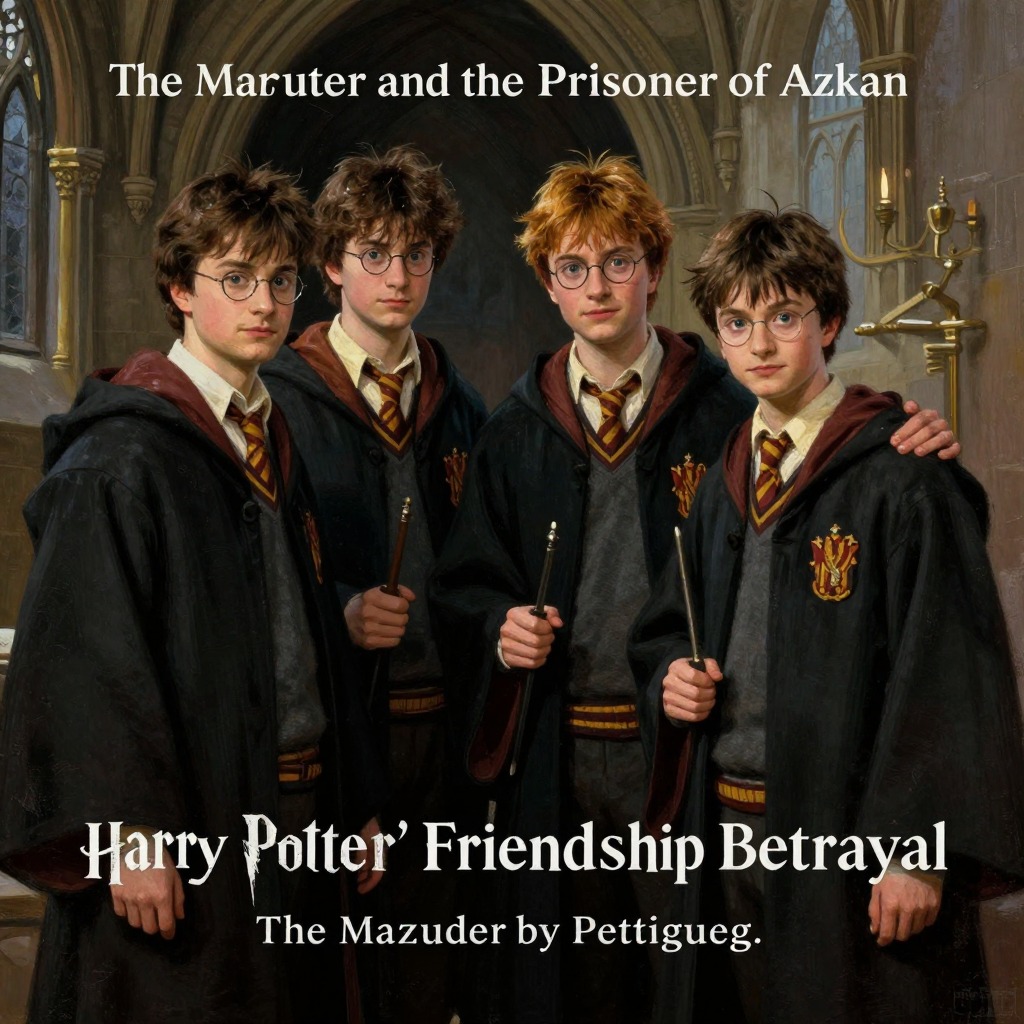
The most significant revelation about Animagi in the book comes from the history of the Marauders: Remus Lupin, Sirius Black, James Potter, and Peter Pettigrew. Lupin, a werewolf, was transformed once a month and isolated in the Shrieking Shack to prevent him from harming others. His three friends, discovering his condition, did not abandon him. Instead, they spent nearly three years mastering the Animagus transformation—a feat that required exceptional magical skill and could go horribly wrong—so they could keep him company in their animal forms. Sirius Black became a large black dog (nicknamed Padfoot), James Potter a stag (Prongs), and Peter Pettigrew a rat (Wormtail). As animals, they could safely accompany Lupin during his transformations, and their shared adventures led them to create the Marauder's Map, a magical document that charted Hogwarts' secret passages. This illegal act of friendship, kept hidden from even Albus Dumbledore, demonstrates how the characters operated outside the law to protect and support one another, a theme that resonates with the marginalization of werewolves and other stigmatized groups.
The Unregistered Animagus and the Plot
Peter Pettigrew's status as an unregistered Animagus is the linchpin of the entire mystery. After betraying James and Lily Potter to Lord Voldemort, Pettigrew faked his own death by transforming into a rat and escaping into the sewers, leaving behind only his severed finger as evidence. He then lived for twelve years as Ron Weasley's pet rat, Scabbers, hiding in plain sight. Sirius Black, who had been wrongly imprisoned in Azkaban for Pettigrew's crimes, escaped and pursued him, knowing that Pettigrew was an Animagus. The Ministry of Magic, unaware of Pettigrew's ability, believed Black had murdered him and thirteen Muggles. The truth only emerges when Lupin and Black force Pettigrew to transform back into human form in the Shrieking Shack, a moment that shatters the official narrative and reveals the depth of institutional failure. The Ministry's register, which Hermione consulted, had no record of Pettigrew, proving that the system could be circumvented by those with sufficient skill and secrecy.
Consequences and Thematic Significance
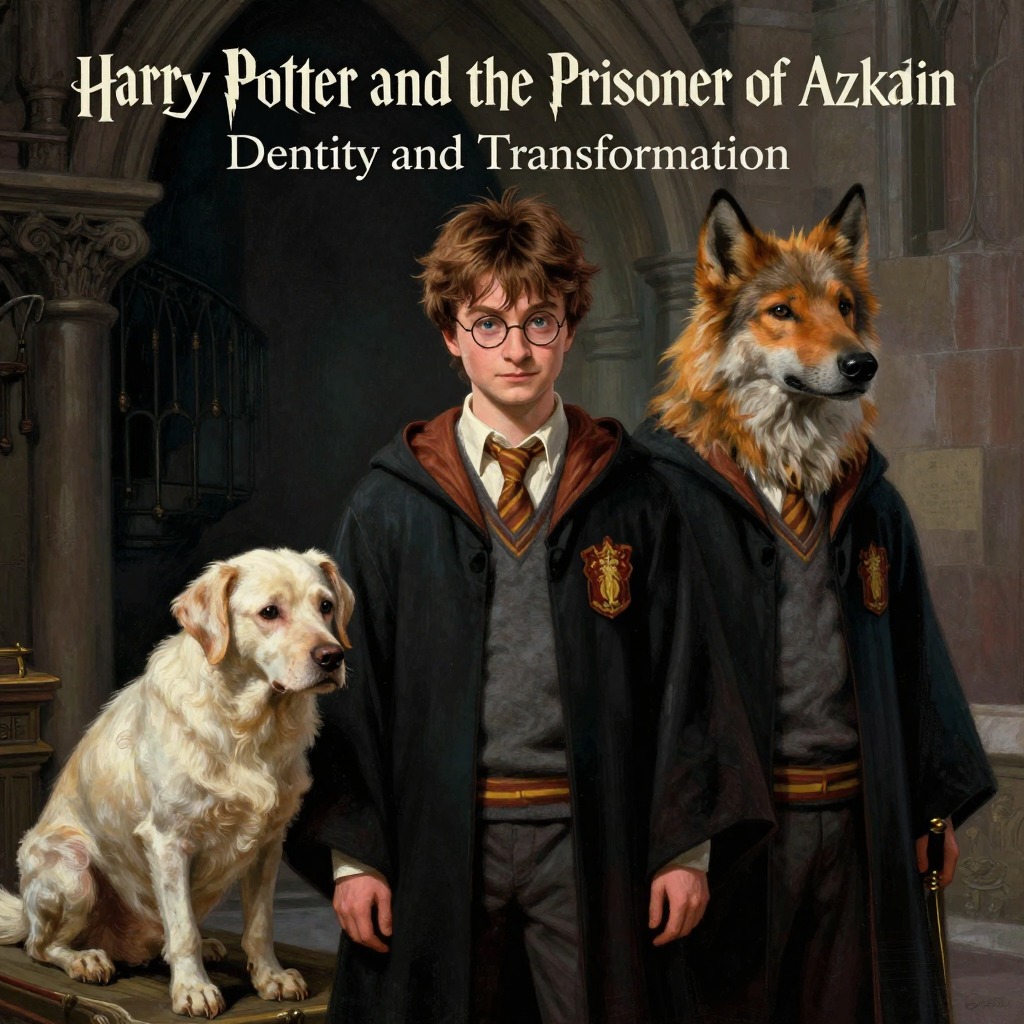
The Animagus concept in Prisoner of Azkaban serves multiple thematic functions. It highlights the gap between official knowledge and hidden truth, as the Ministry's register is shown to be incomplete and unreliable. It also underscores the power of friendship and loyalty, as the Marauders' illegal transformation was an act of devotion to Lupin. Furthermore, the ability to become an animal blurs the boundary between human and non-human, a theme explored through the Dementors' inability to perceive animal emotions—a weakness Black exploits to escape Azkaban. The Dementors, who feed on human happiness and despair, cannot effectively track a dog, allowing Black to slip past them. This posthumanist dimension, where animal form offers a kind of freedom from human surveillance and suffering, adds depth to the narrative. Ultimately, the Animagus is not merely a magical trick but a symbol of hidden identity, institutional failure, and the lengths to which individuals will go to protect those they love.