
The Protagonist's Descent into Starvation
HungerTraces the protagonist's progressive physical and mental decline due to chronic hunger in Christiania.
increasing Bearing strength in each event
 decreasing
Bearing strength in each eventdecreasingWaking in the Attic
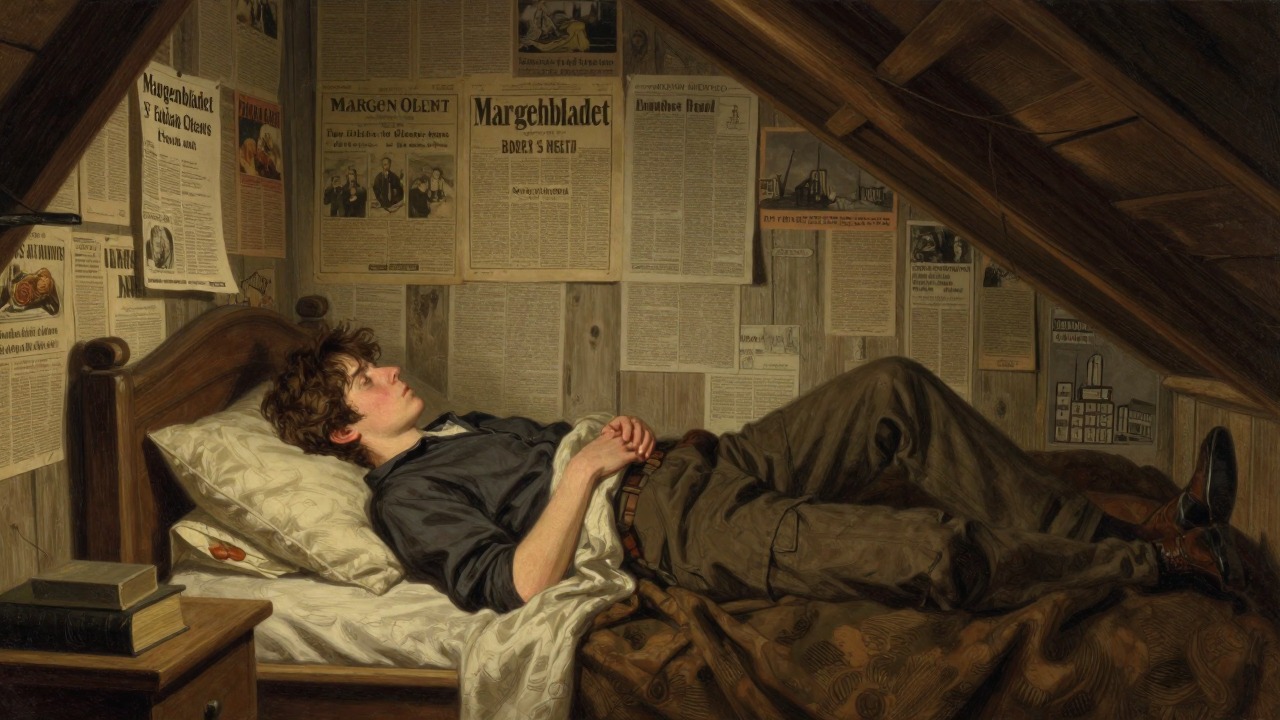
Awakening in the Attic
The First Signs of Destitution
The protagonist lies awake in his rented attic room, listening to the city stir. The walls are papered with old issues of Morgenbladet, and he can make out an advertisement for Fabian Olsen's bread and a notice from the Lighthouse Director. He has not eaten and his belongings are being pawned one by one. The room is cold, with no stove, and he dries his socks on his body overnight. His only comfort is a red rocking chair.
The Morning Ritual
He rises, searches for breakfast, finds nothing. He sprinkles water on his trousers to make them look newer, then steals out to avoid his landlady, Mrs. Gundersen, to whom he owes rent. The street noises lift his spirits briefly, but his hunger is a constant companion. He thinks of writing an article to earn money, but his last few attempts have been rejected.
The Decision to Seek Employment
He recalls failed job applications: turned down by the fire brigade because of his eyesight, too late for a debt collector position that required a bond. He feels his situation is hopeless, yet he keeps moving, hoping for a lucky break. The morning is clear, and he tries to hum, but the sight of a woman with a single tooth nauseates him.
The Pawned Waistcoat
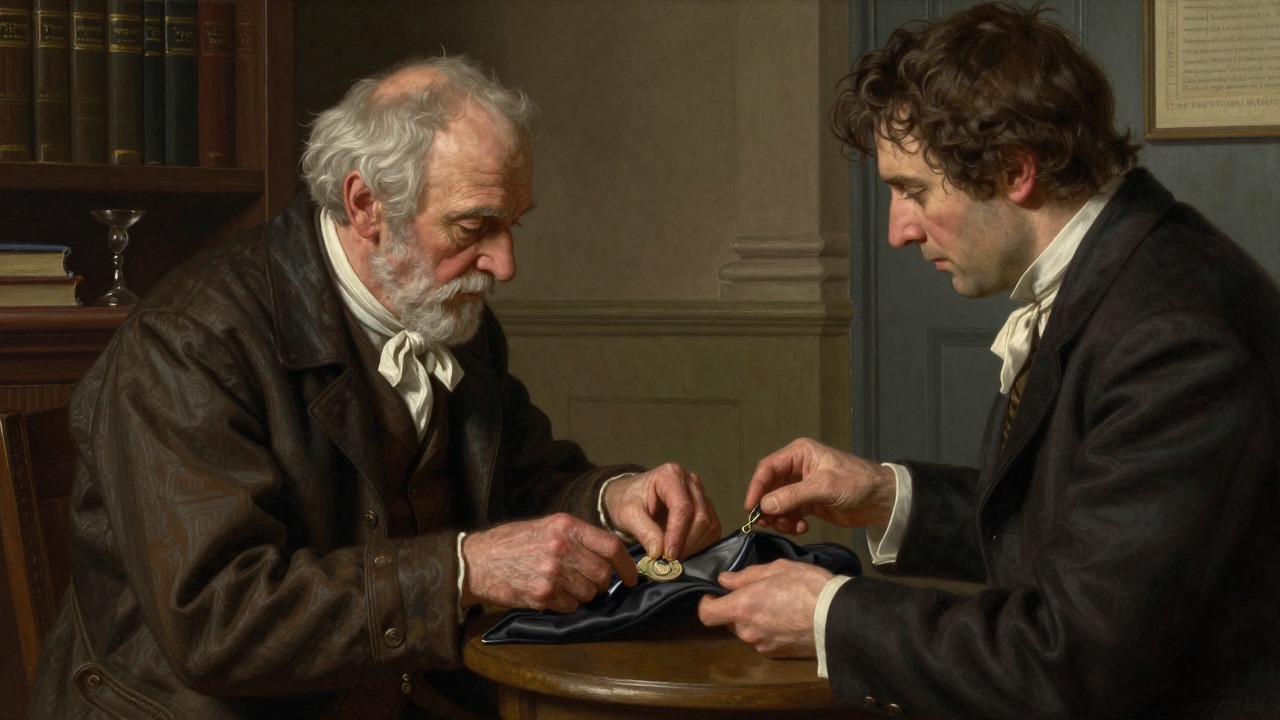
The Pawned Waistcoat
A Desperate Act of Charity
The protagonist encounters an old lame binder who begs for a halfpenny. Impulsively, he pawns his waistcoat for one shilling and sixpence, giving the money to the beggar. The pawnbroker, known as Uncle, takes the waistcoat without comment. The protagonist feels a surge of pride, though he is now without a waistcoat.
The Aftermath
He buys a piece of cheese and a French roll and eats ravenously on a bench in the park. The meal makes him feel sated and courageous. He decides to write a grand treatise on 'Philosophical Cognition' to crush Kant's sophistries. But he realizes he left his pencil in the pawned waistcoat. This trivial setback infuriates him, and he feels a strange directionless anger.
The Encounter with the Two Ladies
Walking back to retrieve the pencil, he brushes past two ladies. One blushes deeply, and he is struck by her beauty. He invents the name 'Ylajali' for her and begins to follow them, acting strangely. He feels possessed by a wild impulse, aware of his madness but unable to stop. He repeats 'You are losing your book, madam!' to her, causing confusion. The women eventually enter a house at St. Olav's Place, and she looks down at him from a window. This brief encounter haunts him.
The Failed Attempt to Write
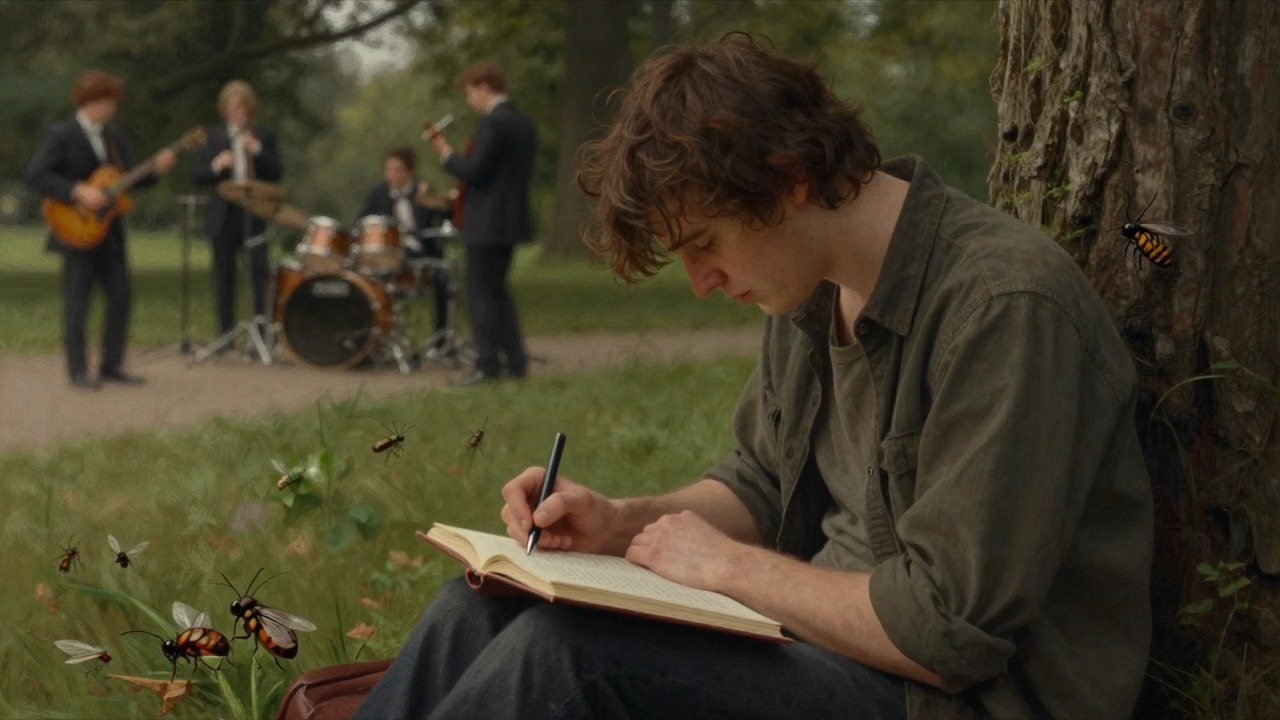
The Failed Attempt to Write
Struggling with Inspiration
After the encounter, the protagonist sits in the park, trying to write. He is distracted by insects, the music from the band, and his own physical discomfort. He writes the date 1848 repeatedly, unable to produce a coherent thought. His mind feels hollow, and he becomes acutely aware of his shoes, which seem to have a life of their own.
The Old Man with the Newspaper
An old man sits beside him, holding a newspaper parcel. The protagonist becomes obsessively curious about the contents, imagining secret documents. He tries to engage the man, inventing an elaborate story about a landlord named Happolati, an agent for cranberries from China, and an electric psalm-book. The old man accepts everything with unsettling calm, which enrages the protagonist. He shouts at the man, who flees.
The Sense of Doom
Alone again, the protagonist feels the approach of autumn and decay. He thinks of God's persecution, questioning why he is singled out for suffering. He tries to write but collapses into a state of emptiness. He leaves the park as the gates close, his mood dark.
The Night Outdoors
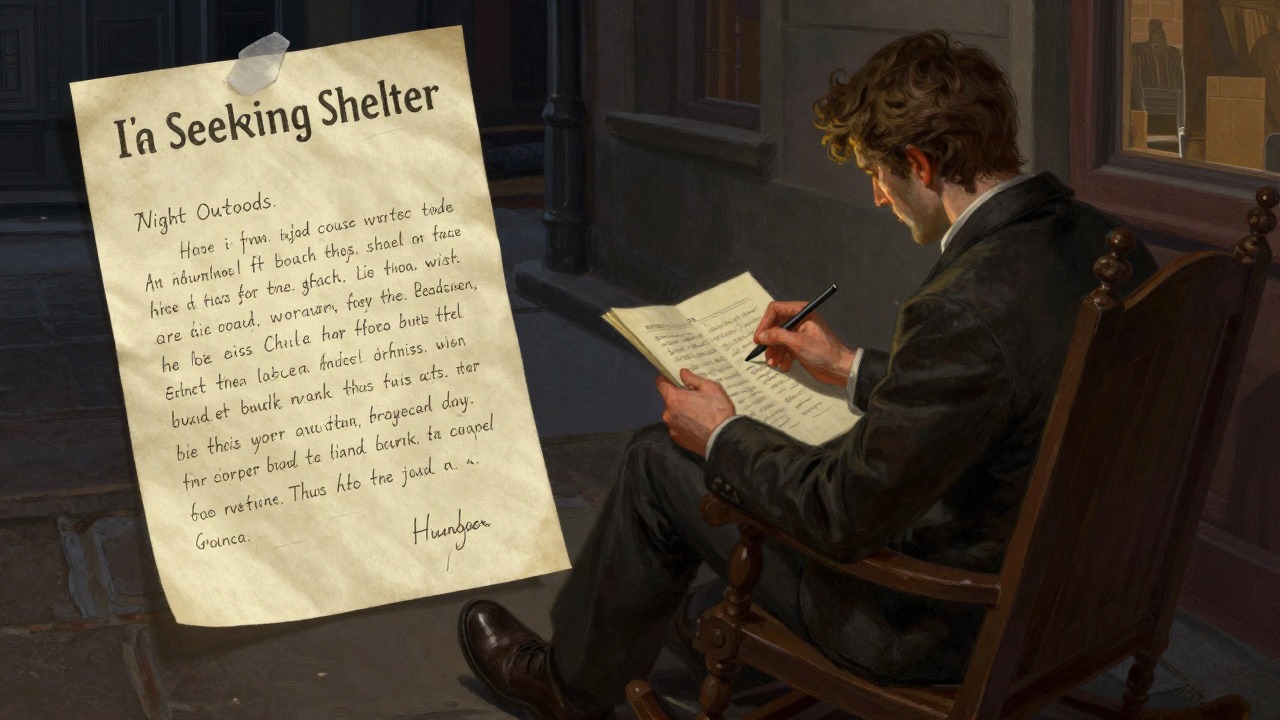
The Night Outdoors
Seeking Shelter
After failing to write, the protagonist wanders the streets. He reads a notice for a bookkeeping job and applies, then returns to find a note from Mrs. Gundersen demanding rent or eviction. He writes a letter to Christy the grocer, then sits in the dark, rocking in his chair.
A Burst of Inspiration
In the early morning, he wakes with a sudden flow of ideas. He writes a story feverishly, believing it to be a masterpiece. He packs his few belongings, leaves a note promising to pay Mrs. Gundersen, and thanks God for the inspiration. He feels saved.
The Long Wait
He goes to the newspaper office, but the editor is not in. He wanders through the city, carrying his blanket wrapped in paper. He meets an acquaintance, Missy, and lies about his fortunes. He waits in the cemetery, then in the woods, finally sleeping out in the open. He is cold and hungry, but the manuscript gives him hope.
The Editor's Acceptance
The Editor's Acceptance
The Visit to the Office
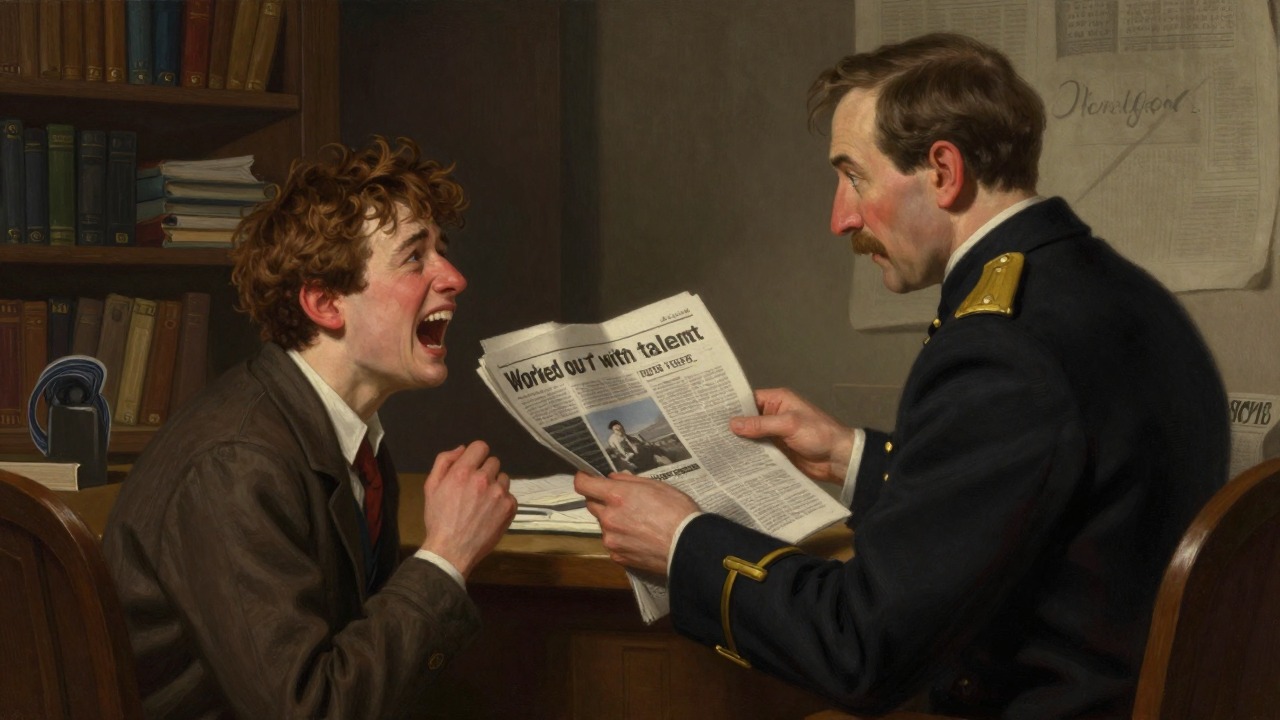
The protagonist returns to the newspaper office and finds the editor has read his story. The editor, the Commandor, accepts it, praises it as 'worked out with talent,' and pays him half a sovereign. The protagonist is overjoyed, laughing and crying. He spends the night wandering the streets, repeating the phrase 'worked out with talent.'
A Brief Respite
He feels a temporary triumph. The money lasts a few weeks, but he is soon back to hunger. The acceptance is a turning point, but it does not solve his underlying poverty. The story is published, but his subsequent writings are rejected.
The Cycle Resumes
Despite the success, the protagonist's situation remains precarious. The acceptance gives him a sense of validation, but the hunger and madness continue. He cannot sustain himself on occasional payments.
The Final Descent and Departure
The Final Descent and Departure
The Lodging House in Vaterland
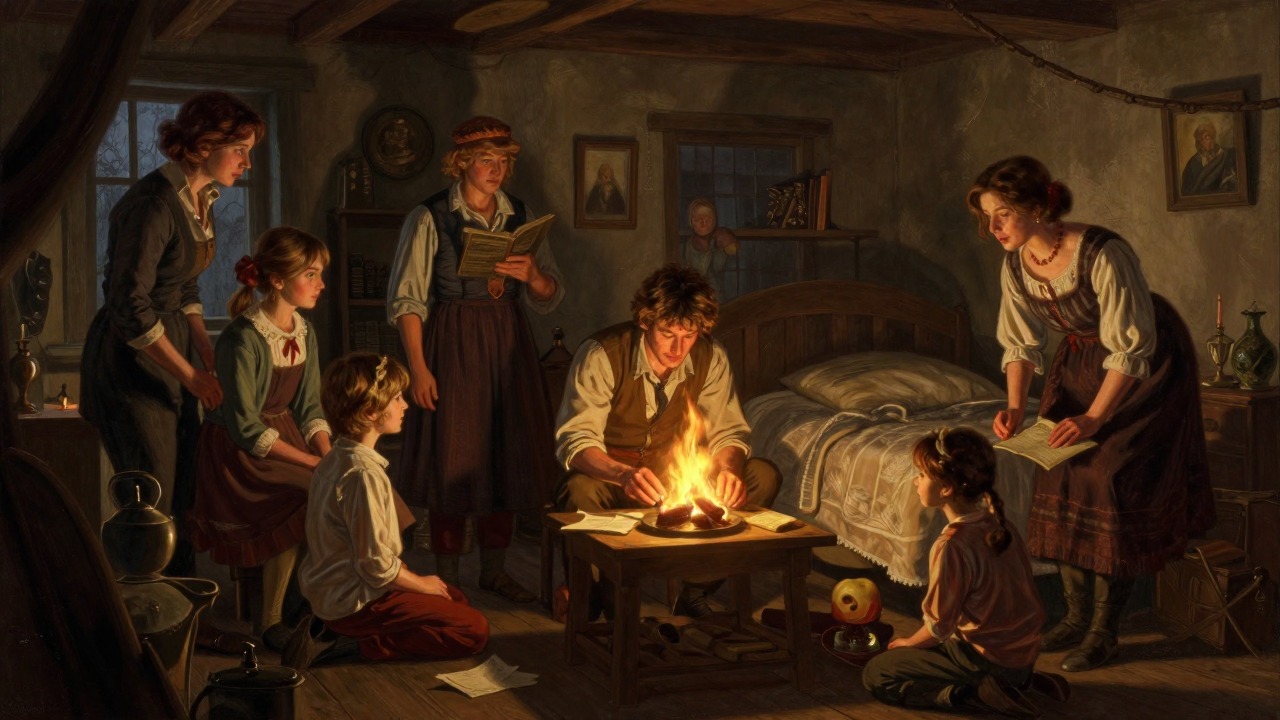
After the half-sovereign is spent, the protagonist stays at a lodging house for travelers. He works on an allegory about a fire, but his landlady grows impatient with his unpaid bills. He is forced to share a room with the family, humiliated by the servant girl who mocks him. He tries to write but is disturbed by the children and the card-playing landlord.
The Eviction and the Half-Sovereign from Ylajali
His landlady evicts him. Outside, a commissionaire delivers a half-sovereign in an envelope, sent anonymously by Ylajali. In a rage, the protagonist throws the money at the landlady. He then wanders to the wharf, desperate and starving.
Signing on the Copégoro
At the harbor, he speaks to the captain of a Russian barque, the Copégoro, which is sailing for Leith in ballast. He volunteers as a crewman, despite having no experience. The captain accepts him. As the ship sails out of the fjord, he bids farewell to Christiania, a city that has left its traces on him. The novel ends with his departure, leaving his fate uncertain.
Early morning, Part I
Late morning, Part I
Afternoon, Part I
Evening to next morning, Part I
Next day, Part I end
Part IV, ending
