
The Media Frenzy
JawsFollows the role of journalists in covering the shark attacks and their impact on the story.
increasing Bearing strength in each event
 decreasing
Bearing strength in each eventdecreasingFirst Reporters Arrive
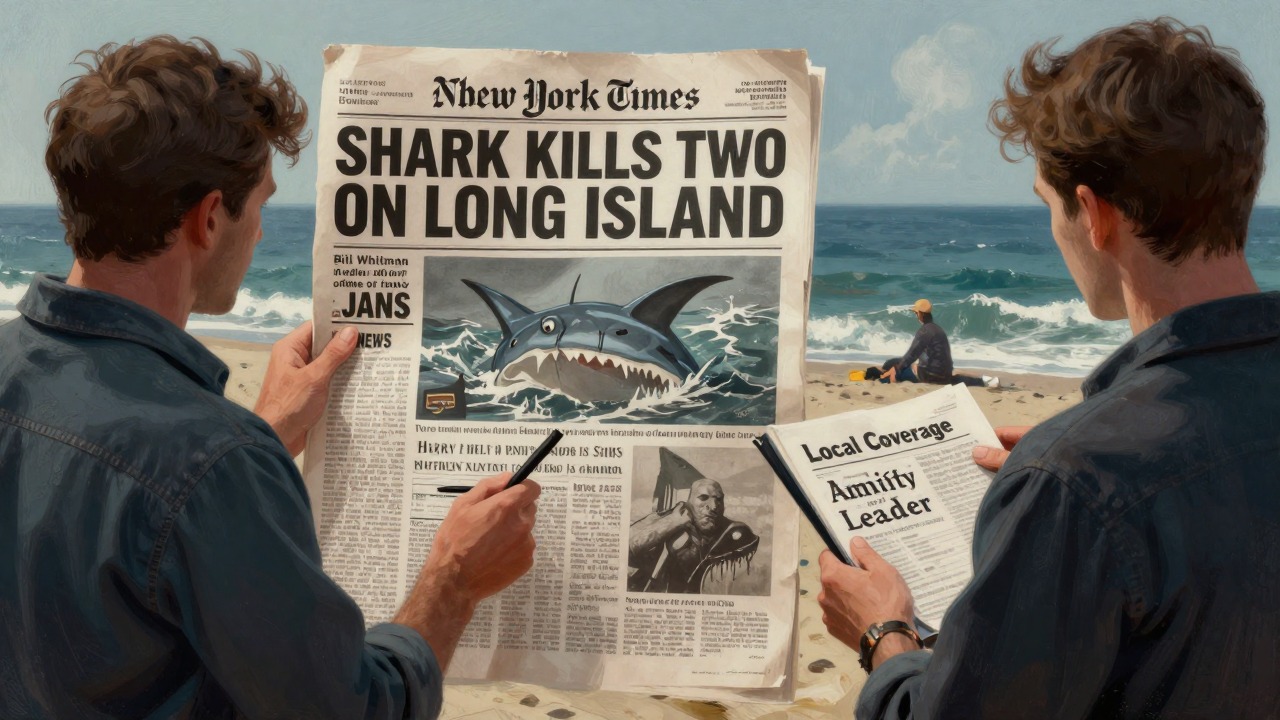
Breaking News
Bill Whitman of the Times
Whitman is on the beach when Alexander Kintner is killed. He immediately files a story. The next day, the New York Times runs a front-page article: "SHARK KILLS TWO ON LONG ISLAND."
Local Coverage
Harry Meadows of the Amity Leader is forced to run a story revealing the earlier attack. He tries to balance the town's interests with the truth.
National Attention
The story becomes a sensation. Reporters from TV networks and newspapers flock to Amity. The town is under a microscope.
TV News Coverage
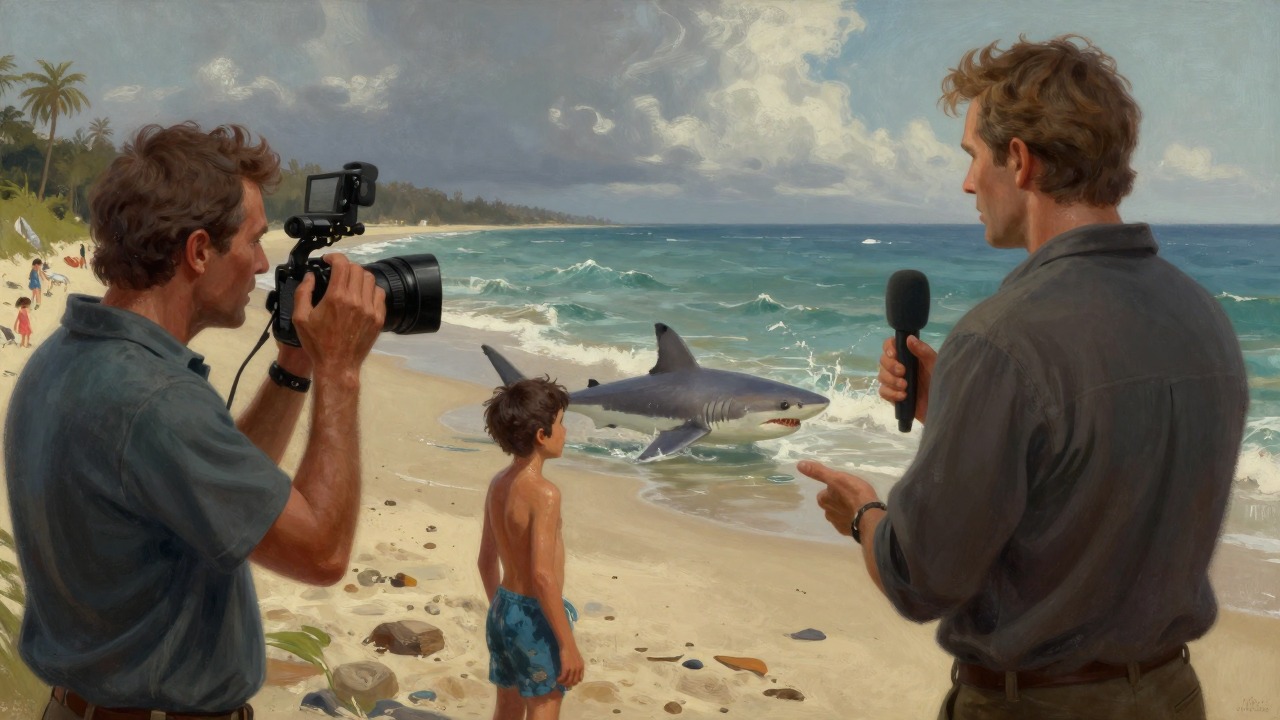
Live from the Beach
Bob Middleton's Report
Bob Middleton of WNBC-TV News arrives to cover the reopened beaches. He interviews a boy who swims, and then the shark is sighted. Middleton captures the panic on camera.
Brody's Interview
Middleton interviews Brody, who admits the town is in big trouble. The interview airs nationally, further damaging Amity's reputation.
Sensationalism
The media focuses on the shark as a monster. The coverage attracts thrill-seekers but also deepens the economic crisis.
Whitman's Pursuit of the Story
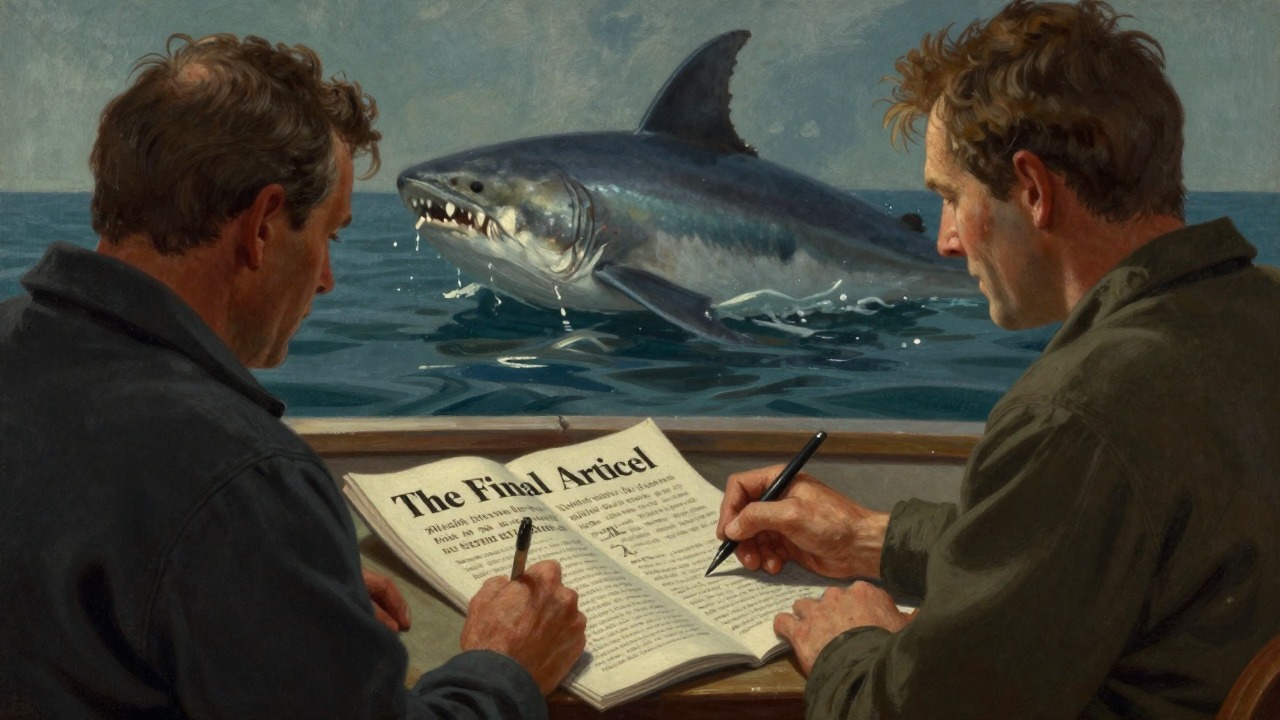
A Reporter's Determination
Digging Deeper
Whitman investigates the cover-up. He learns about the first attack and confronts Meadows. He also tries to join the final hunt, but Quint refuses.
The Final Article
Whitman writes about the hunt and Hooper's death. His reporting keeps the story alive. He is present at the dock when Brody returns alone.
Legacy
The media coverage ensures that the shark attacks become a national cautionary tale. Amity's name is forever linked to the tragedy.
Sunday, after the second attack
Saturday, Fourth of July weekend
Throughout the crisis
