
The Jury of Twelve: Collective Justice
Murder on the Orient ExpressThe theme of collective justice versus individual morality is explored through the conspiracy of twelve passengers who each stab Ratchett once, acting as a jury and executioners.
increasing Bearing strength in each event
 decreasing
Bearing strength in each eventdecreasingThe Idea of the Jury
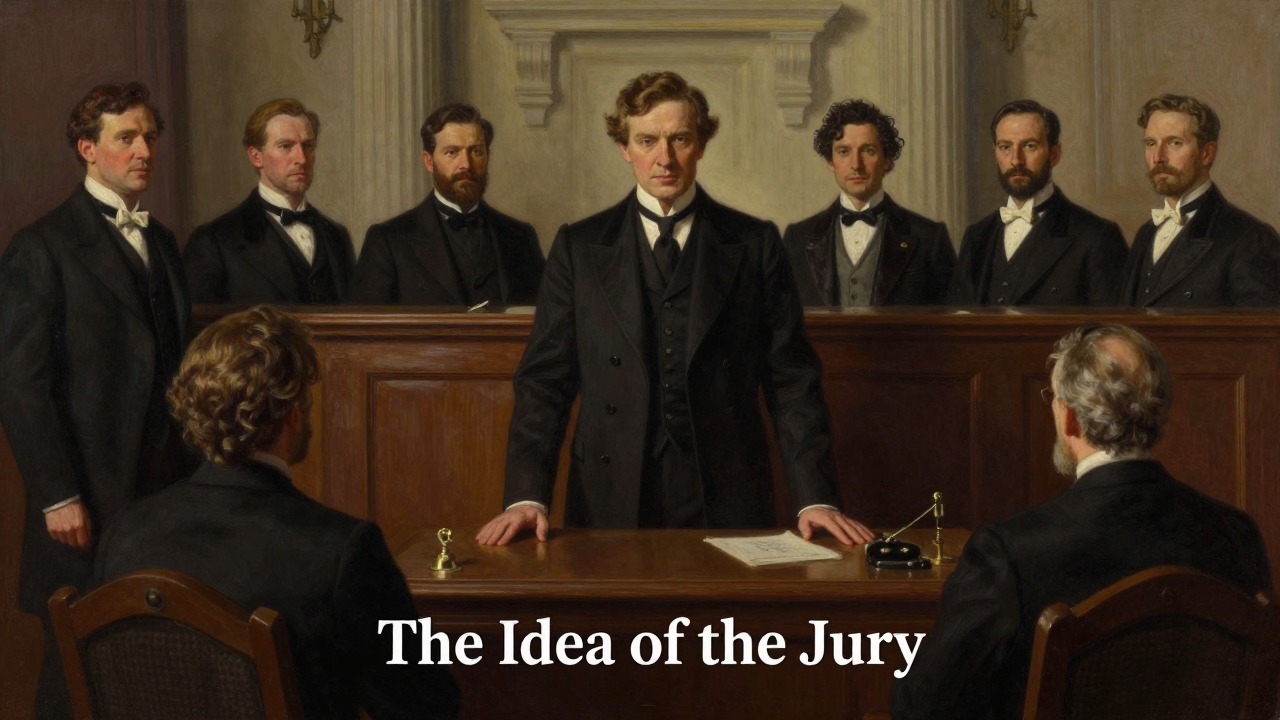
The Idea of the Jury
The Symbolism of Twelve
Colonel Arbuthnot, a friend of the late Colonel Armstrong, insisted that there should be twelve executioners, mirroring a jury. He believed that this would make the act more legitimate, a collective judgment rather than a single murder. The number twelve also corresponded to the twelve stab wounds.
The Shared Responsibility
Each conspirator drew lots to determine the order of stabbing, ensuring that no one person could be held solely responsible. They all shared the guilt equally, which strengthened their resolve. The plan was designed to protect the group if one member was caught.
The Moral Justification
They believed that Cassetti had escaped human justice, so they were carrying out the sentence that society should have imposed. They saw themselves as instruments of a higher law, not as criminals. This belief sustained them through the dangerous plot.
The Execution in the Night
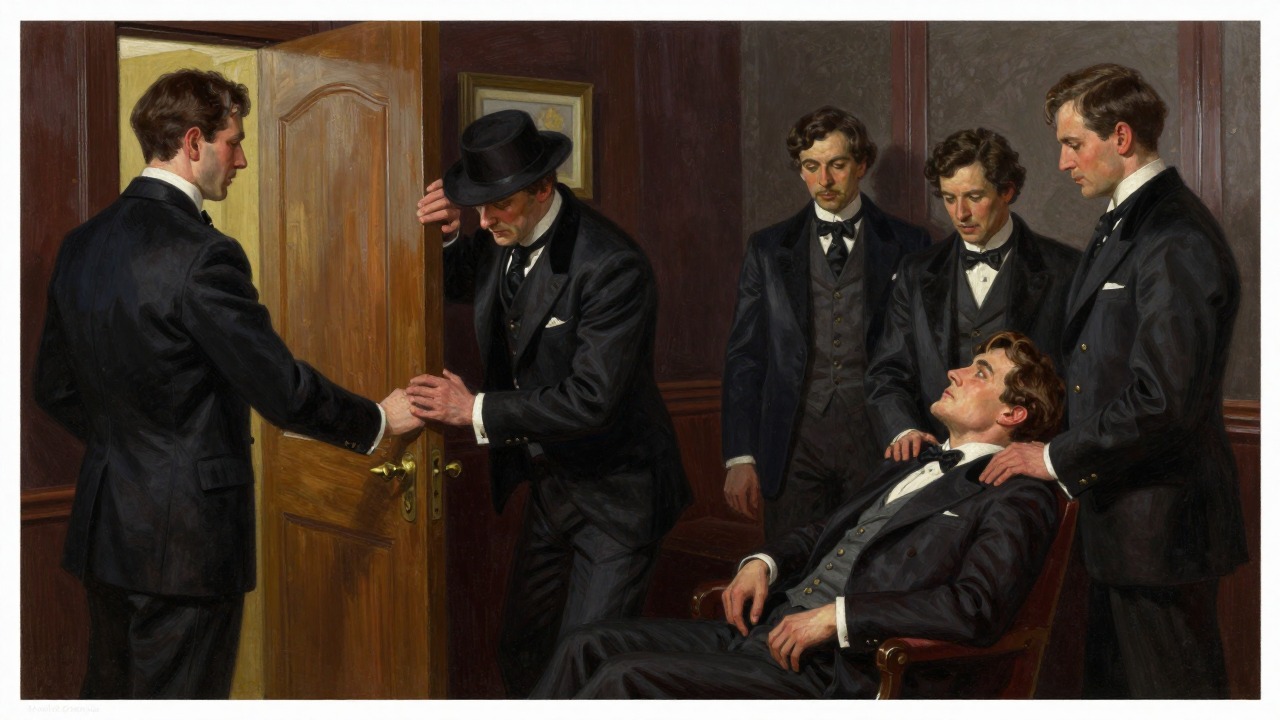
The Execution in the Night
The Procession of Stabbers
One by one, the conspirators entered Ratchett's compartment through the communicating door. Each stabbed the drugged man once, with varying degrees of force. They did not know which blow was fatal, which lightened their individual guilt. The act was hurried and chaotic, but they were determined to see it through.
The Closed Door
The door was locked and chained from inside, but the conspirators used the pass-key to enter through Mrs. Hubbard's compartment. The locked room illusion was part of the plot to mislead the investigation. The snowdrift, however, trapped them on the train, forcing them to improvise.
The Aftermath
After the last stabbing, they cleaned up and returned to their compartments. They pretended to sleep, waiting for the morning discovery. The tension was high, but they maintained their cover until Poirot's investigation began.
The Dilemma of the Detective
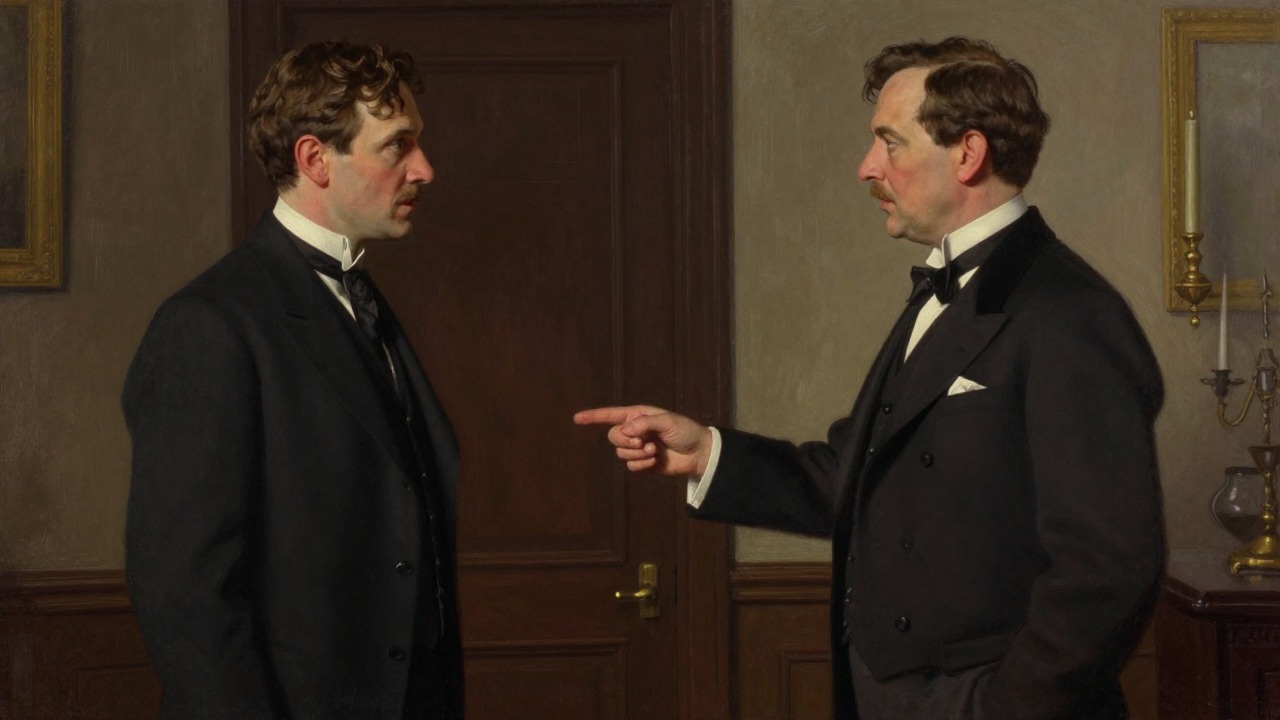
The Dilemma of the Detective
The Two Solutions
Poirot presents a false solution and the true one. He leaves the choice to M. Bouc and Dr. Constantine. They must decide whether to expose the conspiracy or to let the conspirators go free in the name of justice.
The Choice of Mercy
M. Bouc, a director of the company, chooses the first solution to avoid scandal and responsibility. Dr. Constantine agrees. They accept the fabricated story of an outside assassin, allowing the passengers to escape punishment.
The Theme of Justice
Poirot's decision reflects the novel's central theme: the conflict between legal justice and moral justice. The passengers have broken the law, but they have also righted a terrible wrong. The novel questions whether the law always serves justice, and whether private vengeance can ever be justified.
During the planning phase, before the journey
During the night of the murder, after the snowdrift
When Poirot presents his solutions
