
Winston and the Memory of His Mother
Nineteen Eighty-FourThe dreamlike bond between Winston and his dead mother, whose private love becomes a measure of what the Party has destroyed.
increasing Bearing strength in each event
 decreasing
Bearing strength in each eventdecreasingThe Sinking Mother
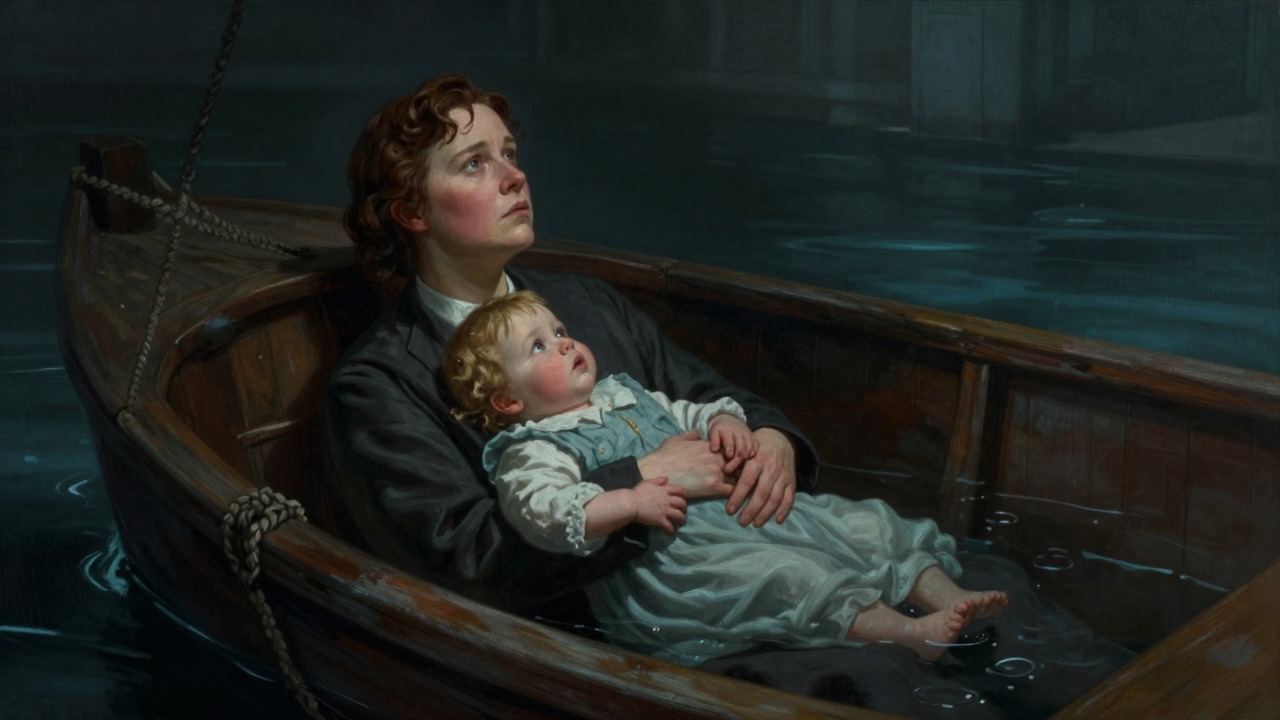
The Sinking Mother
The Dream Image
Winston dreams of his mother sitting in a sunken ship with his baby sister in her arms, looking up at him through darkening water. They are dying because he is alive.
The Guilt
Even in the dream he feels he has sacrificed them to his own survival. The image is one of unpayable debt and unconditional love.
The Significance
His mother's death, nearly thirty years earlier, seems to him tragic in a way that is no longer possible. The capacity for private devotion has been erased from the world.
The Chocolate Incident
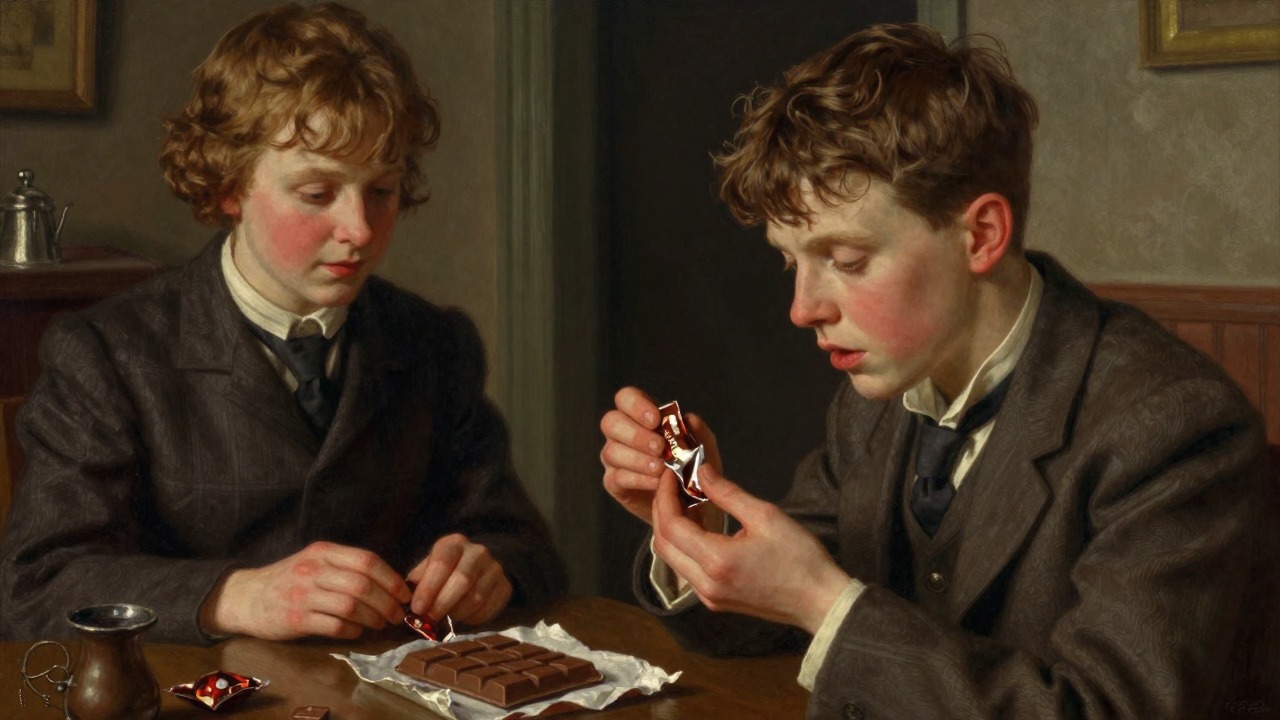
The Chocolate Incident
The Greedy Boy
Winston remembers how, as a hungry boy, he bullied his mother into giving him most of a two-ounce chocolate ration, then snatched the rest from his little sister and ran away.
The Disappearance
When he returned, his mother and sister were gone. He never saw them again, and he has carried the guilt ever since.
The Meaning
The chocolate is the last symbol of his mother's love, a love that gave him everything even when he gave nothing in return. His guilt becomes a painful link to the past.
The Private Standards
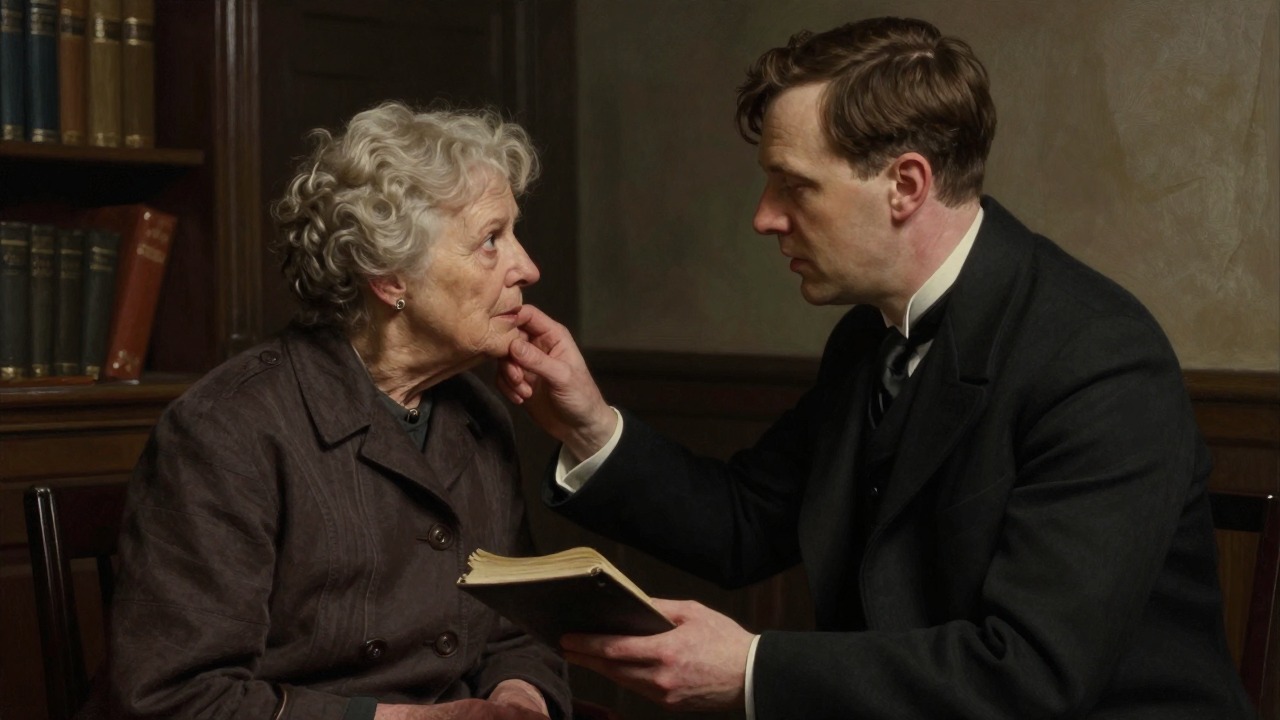
The Private Standards
The Quiet Nobility
Winston tells Julia about his mother's last days, and he reflects that she possessed a kind of purity because her standards were private. She loved without expecting any result.
The Party's Assault
The Party has taught that impulses and feelings are of no account. Winston sees that his mother's helpless gesture of love was valuable in itself, even though it changed nothing.
The Proles' Connection
He suddenly realizes that the proles have kept this private loyalty. They do not love the Party; they love one another, and that is why they are still human.
The Game of Snakes and Ladders
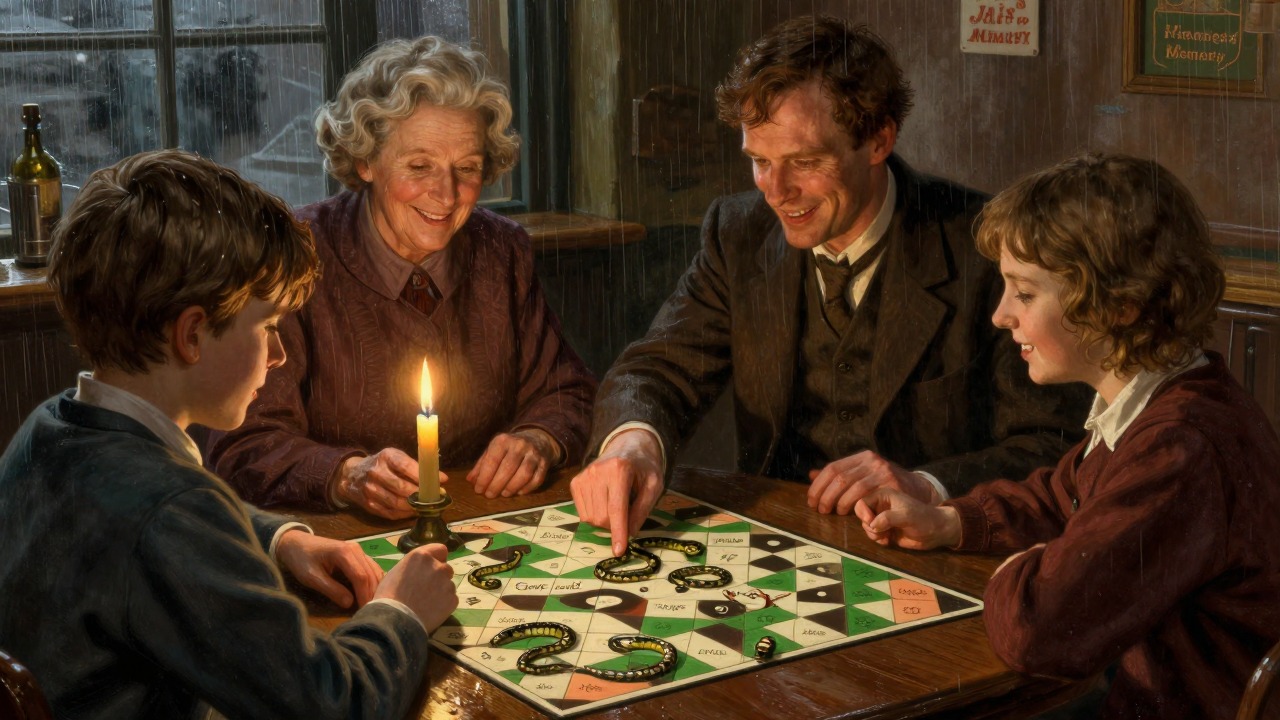
The Game of Snakes and Ladders
The Afternoon of Joy
In the café, Winston recalls a rainy afternoon when his mother lit a candle and played Snakes and Ladders with him. They laughed, and his sister laughed too. For a whole afternoon they were happy.
The False Memory
He pushes the picture away, telling himself it is a false memory. The Party has made even his childhood unreliable.
The Sorrow
The memory is the most human thing left in him. It shows that somewhere beneath the conversion, a spark of his mother's world still flickers, but it is now too weak to fight the gin.
Winston's dream in the opening chapters
childhood memory, recalled during the affair
during a conversation with Julia in the room
the final chapter, a memory drifting in the Chestnut Tree Cafe
