
The Proles and the Persistence of Life
Nineteen Eighty-FourTheme flow on the proles as the only repository of humanity and hope, and on their inability to resist.
increasing Bearing strength in each event
 decreasing
Bearing strength in each eventdecreasingThe 85 Percent
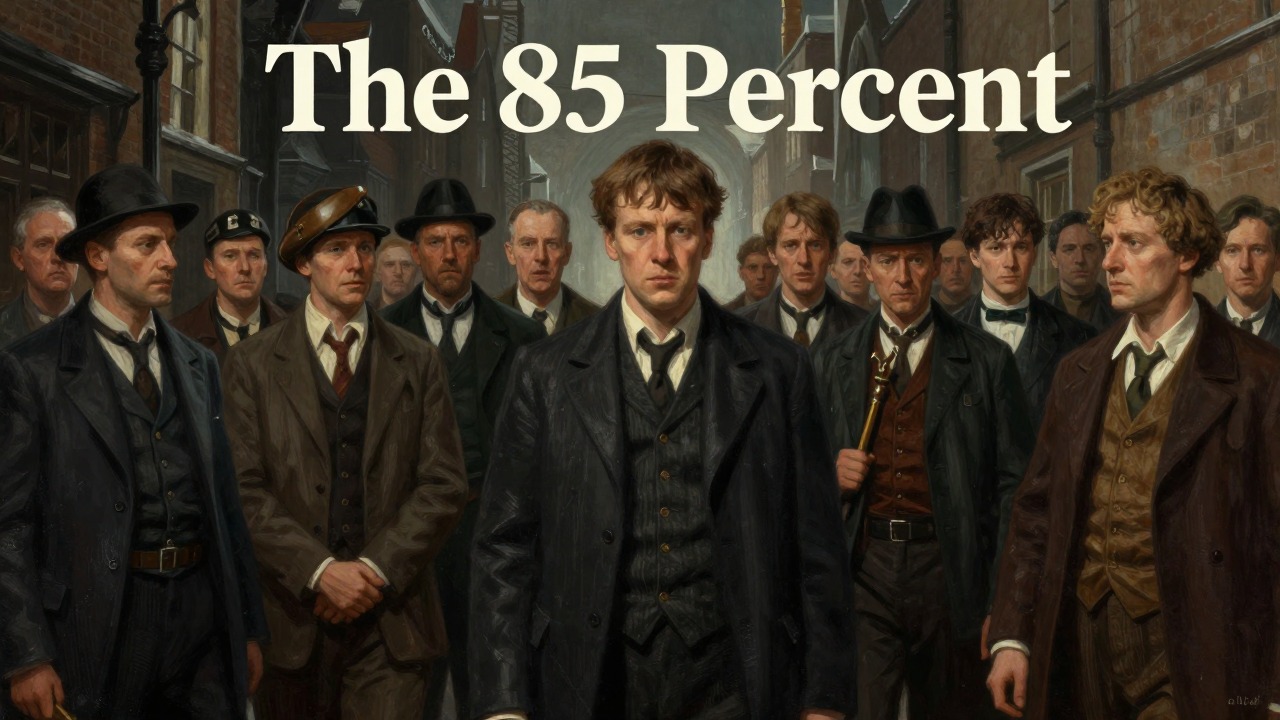
The 85 Percent
The Numbers
The proles are 85 percent of Oceania's population. They are not indoctrinated, not watched, and not required to have any political opinions.
The Strength
Winston believes that only they could destroy the Party, because they are numerous enough to do it without conspiring. But they are not conscious of their strength.
The Paradox
They will not rebel until they become conscious, but they cannot become conscious before they rebel. The Party relies on this bind.
The Riot of Saucepan Women
The Riot of Saucepan Women
The False Alarm
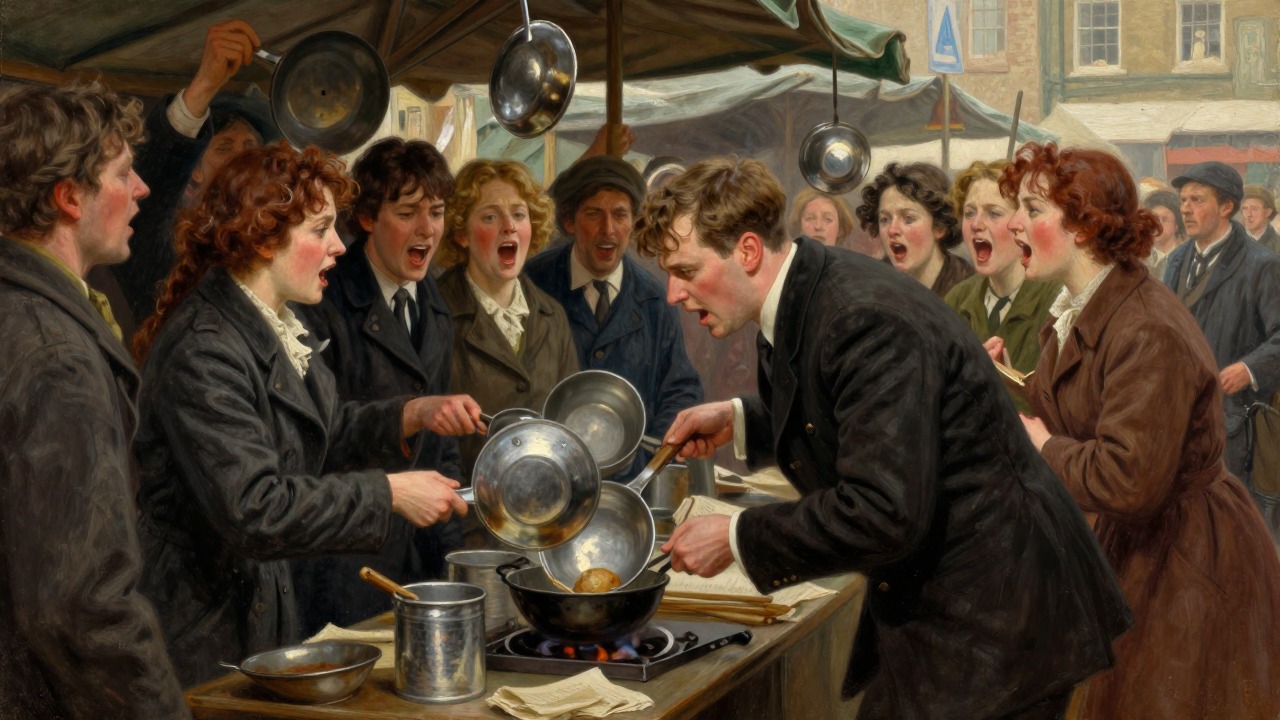
Winston once heard a great shout of women's voices and thought the proles were rising. He ran to the spot and found a crowd fighting over tin saucepans at a market stall.
The Redirected Anger
The anger that could have toppled the Party was focused on a petty scarcity. The proles lack general ideas, so their revolt always dissolves into particular grievances.
The Lesson
This memory both sustains and undermines Winston's hope. The proles have the power but not the shape to use it.
The Eternal Singer
The Eternal Singer
The Symbol of Endurance
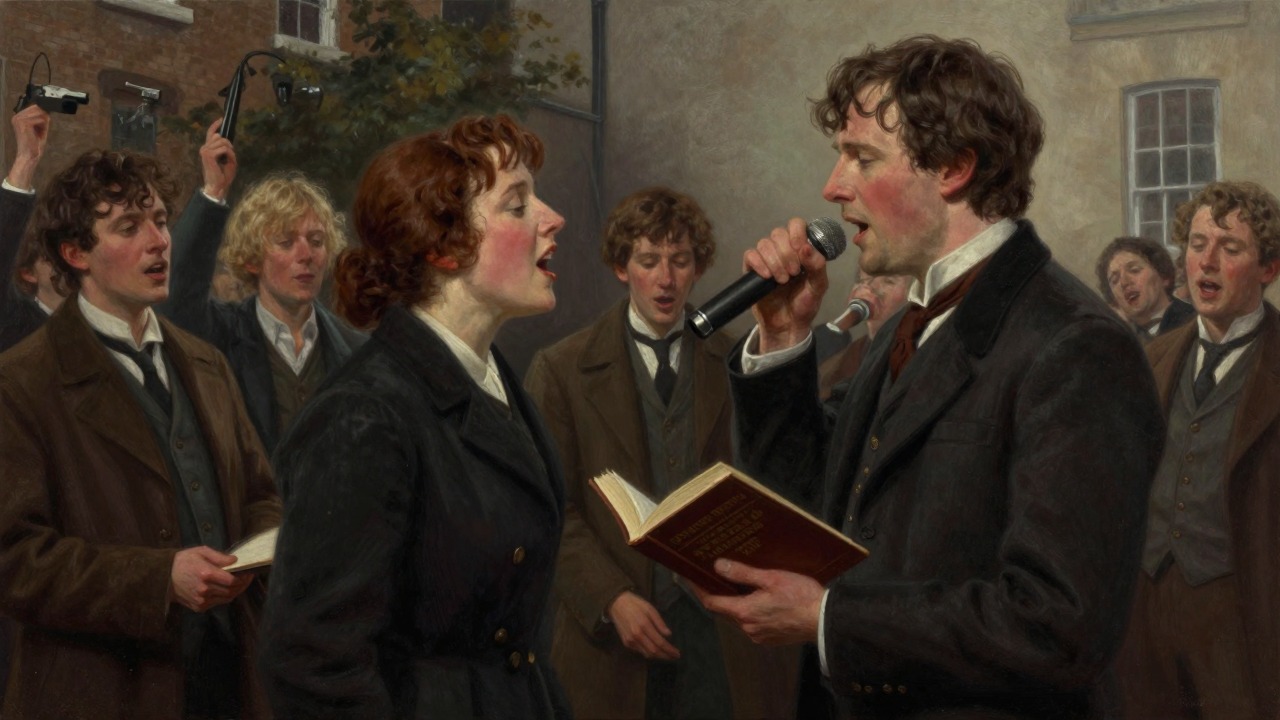
The singing woman in the yard represents the proles' immortality. She works, breeds, and sings without knowing that her song is a promise of the future.
The Mistake
Winston believes the proles will one day rise and bring sanity. Goldstein's book says the same, but O'Brien reveals that the book was written by the Party and is nonsense.
The Truth
The proles will never revolt. The Party is immortal, and the song is only a sound in the void. Winston's last mystical vision is an illusion shared by the Party's own propaganda.
The Extinguished Hope
The Extinguished Hope
The Collapse
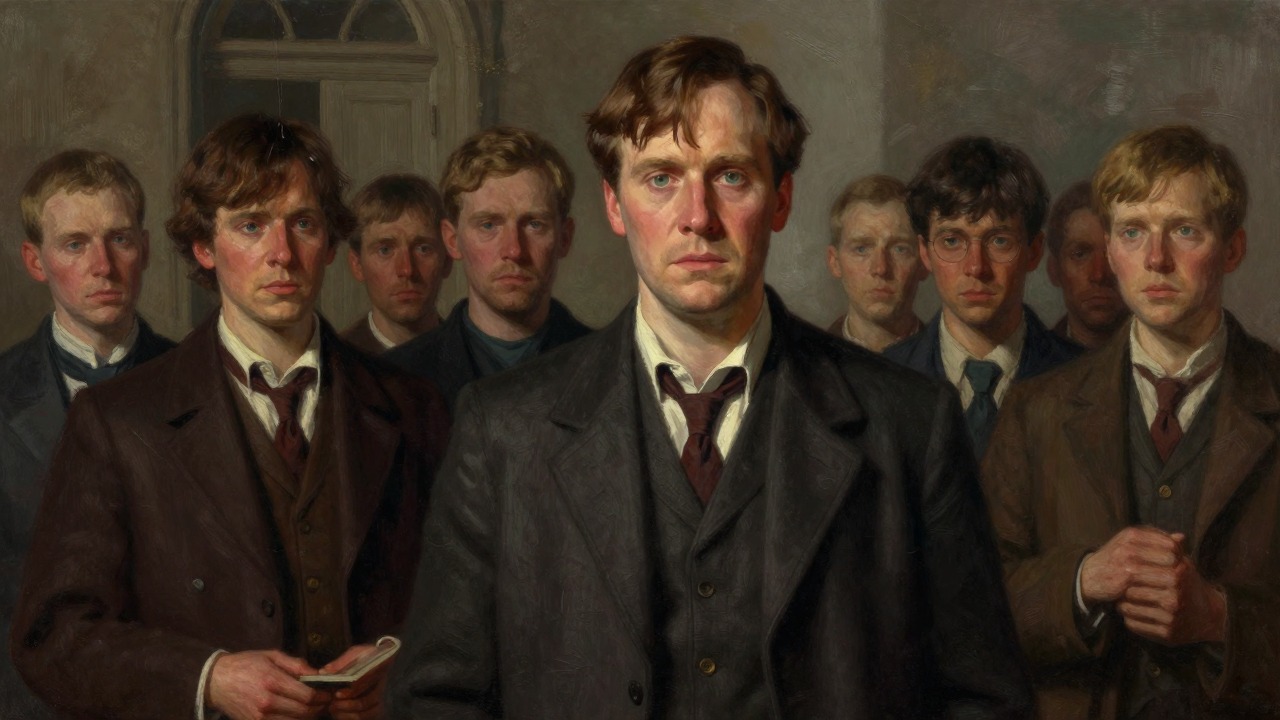
In the final chapter, Winston no longer believes in the proles. He has become so hollow that the face of Big Brother is the only thing he can see.
The Irony
The theme of hope collapses into despair. The proles remain alive, but their lives have no more meaning to Winston than the dust on the café table.
The Ending
'He loved Big Brother.' The proles continue, unintelligible, unawakened, while the man who saw them as the last hope has joined the enemy.
early reflections
Winston's memory, Part I
the final vision
after the conversion
