
The Clowning Survival Strategy
No Longer HumanExplores how Yozo's lifelong clowning began as a shield against human fear and evolved into a trap that prevented genuine connection.
increasing Bearing strength in each event
 decreasing
Bearing strength in each eventdecreasingBirth of the Clown
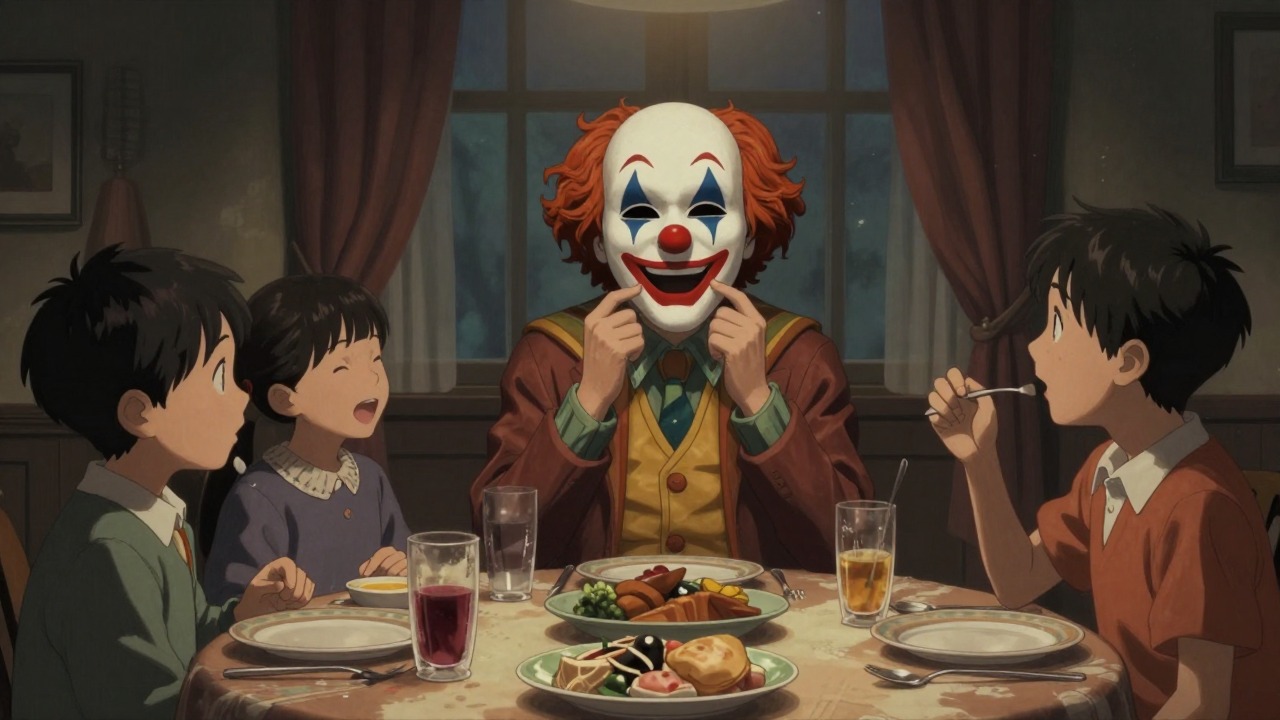
The First Performance
The Dining Room Terror
Yozo could not bear the heavy silence of family meals. To survive, he began making people laugh, inventing absurd stories and antics. This was his only way to avoid their scrutiny.
The Mask of Mischief
He became a "mischievous little imp" at school, drawing funny pictures and writing comic essays. His teachers laughed, but inside he felt hollow.
The Cost of Laughter
Yozo discovered that his clowning was a form of slavery: he could never stop, and the true self he hid grew more monstrous with each performance.
The Lion Mask Incident
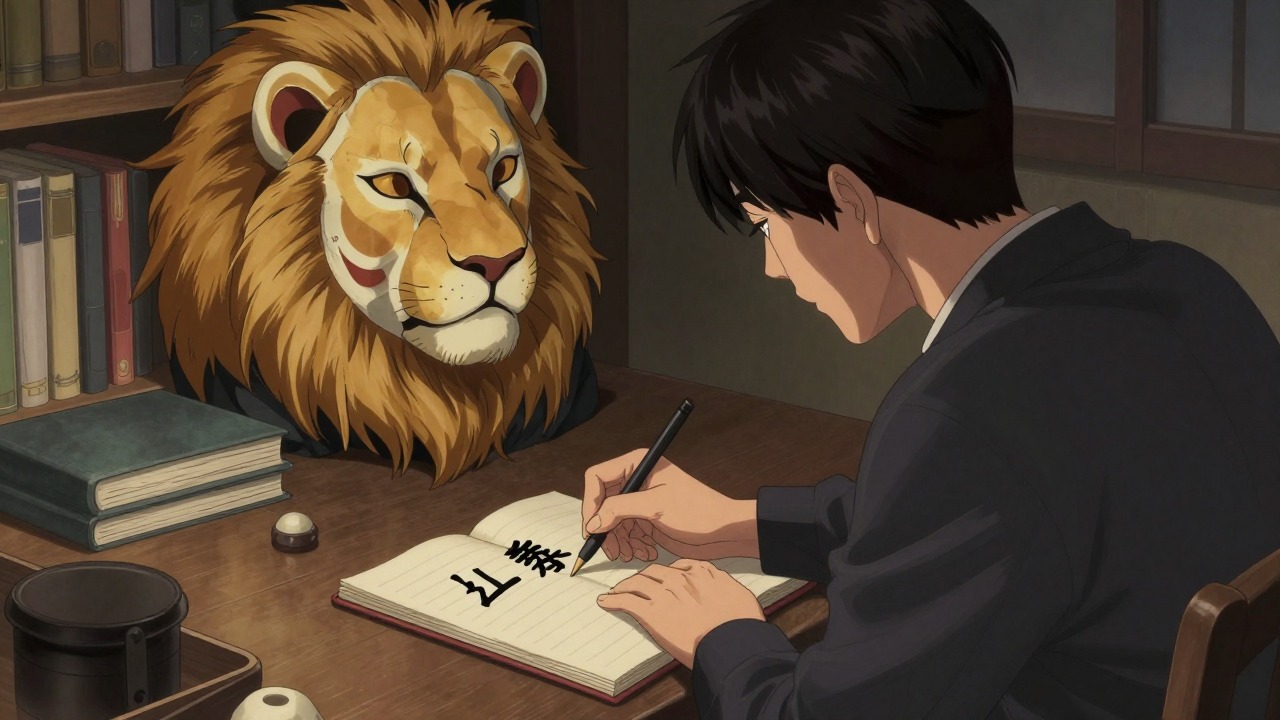
A Desperate Act of Service
The Father's Question
When Yozo's father asked what present he wanted from Tokyo, Yozo could not answer. He feared displeasing his father, so he sneaked into the study that night and wrote "Lion Mask" in the notebook.
The Success
His father was delighted, and Yozo felt a fleeting relief. But he had no real desire for the mask; he had merely performed a role to maintain the illusion of normalcy.
The Pattern Set
This incident showed Yozo the power of pleasing others through deception, and he would repeat this pattern of self-abnegation for the rest of his life.
Clowning at School
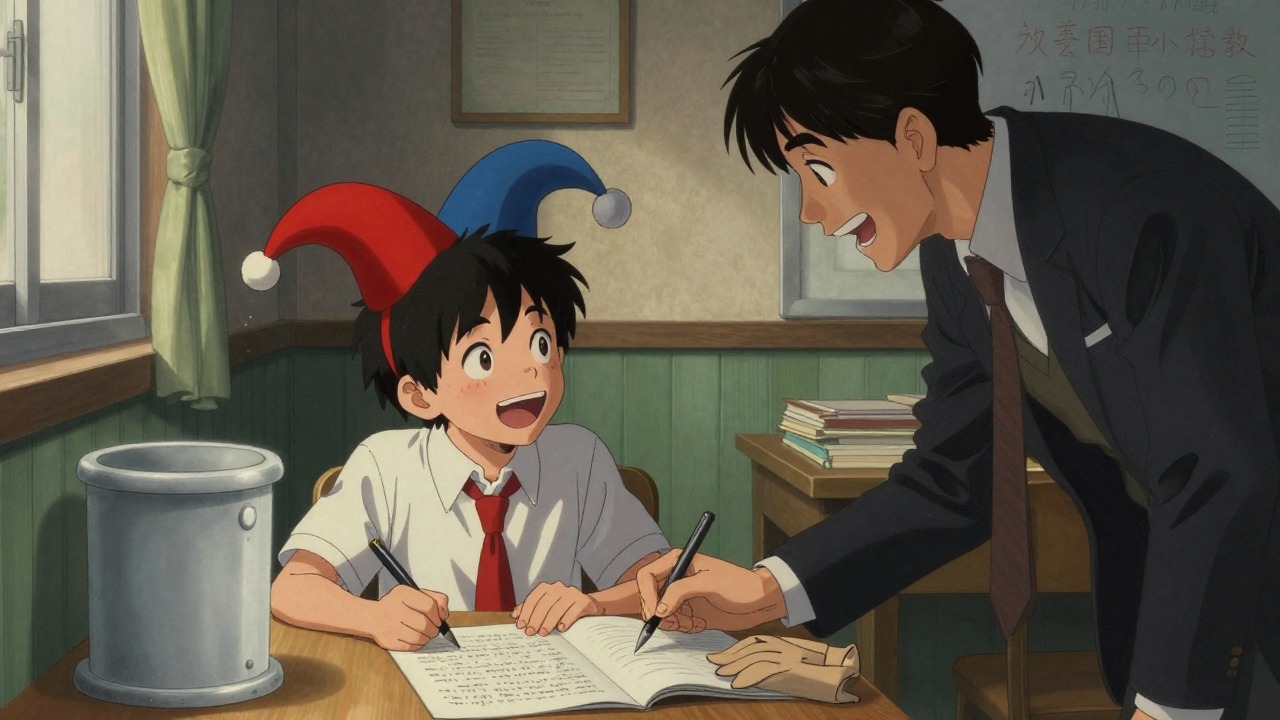
The School Jester
Winning Popularity
Yozo's antics made him the most popular student, but he was always on guard. He knew that his success was founded on a lie, and he feared exposure.
The Teacher's Laughter
He wrote a composition about urinating in a spittoon, pretending childish innocence. The teacher laughed, and Yozo felt a thrill of power, but also a deep shame.
The Invisible Wound
Despite his outward success, Yozo's grades in deportment were low. He was seen as a clown, not a person, and this loneliness grew as he aged.
Clowning in the Communist Group
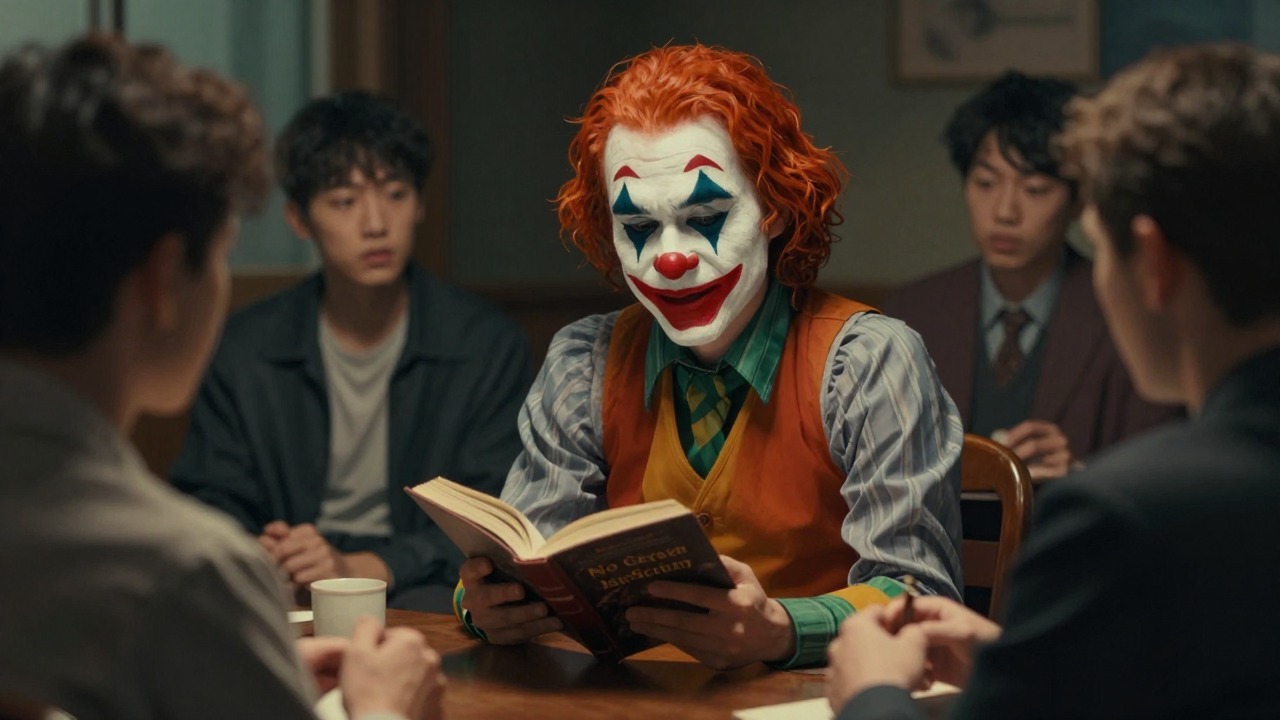
The Irrational Comrade
Joining the Reading Society
Horiki introduced Yozo to a secret Marxist group. Yozo found their tense earnestness amusing and began to lighten the atmosphere with his jokes.
The Deceptive Role
He was seen as a promising comrade, but he had no real commitment. His clowning was a way to participate without being involved, to hide his true indifference.
The Danger of Being Liked
His popularity within the group led to dangerous assignments, and Yozo felt trapped. He was doing their work not out of belief, but because he could not say no.
The Clown Fails
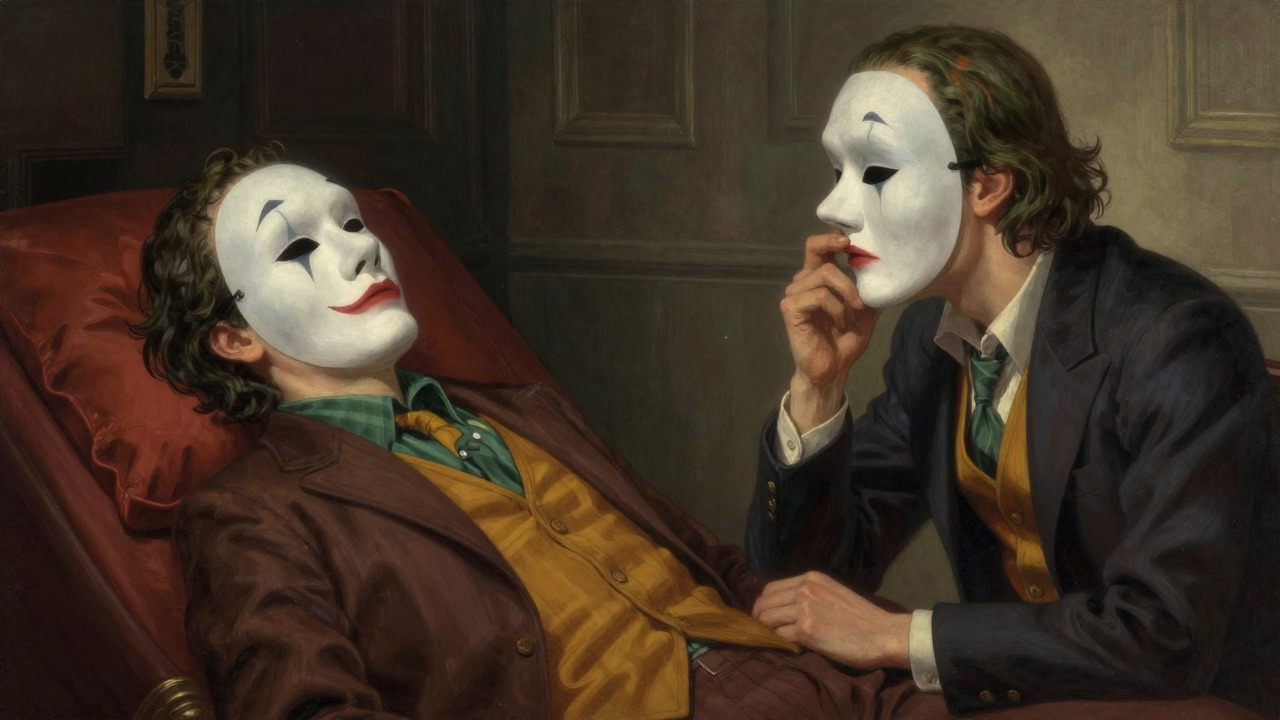
The Loss of the Mask
Exhaustion of Performance
Under Flatfish's contempt, Yozo lost the energy to clown. He lay silent, unable to charm his way out of the situation. The mask had finally become too heavy.
The Failed Conversation
When Flatfish tried to discuss Yozo's future, Yozo could not even muster a clownish response. He was reduced to a mute, passive figure.
The Escape as Defeat
Yozo ran away, but his clowning was no longer a weapon; it was a broken tool. He had to find a new identity, but he only fell into another role: the kept man.
Clowning with Yoshiko
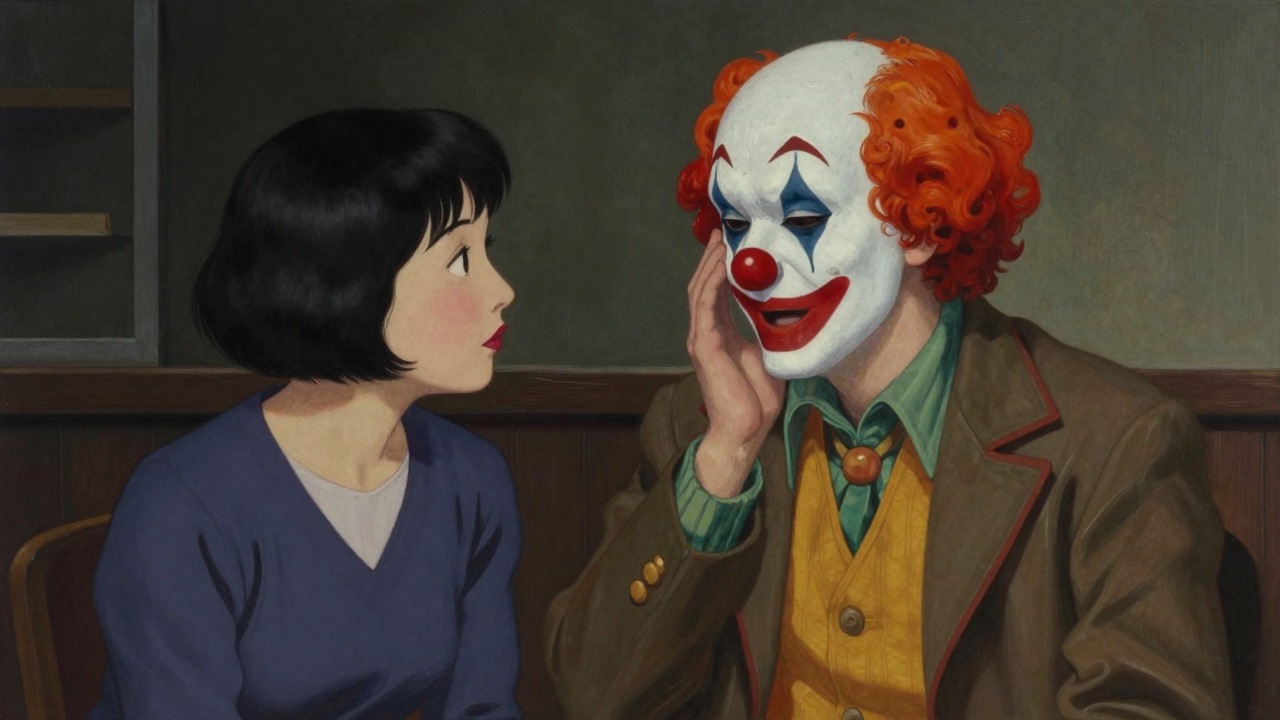
A Different Kind of Mask
The Gentle Husband
With Yoshiko, Yozo tried to be a normal husband, but his clowning persisted. He made jokes to cover his anxiety, and Yoshiko accepted them as part of his personality.
The Fear of Trust
Yoshiko's absolute trust terrified Yozo. He felt that he was deceiving her, and that his clowning was a barrier between them. He could not bear her purity.
The Collapse of the Act
After Yoshiko's violation, Yozo's clowning became hollow. He could no longer make her laugh, and the mask of the jester finally crumbled, revealing the despair beneath.
The Final Clown
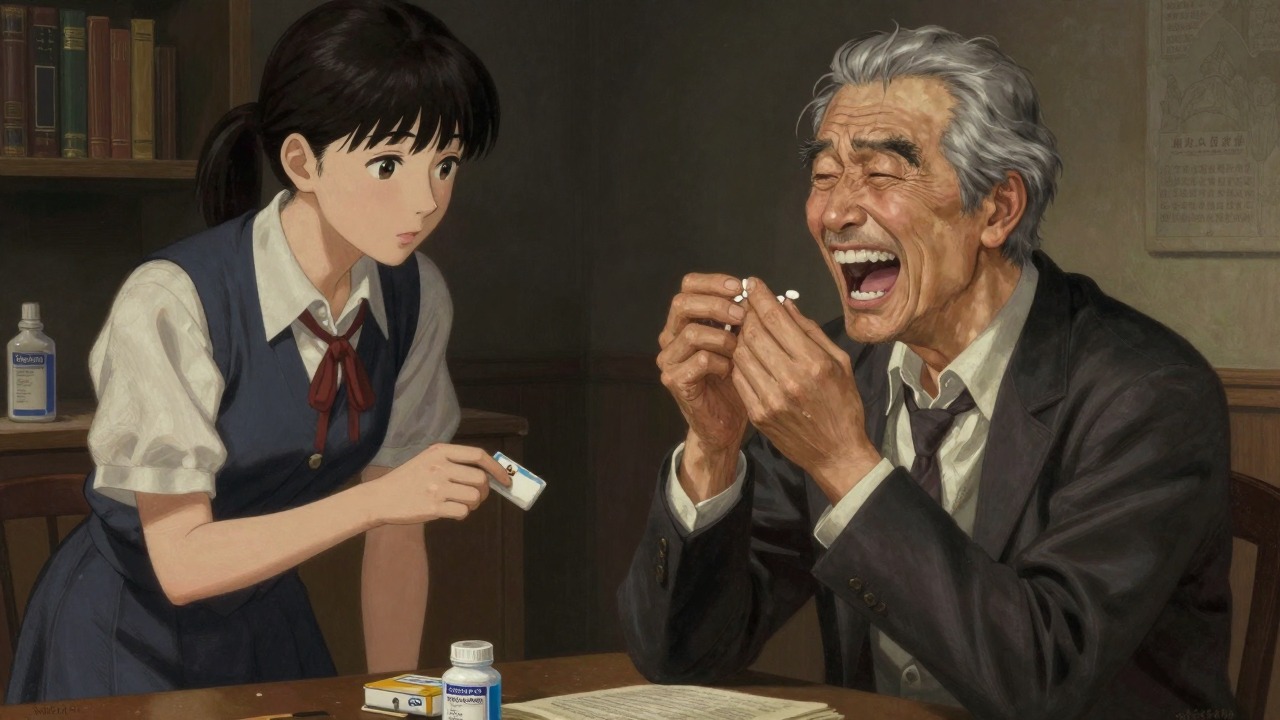
The Laughing Ghost
The Laxative Incident
Yozo, now a grey-haired man of twenty-seven, sent his servant Tetsu for sleeping pills, but she brought a laxative. He took ten pills, expecting sleep, and instead suffered diarrhoea. When he realized the mistake, he burst out laughing.
The Only Truth
He thought: "Now I have neither happiness nor unhappiness. Everything passes." This was the final clowning—a laugh at his own absurd fate.
The Angel's Mask
In the epilogue, the madam says Yozo was "an angel." Perhaps his clowning was a form of love, a gift he gave to the world, even as he destroyed himself.
early childhood
childhood, age about ten
elementary through high school
college years
during the stay with Flatfish
early marriage
after the mental hospital, in the country
