
The Evolution of the 'Angel'
No Longer HumanTraces how Yozo's self-perception shifts from 'disqualified human' to 'angel' in the eyes of others, culminating in the epilogue.
increasing Bearing strength in each event
 decreasing
Bearing strength in each eventdecreasingThe Self-Portrait as Monster
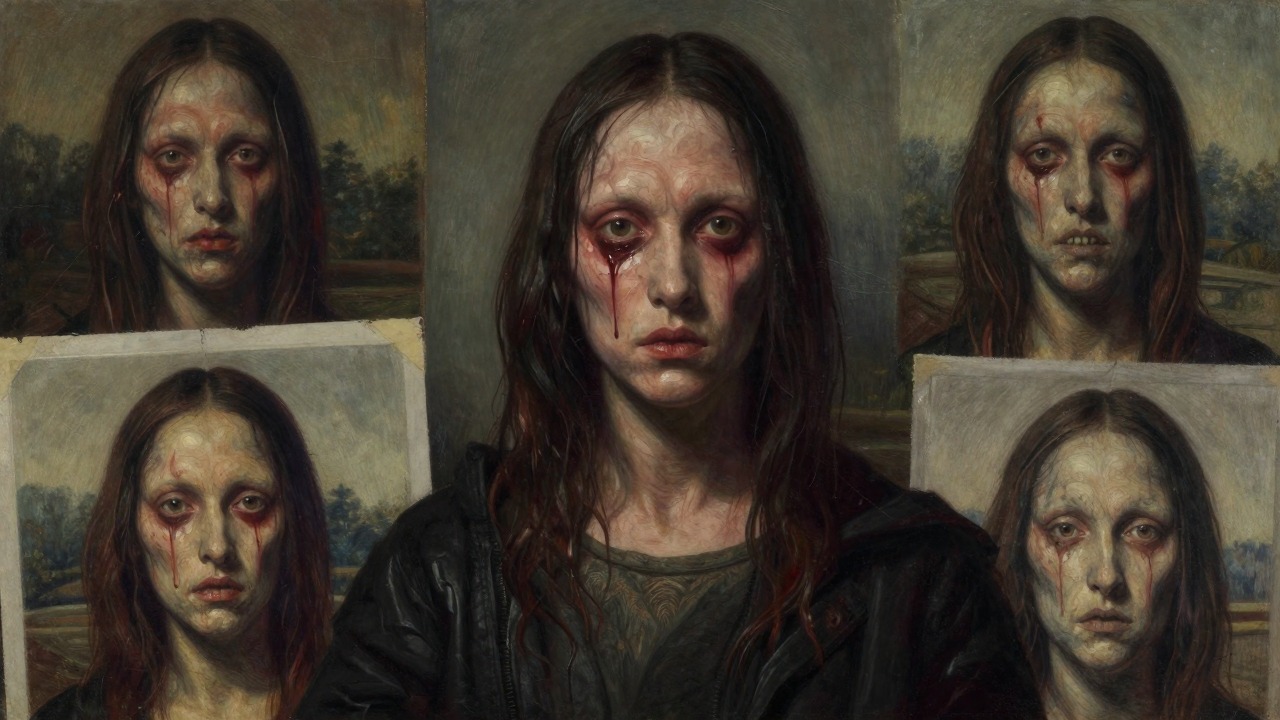
The Ghost Pictures
The Hidden Truth
Yozo painted self-portraits that showed his true self as a monster. He was terrified of others seeing them, but he also affirmed this identity.
The Fear of Exposure
He was afraid that if people saw the real him, they would be horrified. He hid the pictures, but he knew that the monster was the truth.
The Foundation of Shame
This self-image of being a monster was the basis of his life of shame.
The Criminal and the Madman
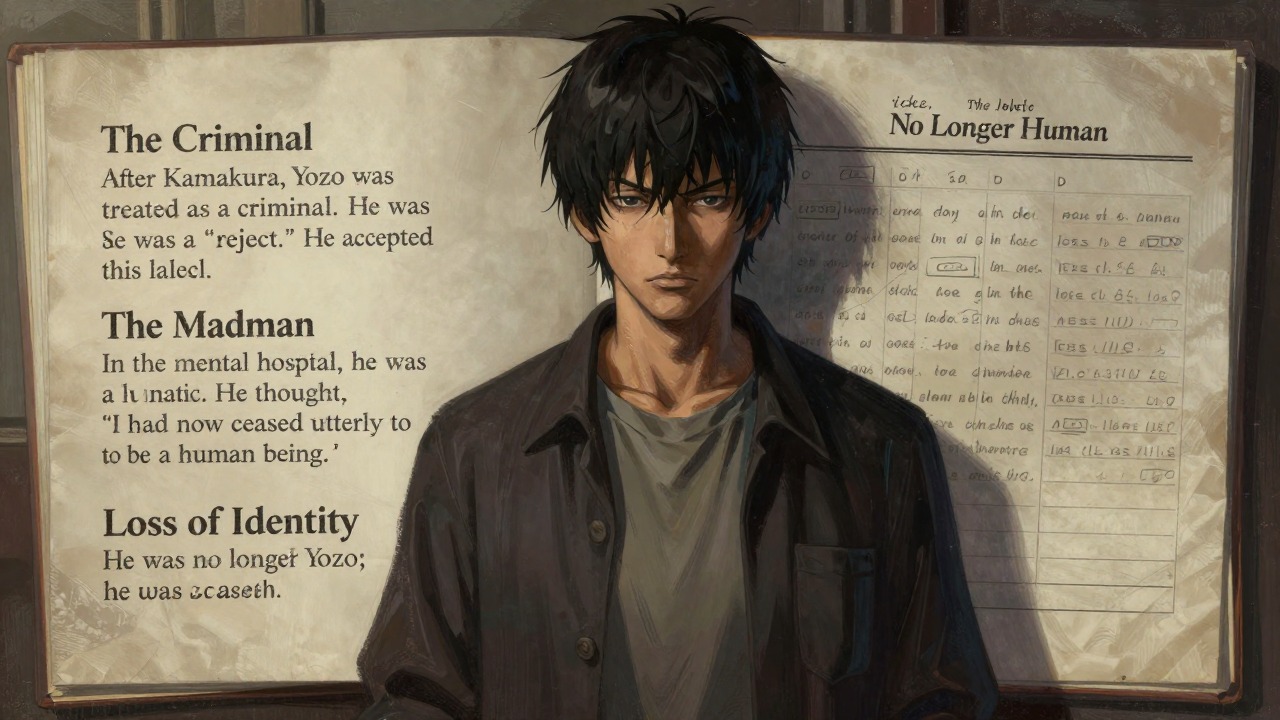
The Labels
The Criminal
After Kamakura, Yozo was treated as a criminal. He was a "reject." He accepted this label.
The Madman
In the mental hospital, he was a lunatic. He thought, "I had now ceased utterly to be a human being."
The Loss of Identity
He was no longer Yozo; he was a case file. The world had defined him as something less than human.
The Epilogue's Revelation
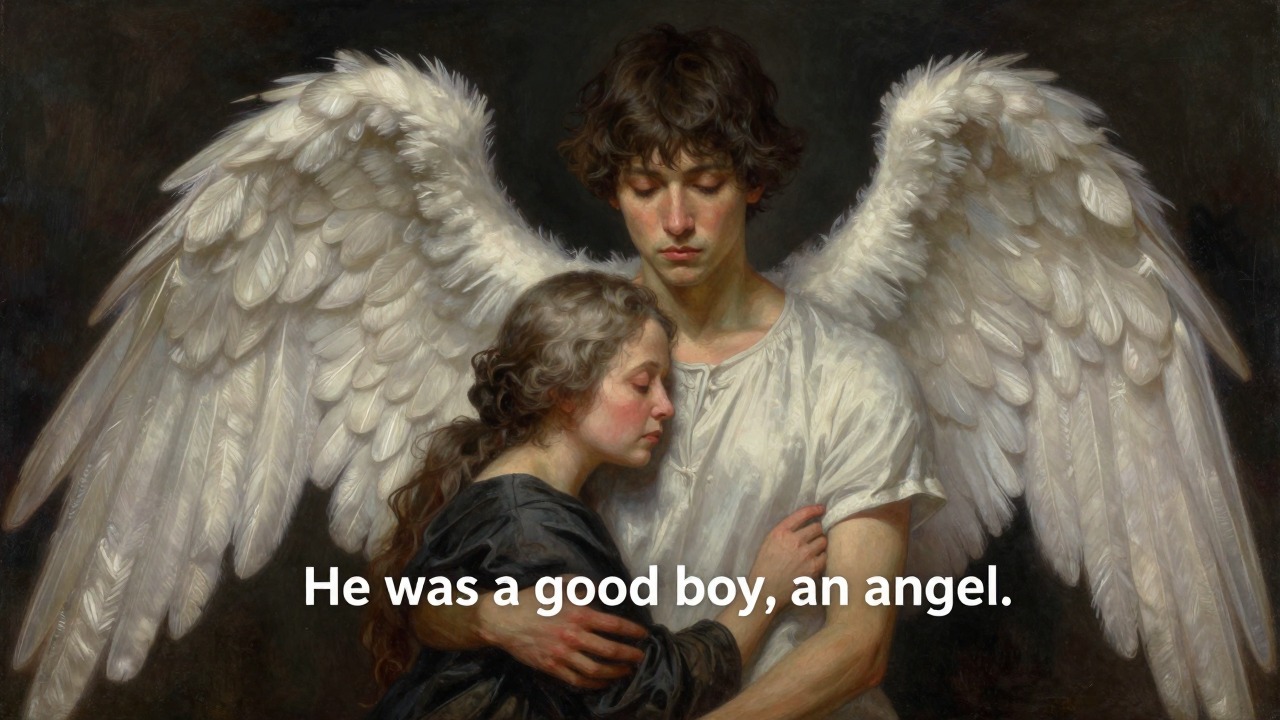
The Testimony of the Madam
The Angel
When asked about Yozo, the madam said, "He was a good boy, an angel." This contradicts everything Yozo wrote about himself.
The Incompleteness of the Portrait
Yozo's self-portrait was incomplete. He saw only his flaws, but others saw his gentleness and capacity for love.
The Final Judgment
The novel ends with this word: "angel." It suggests that Yozo was not a monster, but a being too pure for the world. His disqualification was a misunderstanding.
high school
after the suicide attempt and commitment
ten years after the events
