
Oliver vs. the Workhouse System
Oliver TwistTraces the conflict between Oliver's innate goodness and the oppressive Poor Law system.
increasing Bearing strength in each event
 decreasing
Bearing strength in each eventdecreasingThe Starvation Regime
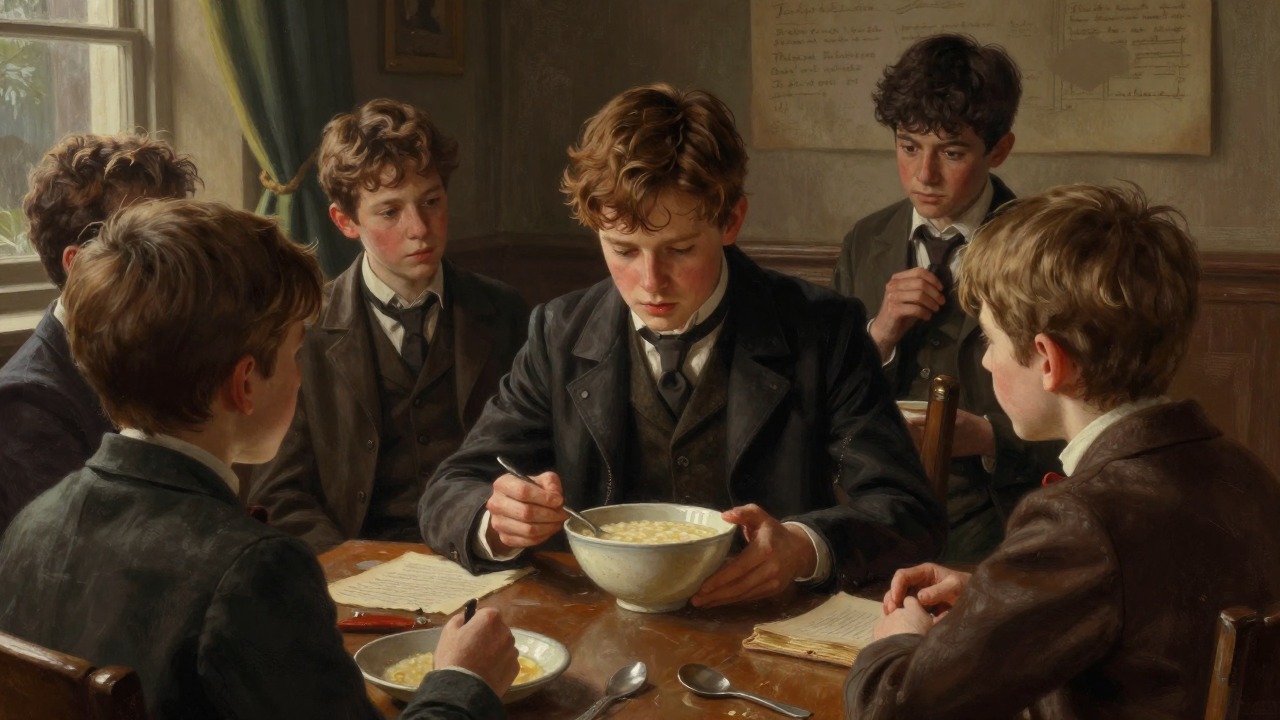
The Starvation Regime
The Board's Philosophy
The workhouse board believes in making poverty so unpleasant that the poor will avoid it. They institute a diet of thin gruel.
Oliver's Hunger
Oliver and the other boys suffer slow starvation. The system is designed to break their spirits.
The Revolt
Oliver asks for more, an act of defiance that shocks the board. He is punished severely.
The Apprenticeship System
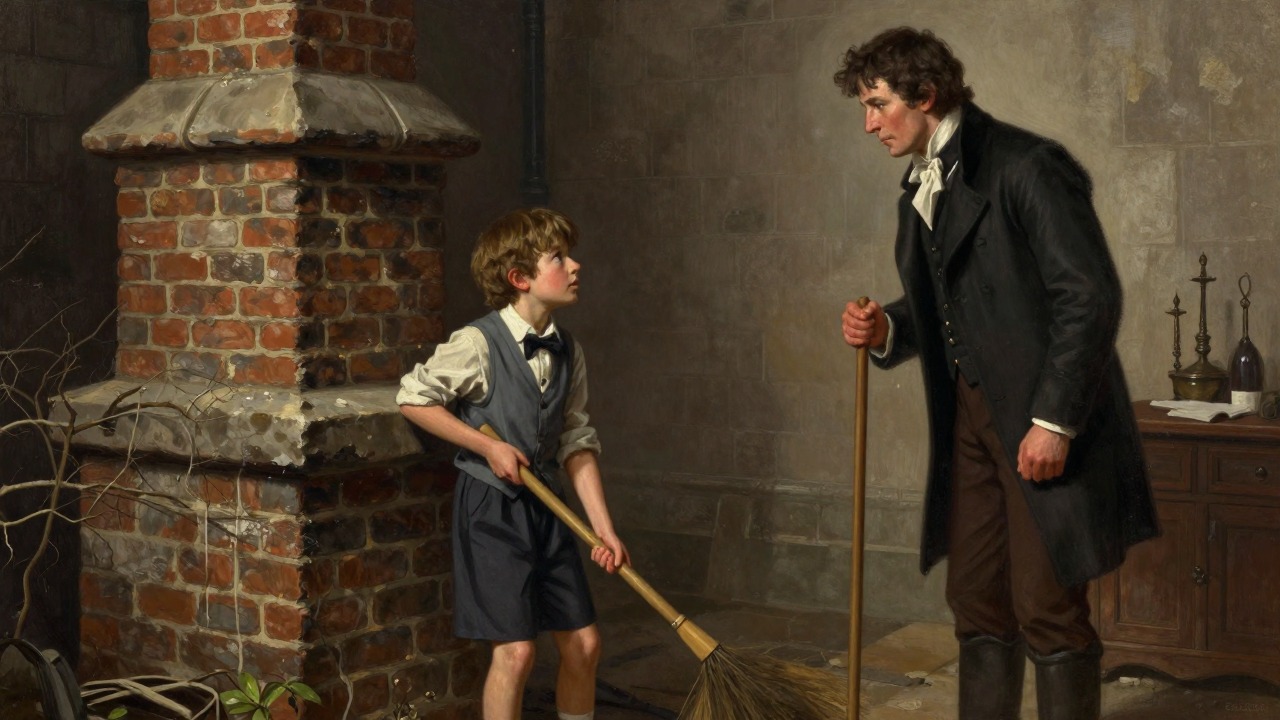
The Apprenticeship System
The Parish Apprentice
Oliver is apprenticed to Sowerberry, a trade that exploits child labor. The system treats children as commodities.
The Near Miss with Gamfield
Oliver almost becomes a chimney sweep, a dangerous and deadly trade. The magistrate saves him by chance.
The Undertaker's Shop
Oliver works in a grim environment, surrounded by death. The system offers no escape.
The Criminal Justice System
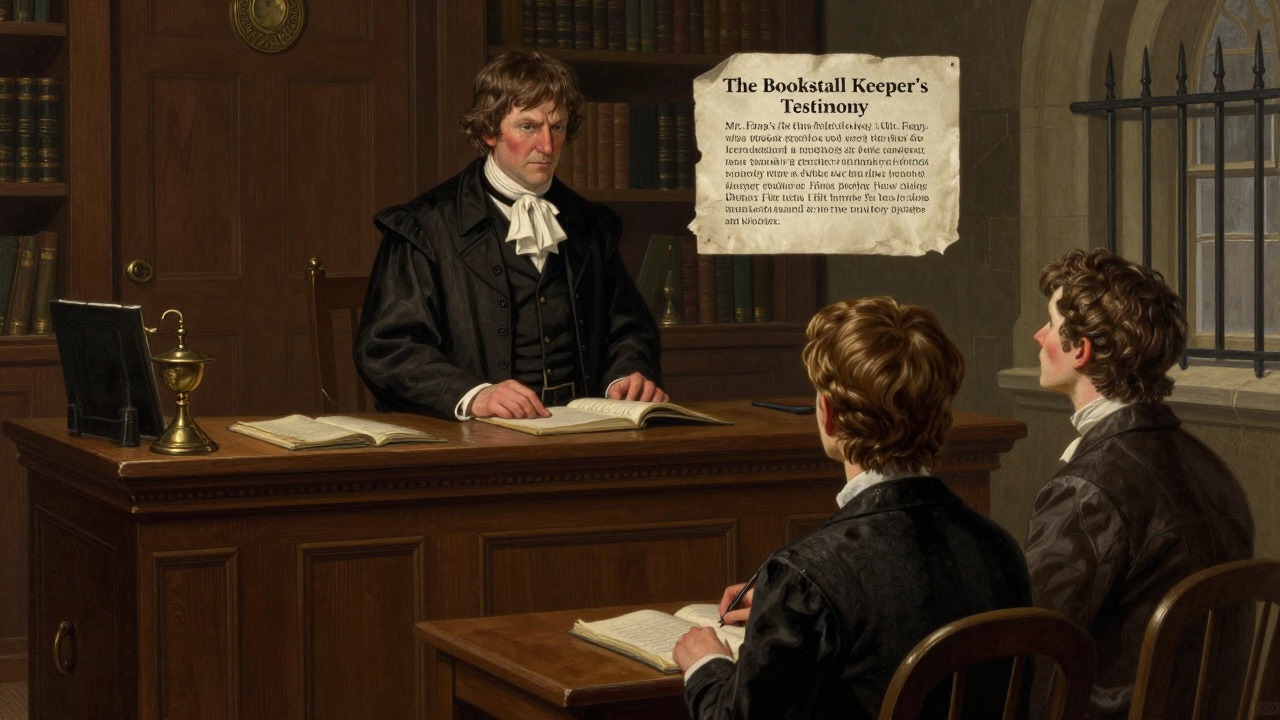
The Criminal Justice System
Mr. Fang's Court
Oliver is brought before Mr. Fang, a biased and cruel magistrate. He is nearly sentenced without evidence.
The Bookstall Keeper's Testimony
A witness saves Oliver, but the system is shown to be arbitrary and unjust.
The Threat of Prison
Oliver faces the horrors of the police station and the threat of prison. The system criminalizes poverty.
The Power of Kindness
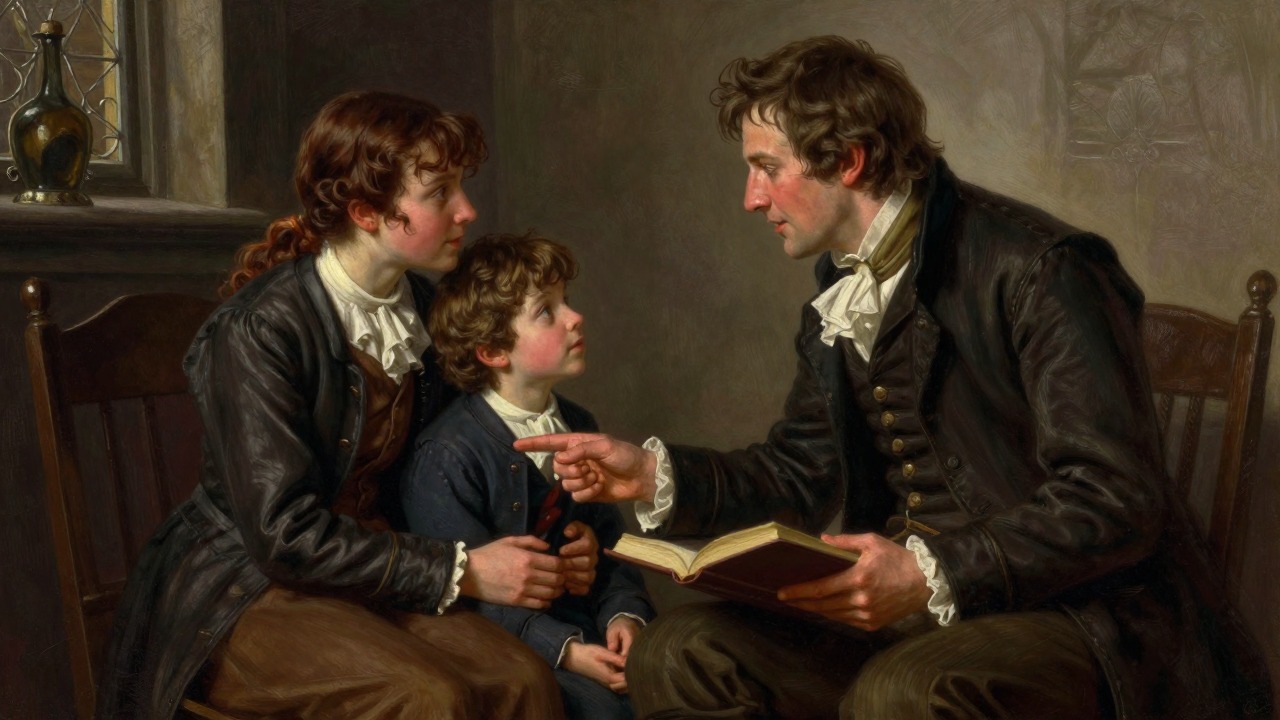
The Power of Kindness
Brownlow's Benevolence
Mr. Brownlow shows Oliver kindness, giving him a home and care. This contrasts with the workhouse system.
The Maylies' Compassion
The Maylies rescue Oliver and treat him as family. Their love heals him.
The Triumph of Goodness
Oliver's innate goodness prevails over the system. He finds happiness through the kindness of individuals, not institutions.
Oliver's early years
After asking for more
After Oliver's arrest
After Oliver's rescue by Brownlow and the Maylies
