
The Conflict Between Revenge and Forgiveness (Ávila)
OriginÁvila's internal struggle and the Palmarian doctrine of righteous vengeance.
increasing Bearing strength in each event
 decreasing
Bearing strength in each eventdecreasingThe Trauma
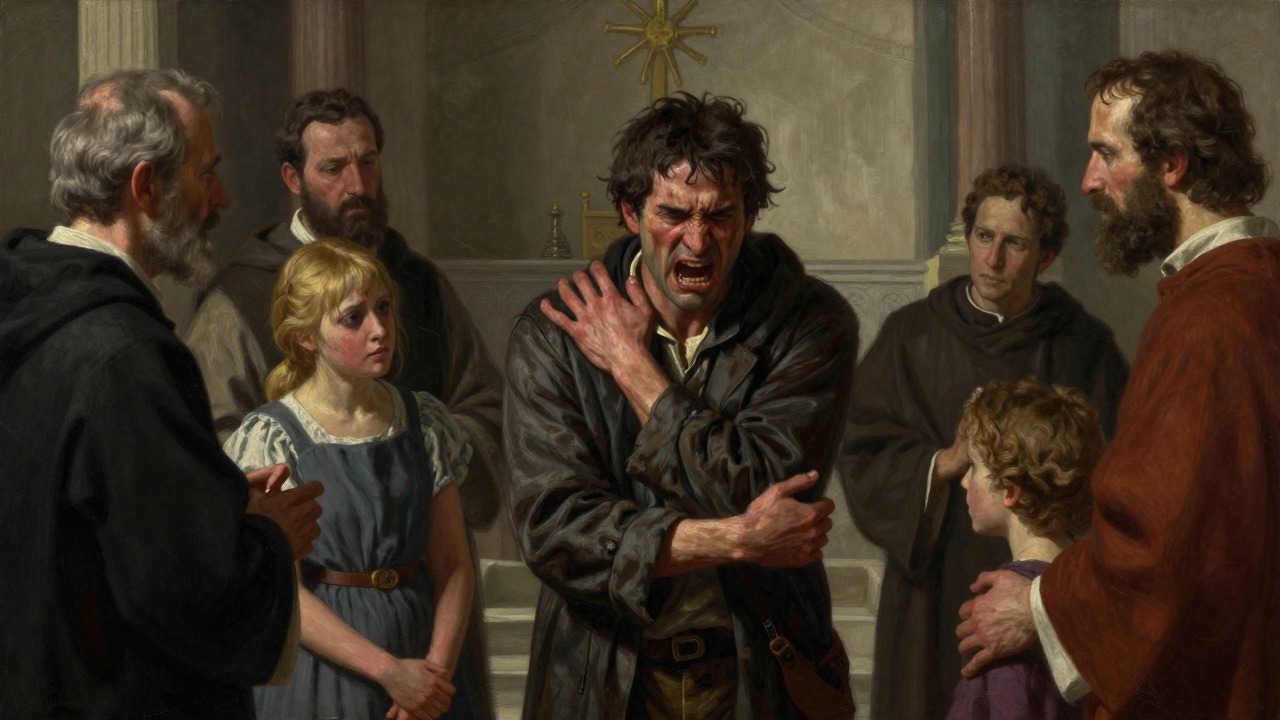
A Broken Man
Loss of Family
Ávila is consumed by grief and rage after his family is killed. He cannot forgive.
The Counsel of the Church
Traditional Catholic counselors urge forgiveness, but he rejects it.
The Palmarian Doctrine
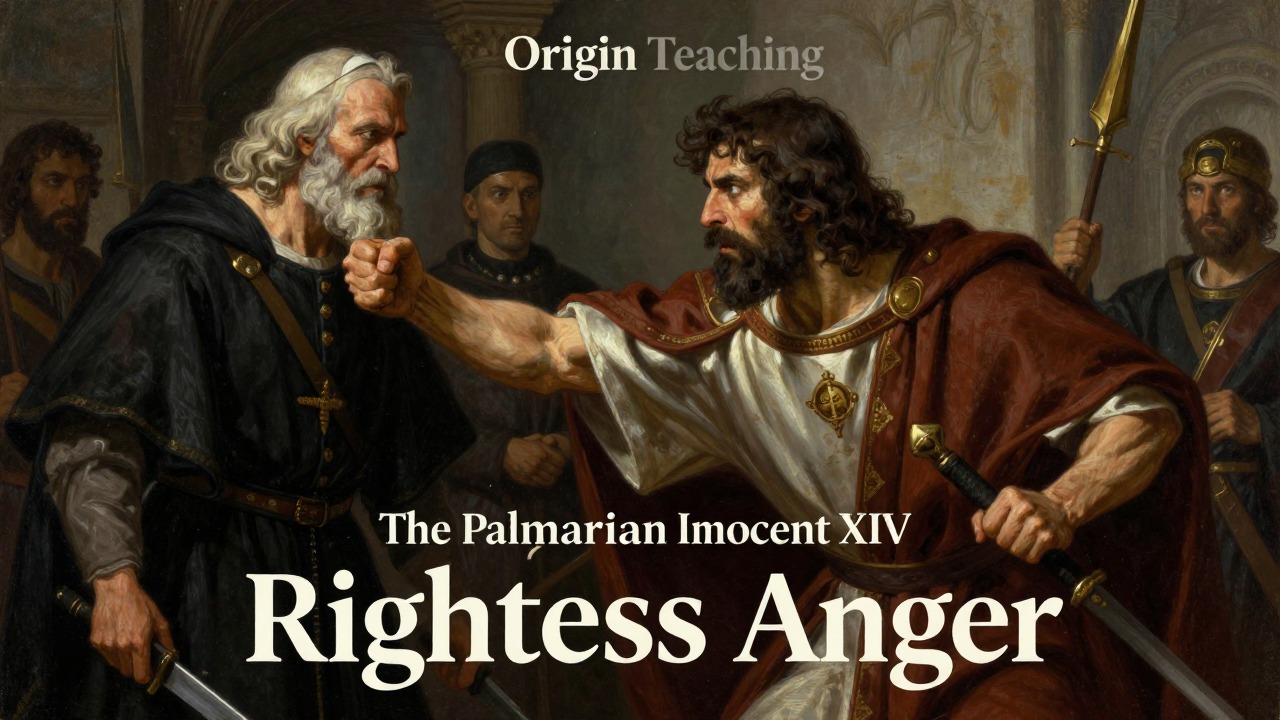
A New Teaching
Righteous Anger
Palmarian Pope Innocent XIV preaches that forgiveness is not always necessary. He encourages Ávila to channel his anger into a holy war.
The Conversion
Ávila finds purpose in revenge. He joins the Palmarian cause and becomes an assassin.
The Assassination
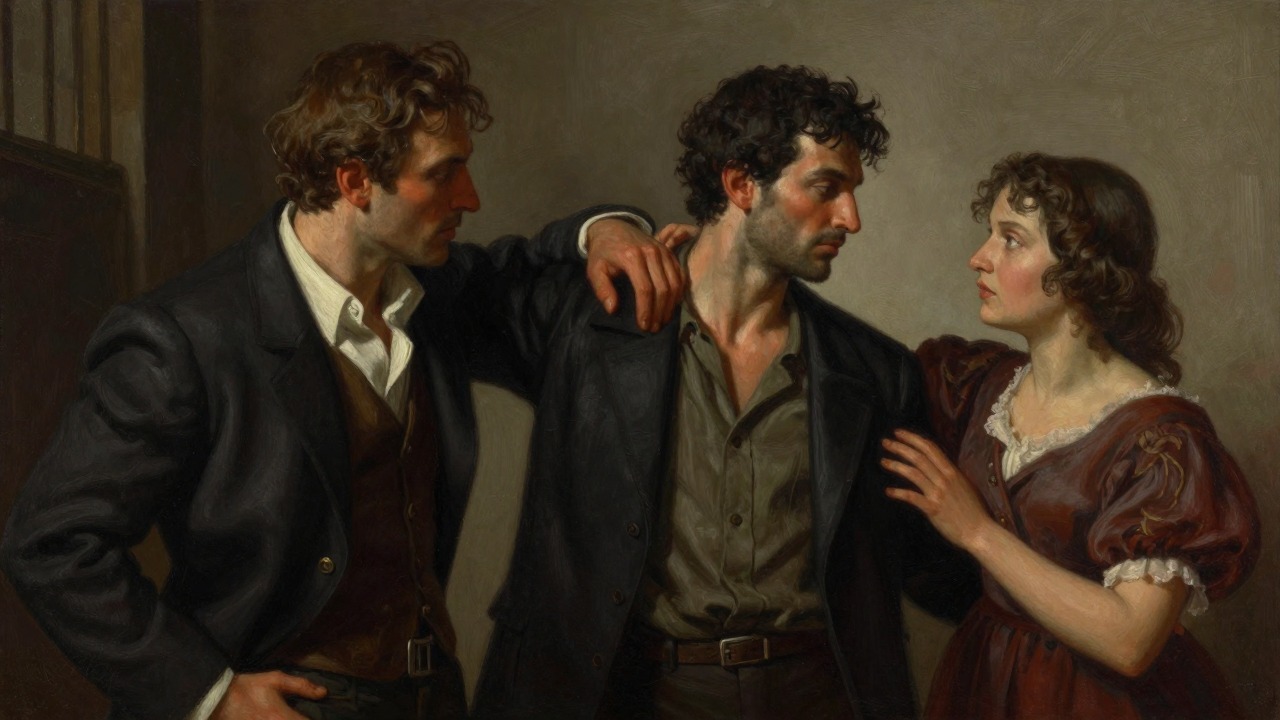
Acting on Vengeance
Killing Kirsch
Ávila believes he is avenging his family. He kills Kirsch without hesitation.
The Aftermath
He feels no remorse. His mission is complete. But he is later killed himself.
The Death of the Assassin
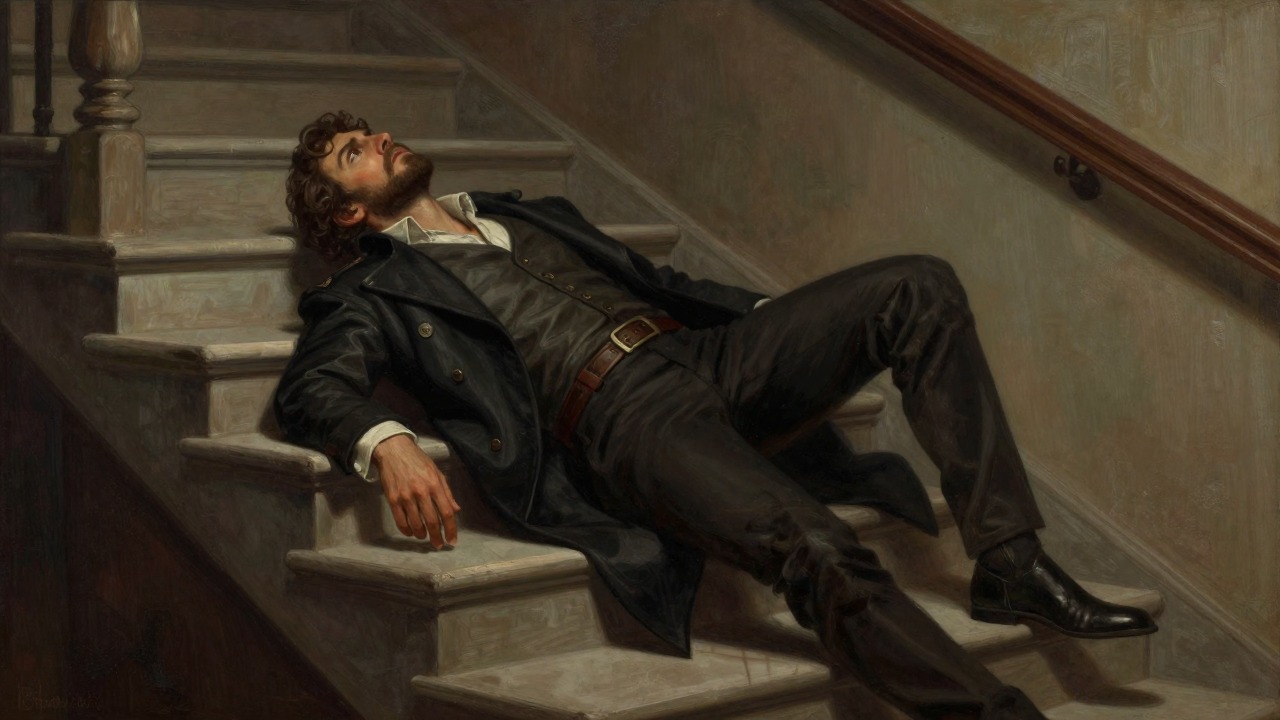
A Violent End
The Fall
Ávila dies in the staircase. His quest for revenge leads to his own destruction.
The Implication
The conflict between revenge and forgiveness is left unresolved. The Palmarian Church's doctrine is discredited.
Five years before
A few years later
The night of the event
Later that night
