
The Grasse Murder Panic
PerfumeThe collective fear, investigation, and social breakdown in Grasse during the serial murders.
increasing Bearing strength in each event
 decreasing
Bearing strength in each eventdecreasingFirst Murder
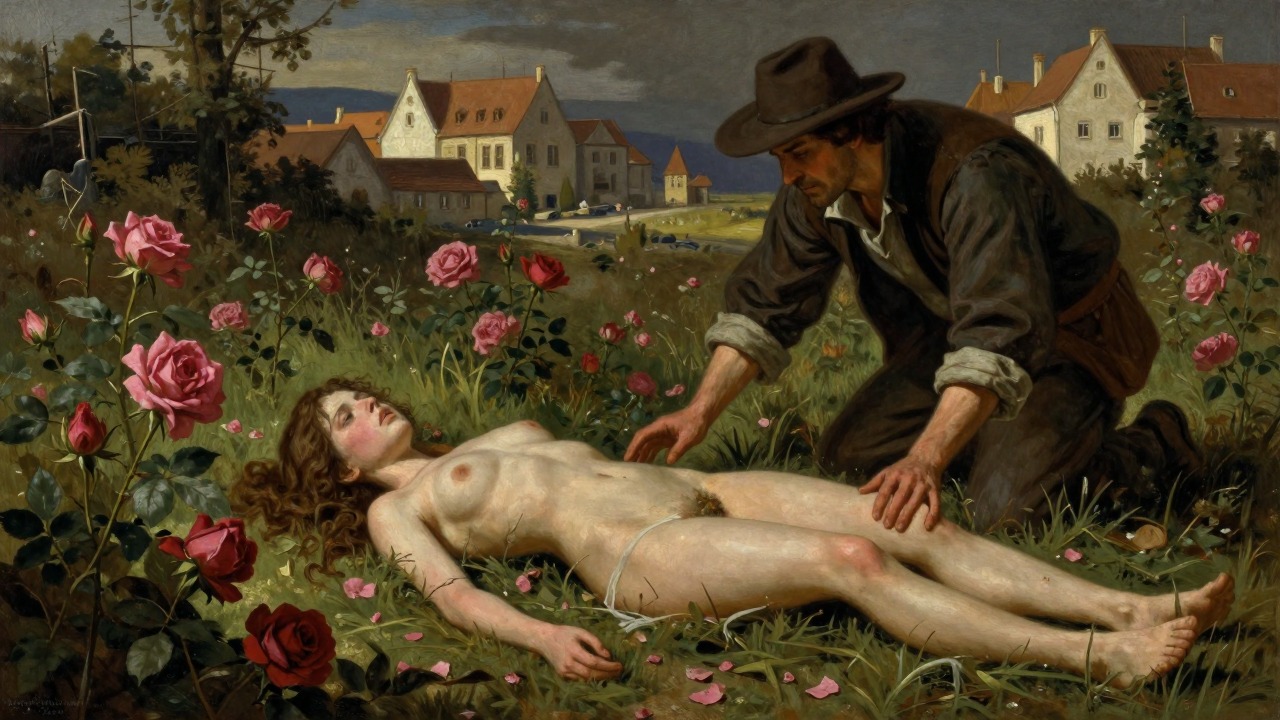
First Murder
Discovery
A fifteen-year-old girl was found dead in a rose field, naked and shorn. The farmer was horrified.
Suspicions
Gypsies, Italians, wigmakers, and others were suspected. No one was caught.
Growing Unease
The town began to fear an unknown predator.
Escalation of Killings
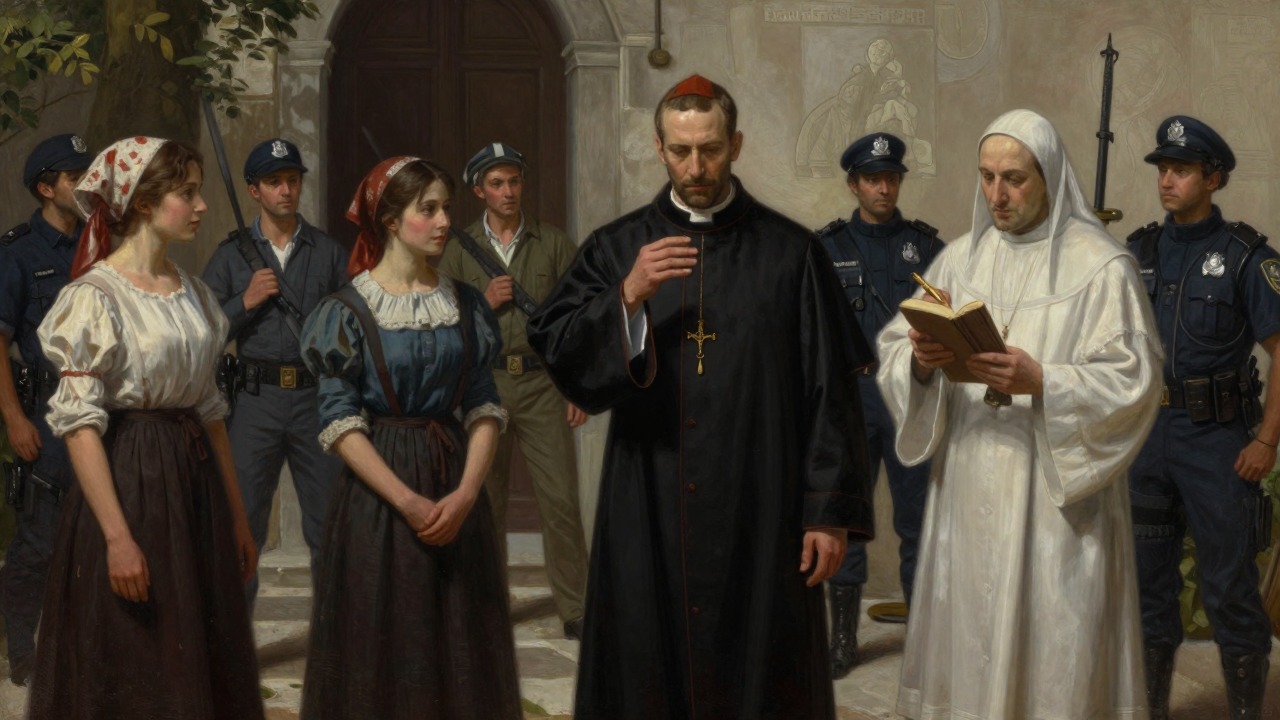
Escalation of Killings
More Victims
Two Italian sisters were killed, then a Sardinian washerwoman. The murderer struck weekly.
Fear Spreads
People locked their daughters, formed patrols, and imposed a curfew. The police lieutenant was replaced.
The Bishop's Anathema
The bishop excommunicated the murderer. The killings stopped, but fear remained.
False Peace
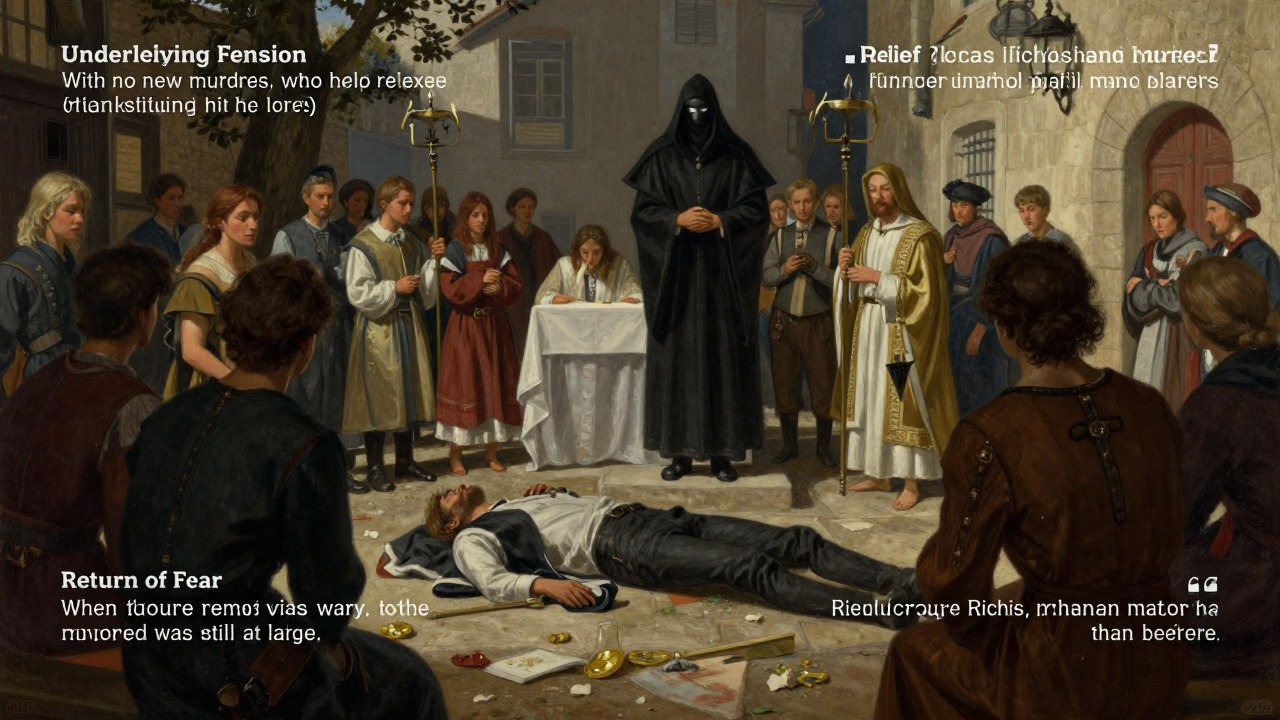
False Peace
Relief
With no new murders, the town relaxed. A thanksgiving mass was held.
Underlying Tension
Richis and others remained wary. The murderer was still at large.
Return of Fear
When Laure Richis was killed, panic returned worse than before.
Arrest and Trial
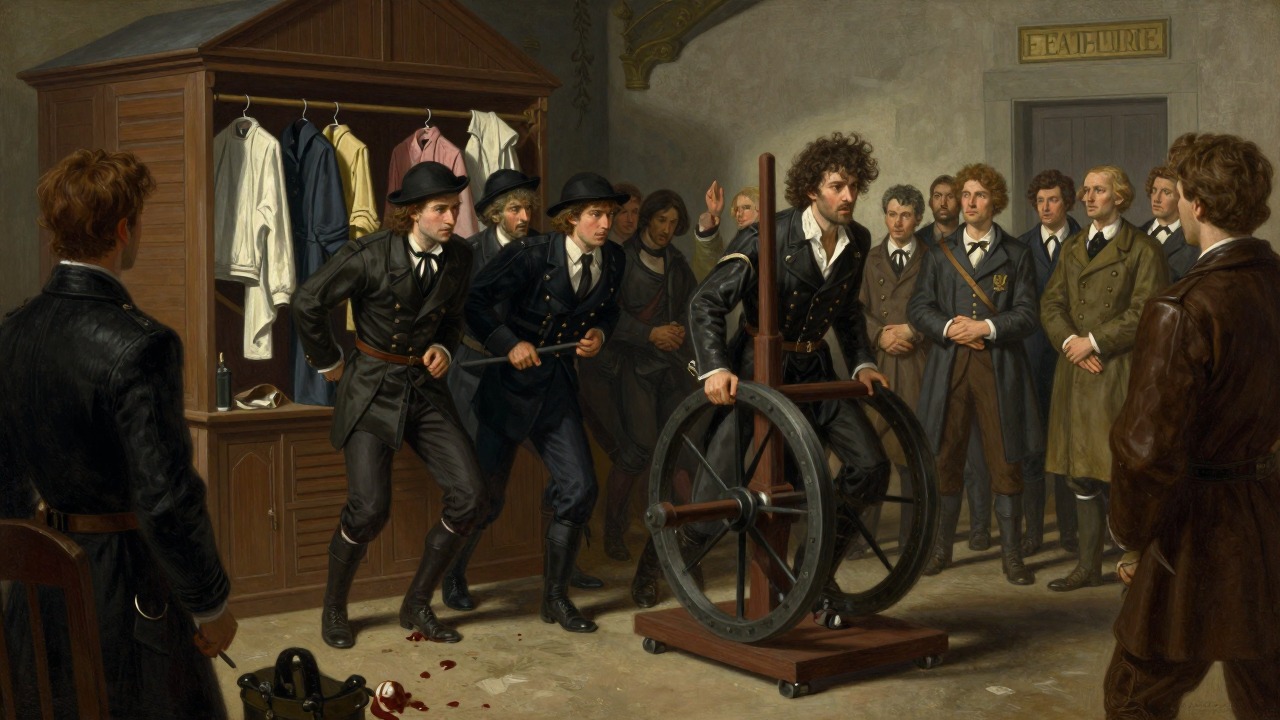
Arrest and Trial
Capture
Grenouille was arrested after a guard recognized him. Evidence was found in his cabin.
Public Exhibition
The victims' clothes were displayed. The crowd demanded blood.
Trial
Grenouille confessed but gave no motive. He was sentenced to be broken on the wheel.
The Orgy and Aftermath

The Orgy and Aftermath
Execution Day Chaos
The crowd fell into a sexual frenzy, worshipping Grenouille. The execution was abandoned.
Collective Amnesia
Afterward, peopleashamed and erased the event from memory. Druot was executed as a scapegoat.
Return to Normalcy
Life quickly returned to normal. The murders were forgotten.
May 1765
June - September 1765
October 1765 - February 1766
late March 1766
15 April 1766 and after
