
Elizabeth Bennet's Prejudice Overcome
Pride and PrejudiceElizabeth Bennet learns to overcome her initial prejudice against Fitzwilliam Darcy, eventually recognizing his true character and falling in love.
increasing Bearing strength in each event
 decreasing
Bearing strength in each eventdecreasingFirst Impressions at Meryton
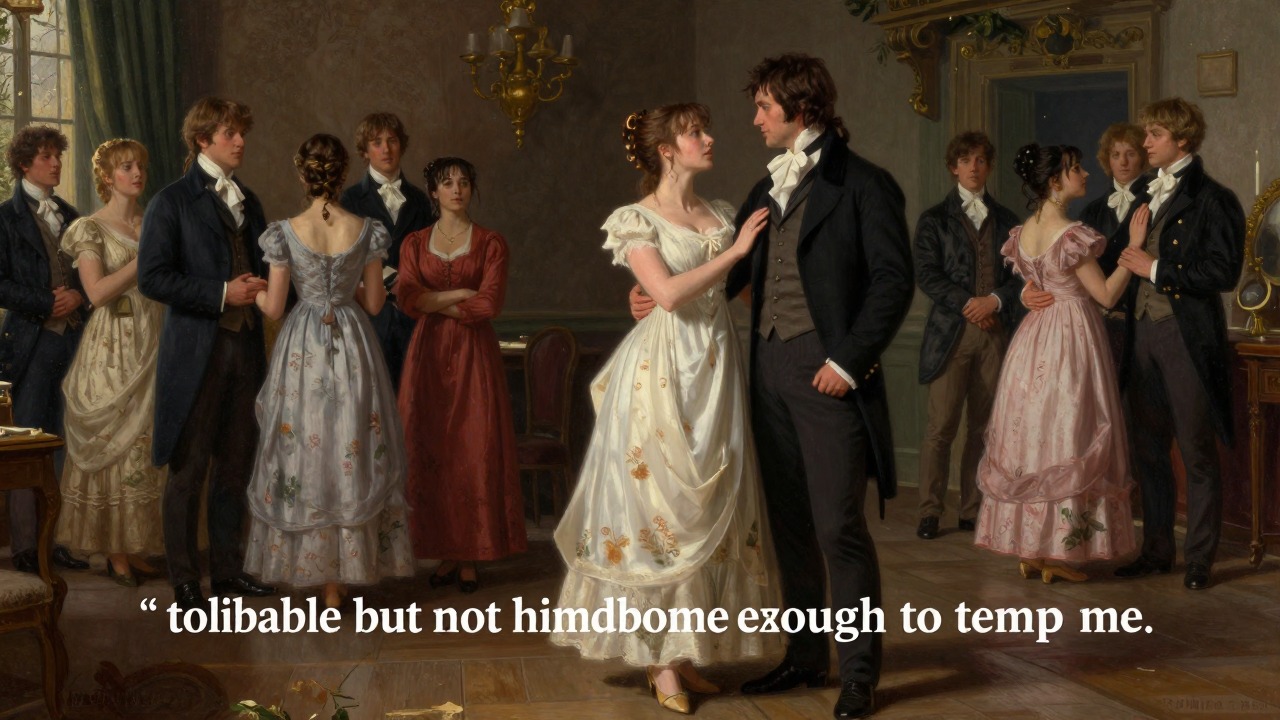
First Impressions at Meryton
The Dance and the Snub
At the Meryton assembly, Elizabeth Bennet overhears Fitzwilliam Darcy refuse to dance with her, declaring her "tolerable but not handsome enough to tempt me." This public slight wounds her pride and sets the foundation for a deep-seated prejudice. Elizabeth, known for her lively wit and sharp observation, immediately categorizes Darcy as arrogant and disagreeable, contrasting him with the amiable Charles Bingley.
The Social Contrast
The evening is a microcosm of the social dynamics that will drive the narrative. Bingley, warm and approachable, dances with Jane Bennet twice, sparking Mrs. Bennet's matchmaking hopes. Darcy, aloof and critical, stands apart, his wealth and status only magnifying his perceived haughtiness. Elizabeth's sense of injury is compounded by the fact that she is used to being the center of attention in her own social circle; Darcy's dismissal is a rare and memorable affront.
A Seed of Dislike
Elizabeth returns home and recounts the incident with humorous indignation, solidifying her early opinion. This moment is the catalyst for the central conflict: a brilliant woman's pride is pitted against a wealthy man's pride. The reader is introduced to Elizabeth's quick judgement and Darcy's social ineptitude, both of which will be tested and transformed as the story unfolds.
Darcy's Insult Heard
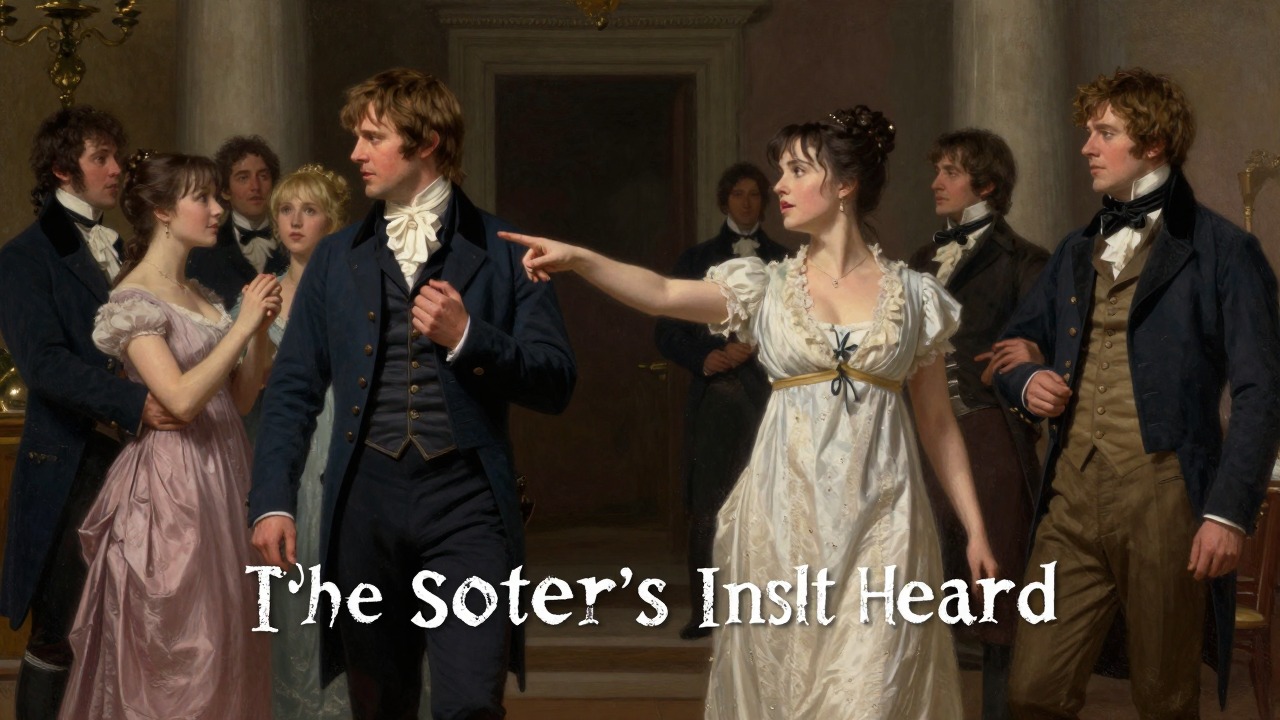
Darcy's Insult Heard
The Moment of Rejection
During the Meryton assembly, Charles Bingley urges his friend Fitzwilliam Darcy to dance, but Darcy demurs, stating his dislike for the company. When Bingley points out Elizabeth Bennet as a potential partner, Darcy's response is cutting: "She is tolerable, but not handsome enough to tempt me." Elizabeth, standing nearby, hears the remark clearly. The insult is not merely personal; it is a public declaration of Darcy's sense of superiority.
Elizabeth's Reaction
Elizabeth, though outwardly composed, is deeply stung. She tells the story to her friends with spirit, using humor to mask her hurt. But the incident lodges in her mind, coloring every subsequent interaction with Darcy. Her pride, which she values as much as his, is mortified. This moment is the first concrete instance of the prejudice that the novel's title warns against—Elizabeth's judgement is now clouded by personal resentment.
The Wider Impact
The insult also affects the Bennet family's perception of Darcy. Mrs. Bennet becomes his vocal enemy, and even Jane, who tries to see the best in everyone, is troubled. The assembly becomes a battleground of first impressions, with Darcy's coldness and Elizabeth's lively resentment setting the stage for the complex dance of attraction and misunderstanding that follows.
Growing Dislike at Netherfield
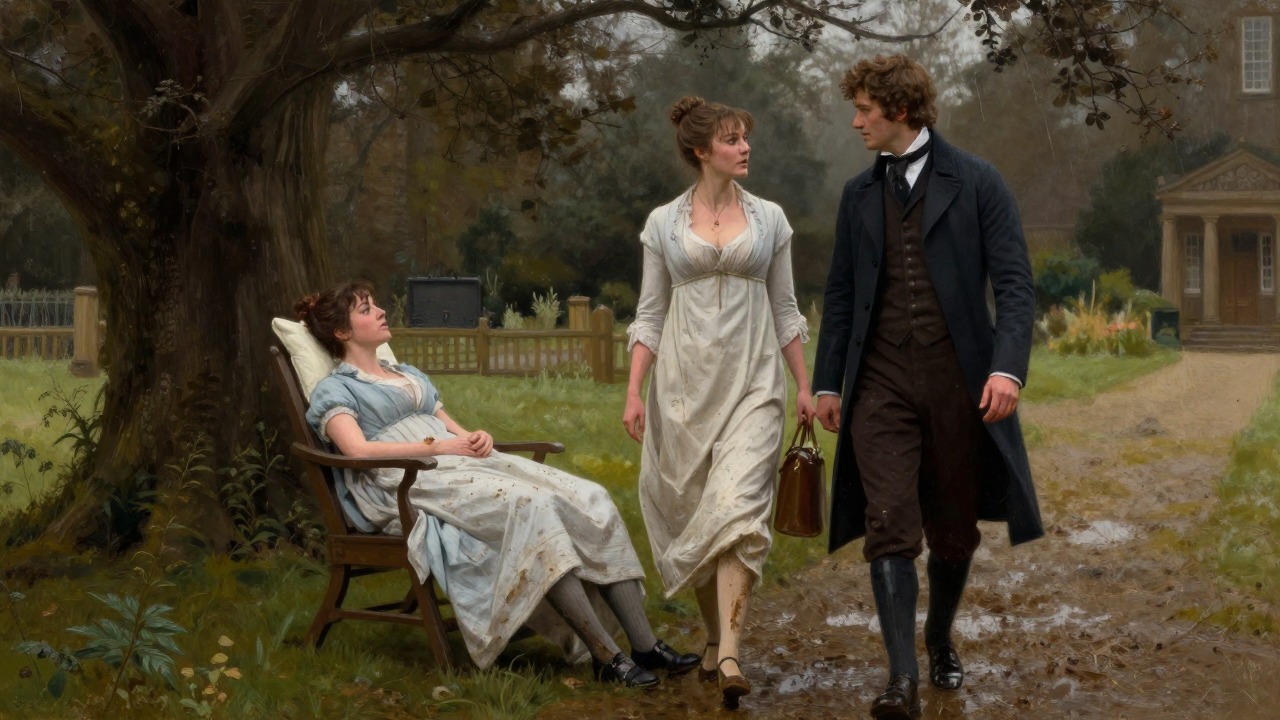
Growing Dislike at Netherfield
The Visit to Jane
When Jane Bennet falls ill at Netherfield, Elizabeth walks three miles in muddy weather to nurse her sister. Her arrival—dirty stockings and all—is met with disdain by Caroline Bingley and Louisa Hurst, but it piques Darcy's interest. He begins to notice Elizabeth's fine eyes and lively intelligence, though he still struggles with her inferior connections.
Dinner Table Debates
Over the course of Elizabeth's stay, she engages in several sharp exchanges with Darcy. She challenges his notions of an accomplished woman, defends the value of laughter, and refuses to be intimidated by his presence. Their conversations are duels of wit, each trying to outmaneuver the other. Elizabeth's dislike deepens as she perceives Darcy's pride as immutable, while Darcy's admiration grows despite his better judgment.
Caroline Bingley's Jealousy
Caroline Bingley, who hopes to marry Darcy herself, becomes increasingly jealous of Elizabeth's growing influence. She attempts to undermine Elizabeth by mocking her family and her manners, but Darcy defends Elizabeth's fine eyes. This dynamic foreshadows the central romantic tension: Darcy is drawn to Elizabeth's spirit, even as he remains critical of her social standing. Elizabeth, for her part, remains unaware of his changing feelings, interpreting his attention as further criticism.
Wickham's Tale of Woe
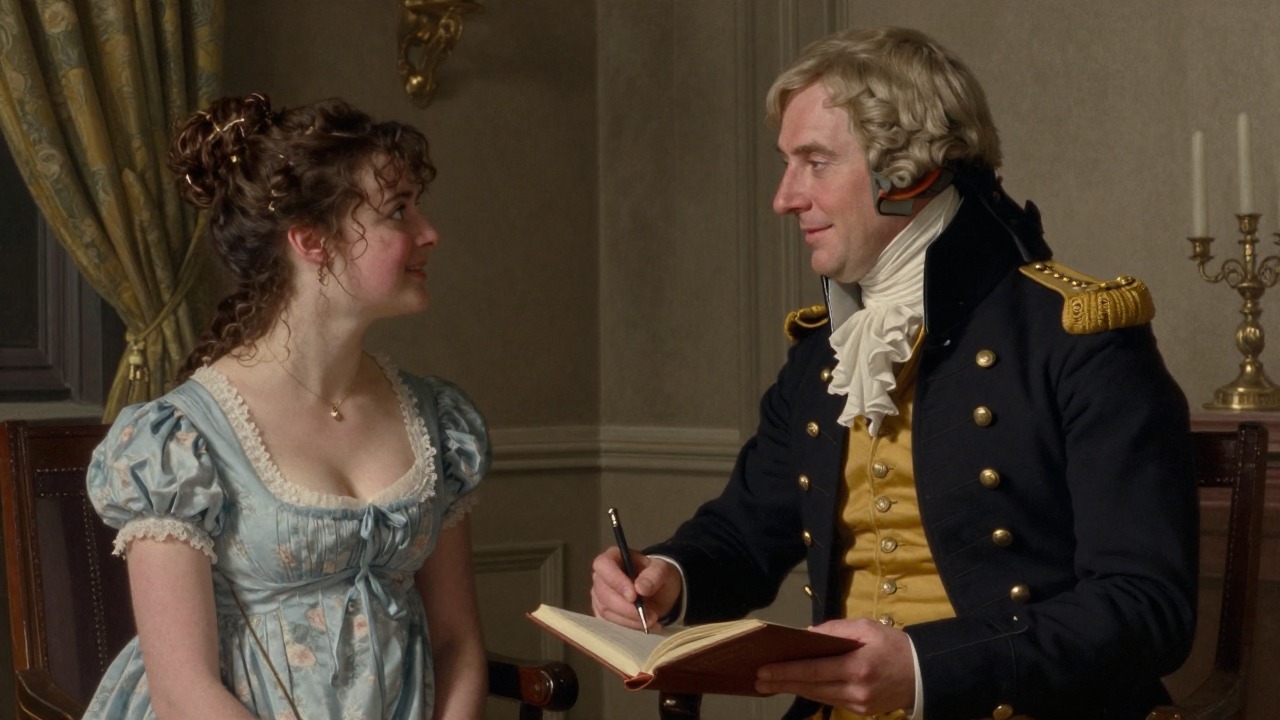
Wickham's Tale of Woe
The Charming Stranger
At a party given by Mrs. Phillips, Elizabeth is introduced to George Wickham, a handsome and agreeable officer. Wickham immediately captivates her with his easy manners and engaging conversation. When Elizabeth mentions her acquaintance with Fitzwilliam Darcy, Wickham's expression darkens, and he seizes the opportunity to share his story.
The Story of Injustice
Wickham claims that Darcy's father intended him for a valuable living in the church, but after the elder Darcy's death, Fitzwilliam Darcy denied him the position out of jealousy and spite. He paints Darcy as cruel, unjust, and proud, while portraying himself as the victim of a wealthy man's caprice. Elizabeth, already predisposed to dislike Darcy, accepts Wickham's account without question, seeing it as confirmation of her own negative judgement.
Deepening Prejudice
This encounter solidifies Elizabeth's prejudice. She now believes she has moral justification for her dislike: Darcy is not merely proud but wicked. Wickham's charm and apparent sincerity make his story credible, and Elizabeth becomes an advocate for his cause. The tale also serves to deepen the reader's suspicion of both men, though the truth will eventually reveal the opposite of what Elizabeth believes. This moment is a critical turning point, as Elizabeth's prejudice is now armed with a narrative that will take nearly the entire novel to dismantle.
Darcy's First Proposal
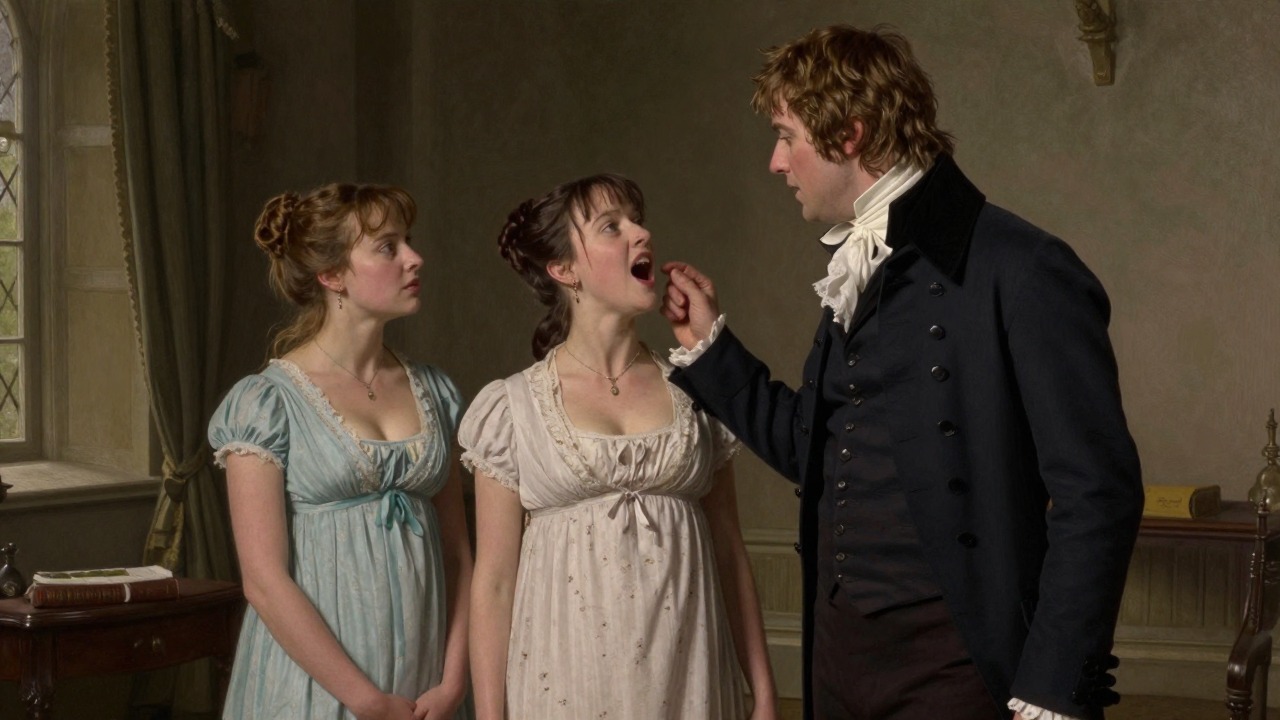
Darcy's First Proposal
The Unexpected Declaration
During Elizabeth's stay at the Hunsford parsonage, Fitzwilliam Darcy calls on her unexpectedly. After a strained silence, he bursts into a passionate declaration of love, telling her that he admires and loves her ardently. However, he also dwells on the inferiority of her family and the social obstacles he has had to overcome. His proposal is a mixture of genuine feeling and condescension.
Elizabeth's Furious Rejection
Elizabeth is stunned but quickly recovers her composure. She refuses him outright, listing her grievances: his role in separating Jane and Charles Bingley, his treatment of Wickham, and his arrogant manner. She tells him that he is the last man in the world she could ever be prevailed upon to marry. Her words are laced with the bitterness of accumulated prejudice, and she is not afraid to speak her mind.
The Aftermath
Darcy leaves in shock and anger, but Elizabeth is left in turmoil. She is gratified that she has inspired such passion, yet horrified by his pride. That night, she cannot sleep, replaying the scene. The proposal is a watershed moment: it forces Elizabeth to examine her own feelings and prejudices more deeply than ever before. Darcy's offer, though rejected, plants a seed of doubt about her own infallibility.
Reading Darcy's Letter
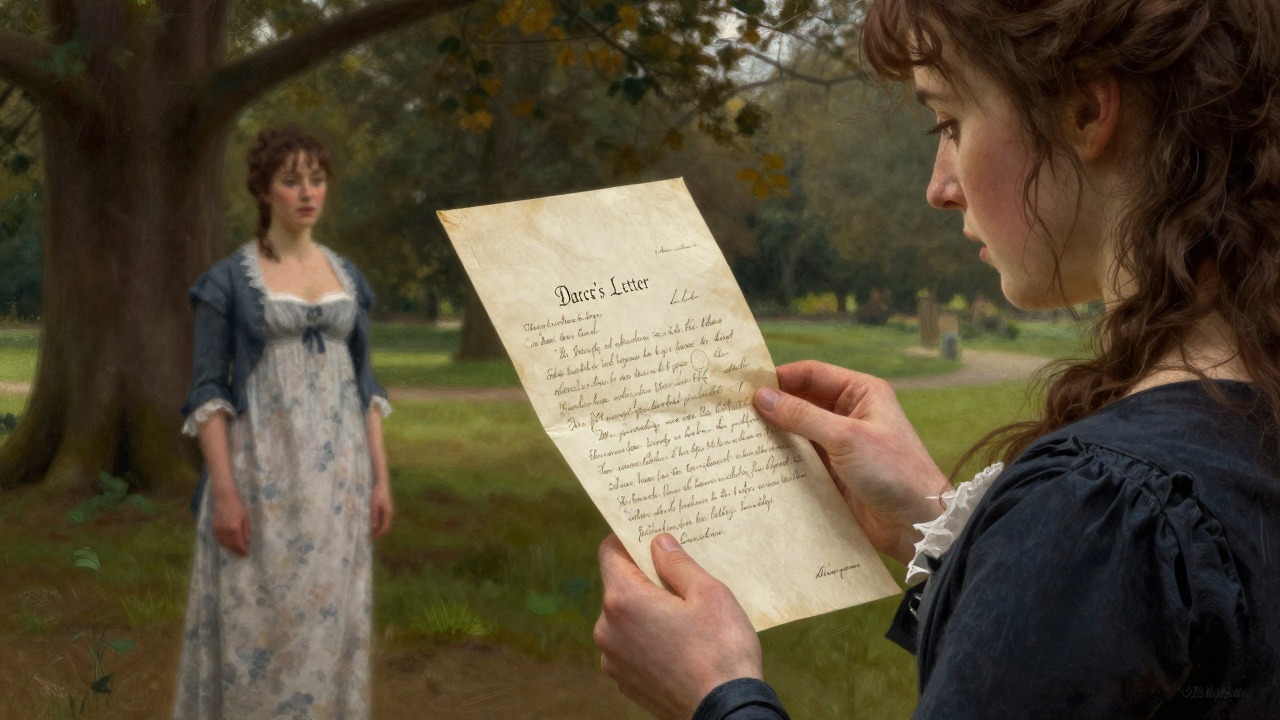
Reading Darcy's Letter
The Letter's Delivery
The morning after his proposal, Darcy meets Elizabeth in the park at Rosings and hands her a letter. He asks her to read it, then leaves. Elizabeth, with a mixture of curiosity and dread, opens the tightly written pages. The letter is long and detailed, a defense of his conduct.
The Revelation
In the letter, Darcy explains his interference in Bingley's courtship: he believed Jane Bennet indifferent to Bingley, and he also cites the impropriety of the Bennet family's behavior. He then addresses Wickham's accusations, revealing the truth: Wickham attempted to elope with Darcy's young sister, Georgiana, for her fortune. Darcy provides a full account of Wickham's dissipation and ingratitude.
Elizabeth's Transformation
Reading the letter, Elizabeth is forced to confront the possibility that she has been completely wrong about both men. Her prejudice against Darcy and her partiality for Wickham are both shattered. She re-reads the letter multiple times, feeling shame and mortification. She realizes that her vanity and blindness have led her to misjudge Darcy entirely. This moment is the turning point of the novel: Elizabeth's inner revolution begins, and she starts to see Darcy in a new, more accurate light.
Self-Reflection and Shame
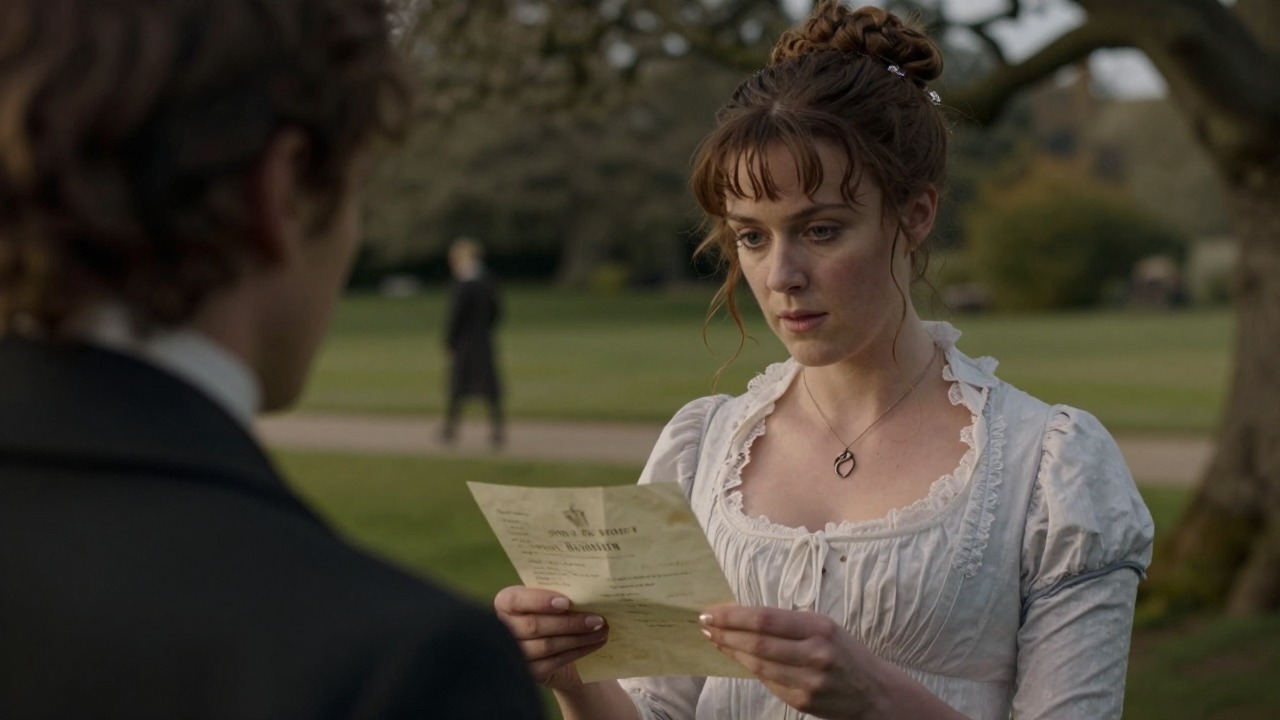
Self-Reflection and Shame
A Painful Reckoning
Elizabeth spends the days following the letter in a state of intense self-examination. She walks alone in the grounds of Hunsford, replaying every conversation with Darcy and Wickham. She is horrified to realize how thoroughly she has been deceived by Wickham's pleasing appearance and how unjustly she has condemned Darcy. "How despicably I have acted!" she cries, acknowledging that her vanity, not love, has been her folly.
Reassessing Jane and Bingley
Elizabeth also reconsiders Darcy's account of Jane's behavior. She admits that Jane's serene demeanor could easily be mistaken for indifference, and she sees the justice of Darcy's criticisms of her family's conduct at the Netherfield ball. The mortification is complete: she has been blind to her own family's faults and to the true merits of a man she now begins to respect.
The Dawn of Change
This period of reflection is crucial for Elizabeth's character development. She does not immediately fall in love with Darcy, but she sheds her prejudice and opens her mind to a more balanced view. The shame she feels is a catalyst for growth. She resolves to be more cautious in her judgements and to value real worth over superficial charm. The seeds of her eventual love for Darcy are planted in the soil of this painful self-knowledge.
Meeting Darcy at Pemberley
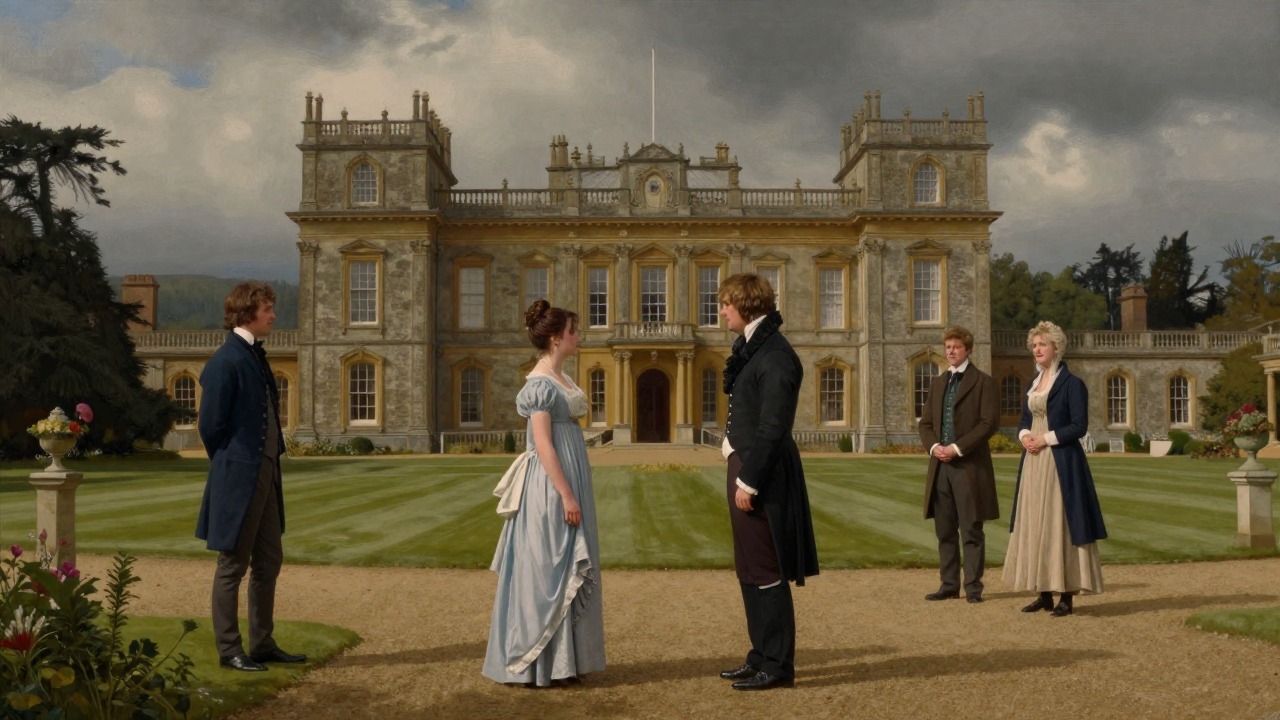
Meeting Darcy at Pemberley
The Visit to Pemberley
Months later, Elizabeth travels to Derbyshire with her aunt and uncle, Mr. and Mrs. Gardiner. They visit Pemberley, Darcy's estate, believing him to be absent. Elizabeth is deeply impressed by the beauty of the house and grounds, and she cannot help thinking that to be mistress of Pemberley might be something. The housekeeper, Mrs. Reynolds, gives a glowing account of Darcy's character, praising him as a generous landlord and a kind brother.
The Unexpected Encounter
While touring the grounds, Darcy suddenly appears. He has arrived a day early. Both are deeply embarrassed, but Darcy behaves with remarkable civility. He inquires after Elizabeth's family, speaks politely to the Gardiners, and even invites them to fish. Elizabeth is astonished by the change in his demeanor; he is no longer the haughty man she remembered.
A New Perception
Darcy's transformation is palpable. He is courteous, attentive, and eager to please. Elizabeth's heart begins to soften. She is impressed by his genuine interest in her relatives and his evident desire to make amends. The Pemberley visit is a turning point in their relationship: she sees him in his own element, respected and loved, and she begins to feel a warmth that had been absent before. The encounter sets the stage for a possible reconciliation.
Darcy's Changed Behavior
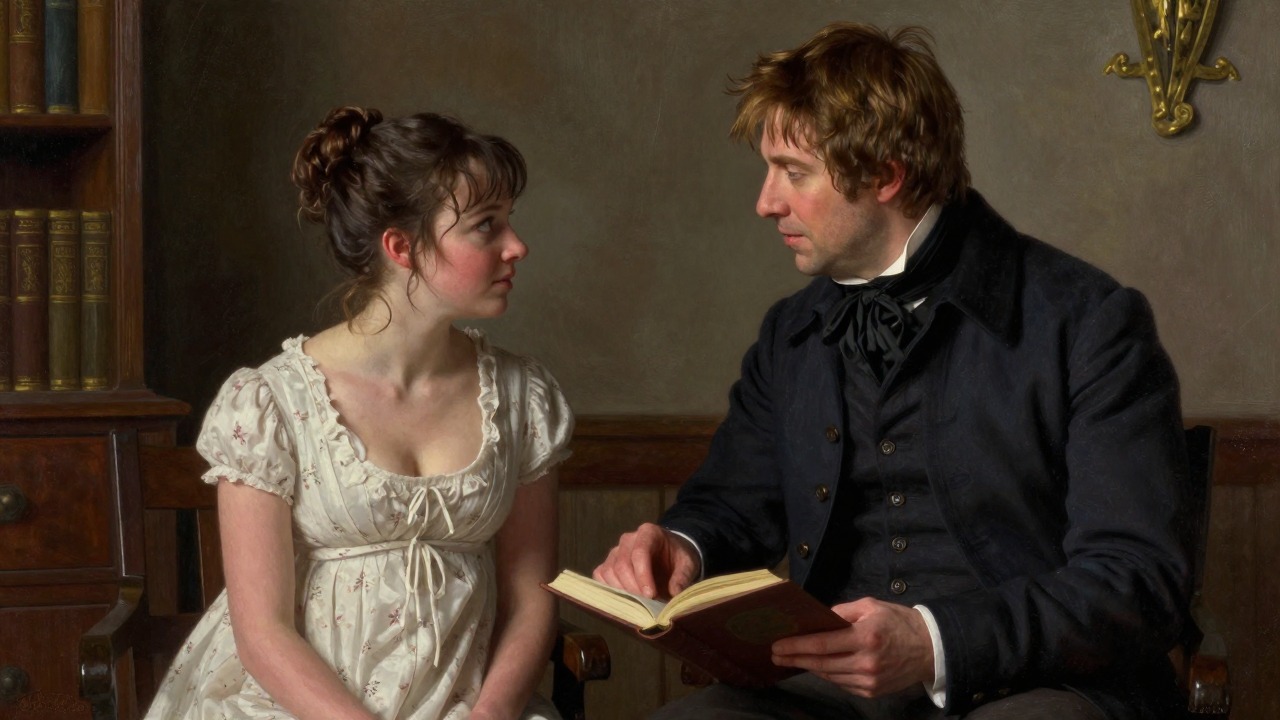
Darcy's Changed Behavior
The Introduction to Georgiana
After the initial meeting, Darcy brings his sister, Georgiana Darcy, to call on Elizabeth at the inn in Lambton. Georgiana is shy, but Elizabeth sees her genuine sweetness. Darcy's attentiveness to his sister and his efforts to make Elizabeth comfortable reveal a new side of his character. He even introduces Elizabeth to Charles Bingley, who is also present.
Bingley's Renewed Interest
Bingley's behavior towards Elizabeth is warm and friendly, and she suspects that Darcy has encouraged him. Darcy himself is courteous and engaged, asking about Elizabeth's family and showing an interest in her opinions. The contrast with his earlier reserve is striking. Elizabeth feels flattered and grateful, and she begins to realize that Darcy's feelings for her have not diminished.
A Growing Affection
Elizabeth's own feelings are evolving. She appreciates Darcy's efforts to be agreeable, and she is moved by his obvious desire to please her. The suspicion that he still loves her takes root. She starts to look forward to seeing him again, and her thoughts are increasingly occupied with him. The change in his behavior is a direct result of her earlier rejection; he has taken her criticisms to heart and is actively working to become a better man.
Gratitude and Awakening
Gratitude and Awakening
The News of Lydia's Elopement
Just as Elizabeth's feelings for Darcy are warming, she receives a letter from Jane with shocking news: Lydia Bennet has eloped with George Wickham. The family is in disgrace, and Elizabeth fears that any future connection with Darcy is now impossible. She is devastated, both for her sister and for herself.
Darcy's Secret Intervention
After Mr. Gardiner goes to London to help, Elizabeth learns from Mrs. Gardiner's letter that Darcy was the one who found Lydia and Wickham, paid Wickham's debts, and secured their marriage. He did this entirely of his own accord, without seeking recognition, and he did it for Elizabeth's sake. The revelation overwhelms Elizabeth with gratitude and love.
Love Confessed
Elizabeth realizes that Darcy's actions prove his love beyond any doubt. She acknowledges to herself that she loves him. Her earlier prejudice is completely replaced by esteem and affection. The gratitude she feels is not merely transactional; it is the recognition of a man of profound integrity and generosity. This moment marks the final transformation of her feelings, preparing her for the eventual reconciliation.
Acceptance of Darcy's Love
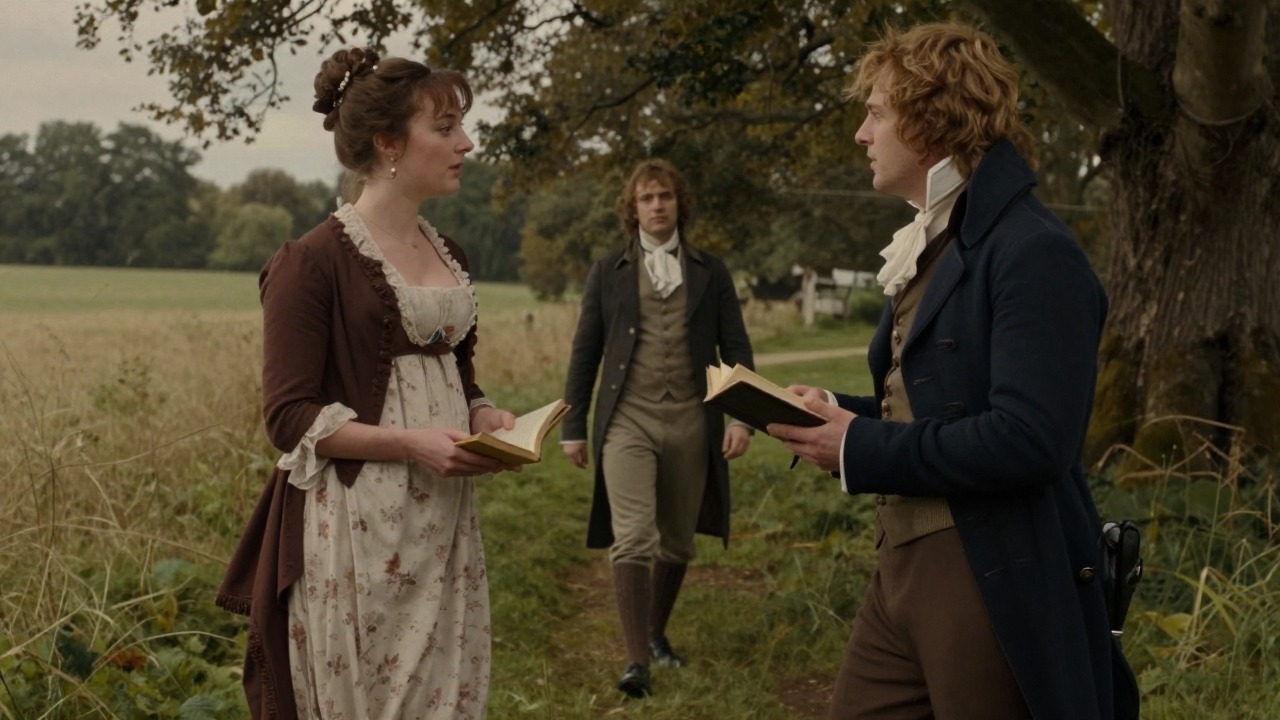
Acceptance of Darcy's Love
The Second Proposal
After Lady Catherine de Bourgh's confrontation with Elizabeth, which inadvertently reveals that Elizabeth still cares for Darcy, Darcy returns to Longbourn. He and Elizabeth take a walk, during which he renews his proposal. This time, he speaks with humility and earnestness, acknowledging the past and expressing his unwavering love. Elizabeth, now free of prejudice, accepts him gladly.
A United Future
Elizabeth admits that her feelings have undergone a complete change. She thanks him for his kindness to Lydia and expresses her own deep affection. Their conversation is open and honest, healing the wounds of the past. They agree to seek her father's consent and to face the world together.
The Reconciliation
Mr. Bennet, though initially surprised, gives his blessing after Elizabeth assures him of her love. Mrs. Bennet is ecstatic. The engagement is a triumph of love over pride and prejudice, marking the culmination of both characters' growth. Elizabeth and Darcy are finally united, their individual transformations complete. The novel's central romance reaches its fulfilling resolution.
The Meryton Assembly
At the Meryton Assembly
During Elizabeth's stay at Netherfield
At the Phillips' party in Meryton
During Elizabeth's visit to Hunsford
The morning after the proposal
After reading the letter, during her walks at Hunsford
During Elizabeth's tour of Derbyshire
At Pemberley and later at Lambton
After learning of Darcy's role in Lydia's marriage
After Darcy's second proposal during a walk at Longbourn
