
Marriage as an Economic Necessity
Pride and PrejudiceThe novel repeatedly emphasizes that marriage in Regency England is often an economic arrangement, a necessity for women without fortunes.
increasing Bearing strength in each event
 decreasing
Bearing strength in each eventdecreasingThe Opening Lines
The Opening Lines
The Famous Truth
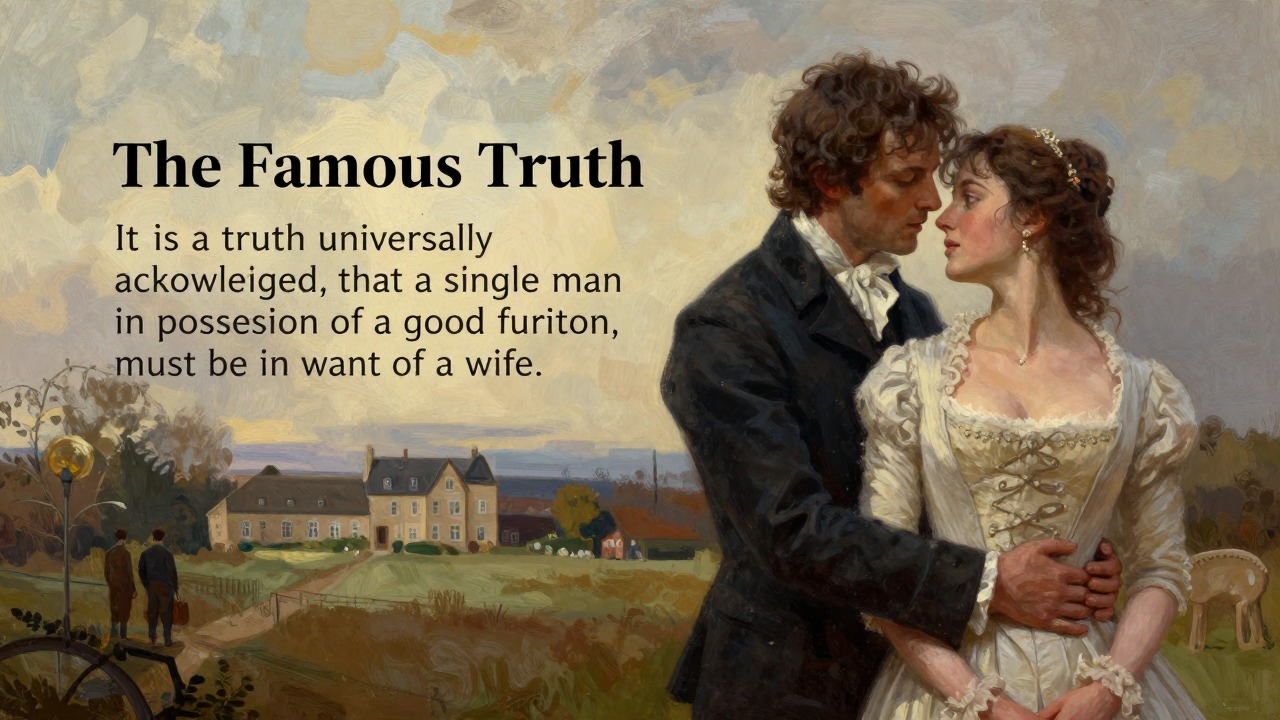
The novel opens with the line: "It is a truth universally acknowledged, that a single man in possession of a good fortune, must be in want of a wife." This ironic statement sets the theme: marriage is about money.
The Economic Reality
The entire novel is a commentary on this theme. The Bennet daughters must marry to secure their futures. The entail means they will be destitute if they do not find husbands.
The Universal Truth
The opening line is ironic because it is not the man who is in want of a wife, but the women who are in want of a husband with a fortune. The novel explores the economic pressures on women.
The Entail's Shadow
The Entail's Shadow
The Constant Threat
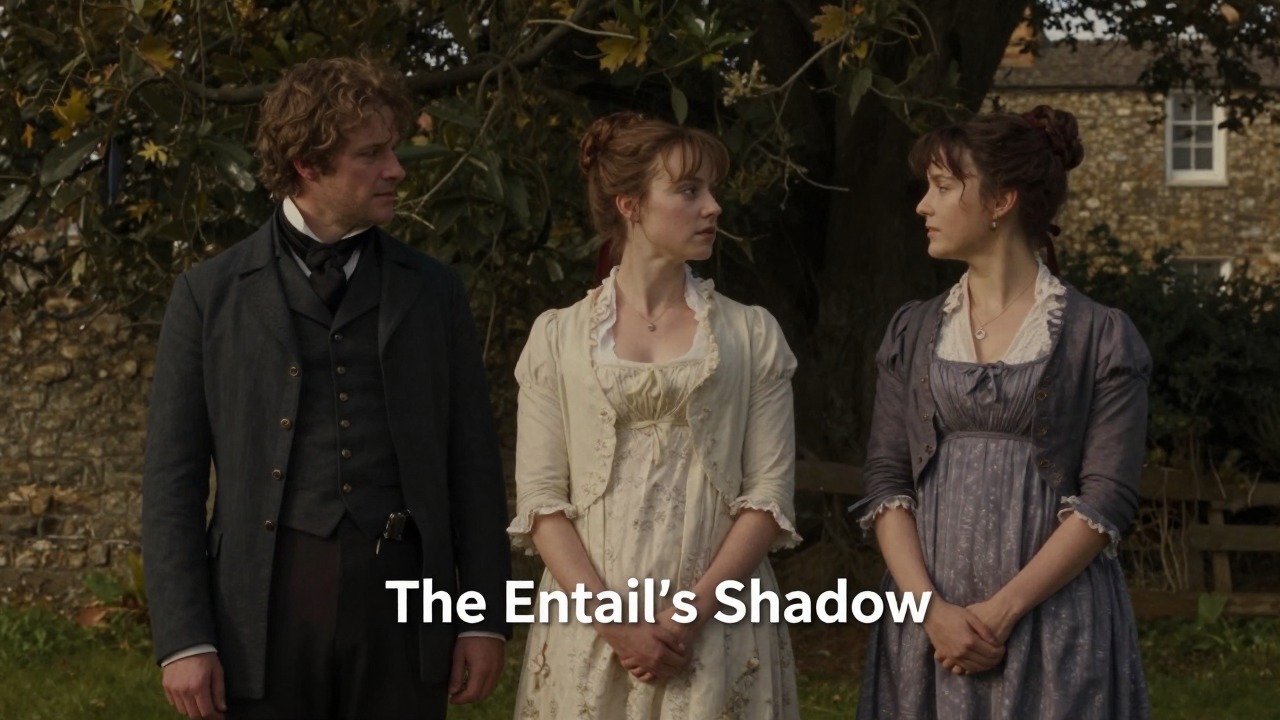
The entail of Longbourn to a male heir looms over the Bennet family. Mrs. Bennet's obsession with marrying off her daughters is driven by this economic reality. The theme is constantly present.
The Options for Women
Women like Charlotte Lucas have no choice but to marry for security. Elizabeth's refusal of Collins is a bold rejection of this economic necessity, but it is a risky one.
The Resolution
Jane and Elizabeth both marry wealthy men, securing their futures. The novel ends with a happy resolution, but it does not deny the economic reality. The theme is explored through the choices of the characters.
Charlotte's Pragmatic Choice
Charlotte's Pragmatic Choice
The Conscious Decision
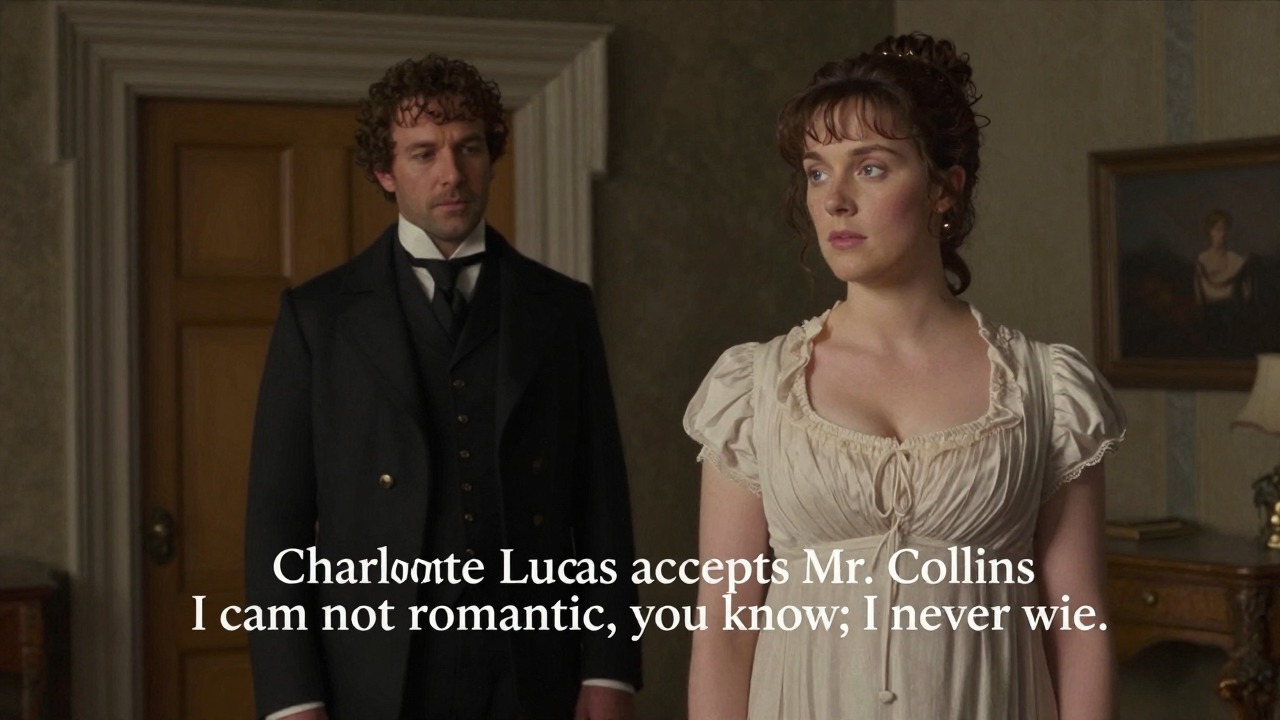
Charlotte Lucas accepts Mr. Collins because he offers a comfortable home. She is not in love, but she is practical. She tells Elizabeth, "I am not romantic, you know; I never was."
The Cost of Security
Charlotte's marriage is a clear example of marriage as an economic transaction. She trades her freedom for security. The novel does not judge her harshly, but it shows the limitations of such a choice.
The Contrast with Elizabeth
Elizabeth's refusal of Collins and her eventual marriage to Darcy for love provide a contrast. The novel explores both the necessity and the possibility of love in marriage.
Lydia's Mercenary Marriage
Lydia's Mercenary Marriage
The Forced Union
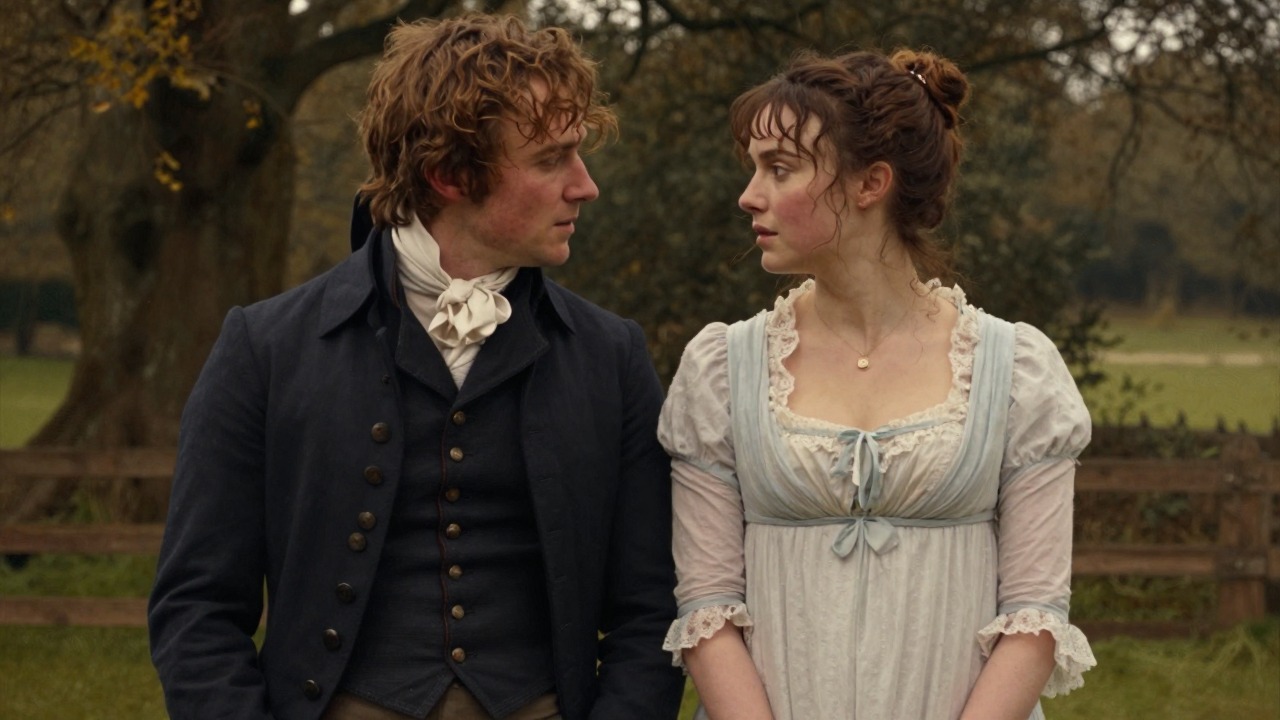
Lydia's marriage to Wickham is a direct result of economic necessity. Darcy pays Wickham to marry her. The marriage is a business transaction, not a love match.
The Unhappy Future
Lydia and Wickham's marriage is unhappy. They have no money and no respect for each other. The novel shows the consequences of marrying for the wrong reasons.
The Theme Reinforced
Lydia's story reinforces the theme that marriage without love or respect is a poor bargain. The novel advocates for a marriage that combines economic security with genuine affection.
The first sentence of the novel
Throughout the novel
When Charlotte accepts Collins
After Lydia's elopement
